
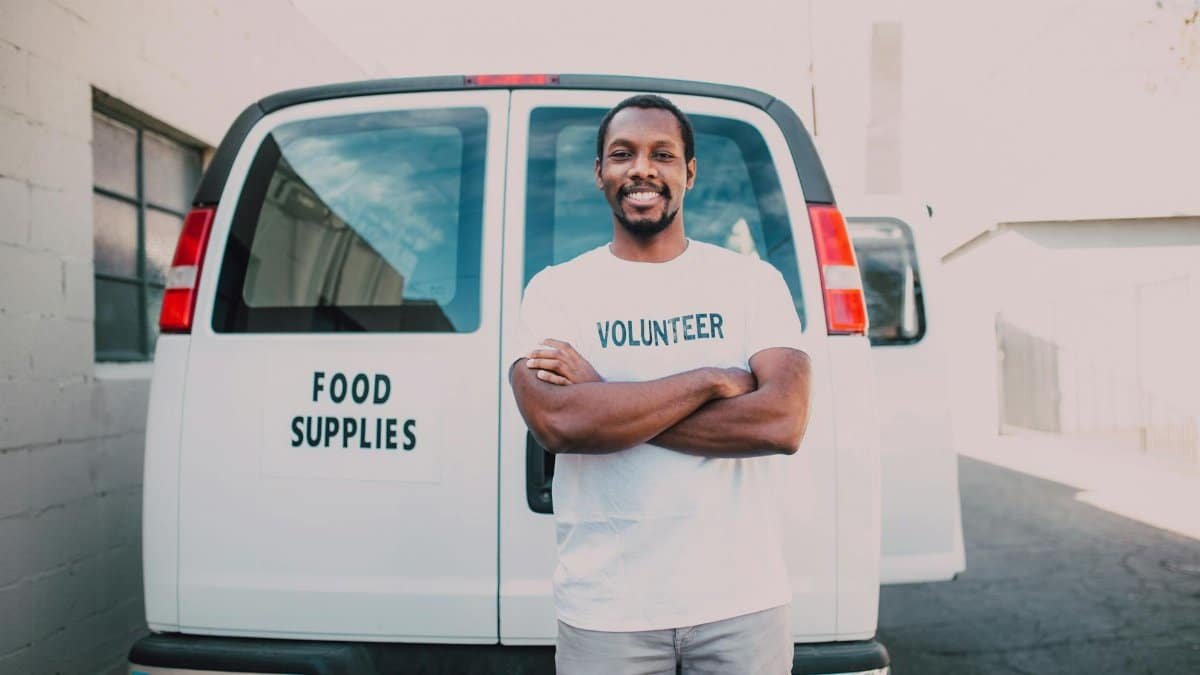
In cities across America, a quiet revolution is underway on the streets. A 2023 AARP survey revealed that nearly 40 percent of adults over 65 report difficulty with basic home repairs, a vulnerability exacerbated by rising costs and shrinking family networks. Enter neighborhood repair vans: mobile workshops crewed by volunteers who roam blocks, fixing leaky faucets, wobbly chairs, and stubborn appliances for free. These vans are bridging gaps in ways traditional services never could. They roll into senior-heavy neighborhoods, offering not just tools but conversation. Demand surges as inflation bites and isolation grows. This grassroots movement, born from community need, signals a shift toward hyper-local aid in an era of disconnection.
Roots in Community Necessity

Volunteers first spotted the need during pandemic lockdowns. Seniors, confined indoors, watched small breakdowns pile up. A toaster dies. A lamp flickers out. In Detroit’s east side, one group converted an old cargo van into a rolling fix-it shop. They stocked it with screwdrivers, glues, and multimeters. Word spread fast. Neighbors waved them down. The van became a beacon.
This model echoes earlier efforts. Think of the 1970s tool libraries, but motorized and targeted. Today, chapters thrive in Portland, Philadelphia, and beyond. Coordinators log calls via apps. Teams respond within days. One coordinator recalls a call about a broken stair rail. “That was a fall waiting to happen,” he said. They arrived at dawn, rail sturdy by noon.
Volunteers: The Heart of the Operation
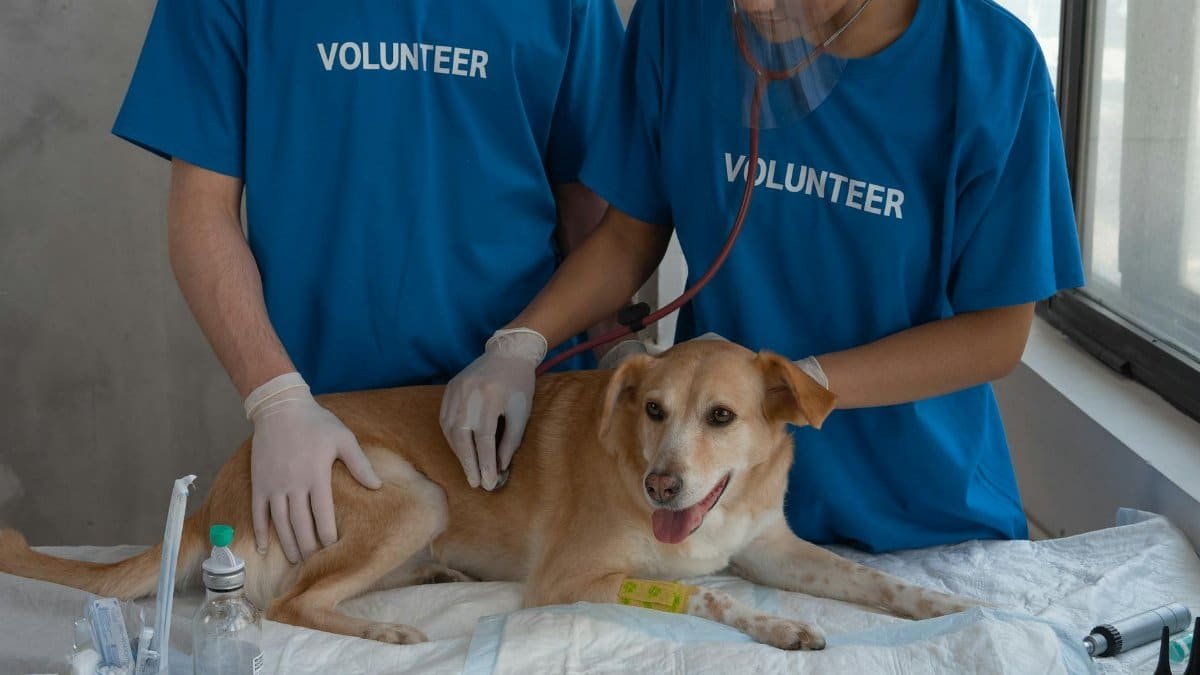
Retirees, mechanics, and hobbyists staff these vans. Many bring decades of trade skills. A former electrician in Seattle leads weekly routes. He trains novices on the spot. Safety first: gloves, goggles, dust masks. No job too small.
Training keeps things professional. Programs partner with local community colleges. Hands-on sessions cover wiring basics and plumbing hacks. Volunteers log hours for certifications. In Chicago, a nurse-turned-volunteer specializes in mobility aids. She adjusts walkers, tightens wheelchair bolts. Her touch adds reassurance.
Numbers tell the story. AmeriCorps data shows volunteer rates among over-50s hit 30 percent in 2022, the highest in years.AmeriCorps Volunteering in America Report. Neighborhood repair vans tap this surge, channeling skills into service.
Seniors at the Center

Focus stays sharp on those over 65. Census figures confirm: 56 million Americans fit this group, many living alone. Homeownership persists, but upkeep falters. Arthritis slows hands. Vision dims. Vans deliver relief.
Take Maria, 78, in Atlanta. Her garbage disposal hummed wrong. The van crew diagnosed a jammed blade. Fixed in 20 minutes. She offered coffee. They stayed an hour, chatting about grandkids. Moments like these combat loneliness. CDC research links isolation to health declines, from heart disease to depression.CDC on Loneliness in Older Adults.
Vans adapt. Ramps for wheelchairs. Bilingual crews in diverse areas. Requests spike for seasonal fixes: storm-damaged gutters, holiday light tangles.
Inside the Vans: Tools and Tricks
These aren’t junkers. Interiors gleam with pegboards, bins, workbenches. Power inverters run drills. LED lights illuminate tight spots. Stock rotates: plumbing snakes, voltage testers, sealants.
Common culprits? Faulty cords, stripped screws, worn seals. Crews triage on arrival. Diagnose. Repair or salvage parts. Waste drops. One van in Denver boasts a 90 percent success rate. They recycle the rest.
Innovation shines. 3D printers for custom knobs. Drone cameras for attic inspections. Yet basics rule. Hammers, pliers, patience.
Block-by-Block Impact

Routes weave through senior apartments, suburbs, rural edges. Mapping apps plot hot spots: high senior density, low income. In Minneapolis, a van covers 50 blocks weekly. Fixes tally hundreds yearly.
Residents notice. Sidewalks bustle more. Trust builds. One block association funded decals. “Repair Van Here Thursdays.” Participation swells.
Broader ripples emerge. Property values stabilize. Pride returns to aging homes. A Pew study notes community programs foster belonging.Pew Research on Social Connectedness.
Challenges on the Road

Not all smooth. Fuel costs climb. Insurance demands proof of skills. Liability looms: a slipped wrench, a shocked wire. Groups buy policies, train rigorously.
Supply chains snag. Pandemic shortages hit glues, fittings. Volunteers improvise. Donor networks step in: hardware stores donate surplus.
Scalability tests grit. Urban density aids; sprawl hinders. Rural vans stretch thin. Grants help. Foundations eye the model.
Stories That Stick

Real lives illuminate. In Boston, widower Tom, 82, faced a seized door lock. Van arrived amid rain. Crew oiled, replaced tumbler. Tom teared up. “First time someone’s helped since Ellen passed.”
Online forums echo this. One account described a van fixing a grandmother’s radio, sparking family sing-alongs. Simple acts, profound change.
Another: Oakland teen volunteers with grandpa. They bond over engines. Generational glue.
Policy and Funding Horizons

Momentum draws eyes. Cities propose budgets. Philadelphia pilots three vans. Federal aging programs nod approval. AARP advocates expansion.
Nonprofits seek matches. Home Depot grants tools. Crowdfunding covers vans. ROI clear: cheaper than emergency calls, nursing homes.
HUD data underscores need. Millions of seniors age in place, repairs key.HUD Aging in Place Report.
Beyond Borders: Global Echoes

America leads, but kin exist. Netherlands’ Repair Cafés inspired some. France’s mobile ateliers serve villages. Cross-pollination grows.
U.S. twists localize. Tailored to car culture, vast geography. Hybrids eyed for green push.
A Model for Tomorrow

Neighborhood repair vans prove small fleets fix big problems. They mend objects, mend lives. As boomers age, need explodes. Volunteers stand ready.
Expansion beckons. School partnerships train youth. Corporate sponsors add polish. The van hums on, tireless.
This rise reknits fabric. Communities stronger, one bolt at a time. Watch the streets. Change rolls by.

With a career spanning investment banking to private equity, Dominik brings a rare perspective on wealth. He explores how money can be a tool for personal freedom and positive impact, offering strategies for abundance that align with your values.
Disclaimer
The content on this post is for informational purposes only. It is not intended as a substitute for professional health or financial advice. Always seek the guidance of a qualified professional with any questions you may have regarding your health or finances. All information is provided by FulfilledHumans.com (a brand of EgoEase LLC) and is not guaranteed to be complete, accurate, or reliable.