
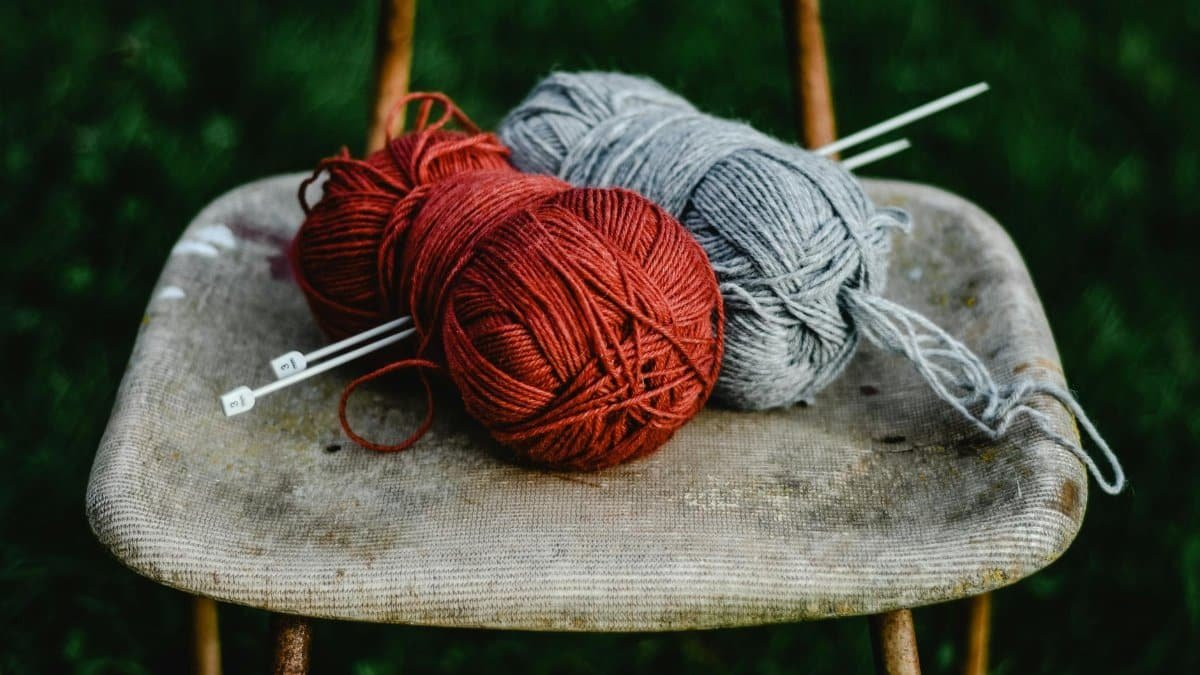
In community centers from Seattle to Savannah, small groups gather around wooden tables laden with skeins of yarn and clicking needles. Conversations flow easily amid the rhythmic sounds, turning skeins into scarves, hats, and blankets destined for homeless shelters and hospitals. These knitting charity groups have quietly proliferated in recent years, blending hobby with heartfelt service. Yet starting one from scratch can seem daunting amid busy schedules. What draws people in? Often, it’s the promise of tangible impact—warmth delivered directly to those in need. As local needs grow, from winter cold snaps to crisis support, launching a knitting charity group offers a hands-on way to respond. This guide draws from organizers nationwide to outline practical steps, revealing how ordinary enthusiasts build lasting community threads.
Map Your Local Landscape

Volunteers spot opportunities where others see gaps. Begin by surveying your area. Visit nearby shelters, hospitals, or senior centers. Ask directors what items they need most: baby blankets for NICUs? Chemo caps for cancer patients? Records show demand surges seasonally. In colder months, shelters report shortages of adult-sized afghans.
One organizer in Ohio started here. She called the local domestic violence shelter. “We need hats for kids escaping tough situations,” they said. That conversation shaped her group’s first project. Walk your neighborhood. Note visible needs, like unhoused folks bundled against wind. Online directories from United Way chapters list agencies eager for handmade goods. This step ensures your efforts hit home.
Build a Founding Circle

Gather four to six committed souls first. Post flyers at libraries, yarn stores, or churches: “Knit for good—join us!” Word spreads through friends. Host an informal launch over coffee. Share your vision: weekly meets, simple patterns, charity focus.
Diversity strengthens groups. Include beginners alongside experts. Men join too, drawn by the calm. A recent AARP report highlights how such circles combat isolation among adults over 50. Set ground rules early: fun first, no-pressure quotas. Use free tools like group texts for coordination. Your core team becomes the heartbeat.
Source Affordable Supplies
Yarn costs add up, but thrift reigns. Check dollar stores, estate sales, or yarn swaps on community boards. Businesses donate leftovers—approach local shops with your charity pitch. National programs like Warm Up America provide free patterns and connect donors.
Bulk buys from warehouse clubs stretch dollars. Opt for machine-washable acrylics; they endure shelter use. Track inventory simply: shared spreadsheets list colors, yardage. One group scored 200 skeins from a closing craft store. Donors love tax receipts. Start small, scale with success.
Pick Projects with Purpose

Match makes to missions. Preemies need 12-by-12-inch squares; veterans prefer lap blankets. Download patterns from Project Linus or Red Heart’s charity pages. Vote as a group—what fires everyone up?
Standard sizes simplify assembly: 7-by-9-inch blocks for afghans. Beginners tackle squares; pros seam and edge. Rotate themes quarterly. A public account recently described the joy of finishing a trauma teddy bear: “Seeing a child’s face light up made every stitch count.” This keeps momentum alive.
Schedule Sessions That Stick

Consistency builds habit. Meet biweekly, two hours max. Libraries offer free spaces; homes work for intimacy. Provide snacks, play soft music. Structure loosely: 30 minutes chat, then knit, end with progress shares.
Adapt for life. Virtual sessions via Zoom suit snow days or caregivers. Apps like Stitcher track patterns. One Midwest group meets at a diner, needles clacking over pie. Laughter binds tighter than yarn.
Forging Key Partnerships

Link with recipients early. Email shelters: “We’re a new knitting charity group ready to deliver.” Hospitals often list wish lists online. National orgs like Knit-a-Square ship overseas, but local maximizes impact.
Formalize with MOUs if needed—simple agreements on delivery schedules. Track drops: photos, thank-you notes. These ties open doors to grants. A AmeriCorps overview notes volunteers like yours boost community resilience.
Spread the Word Widely

Visibility fuels growth. Snap project photos (with permissions), post to neighborhood apps or Facebook. Local papers love feel-good stories: pitch “Neighbors knit warmth into winter.”
Host knit-alongs at farmers markets. Partner with schools for youth involvement. Email newsletters update supporters. One clever group raffled blankets, funding more yarn. Aim for 20 members within a year.
Measure and Celebrate Wins

Quantify quietly. Log items made, delivered: 50 hats to a shelter? Note it. Recipient feedback loops back: “Your blankets comforted during tough nights.”
Annual tallies inspire. Share via potlucks—display finished goods. Studies link crafting to well-being; a Harvard Health analysis ties it to lower stress. Your group does double duty: aids others, heals knitters.
Navigate Common Hurdles

Burnout looms. Rotate leadership; cap commitments. Skill gaps? Pair mentors with newbies. Funds dry? Crowdfund gently or seek sponsors.
Conflicts arise—address with kind check-ins. Pandemic pauses tested groups; many pivoted online seamlessly. Persistence pays. A Bureau of Labor Statistics report shows volunteering rates hold steady, proving dedication endures.
Sustain for the Long Haul

Evolve or fade. Survey members yearly: tweak projects, refresh recruits. Train successors. Grants from craft guilds or service clubs help.
Legacy builds quietly. Groups five years strong report hundreds of items donated, friendships forged. In one town, the knitting charity group sparked a quilting offshoot. Threads connect across generations. Yours can too—start stitching today.
(Word count: 1,248)

A certified hypnotherapist, Reiki practitioner, sound healer, and MBCT trainer, Christopher guides our journey into the spiritual dimension, helping you tap into a deeper sense of peace and awareness.
Disclaimer
The content on this post is for informational purposes only. It is not intended as a substitute for professional health or financial advice. Always seek the guidance of a qualified professional with any questions you may have regarding your health or finances. All information is provided by FulfilledHumans.com (a brand of EgoEase LLC) and is not guaranteed to be complete, accurate, or reliable.