
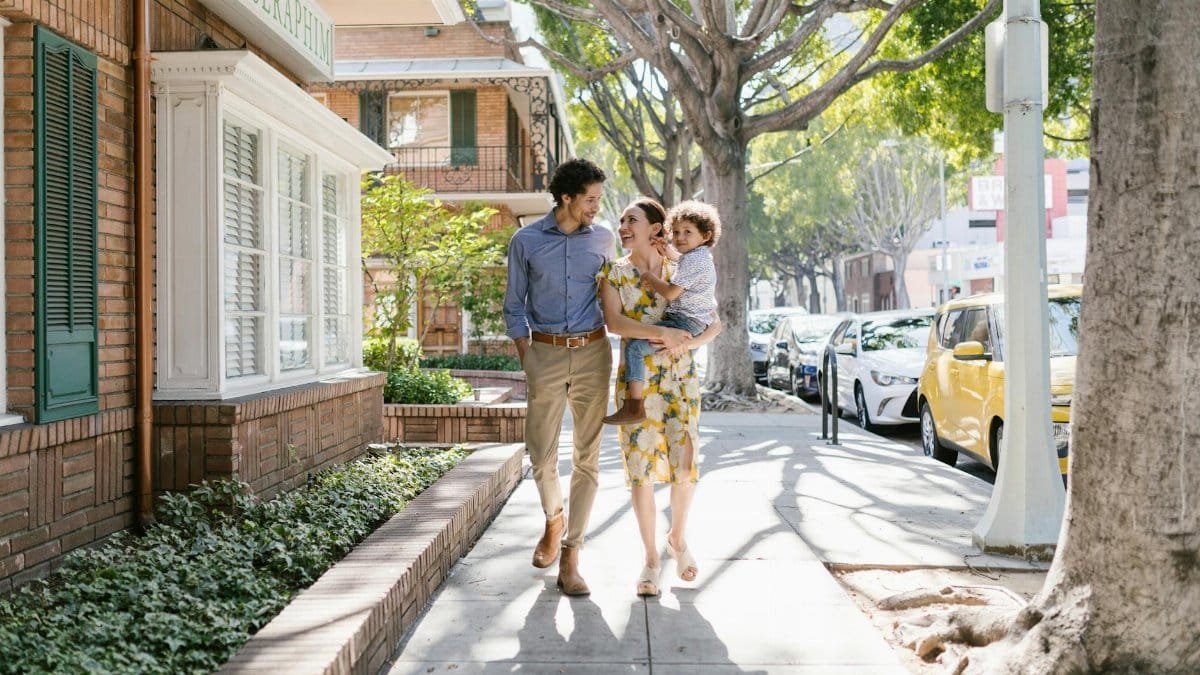
In neighborhoods across suburban America, from the tree-lined streets of Seattle to the quiet cul-de-sacs of Atlanta, a familiar sight has emerged with the fading light. Families step out together after the evening meal, chatting as they walk at an easy pace. This post dinner family stroll, simple and unhurried, marks a quiet rebellion against sedentary evenings glued to screens. Health experts note its rise, fueled by a desire for connection amid busy lives. What was once a casual habit in immigrant enclaves now appeals broadly, offering digestion relief and family closeness without the gym’s intensity. As dinner plates clear, these walks weave health and heart into daily rhythm.
Aid for Better Digestion

Heavy meals often leave stomachs unsettled. A short walk afterward changes that. Doctors recommend it to ease bloating and speed digestion. Gravity helps food move through the gut more efficiently. Studies show even 10 minutes post-meal reduces reflux symptoms.
Consider Maria, a mother of two in Chicago. After pasta nights, she used to battle discomfort. Now, her family circles the block. “It settles everything,” she says. Research backs her up. The National Institutes of Health explains how light activity stimulates stomach muscles without overwhelming the system.
Not all walks suit every body. Those with severe issues consult physicians first. Yet for most, this gentle motion proves a natural remedy, turning potential unease into calm.
Screen-Free Bonding Time
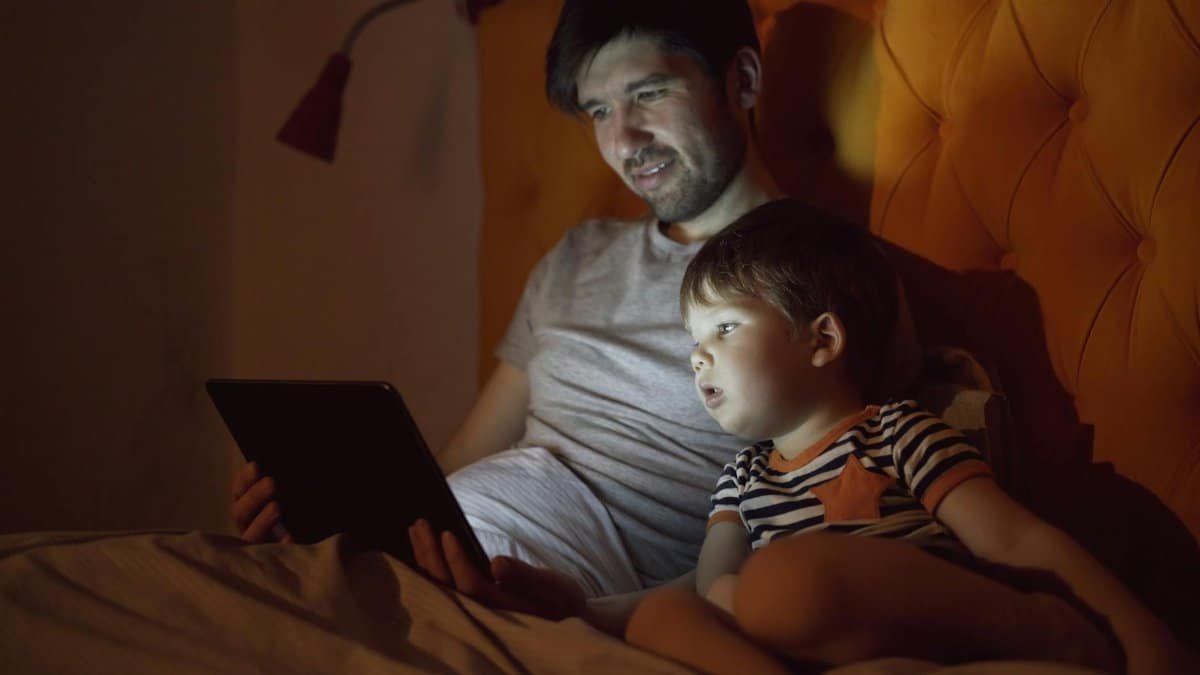
Evenings overflow with devices. Phones buzz. TVs flicker. The post dinner family stroll strips that away. No notifications interrupt laughter or stories shared under streetlights.
One father recalled a recent outing. His teen opened up about school pressures, words that never surfaced at the dinner table. Such moments build trust. Psychologists call it unstructured time, vital for emotional ties.
Families adapt. Some play word games. Others point out stars. The key lies in presence. Distraction-free air fosters deeper talks, strengthening the unit against modern fractures.
Boost to Daily Fitness
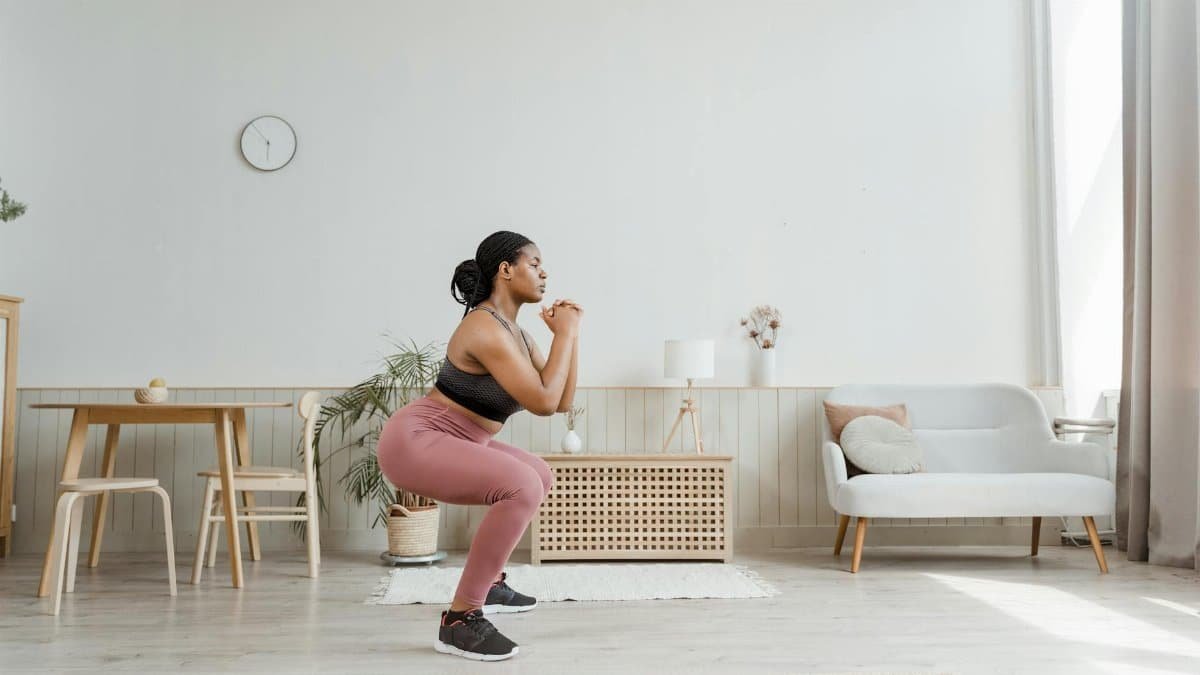
Fitness need not mean marathons. A 15-minute stroll packs benefits. It burns calories, tones legs, improves circulation. The Centers for Disease Control and Prevention urges adults toward 150 minutes of moderate activity weekly. These walks contribute steadily.
Picture a family in Denver, climbing slight hills after tacos. Heart rates rise gently. Lungs expand. Over months, endurance grows. The CDC highlights walking’s role in preventing chronic diseases like diabetes and heart issues.
Variety keeps it fresh. Add stops at parks. Pace quickens for some. Consistency matters most, turning ritual into habit that fits all ages.
Mental Clarity in Motion
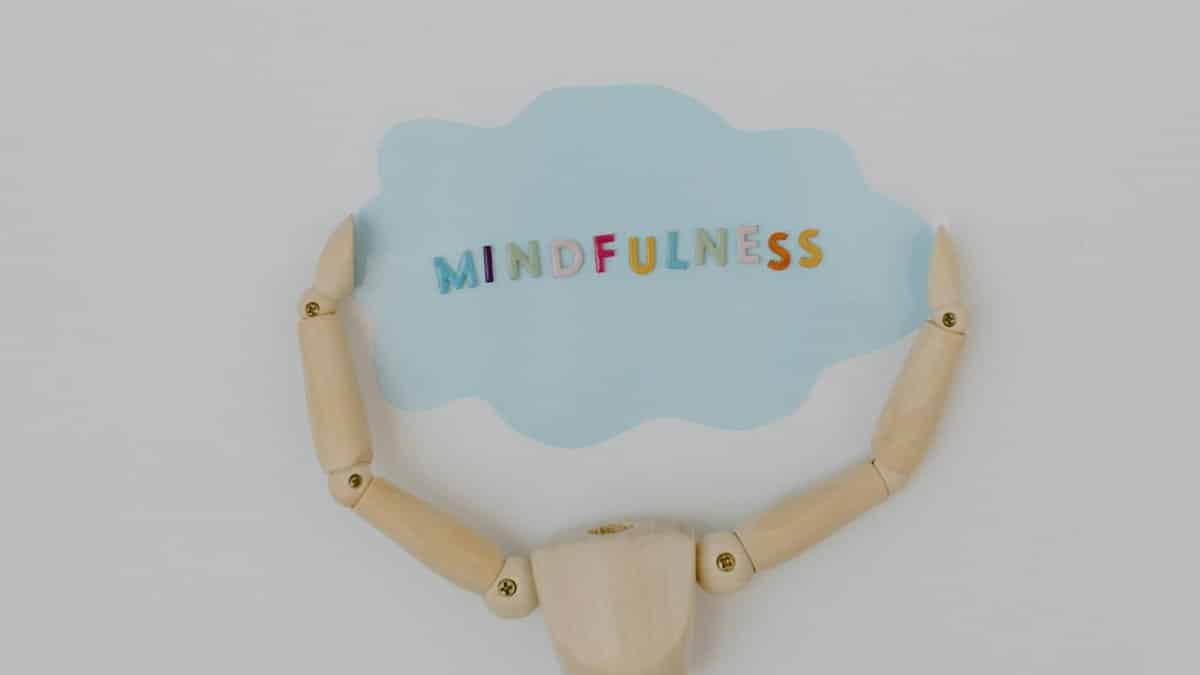
Minds race after dinner. Worries linger. Walking quiets the storm. Endorphins release. Stress fades with each step. Harvard research links regular strolls to lower anxiety and sharper focus.
“It’s my reset button,” shared an anonymous online account from a working parent. Evening air clears fog from the day. Conversations flow naturally, easing tensions built over hours.
Science supports it. The Harvard Health Publishing site details how aerobic exercise enhances brain function, even in short bursts. Families gain collective calm, bedtime smoother as a result.
Building Lasting Habits

Routines stick when shared. Parents model behavior. Kids mimic. What starts as suggestion becomes tradition. Trackers help at first, then fade as joy takes over.
Success stories abound. A Texas clan logs miles weekly, celebrating milestones with ice cream. No pressure. Just progress. The Mayo Clinic advises pairing walks with meals for sustainability. Their guide on walking emphasizes gradual buildup to avoid burnout.
Challenges arise. Weather intervenes. Indoor laps or mall circuits work. Flexibility ensures longevity, health woven into family fabric.
Adaptations for Every Family

Not all strolls look alike. Grandparents join at slower speeds. Toddlers waddle ahead. Pets tag along, doubling fun. Urban dwellers circle blocks. Rural folks wander fields.
A blended family in Miami mixes cultures. Cuban roots inspire paseos, evening constitutionals. They chat in two languages, heritage alive in steps. Tailoring fits lifestyles, inclusivity key.
Special needs? Wheelchairs roll smooth paths. Strollers navigate sidewalks. Everyone moves together, barriers low.
Evening Light and Safety Tips

Dusk brings beauty but caution. Reflective gear glows. Groups stay visible. Apps light paths. Communities install better lamps, responding to demand.
Benefits outweigh risks. Vitamin D lingers from day. Circadian rhythms sync with sunset. Families discuss routes beforehand, turning prep into planning time.
Local reports show safer streets with more walkers. Presence deters trouble. Confidence grows with practice.
Community Ties Strengthened
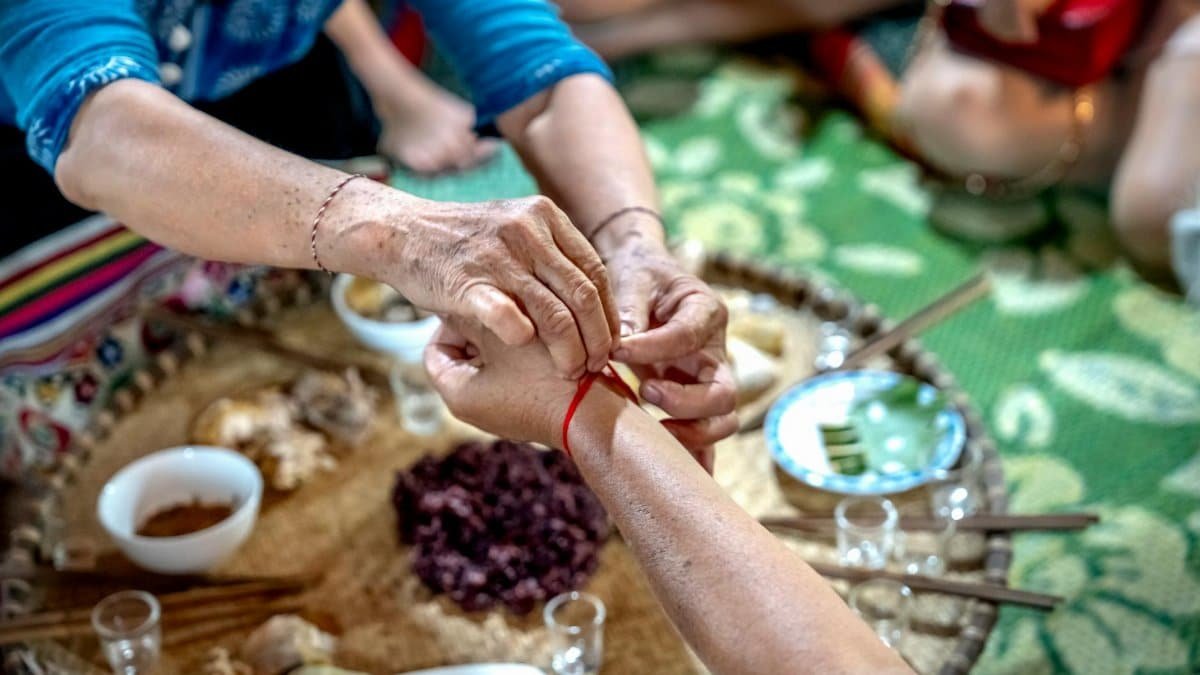
Strolls spill into neighborhoods. Waves exchanged. Chats spark with neighbors. Block parties brew from hellos. Social fabric tightens.
In Portland, one group formed a walking club from post-dinner loops. Recipes swapped. Playdates born. Isolation eases in connected webs.
Bigger picture? Healthier towns emerge. Parks busier. Local shops thrive on foot traffic. Ripple effects extend far.
Expert Voices on the Rise

Pediatricians endorse it. Nutritionists pair with balanced meals. A American Heart Association piece underscores walking’s accessibility, ideal for families.
Dr. Elena Vasquez, a family physician, notes, “It’s low-cost medicine.” Trends show uptake post-pandemic, screens fatigue driving change.
Skeptics question impact. Data silences them. Sustained effort yields results, experts agree.
Long-Term Family Legacy
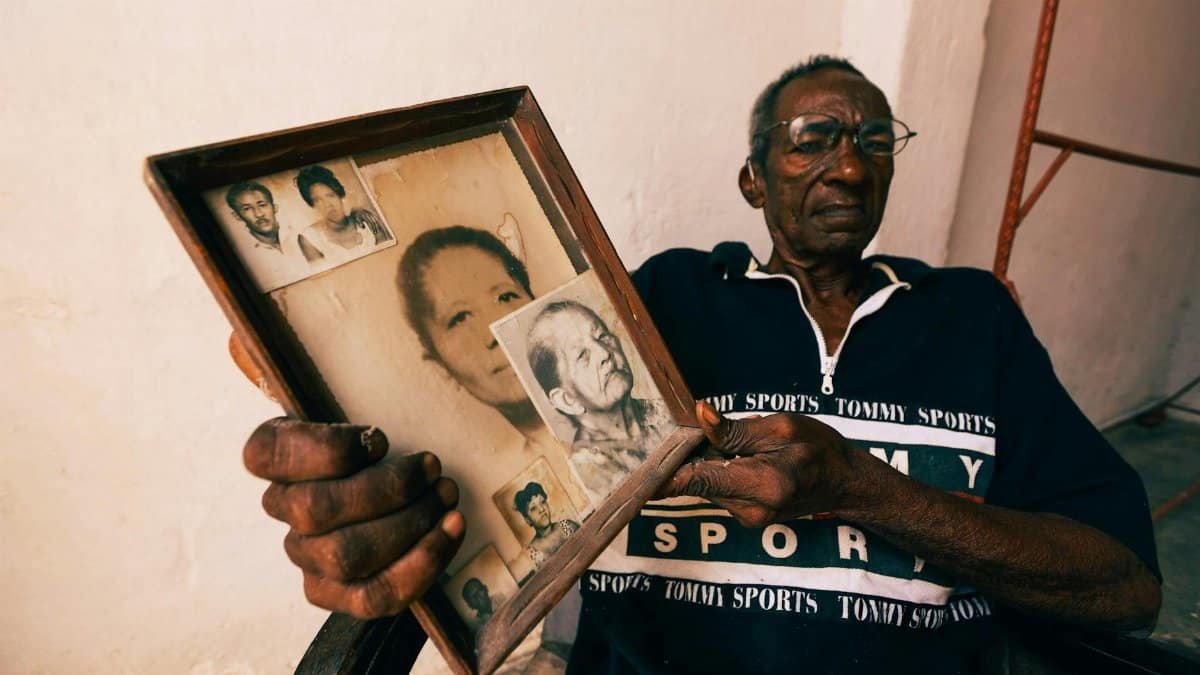
Years pass. Kids grow. Yet memories linger of those walks. Lessons in health. Values in togetherness. Patterns repeat in their homes.
One adult reflected on childhood strolls sparking lifelong fitness. Cycles continue, benefits compounding across generations.
In a divided world, these simple outings unite. Post dinner family strolls remind: small steps lead far. They nourish body, mend spirits, fortify bonds. America walks toward better evenings, one block at a time.

As an education professional with a background in Biology and Physics, Dr. Christoph Weber is the analytical heart of Fulfilled Humans. He ensures every piece of content is insightful and grounded in credible knowledge.
Disclaimer
The content on this post is for informational purposes only. It is not intended as a substitute for professional health or financial advice. Always seek the guidance of a qualified professional with any questions you may have regarding your health or finances. All information is provided by FulfilledHumans.com (a brand of EgoEase LLC) and is not guaranteed to be complete, accurate, or reliable.