
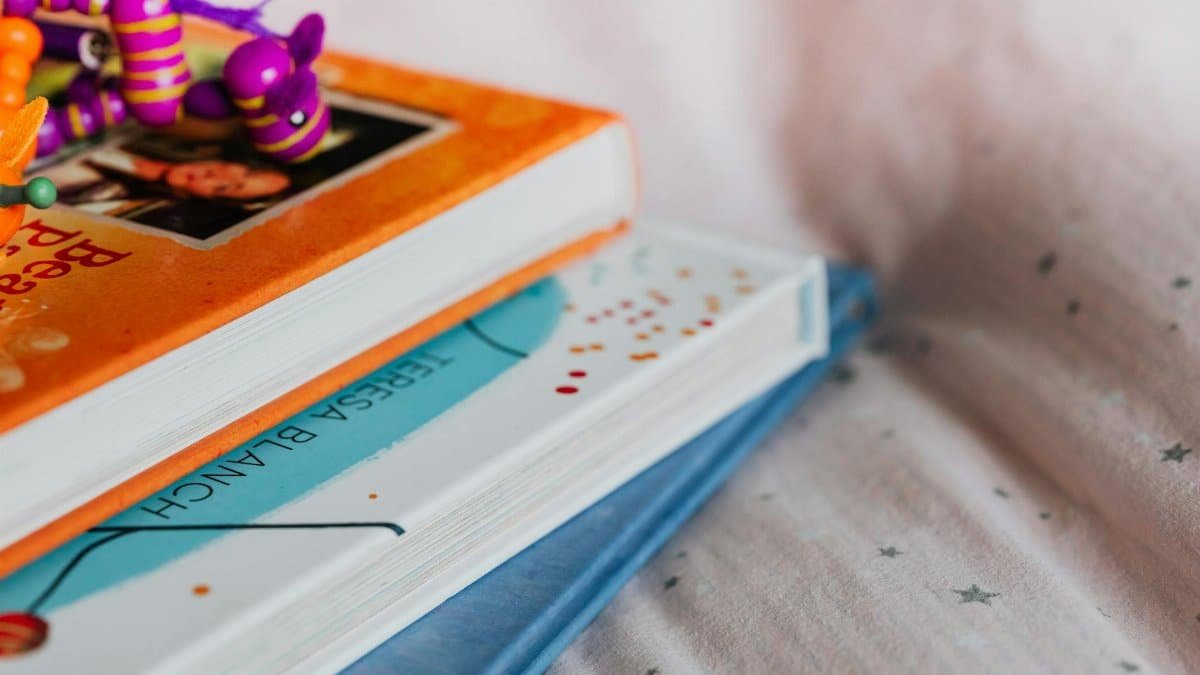
A recent report from the American Academy of Pediatrics highlights a striking reality: children exposed to shared book reading before age 5 develop stronger language skills, with those missing out facing up to a 20 percent vocabulary gap by kindergarten. In pediatric wards across America, where illness steals precious playtime, access to books often falls short. Donating children’s books changes that equation. These simple gifts spark imagination for kids battling fevers or facing surgeries. Hospitals report rising demand as families seek ways to give back amid economic pressures. This quiet act of generosity delivers profound rewards, fostering literacy while easing the isolation of hospital stays. Nurses notice the shift immediately: fidgety patients settle into stories, smiles breaking through worry.
The Unique Role of Books in Pediatric Care
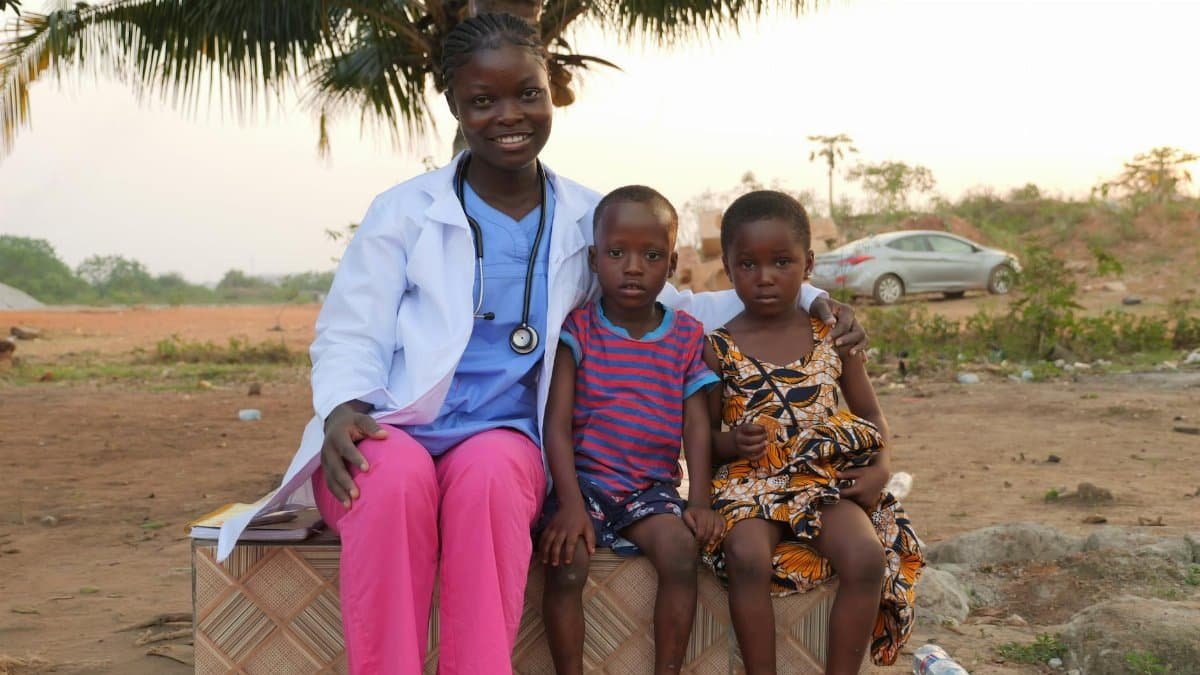
Nurses in bustling hospital wings know the drill. A child wakes groggy from treatment, staring at sterile walls. Hand over a colorful picture book, and eyes light up. Books serve more than entertainment here. They anchor routines disrupted by IV drips and beeping monitors. Pediatric specialists emphasize how stories build resilience. One oncology floor coordinator recalls stacking donated volumes on rolling carts. Patients cycle through them during long infusions, requesting favorites by name. This cycle repeats daily, turning downtime into discovery. Research backs the instinct. Shared reading correlates with better emotional regulation in sick children, per studies from child health experts. Hospitals prioritize donations because new titles keep shelves fresh, matching ages from toddlers to tweens.
Why Children’s Hospitals Face Book Shortages

Budget strains hit pediatric units hard. Federal funding covers treatments, not libraries. Volunteers maintain collections, but turnover devours stock. Germ protocols demand frequent rotations, discarding well-loved but worn pages. A 2022 survey by the Association of Children’s Hospitals noted 40 percent of units ration books during peak seasons. Rural facilities fare worse, shipping costs adding hurdles. Donating children’s books fills these voids efficiently. Drop-offs arrive pristine, vetted for safety. Programs like those at Boston Children’s Hospital thrive on community influxes, sustaining year-round access. Without steady streams, kids default to screens, missing tactile joys of turning pages.
Selecting Age-Appropriate Titles for Impact

Not every book suits a hospital shelf. Infants crave board books with textures; school-age readers prefer adventure series minus scary themes. Donors learn fast. Opt for uplifting tales like “The Very Hungry Caterpillar” or “If You Give a Mouse a Cookie.” Avoid paperbacks prone to tearing. Libraries purge duplicates gladly, guiding selections. One parent, sorting her child’s outgrown stack, focused on diversity: stories featuring varied families and abilities. Hospitals welcome these, reflecting patient demographics. Guidelines from literacy nonprofits stress inclusivity. Check condition rigorously, no highlighting or missing pieces. This curation ensures every donation lands perfectly.
Heartfelt Stories from Hospital Volunteers

Volunteers wheel carts through corridors, pausing at bedsides. “Read me the one about the dragon,” a seven-year-old whispers during chemo. The volunteer obliges, voice steady. These encounters linger. Another recalls a teen sketching characters from donated graphic novels, finding escape from chronic pain. Online forums echo such moments. One anonymous account described dropping off a box and spotting a nurse reading to a premature infant days later, tears welling up. These snippets reveal the ripple. Donating children’s books sparks connections across strangers, knitting community into care. Volunteers report fulfillment rivaling their own parenting highs.
Streamlining the Donation Process

Getting started proves straightforward. Contact your nearest children’s hospital via their community relations page. Many list wish lists online. Schedule drop-offs during business hours, often Tuesdays through Thursdays. Pack securely, label clearly. Some organize drives through schools or workplaces. Nationwide networks like the Children’s Book Bank coordinate bulk shipments. Follow protocols: wash covers, quarantine if possible. A Denver mother rallied neighbors for a monthly event, filling a minivan weekly. Track impact through thank-you notes or annual reports. Efficiency multiplies joy, turning one box into dozens of reads.
Evidence of Reading’s Healing Effects

Science illuminates the magic. The National Institutes of Health documents how storytelling lowers stress hormones in hospitalized youth. Cortisol drops during read-alouds, easing anxiety akin to therapy. A study in the journal Pediatrics, summarized on the AAP Publications page, links book access to improved health literacy later in life. Patients grasp instructions better, aiding recovery. Reach Out and Read data shows pediatric reading programs boost school readiness, with effect sizes mirroring hospital interventions. Donating children’s books invests here, yielding lifelong gains.
Building Community Through Group Drives
Neighborhoods unite around these efforts. PTA groups host book fairs, channeling proceeds to hospitals. Corporate teams assemble post-holiday, clearing shelves meaningfully. Faith communities weave donations into service projects. A Midwest suburb transformed annual cleanouts into hospital hauls, drawing hundreds. Participants bond over sorting, sharing child-rearing tales. Social media amplifies reach, though platforms prioritize verified nonprofits. These collectives sustain supplies, outpacing individual gifts. Hospitals partner eagerly, providing posters and metrics. The byproduct? Stronger local ties, purpose pulsing through everyday routines.
Addressing Myths About Book Donations

Skeptics hesitate. “Hospitals buy new,” some claim. Reality differs; budgets prioritize medicine. Others worry about quality. Most accept gently used, inspecting rigorously. Electronic books tempt, yet studies favor physical interaction for young brains. The CDC underscores early literacy’s tactile roots on their parenting resources page. Donating children’s books dispels doubts through transparency. Hospitals publish guidelines, erasing confusion. One common holdup fades: shipping. Local focus maximizes freshness.
Family Involvement Sparks Generational Giving
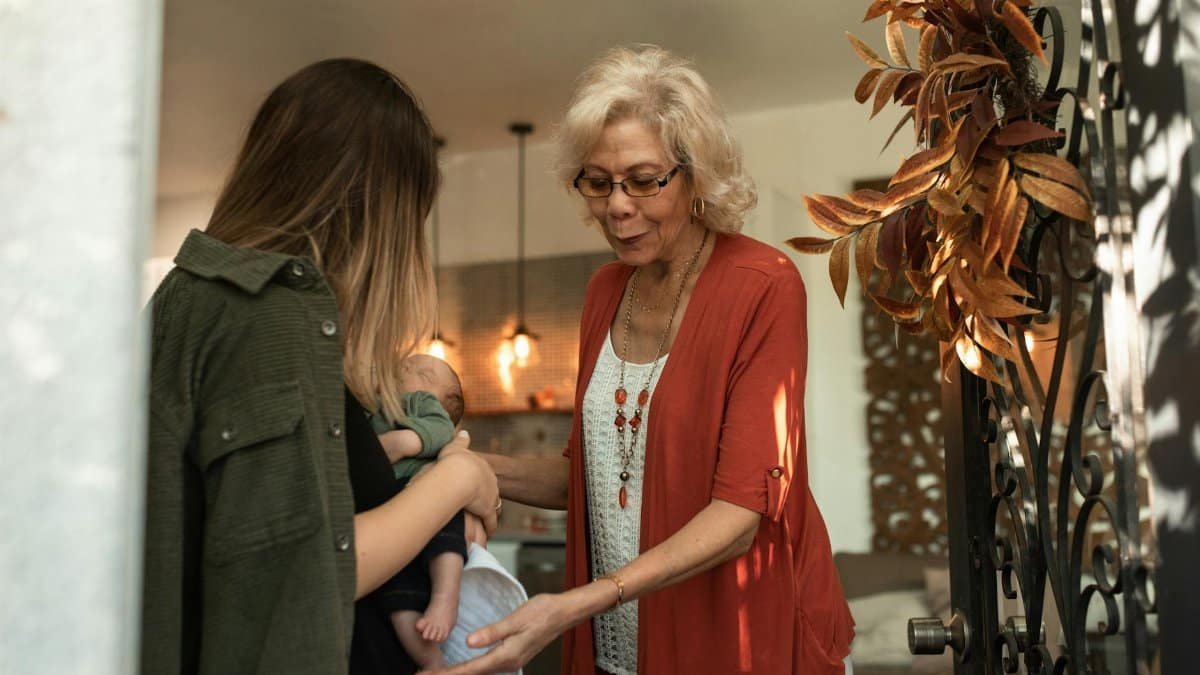
Parents enlist kids in the process. “Pick your favorites to pass on,” they say. Little hands sort, debating merits. This teaches empathy early. A father watched his daughter read to peers post-donation, pride swelling. Extended families join, grandparents culling classics. Schools integrate drives into curricula, tying to literature units. The cycle perpetuates. Children grasp giving’s tangibles, beyond coins in jars. Hospitals host appreciation events, reinforcing lessons. Such involvement embeds donating children’s books as family lore.
Measuring Lasting Community Benefits

Beyond bedsides, effects cascade. Literate kids thrive in schools, easing societal loads. Hospitals report higher patient satisfaction scores with robust libraries. A Pew Research analysis on public libraries notes parallels in child engagement, detailed in their digital services report. Donors witness indirectly: former patients return as volunteers. Economic upsides emerge too. Drives foster local printing or binding jobs. Metrics from programs like First Book quantify reaches, millions of volumes distributed yearly. Joy compounds across scales.
Looking Ahead to Expanded Initiatives
Momentum builds. Telehealth pairs virtual read-alouds with donated physical books. Partnerships with publishers promise steady flows. Federal grants target underserved areas. Hospitals experiment with multilingual stocks, matching immigrant families. Tech tracks usage, optimizing future drops. Donating children’s books evolves, poised for broader embrace. Visionaries predict national networks rivaling food banks. For now, individual acts sustain the core. Each box reaffirms a truth: stories heal, one page at a time. Communities poised to give find purpose renewed.

A certified hypnotherapist, Reiki practitioner, sound healer, and MBCT trainer, Christopher guides our journey into the spiritual dimension, helping you tap into a deeper sense of peace and awareness.
Disclaimer
The content on this post is for informational purposes only. It is not intended as a substitute for professional health or financial advice. Always seek the guidance of a qualified professional with any questions you may have regarding your health or finances. All information is provided by FulfilledHumans.com (a brand of EgoEase LLC) and is not guaranteed to be complete, accurate, or reliable.