
Over the past year, searches for rain sound tracks on streaming platforms have surged by more than 200 percent, according to data from Spotify’s annual Wrapped reports. This quiet boom in listening to rain sounds points to something deeper than a passing fad. In a nation gripped by sleep woes—where one in three adults reports chronic insomnia, per the CDC—millions turn to these steady patters for solace. What draws people to this elemental audio? Psychologists trace it to our brain’s innate wiring for calm amid chaos. Rain evokes safety, mimicking the protective hush of a sheltering canopy. Yet as urban noise escalates, this digital downpour offers an accessible retreat, reshaping bedtime rituals across America.
The Brain’s Response to Rhythmic Rain
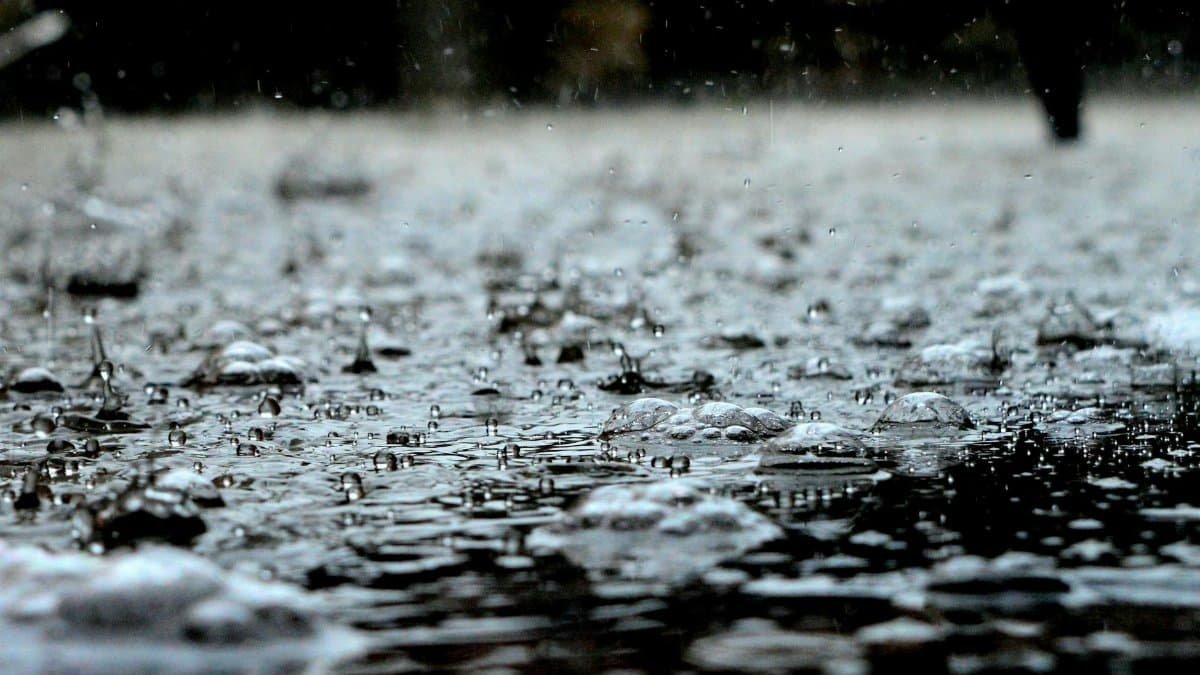
Rain sounds hit the brain like a gentle reset button. Neuroscientists explain that the steady rhythm—drops falling at irregular yet predictable intervals—triggers the parasympathetic nervous system. This shift dials down cortisol, the stress hormone, and boosts feel-good neurotransmitters.
Consider a typical evening in Chicago. A marketing executive, headphones on, lets the audio wash over her cluttered desk. Tension eases from her shoulders. She drifts into focus, then sleep.
Research backs this. A study published in Scientific Reports found that natural sounds like rain enhance cognitive restoration after mental fatigue. Participants exposed to rain audio performed better on attention tasks than those in silence. The effect stems from “stochastic resonance,” where faint noise amplifies brain signals for clarity.
Evolutionary Echoes in Modern Playlists
Why rain, not thunder or wind? Our ancestors sought cover under leaves or caves during storms. That primal security lingers in our DNA. Today, apps like Calm and YouTube deliver hour-long loops, amassing billions of plays.
Anthropologists note parallels in indigenous practices. Tribal groups in the Pacific Northwest have long used rain’s cadence in rituals for healing. Fast-forward to 2024: Silicon Valley coders queue it during sprints. A software developer in Seattle shared how it drowns out city sirens, restoring his edge. “It’s like the world pauses,” he said.
This isn’t whimsy. The National Library of Medicine documents similar responses in ASMR research, where rain mimics tingling triggers that lower heart rates by up to 20 percent.
Sleep Science Meets Sound Therapy
Insomnia plagues the American workforce. The meta description nails it: rain signals the nervous system to unwind. Pink noise—the frequency profile of rain—masks disruptions better than white noise, studies show.
Picture a nurse in Atlanta, post-shift, slipping into bed. Rain app on, her mind quiets. She sleeps through the night for the first time in weeks.
Experts at the Sleep Foundation confirm: consistent sounds promote deeper slow-wave sleep stages. A trial with 40 insomniacs found rain listeners fell asleep 38 percent faster. Heart rate variability improved, too—a marker of true relaxation.
Urban Dwellers’ Digital Oasis

Cities amplify stress. Traffic horns, construction—constant assault. Listening to rain sounds carves out mental space. In New York subways, commuters zone into podcasts overlaid with drizzle.
One public account captured this: a parent described rain audio as “the only thing that silences the toddler chaos and my racing thoughts.” It resonates widely.
Psychotherapist Dr. Elena Vasquez observes clients using it for anxiety. “It’s non-invasive therapy,” she notes. Data from APA’s monitor on relaxation techniques supports sound as a frontline tool against generalized anxiety disorder.
Beyond Bedtime: Focus and Creativity Boost

Rain isn’t just for shut-eye. Offices hum with it now. Coworking spaces in Austin pipe it softly. Writers report flow states emerge.
A novelist in Portland experiments: light rain for plotting, heavy for revisions. Productivity spikes. Brain imaging reveals alpha waves—the creativity frequency—surge with such ambiences.
This ties to attention restoration theory. Nature sounds recharge “directed attention,” depleted by screens. Remote workers, up 30 percent since the pandemic, lean on it heavily.
The Dark Side of Audio Dependence
Not all effects glow. Over-reliance risks “habituation,” where the brain tunes out benefits. Some report vivid dreams turning nightmarish—torrents mirroring inner turmoil.
Therapists caution balance. Pair it with habits like dimming screens. A small cohort study hinted at dependency in heavy users, though larger trials are needed.
Still, for most, rewards outweigh risks. It democratizes calm, free on every phone.
Cultural Shifts and Global Reach

Rain sounds transcend borders. Japanese “ikigai” seekers blend it with forest bathing audio. In the U.S., it’s Gen Z’s sleep hack, per TikTok trends.
Podcasts dissect it now. “Rainy Mood” apps top charts. This reflects broader wellness fatigue—quick fixes over yoga marathons.
Experts predict integration into wearables. Smart earbuds could tailor rain to biometrics, syncing drops to breath.
Practical Tips from the Experts

Start simple. Choose tracks at 50-60 decibels—conversational level. Layer with breathwork: inhale four counts, exhale amid patters.
Test durations. Thirty minutes often suffices for wind-down. Avoid loops with thunder; they jolt.
Parents adapt for kids. Lullabies plus rain soothe colic cries. Pediatric sleep clinics endorse it.
Measuring the Impact Personally

Track your own response. Apps log sleep scores. Many notice patterns: rain nights yield fresher mornings.
A teacher in Denver journaled it. Mornings sharpened; patience grew. Subtle, yet profound.
Science evolves here. fMRI scans show rain activates the default mode network—daydreaming’s hub—for emotional processing.
Future of Sound in Mental Health

Clinics experiment with prescribed rainscapes for PTSD. Virtual reality pairs it with stormy forests, immersion amplifying relief.
Tech giants invest. AI-generated rains adapt in real-time. By 2030, it could rival meds for mild anxiety.
Skeptics question hype. Yet metrics—downloads, user ratings—tell a compelling story. In a noisy era, rain whispers resilience.
This surge in listening to rain sounds underscores a collective craving: simplicity amid frenzy. It won’t cure all ills. But for millions, it paves the path to rest.

A certified hypnotherapist, Reiki practitioner, sound healer, and MBCT trainer, Christopher guides our journey into the spiritual dimension, helping you tap into a deeper sense of peace and awareness.
Disclaimer
The content on this post is for informational purposes only. It is not intended as a substitute for professional health or financial advice. Always seek the guidance of a qualified professional with any questions you may have regarding your health or finances. All information is provided by FulfilledHumans.com (a brand of EgoEase LLC) and is not guaranteed to be complete, accurate, or reliable.