

A study from the University of Bristol found that employees who took short lunchtime walks returned to work 20 percent more enthusiastic and relaxed. That’s the power of lunchtime walk benefits kicking in during the workday grind. As offices reopen and hybrid schedules dominate, more Americans are ditching desks for daylight strolls. These quick jaunts aren’t just breaks—they sharpen focus, torch calories, and fend off the afternoon slump. Experts say integrating them could transform productivity nationwide.
Energy Surge Without the Caffeine Crash

A midday walk revs up your metabolism and floods the body with endorphins. Forget the post-lunch fog; participants in a Japanese study reported sustained energy through the afternoon after just 10 minutes outdoors. Blood flow improves, oxygen reaches the brain faster, and you sidestep that sugar dip from vending machine snacks. Office workers in New York trials noted fewer yawns and sharper alertness by 2 p.m.
Sharper Focus and Creativity Boost

Stepping away clears mental cobwebs. Research from Stanford University shows walking sparks creative thinking, with idea generation jumping 60 percent during strolls versus sitting. For desk-bound pros, this means tackling complex tasks post-walk with renewed vigor. A Stanford study confirms nature walks amplify this effect, making lunchtime ideal for problem-solving breakthroughs.
Stress Buster for High-Pressure Days

Cortisol levels plummet with fresh air and movement. A UK trial tracked 100 workers; those walking at lunch saw anxiety drop 15 percent by day’s end. In the U.S., where burnout hits record highs, this simple habit acts as free therapy. HR managers report fewer sick days among walkers, linking it to better mood regulation and resilience against deadlines.
Digestion Aid and Bloat Prevention

Heavy lunches lead to sluggish afternoons, but a gentle walk jump-starts digestion. Gastroenterologists recommend 5-10 minutes post-meal to reduce bloating and reflux. Mayo Clinic experts note it enhances gut motility, preventing that uncomfortable fullness. Remote workers experimenting with neighborhood loops rave about flatter stomachs and lighter steps back to video calls.
Weight Control in a Sedentary World
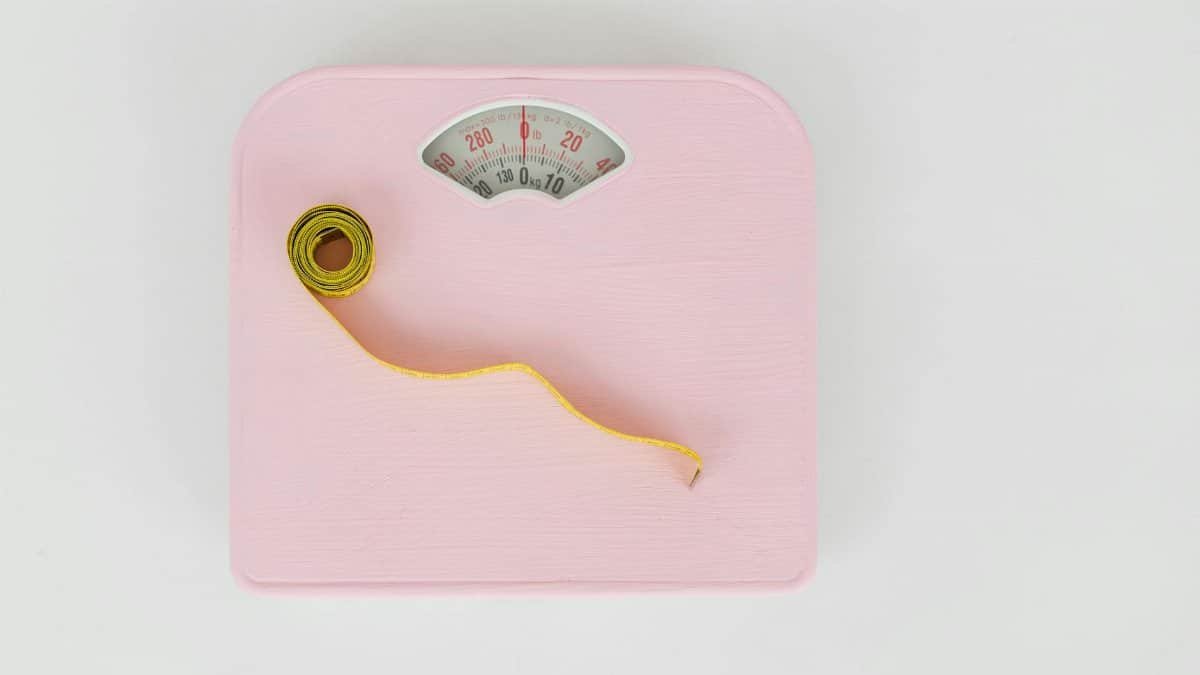
America’s obesity rates climb, but lunchtime walks pack a punch. The average person burns 50-100 calories in 15 minutes, adding up to pounds shed yearly. Combined with desk jobs, this habit counters snacking urges. A Mayo Clinic analysis highlights consistent walking’s role in maintaining healthy BMI without gym memberships.
Mental Health Lift Amid Burnout Epidemic
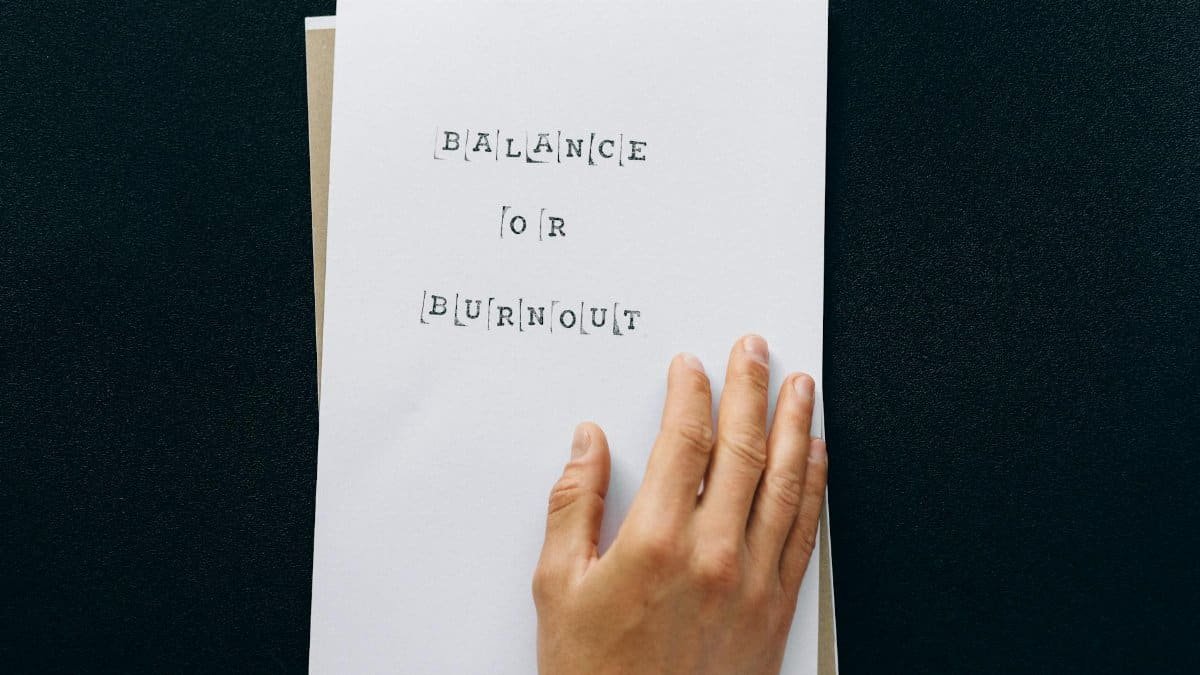
Depression and anxiety spike in winter months, but daylight walks deliver vitamin D and serotonin hits. Harvard researchers link regular midday exercise to lower depression risk. For urban dwellers, even city blocks count—podcasts optional, but sunlight mandatory. Therapists now prescribe them alongside meds for faster mood stabilization.
Social Perks and Team Building

Grab a colleague, and walks double as networking. Chicago firms mandate “walk meetings,” fostering bonds sans conference rooms. Introverts find low-pressure chats flow easier outdoors. Surveys show teams with walk breaks report 25 percent higher collaboration scores, turning solo habits into group wins.
Easy Integration for Busy Schedules

No gear needed—just shoes and 10 minutes. Park farther, circle the block, or pace parking lots. Apps track steps, but intuition works. Nutritionists pair them with balanced lunches for max effect. Even rainy days? Treadmills or indoor laps suffice. The barrier is mindset, not time.
Science-Backed Long-Term Gains

Beyond immediate perks, consistency builds heart health and immunity. A meta-analysis in the British Journal of Sports Medicine ties daily walks to 30 percent lower cardiovascular risk. Immunity boosts mean fewer colds, vital in flu season. Trackers like Fitbit data from millions confirm lunchtime slots yield the highest adherence rates.
Health pros urge starting small: five minutes today, build from there. Lunchtime walk benefits extend far beyond the clock—proving small steps yield giant leaps in well-being and output.

As an education professional with a background in Biology and Physics, Dr. Christoph Weber is the analytical heart of Fulfilled Humans. He ensures every piece of content is insightful and grounded in credible knowledge.
Disclaimer
The content on this post is for informational purposes only. It is not intended as a substitute for professional health or financial advice. Always seek the guidance of a qualified professional with any questions you may have regarding your health or finances. All information is provided by FulfilledHumans.com (a brand of EgoEase LLC) and is not guaranteed to be complete, accurate, or reliable.