

Sarah adjusted her budget for the third time that month, eyeing the group chat where plans for a weekend getaway bubbled up. Her old college roommate, now a tech executive, suggested a luxury cabin in the Rockies. Sarah hesitated. “Sounds amazing,” she typed, then deleted it. Their friendship, forged over late-night ramen, now teetered on invisible salary lines. One recent anonymous account captured this drift perfectly: “Career changes pulled us apart faster than distance ever could. She changed jobs, her life exploded with opportunity, and suddenly our shared world felt like a relic.” These stories echo across kitchens and coffee shops in 2026, where friendship career changes—those quiet shifts when diverging careers redraw relational maps—test bonds once thought unbreakable. As economic ladders grow steeper, friends grapple with envy, resentment, or simple irrelevance.
The Uneven Climb: Why Careers Diverge So Sharply

Careers rarely progress in tandem. One friend lands a promotion into six figures; another pivots to a passion project paying half. Data underscores this split. The Pew Research Center notes that Americans increasingly report fewer close friendships, with socioeconomic factors playing a hidden role. In cities like Austin or Denver, booming sectors lure some into wealth while others cling to shrinking industries.
Consider Mike and Elena, high school pals from Ohio. Mike stayed local, teaching history. Elena chased venture capital in San Francisco. Five years in, her texts brimmed with startup triumphs; his replies grew sparse. “It’s not jealousy exactly,” Mike shared over a rare beer. “It’s realizing our realities no longer overlap.” Such divergences accelerate with midlife shifts—layoffs, reskilling, or bold leaps into gig economies. Economists point to wage polarization, where top earners pull away dramatically.
Spotting the First Cracks in Shared Foundations

Subtle signs emerge before the fracture. Invites dwindle. Conversations skew one-sided: tales of lavish vacations versus quiet evenings in. One friend skips the birthday dinner, citing “travel fatigue” from a new corporate gig. The other feels the sting of exclusion.
Psychologists describe this as “lifestyle drift.” A landmark study from the Harvard Grant Study, tracking lives over decades, reveals that relational strains from status mismatches erode well-being. Friends notice unequal contributions—always the cheaper bar tab, or dodging high-end outings. Resentment brews quietly. “We stopped talking money, but it talked for us,” recalled a Midwestern accountant whose buddy became a consultant.
Money Talks: Broaching the Salary Elephant

Direct dialogue feels risky, yet it’s essential. Start small. “Hey, I’ve been thinking about how our lives have changed since your big move.” Avoid accusations; frame it as curiosity. Experts recommend neutrality: share your feelings without tallying paychecks.
Therapists like those at the American Psychological Association advise scripting vulnerability. “I miss our old hangs, but everything feels pricey now.” Responses vary. Some friends adjust, proposing potlucks over steakhouses. Others bristle, interpreting it as bitterness. Timing matters—catch it early, before silence solidifies.
Reinventing Rituals for New Realities

Friendships endure through adaptation. Swap rooftop bars for park walks. Host game nights with store-bought snacks. Focus on free joys: long calls dissecting podcasts, or volunteering side by side. These low-stakes anchors rebuild intimacy.
In one vivid example, a New York duo—one a barista, the other a lawyer—started “gratitude swaps.” Each week, they traded stories of wins, big or small, bypassing bank statements. Laughter returned. Data from the CDC’s Health-Related Quality of Life program links such sustained ties to lower stress, regardless of income chasms.
Navigating Envy and the Green-Eyed Shadow

Envy creeps in uninvited. Your friend’s promotion parade on social media stings amid your own stagnation. Acknowledge it. Journal the twinge, then pivot to pride. “Thrilled for you,” post genuinely, even if it pinches.
Cognitive reframing helps. View their success as inspiration, not indictment. Midlife career changes amplify this—perhaps you’re next. Studies show envy fades when friends celebrate mutual growth. One woman, pivoting from marketing to nursing, found her affluent pal’s encouragement pivotal. “She didn’t gloat; she cheered my hustle.”
Supporting the Leap Without Losing Yourself

When a friend undergoes a career change, rally authentically. Offer résumé tweaks or mock interviews, not loans. Celebrate milestones with homemade cards. Boundaries protect: decline guilt over mismatched gifts.
True support means space. Let them chase dreams without tethering to old norms. Reciprocity shifts too—perhaps they mentor your side hustle. This reciprocity fortifies against drift.
The Breaking Point: Knowing When Paths Part

Not all bonds weather the storm. Toxicity brews if one weaponizes wealth—subtle boasts or pitying glances. Or if silence dominates. Assess: Does effort feel one-way? Joy absent?
Graceful exits preserve dignity. “Life’s pulling us different ways; grateful for the years.” Many report relief post-fade, freeing energy for aligned connections. In 2026’s fluid job market, serial friendships normalize.
Lessons from Lifelong Survivors

Veteran pairs offer blueprints. Decades-strong allies from Chicago emphasize humor. “We joke about my yacht dreams,” laughs the teacher; her CEO friend chuckles. Regular check-ins normalize gaps.
Another tactic: shared goals transcending salary. Joint fitness challenges or book clubs level the field. Research affirms diverse networks enrich lives, buffering inequality’s bite.
Building Resilience in a Polarized Economy
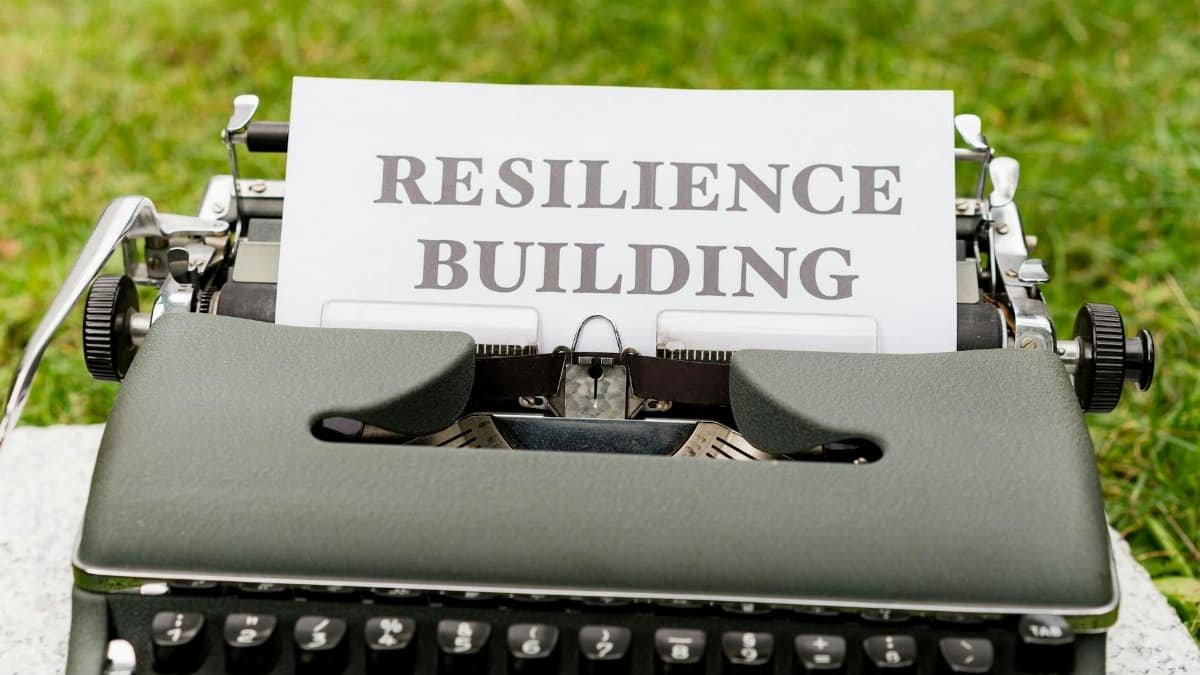
Broader forces fuel these rifts. U.S. income inequality widens, per Bureau of Labor Statistics trends, with tech and finance soaring while service jobs lag. Friendships mirror this.
Cultivate diverse circles early—mix earners, ages, paths. Apps for platonic meetups gain traction, countering silos. Ultimately, friendship career changes test depth. Those rooted in character, not circumstance, prevail.
Sarah finally spoke up in that group chat. “Cabin’s out for me budget-wise—rain check for hiking instead?” Relief washed over replies. Their circle adapted, proving bonds bend before they break. In an era of stark divides, such flexibility defines enduring ties.

Natasha is the heart of our exploration into conscious connection. Applying principles from multiple counseling courses in her own life, she guides you to cultivate stronger, more joyful bonds.
Disclaimer
The content on this post is for informational purposes only. It is not intended as a substitute for professional health or financial advice. Always seek the guidance of a qualified professional with any questions you may have regarding your health or finances. All information is provided by FulfilledHumans.com (a brand of EgoEase LLC) and is not guaranteed to be complete, accurate, or reliable.