
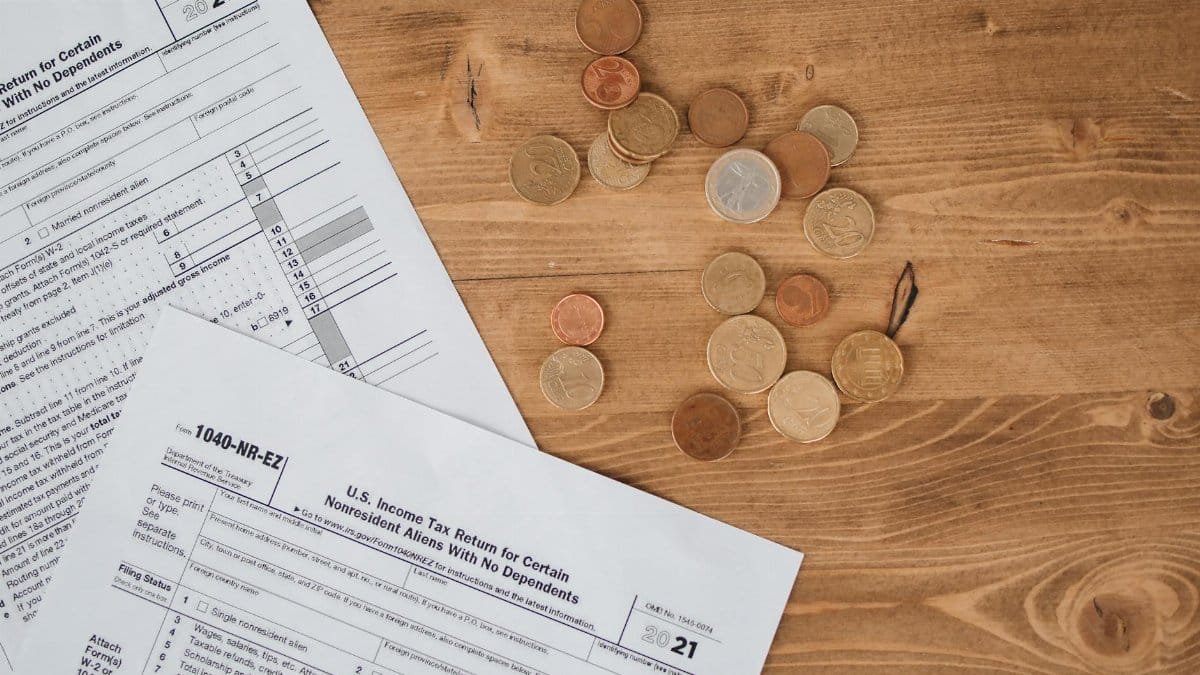
A recent Treasury Department analysis showed that in 2024, the top 1% of earners shelled out more than $400 billion in federal taxes on investment income alone. That’s a staggering sum, often eroded by overlooked inefficiencies in how portfolios are managed. Enter tax efficient investing: a set of sophisticated tactics designed to preserve wealth legally by minimizing the tax bite on gains, dividends, and sales. For high earners—those pulling in $500,000 or more annually—these strategies aren’t luxuries. They’re necessities in an era of volatile markets and sticky tax brackets. As brackets climb and rules evolve into 2026, savvy investors are rethinking old habits, turning potential liabilities into lasting advantages. The question lingers: why leave money on the table when structured approaches can reclaim it?
Why High Earners Face Unique Tax Pressures

High earners navigate a fiscal landscape rigged against them. Ordinary income taxes top out at 37% federally, but add state levies, and the effective rate soars past 50% in places like California or New York. Investment income compounds the pain. Long-term capital gains hit 20% for top brackets, plus a 3.8% net investment income tax. Short-term gains? Taxed as ordinary income. Portfolios bleed value annually from this drag, sometimes 2% or more in hidden costs.
Consider a software executive in Silicon Valley, portfolio swelling past $5 million. A market rally triggers realizations; taxes devour 40% of profits. Without intervention, wealth stalls. Tax efficient investing flips this script. It prioritizes asset location—holding tax-inefficient holdings like bonds in retirement accounts, growth stocks in taxable ones. Data from Vanguard underscores the gap: optimized portfolios outperform peers by 0.75% to 1.5% annually after taxes, a boon over decades.Vanguard’s tax efficiency research lays bare the math.
Yet tension arises. Markets don’t wait for perfect timing. High earners juggle liquidity needs against deferral urges. One overlooked dynamic: phaseouts. Deductions vanish above $500,000 adjusted gross income, amplifying every dollar’s tax cost.
Tax-Loss Harvesting: Turning Setbacks into Savings

Markets dip. Everyone sells low sometimes. But for high earners, those losses become gold. Tax-loss harvesting systematically sells losers to offset gains, capping net taxable income at $3,000 annually against ordinary income. Carry forward excess indefinitely.
Picture a hedge fund manager mid-year. Tech stocks crater 15%. She pairs sales with winners elsewhere, neutralizing $200,000 in gains. No net tax hit. Algorithms now automate this—robo-advisors scan daily. Fidelity reports users boost after-tax returns by 1% yearly.Fidelity’s whitepaper on the strategy details real-world lifts.
Caution tempers enthusiasm. Wash-sale rules block repurchases within 30 days. High earners sidestep by swapping similar ETFs—say, dumping VTI for VOO. In 2026, with volatility from AI shifts and rates, harvesting windows multiply. One forum post captured the rush: a trader described snagging $150,000 in offsets during a brief correction, “like finding cash in the attic.”
Municipal Bonds: The Tax-Free Haven
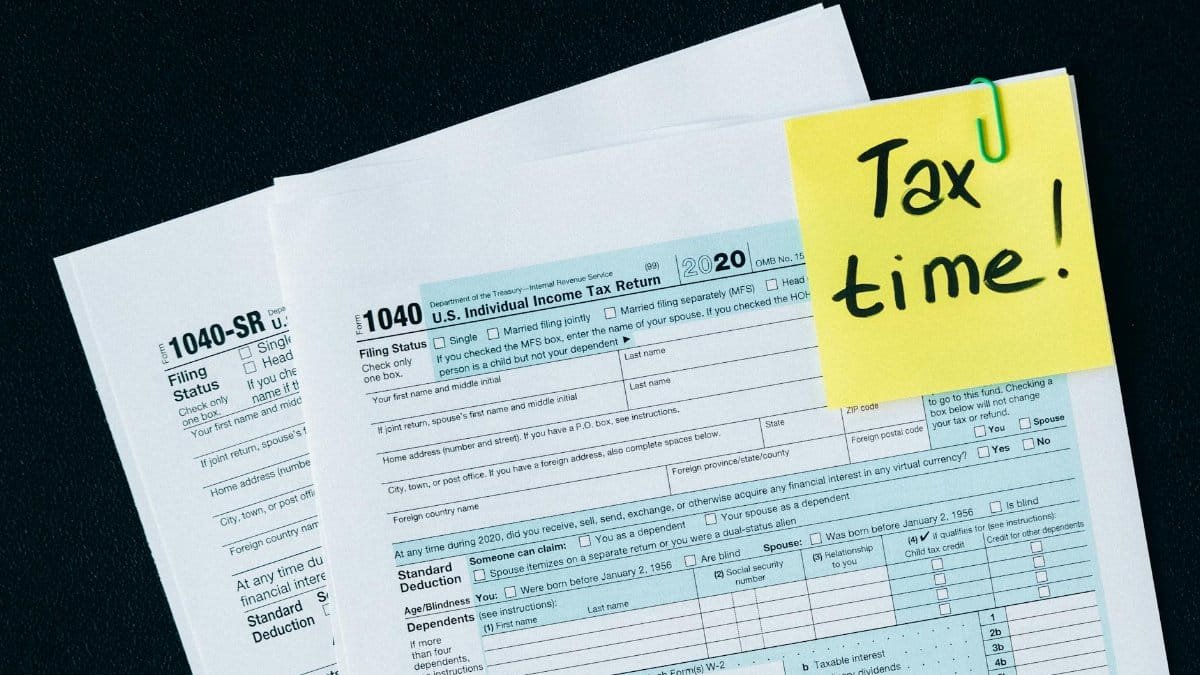
Municipal bonds shine for high earners. Issued by states and cities, interest evades federal tax—and often state tax for residents. Yields hover near 4% in 2026, competitive post-rate cuts, with zero federal drag.
A New York surgeon allocates 20% of her taxable portfolio here. That $1 million in munis yields $40,000 tax-free. Equivalent taxable bond? Needs 6.7% yield at her 40% marginal rate. Demand surges; inflows hit $100 billion last year per Bloomberg data.
Layers add depth. Build America Bonds offer taxable interest but federal credits. High earners ladder maturities—short for liquidity, long for yield. Risks lurk: credit defaults rare but real, like Detroit’s saga. Still,IRS Publication 550 on investment income affirms their bedrock status. Pair with total return focus; sell for gains if needed, harvesting losses elsewhere.
Roth Conversions: The Long Game

Traditional IRAs defer taxes—until withdrawal. High earners hit required distributions at 73, pushing brackets skyward. Roth conversions swap pre-tax for post-tax funds, paying now at potentially lower rates for tax-free growth forever.
Timing matters. A 55-year-old CEO converts $100,000 yearly over a decade, filling lower brackets post-retirement. Projections show 30% savings versus lump-sum later. Medicare premiums spike on income, so cap conversions wisely.
2026 brings nuance: TCJA sunsets loom, possibly hiking rates. Convert aggressively now? Debates rage among planners. One client anecdote: a banker filled the 24% bracket annually, dodging future 37%.IRS guidance on distributions spells rules clearly. Backdoor Roths suit the ultra-high, converting non-deductible contributions.
Opportunity Zones: Redeeming Risk for Relief

Launched in 2017, Opportunity Zones defer capital gains by reinvesting in designated distressed areas. High earners roll gains into funds; taxes defer until 2026, with 10% basis step-up if held five years, full exclusion on new gains after 10.
Venture capitalist eyes $2 million crypto gain. Invests in OZ real estate fund. Defers tax; new appreciation tax-free. Yields vary wildly—some 15%, others flop. Scrutiny grows; IRS audits ramped 2025.
Success stories emerge: funds in Atlanta revitalized blocks, returning 12% net. Due diligence key—vet sponsors.IRS Opportunity Zones FAQs demystify. For 2026, extensions eyed amid bipartisan support.
Direct Indexing: Tailored Precision

ETFs democratized indexing, but taxes blunt returns. Direct indexing buys individual S&P 500 stocks, enabling hyper-personalized harvesting and customization. Firms like Parametric manage billions this way.
High earner with $10 million taxable account? Harvest losses daily across 500 names, plus tilt toward low-dividend growth. After-tax alpha: 1.2% per Morningstar. Exclude sin stocks for values; overweight munis.
Cost dropped; minimums now $5 million. A wealth manager shared: client customized for ESG, harvested $300,000 losses yearly. Integrates seamlessly with munis, Roths.
Donor-Advised Funds: Giving Smart

Charity meets efficiency. Donor-advised funds (DAFs) let high earners bunch deductions. Donate appreciated stock—avoid capital gains, deduct fair market value.
Tech founder gifts $1 million in stock, up 200%. Zero gain tax; $1 million deduction at 37% rate saves $370,000. Grant later. Fidelity Charitable handled $11 billion in 2024.
Bunching amplifies: five years’ gifts at once tops itemized thresholds. 2026 caps loom? Accelerate. Feels purposeful—funds support causes immediately, donor controls pace.
Qualified Small Business Stock: The Entrepreneur’s Edge

Section 1202 excludes 100% of gains on qualified small business stock (QSBS) held five years, up to $10 million or 10x basis. Founders, early investors cash in tax-free.
Startup CEO sells for $50 million; $10 million gain vanishes. Cumulative, powerful. Eligibility strict—C corps under $50 million assets at issuance.IRS Topic on capital gains covers basics.
2026 valuations boom; more qualify. Pair with 83(b) elections for founders.
Real Estate: 1031 Exchanges and Beyond

Property flips trigger gains. 1031 exchanges defer via like-kind swaps—no limit. High earner trades rental for apartment complex; basis carries over.
Deadlines tight: identify in 45 days, close 180. Delaware Statutory Trusts ease for non-managers. Depreciation recaptures lurk, but deferral compounds.
Cost seg studies accelerate write-offs. In 2026, inflation erodes basis; exchange preserves.
Trusts and Estate Layers

Ultimate shield: irrevocable trusts. Grantor retained annuity trusts (GRATs) front-load gifts, freezing estate values. High earner transfers stock; survives term, kids get appreciation tax-free.
Intentionally defective grantor trusts (IDGTs) sell assets in. Estate taxes hit 40% over $13.61 million in 2026; bypass entirely.
Planners weave with life insurance. Complex, yet transformative—one family sheltered $20 million seamlessly.
Tax efficient investing demands vigilance. Markets shift; rules tweak. High earners thrive by layering these—harvesting atop munis, conversions fueling Roths. Consult pros; penalties sting. Wealth preserved compounds quietly, securing legacies amid uncertainty.

With a career spanning investment banking to private equity, Dominik brings a rare perspective on wealth. He explores how money can be a tool for personal freedom and positive impact, offering strategies for abundance that align with your values.
Disclaimer
The content on this post is for informational purposes only. It is not intended as a substitute for professional health or financial advice. Always seek the guidance of a qualified professional with any questions you may have regarding your health or finances. All information is provided by FulfilledHumans.com (a brand of EgoEase LLC) and is not guaranteed to be complete, accurate, or reliable.