
In the quiet hum of a bustling yoga studio in Seattle, participants closed their eyes and followed a simple rhythm: breathe in for five counts, hold, exhale for five. Monitors nearby traced their heart rates into smooth waves, a sign of something profound. Heart coherence, the synchronized dance between heart and brain, was unfolding. A 2023 study from the HeartMath Institute found that just 10 minutes of this practice daily boosted heart rate variability by 23 percent on average, signaling reduced stress and sharper focus. For millions navigating 2026’s relentless pace—remote work deadlines, family strains, global anxieties—this heart coherence guide offers more than calm. It’s a bridge to resilience, backed by neuroscience showing how breath tunes the body’s orchestra.
Unpacking Heart Coherence

Heart coherence happens when the heart’s rhythm aligns in a steady, wave-like pattern. This isn’t woo-woo; it’s measurable through heart rate variability, or HRV, the beat-to-beat changes in your pulse. High HRV means flexibility; low signals stress. Researchers at the University of California, San Diego, have linked it to vagus nerve activity, the body’s main stress regulator. Picture a sales manager in Chicago, pulse racing before a pitch. She pauses, breathes deeply. Her HRV climbs, anxiety fades. The HeartMath Institute defines coherence as that optimal state where heart, brain, and nervous system sync up. It’s not constant meditation. Quick shifts suffice.
Experts emphasize emotions play a role. Positive feelings like gratitude amplify the effect, while frustration disrupts it. A HeartMath overview details how this synchronization quiets the amygdala, the brain’s fear center. In everyday terms, it’s your internal thermostat resetting amid chaos.
The Heart-Brain Connection
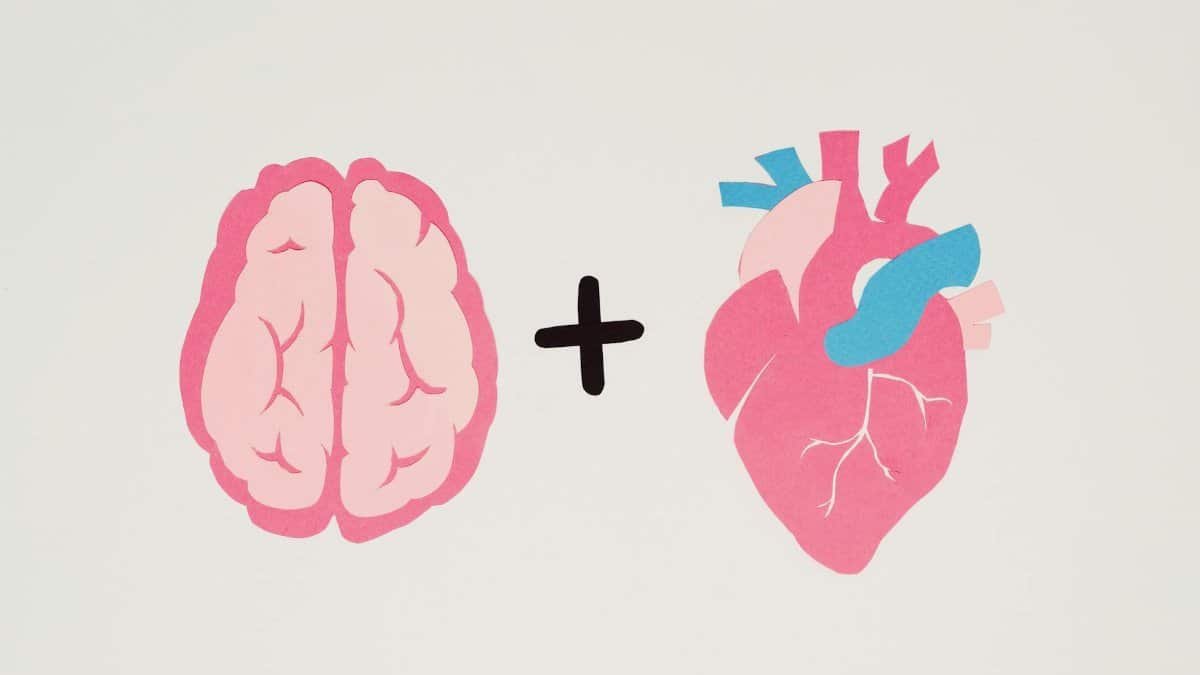
Your heart sends more signals to the brain than vice versa—up to 90 percent, per emerging research. This bidirectional highway influences mood, decisions, even immunity. When incoherent, fragmented heart rhythms flood the brain with stress hormones like cortisol. Coherence flips the script. A landmark paper in the American Journal of Cardiology showed coherent states enhance baroreflex sensitivity, stabilizing blood pressure.
Consider a nurse in Atlanta wrapping a long shift. Exhausted, her mind races. She steps outside, focuses on appreciation for her team’s grit. Heart rhythm smooths. Clarity returns. Neuroscientists at the National Institutes of Health-linked study confirm: afferent signals from heart to brain modulate prefrontal cortex activity, sharpening cognition. It’s why pilots and athletes train for it—peak performance demands this harmony.
Why Breathing Is the Key
Breath acts as the conductor. Slow, even inhales and exhales—around six per minute—resonate with the heart’s natural frequency. This matches the 0.1 Hz baroreceptor rhythm, triggering coherence fast. Forget complex apps at first. Start simple: sit upright, one hand on belly, inhale through nose for five seconds, exhale through mouth for five. Repeat.
A veteran meditator in Portland shared how this shifted her life. “Deadlines used to crush me,” she recounted in a public forum thread. “Now, two minutes of that breath, and I’m steady.” Science backs her. The NIH review on HRV biofeedback reports practitioners see effects in under five minutes. Tension eases from shoulders; thoughts quiet. It’s accessible—no gear needed beyond intention.
Step-by-Step Heart Coherence Guide

Ready to try? First, find a quiet spot. Close eyes. Anchor with a neutral focus: your breath’s rise and fall. Now layer in positivity. Recall a warm memory—a child’s laugh, a loyal dog’s gaze. Breathe into it: in for five, out for five, holding that feeling. Feel the shift? Chest lightens, mind clears.
Progress to Quick Coherence Technique, HeartMath’s staple. Step one: Heart focus—place attention mid-chest. Step two: Breathe slowly. Step three: Activate a positive emotion. Apps like Inner Balance track it via ear clip sensors, but finger-on-wrist pulse works too. Aim for three sessions daily, five minutes each. Consistency builds the habit. A teacher in Denver noticed her students calmer after group sessions; disruptions dropped.
Tools and Tech for Tracking
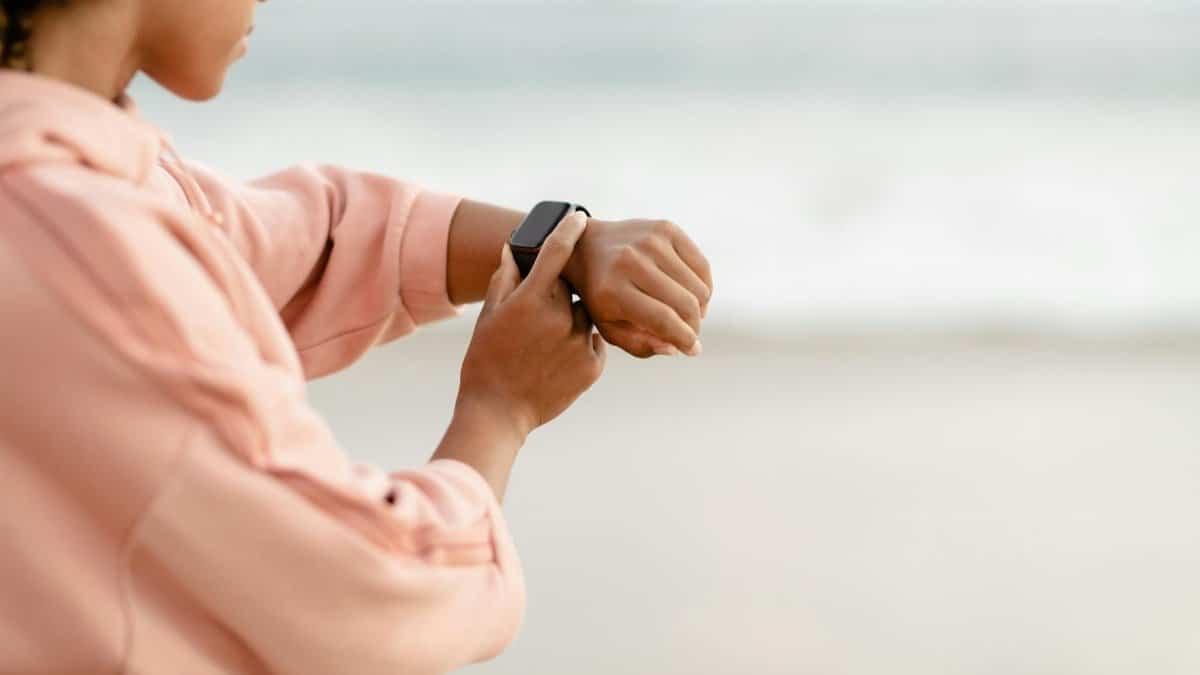
Gone are the days of guesswork. Wearables like Oura Ring or Whoop quantify HRV coherence scores. Elite Edge from HeartMath pairs with phones for real-time feedback. Free options abound: Elite HRV app uses phone cameras. Data reveals patterns—caffeine spikes incoherence; walks restore it.
Skeptical? A HeartMath research library compiles peer-reviewed trials showing 20-30 percent HRV gains in weeks. One executive swapped coffee breaks for coherence checks. Productivity soared; burnout vanished. Tech democratizes this ancient wisdom, blending biofeedback with modern life.
Stress Reduction in Action
Chronic stress ravages—high blood pressure, insomnia, frayed relationships. Coherence counters it head-on. Studies link regular practice to 15-20 percent cortisol drops. Immune markers rise too; fewer colds reported in trials. In 2026’s hybrid work era, where Zoom fatigue reigns, this guide shines.
A remote worker in Austin described the turning point: “Heart pounding during a call, I breathed coherent. Boss noticed my poise.” Public accounts echo this—sudden calm amid turmoil. Long-term, it rewires resilience. The American Psychological Association notes similar techniques cut anxiety disorders by bolstering autonomic balance.
Beyond Stress: Wider Benefits

Coherence touches everything. Relationships deepen; empathy grows via oxytocin boosts. Cognitive edges sharpen—memory, focus improve. Athletes gain: a marathoner shaved minutes off times with pre-race coherence. Even sleep quality rises; HRV predicts deep rest phases.
Corporate programs roll it out. Google’s mindfulness initiatives nod to this science. Schools experiment too—kids with ADHD show better attention. A principal in Miami saw suspensions halve after morning routines. It’s not panacea, but potent. Tensions arise: some dismiss it as “just breathing.” Yet data persists, urging broader trials.
Overcoming Common Hurdles

Newbies falter. Mind wanders; frustration builds. Solution: gentle persistence. Start with two minutes. No judgment. Physical blocks—tight chest? Stretch first. Skepticism? Test HRV pre- and post. Apps provide proof.
Emotional baggage complicates. Trauma survivors may need guided therapy first. Therapists integrate it safely. One forum user vented: “Felt nothing at first. Kept going; now it’s my anchor.” Patience pays. Consult doctors if heart conditions exist—though generally safe, it’s wise.
Building a Daily Practice

Weave it in. Morning: coherence sets tone. Traffic jams: breathe through. Bedtime: wind down. Pair with walks—nature amplifies. Journal shifts: note emotions, sensations. Community helps; online groups share tips.
In 2026, as mental health apps proliferate, this heart coherence guide stands out for its science-rooted simplicity. A retiree in Phoenix rebuilt post-loss: “Heart sync brought peace when nothing else did.” Scale it—families practice together, bonds strengthen.
Science Meets Spirit

Category belies depth: Spirit here means embodied wisdom. Ancient yogis intuited breath-heart links; now EEGs prove it. Brainwaves shift to alpha states, creativity blooms. Philosophers like Thich Nhat Hanh echoed: mindful breath heals.
Yet balance science with nuance. Not everyone responds identically—genetics factor in. Ongoing research at Stanford explores. Critics call for larger RCTs, but momentum builds. For middle-aged seekers, it’s pragmatic spirituality: measurable, immediate.
This path invites experimentation. Sync heart and brain. Lower stress. Reclaim steadiness. The rhythm awaits.

A certified hypnotherapist, Reiki practitioner, sound healer, and MBCT trainer, Christopher guides our journey into the spiritual dimension, helping you tap into a deeper sense of peace and awareness.
Disclaimer
The content on this post is for informational purposes only. It is not intended as a substitute for professional health or financial advice. Always seek the guidance of a qualified professional with any questions you may have regarding your health or finances. All information is provided by FulfilledHumans.com (a brand of EgoEase LLC) and is not guaranteed to be complete, accurate, or reliable.