
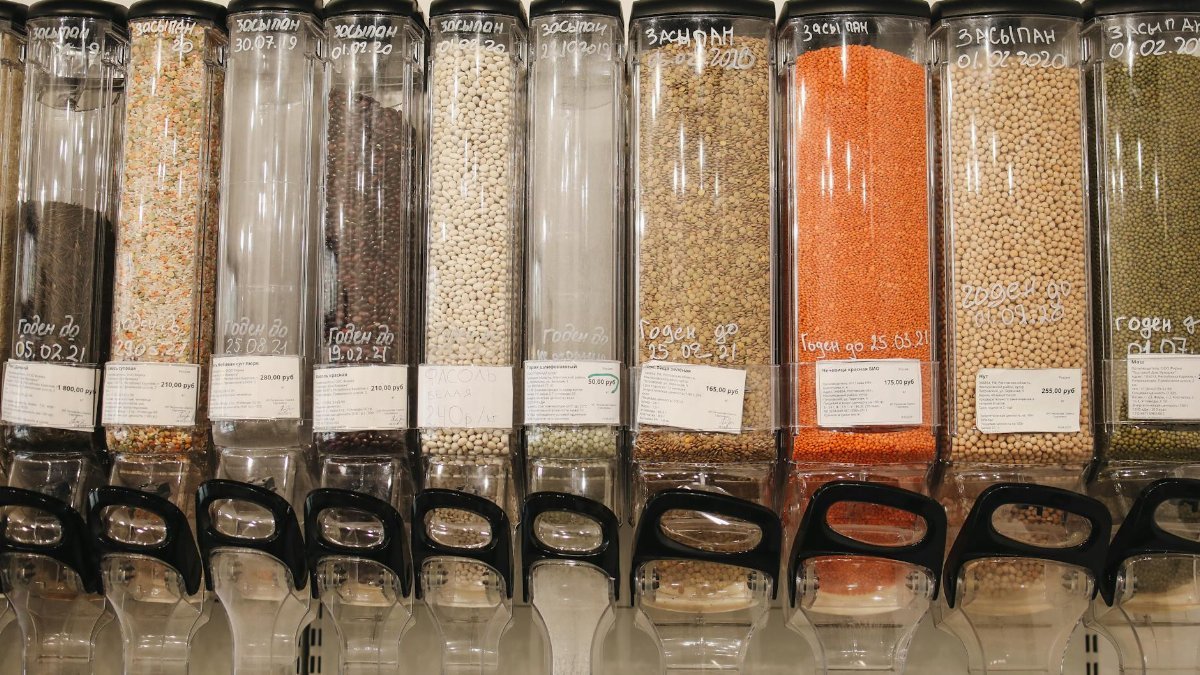
In cities like Seattle and Brooklyn, a quiet revolution unfolds in grocery aisles. Shoppers scoop oats into their own jars, weigh spices on open scales, and leave with nothing but fabric totes. No crinkling bags, no shrink-wrapped produce. Zero waste bulk grocery stores have taken root, drawing crowds tired of single-use plastics. This isn’t fringe activism. It’s practical response to landfills swelling with 35 million tons of plastic waste yearly, much from food packaging. A 2023 survey by NielsenIQ found 73 percent of U.S. consumers actively seeking sustainable shopping options, up from prior years. These stores offer a tangible way forward, blending thrift with ecology in everyday routines.
Roots in Everyday Frustration

Consider a typical Saturday morning at a neighborhood market. A mother fills a reusable container with lentils, her kids nearby eyeing candy bins. She skips the cereal boxes entirely. Such scenes capture the appeal. Zero waste bulk grocery emerged from consumer backlash against overpackaged goods. Supermarket giants wrap single avocados, bundle herbs in trays. Bulk alternatives strip that away. Customers bring jars, bags, or buy reusables on-site. Scales calculate by weight. It’s hands-on, almost meditative.
This model echoes old-school general stores, but with modern eco-twists. No barcodes. Just gravity-fed dispensers for rice, pasta, oils. The friction—remembering containers, tolerating minor spills—builds loyalty. One shopper noted recently in an online thread, “The first trip felt clumsy, but now it’s my ritual. Plastic guilt gone.” Stores thrive on that shift.
Environmental Payoff Hits Home

Landfills groan under grocery waste. Plastics from packaging dominate. The U.S. Environmental Protection Agency reports that in 2018, the nation generated 35.7 million tons of plastic materials, with food-related items a major chunk. Zero waste bulk grocery slashes this. Customers eliminate thousands of bags per household annually.
Take almonds. Supermarket versions come triple-bagged. Bulk? Pour into your jar. One study from the Natural Resources Defense Council estimates such practices can cut plastic use by up to 80 percent per shopper. Oceans benefit too. Fewer wrappers mean less marine debris. Communities near these stores report cleaner streets, as reusable habits spill over.
Health Angles Beyond the Obvious

Freshness stands out. Bulk bins hold nuts roasted weekly, grains milled locally. No preservatives needed for long shelf life. Shoppers control portions, curbing impulse buys of stale chips. Nutritionists praise the variety: access to uncommon flours, seeds, without processed additives.
Doubts linger, though. Cross-contamination risks in open bins? Reputable stores mitigate with daily cleaning, allergen labels. A 2019 review in the Journal of Food Protection found bulk sections no riskier than packaged if hygiene protocols hold. Families report fewer allergies flaring, thanks to transparent sourcing.
Economic Sense for Tight Budgets
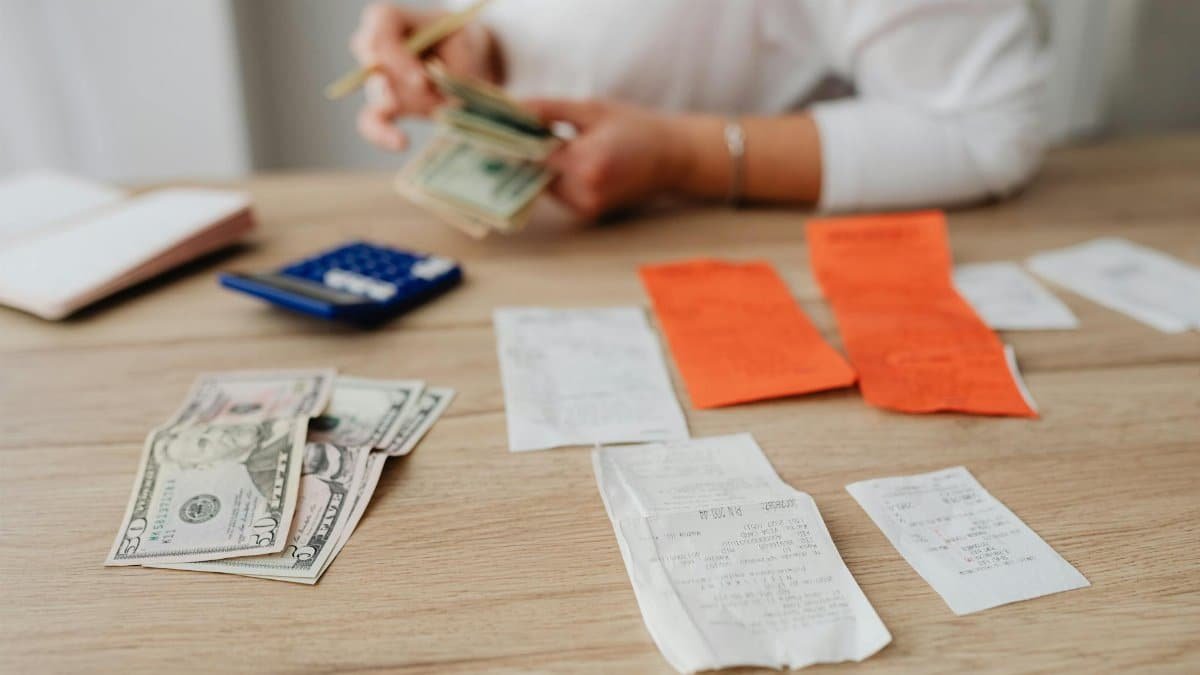
Savings add up fast. Pre-packaged quinoa runs $6 a pound. Bulk? Often half that. No middleman markup for flashy labels. Stores buy wholesale, pass discounts. A family of four might trim $500 yearly from grocery bills, per anecdotal tallies from store owners.
Small chains bootstrap cleverly. They partner with local farms for bulk grains, cutting transport emissions and costs. Nationally, the model scales. In 2022, zero-waste outlets grew 15 percent, fueled by venture interest. Yet independents dominate, fostering community ties over corporate gloss.
Mapping the Store Boom

Portland leads with over 20 spots. The Refill Shop there hums weekends. East Coast? Brooklyn’s Food Huggers draws lines. Midwest surprises: Chicago’s Zero Waste Market stocks Midwestern wheat berries. South? Austin’s Spring District fills gaps in organic access.
Expansion accelerates. Chains like Whole Foods test bulk walls. Startups secure funding. By 2025, projections suggest hundreds more nationwide. Urban density helps. Rural areas lag, shipping jars impractical. Still, pop-ups bridge gaps at farmers markets.
Navigating the Learning Curve

Newbies hesitate. “What if I forget my bags?” Stores stock reusables cheap. Apps remind weights from last visit. Spills happen—oat dust on floors—but staff sweeps swiftly. The real hurdle: time. Weighing items slows checkout.
Education flips it. Workshops teach jar sterilization. Loyalty perks reward repeat bulk buyers. Frustration fades. One father shared publicly online, “Kids love the scoops. It’s play disguised as chores.” Habits stick.
Scalability Questions Linger

Can this go mainstream? Critics point to logistics. Dispensers jam. Perishables spoil faster without seals. Large grocers experiment, but scale stalls. Supply chains geared for packaging resist.
Optimists counter with tech. Automated fillers, app-integrated scales emerge. Policy nudges help. California’s plastic bag bans boosted bulk traffic 25 percent. Federally, the EPA’s plastic prevention strategy spotlights bulk as key. Momentum builds.
Community Threads Strengthen
These stores knit neighborhoods. Owners host swaps, repair cafes. Shoppers chat over quinoa choices. In diverse areas, bulk bins introduce global flavors affordably—Ethiopian teff, Indian lentils. Food insecurity eases; buy grams, not pounds.
Tensions arise. Gentrification whispers: higher-end stores price out some. Responsive owners add budget bins. A Pew analysis of food trends underscores bulk’s role in equitable access. Ties deepen.
Looking to Packaged Rivals
Big Box fights back. Trader Joe’s shrinks packaging. Amazon trials bulk pods. Yet zero waste bulk grocery leads authenticity. No greenwashing. Customers trust the tactile proof—no plastic means no plastic.
Competition spurs innovation. Expect hybrid models: bulk zones in every supermarket. Consumer demand drives it. NielsenIQ data shows sustainability sways 66 percent of purchases now, per their 2023 report.
Steps to Join the Shift

Start small. Scout local stores via apps like Litterless. Stock glass jars—dollar store works. Weigh empty first, note tare. Experiment: bulk shampoo bars save space.
Challenges? Motivation dips in winter. Counter with freezer staples like bulk beans. Track savings. Share wins. The ripple? Households inspire neighbors. Zero waste bulk grocery proves change need not upend life. It refines it.
This rise signals more. As plastics choke waterways, stores like these offer refuge. Practical, communal, potent. The aisles await.

With a career spanning investment banking to private equity, Dominik brings a rare perspective on wealth. He explores how money can be a tool for personal freedom and positive impact, offering strategies for abundance that align with your values.
Disclaimer
The content on this post is for informational purposes only. It is not intended as a substitute for professional health or financial advice. Always seek the guidance of a qualified professional with any questions you may have regarding your health or finances. All information is provided by FulfilledHumans.com (a brand of EgoEase LLC) and is not guaranteed to be complete, accurate, or reliable.