
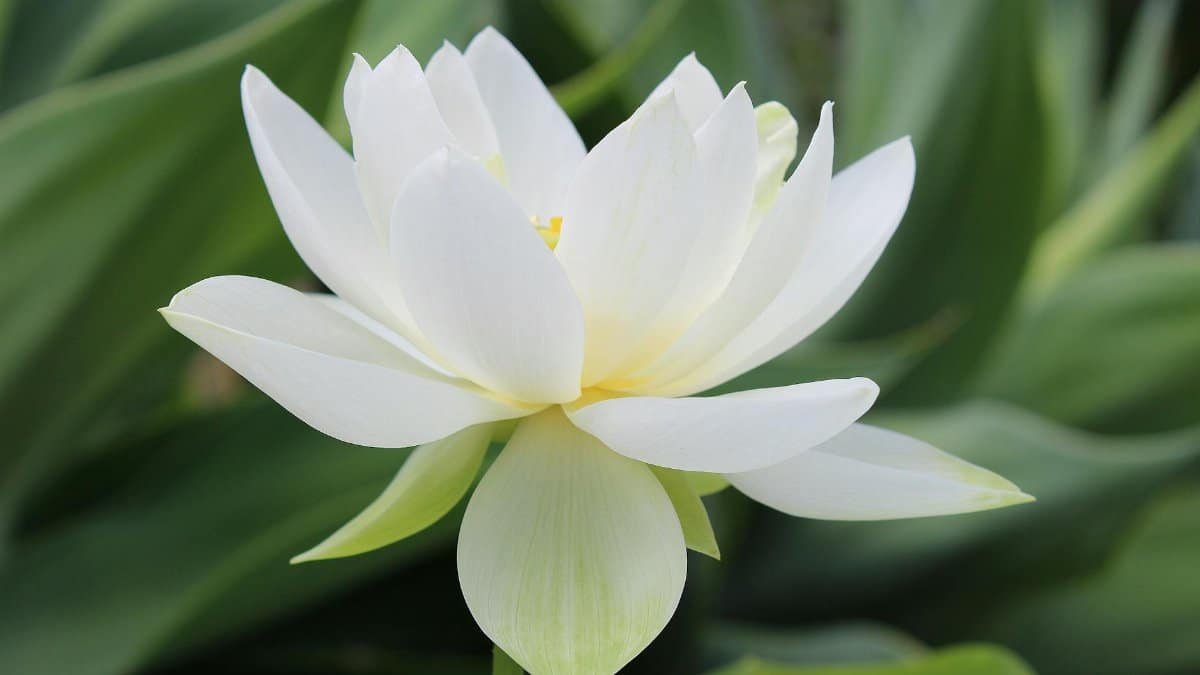
Simply put, lotus flower meaning embodies purity rising from mud, a core symbol in Eastern philosophy that has guided spiritual seekers for millennia. This resilient bloom, thriving in murky waters yet unfolding immaculate petals, mirrors the human journey toward enlightenment. From Hindu gods to Buddhist icons, its significance endures, offering timeless lessons on resilience and transcendence amid chaos.
Ancient Roots in Hindu Lore
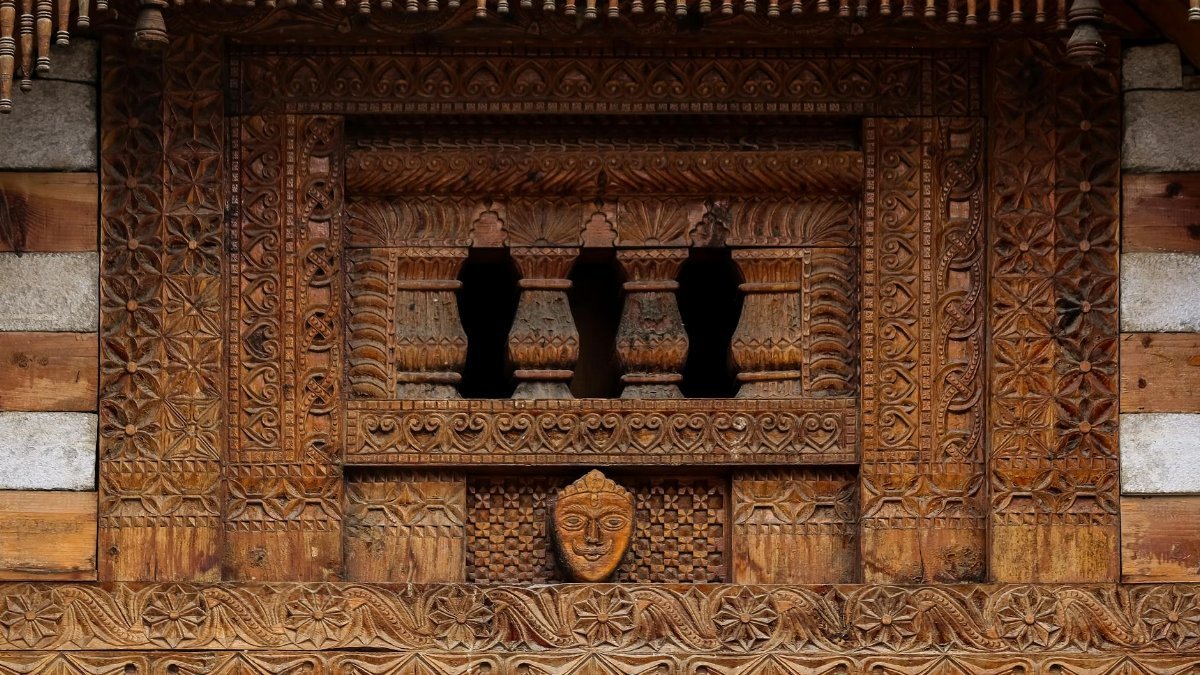
Hindu scriptures paint the lotus as divine. Lord Brahma emerges from Vishnu’s navel on a lotus, signifying creation from primordial waters. Texts like the Rig Veda reference it as a seat for deities, underscoring cosmic birth. The flower’s layered petals represent expanding universes, a motif echoed in temple architecture across India.
Devotees invoke lotus flower meaning during rituals. Lakshmi, goddess of prosperity, stands on its petals, linking wealth to spiritual purity. Carvings at Khajuraho temples depict this vividly, blending sensuality with sanctity.
Buddhism’s Premier Enlightenment Icon
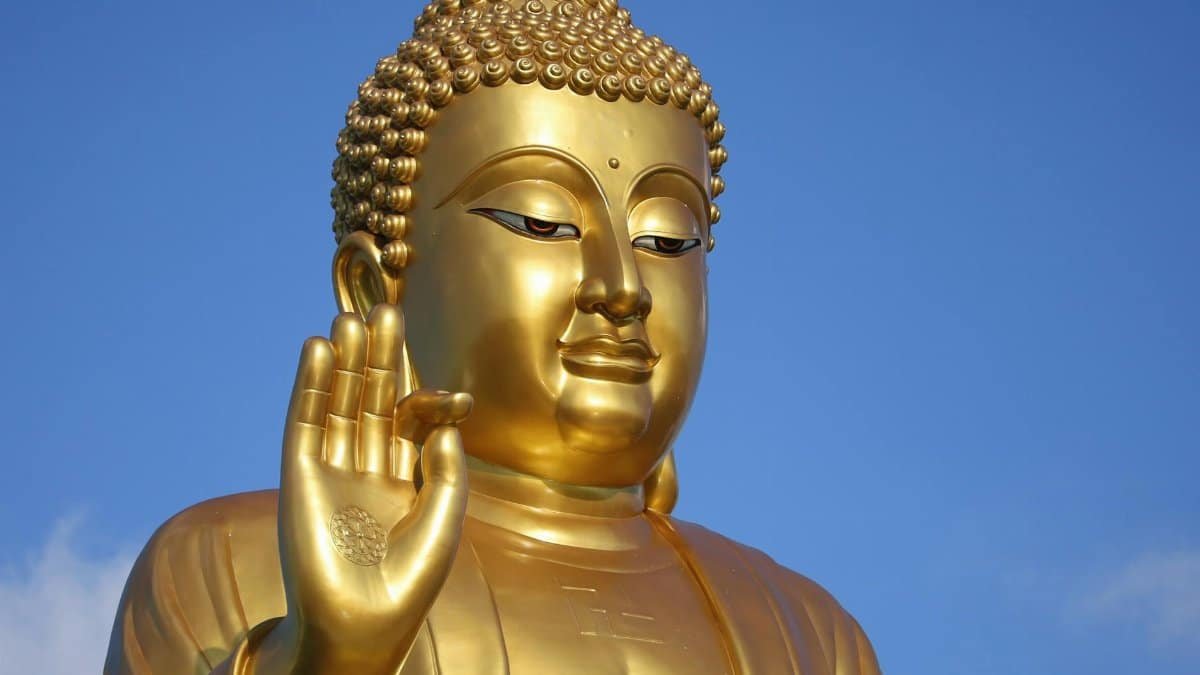
In Buddhism, the lotus crowns Buddha statues, pink petals symbolizing purity of mind. Siddhartha Gautama’s enlightenment under the Bodhi tree ties to its mud-to-beauty arc, illustrating nirvana’s triumph over suffering. The Britannica entry on lotus symbolism details its centrality in sutras.
Variations abound: white for mental purity, red for compassion. Monks chant praises in the Lotus Sutra, a foundational Mahayana text promising universal buddhahood.
Purity Emerging from Adversity

Central to lotus flower meaning is transformation. Seeds viable for centuries germinate in silt, petals repelling dirt via wax—a natural metaphor for transcending flaws. Eastern sages teach this as samsara to moksha, or dukkha to peace.
Modern meditators draw parallels. A practitioner in Kyoto shares: “The lotus taught me grace in grief.” This resilience resonates globally, fueling tattoos and mindfulness apps.
Poses and Practices in Yoga

Yoga asanas like Padmasana, the lotus pose, channel its energy. Crossed legs mimic closed buds opening to prana flow. Patanjali’s Yoga Sutras imply such postures stabilize meditation, aligning chakras from root to crown.
Teachers worldwide prescribe it for grounding. In Mumbai studios, sessions begin with lotus visualizations, invoking stability amid urban frenzy.
Artistic Legacy Across Asia

From Angkor Wat bas-reliefs to Japanese ukiyo-e prints, artists immortalize the lotus. Chinese painters pair it with carp for abundance, per Confucian harmony ideals. Thai murals show it cradling bodhisattvas, vibrant pinks against gold.
The Metropolitan Museum’s guide to lotus motifs traces its migration via Silk Road, influencing Persian and Ottoman designs.
Taoist Harmony and Balance
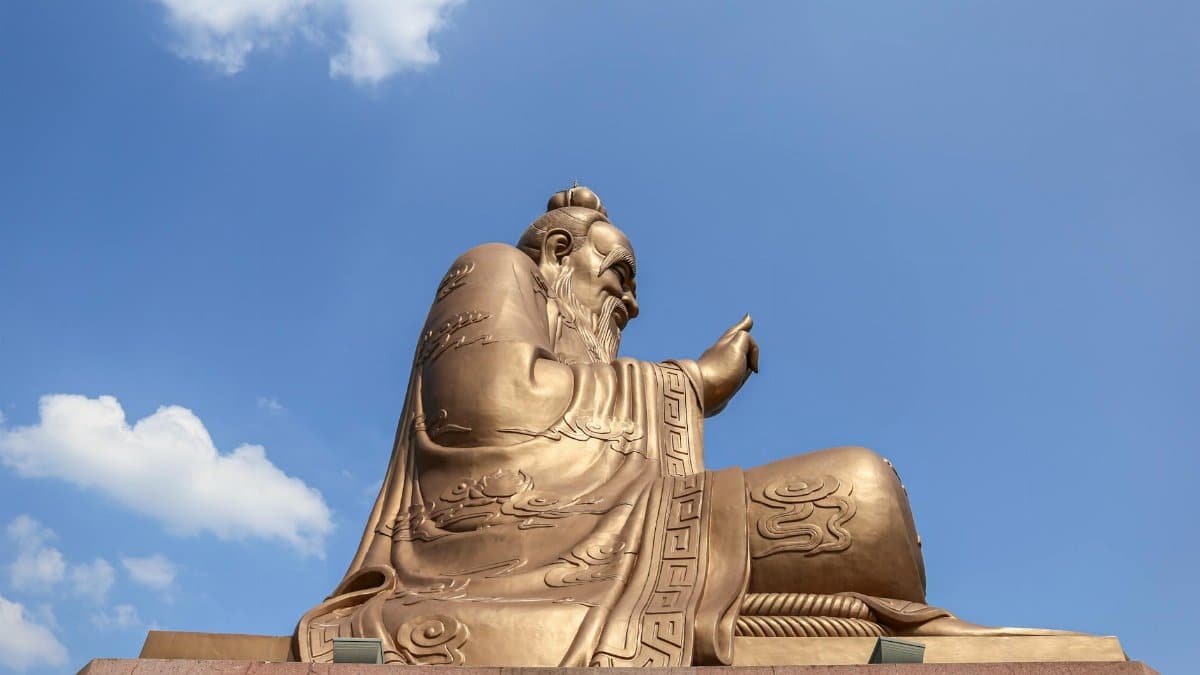
Taoism views the lotus as yin-yang incarnate: rooted in earth, reaching skyward. Lao Tzu’s Tao Te Ching evokes fluid growth, petals yielding to wind without breaking. Gardens in Suzhou feature lotuses, ponds reflecting impermanence.
Practitioners meditate on its stalk’s flexibility, embodying wu wei—effortless action. Festivals like Vietnam’s lotus harvest celebrate this balance seasonally.
Modern Revival in Western Spirituality
Today, lotus flower meaning surges in wellness circles. Yoga retreats in Bali invoke it for trauma healing. Celebrities like Russell Brand cite its symbolism in sobriety journeys, turning personal mud into public inspiration.
Bookshelves brim with titles like “The Lotus and the Mud,” blending ancient wisdom with therapy. Google Trends spikes show rising searches amid global stress.
Cross-Cultural Comparisons

Beyond East, Egyptians revered blue lotuses for rebirth, akin to Hindu cycles. Mayans used water lilies similarly. Yet Eastern depth ties uniquely to philosophy, emphasizing inner alchemy over mere aesthetics.
Anthropologists note convergences: all stress renewal. A 2022 study from the University of Tokyo links this to universal archetypes, though Eastern texts provide richest lore.
Lessons for Everyday Life

Eastern philosophy distills lotus flower meaning into action: bloom where planted. Leaders like Dalai Lama reference it for compassion amid conflict. In boardrooms, executives adopt “lotus mindset” for pivots.
Ultimately, it challenges: Can you rise untainted? Practitioners say yes, one petal at a time. This enduring symbol bridges ancient insight and modern grit.

A certified hypnotherapist, Reiki practitioner, sound healer, and MBCT trainer, Christopher guides our journey into the spiritual dimension, helping you tap into a deeper sense of peace and awareness.
Disclaimer
The content on this post is for informational purposes only. It is not intended as a substitute for professional health or financial advice. Always seek the guidance of a qualified professional with any questions you may have regarding your health or finances. All information is provided by FulfilledHumans.com (a brand of EgoEase LLC) and is not guaranteed to be complete, accurate, or reliable.