
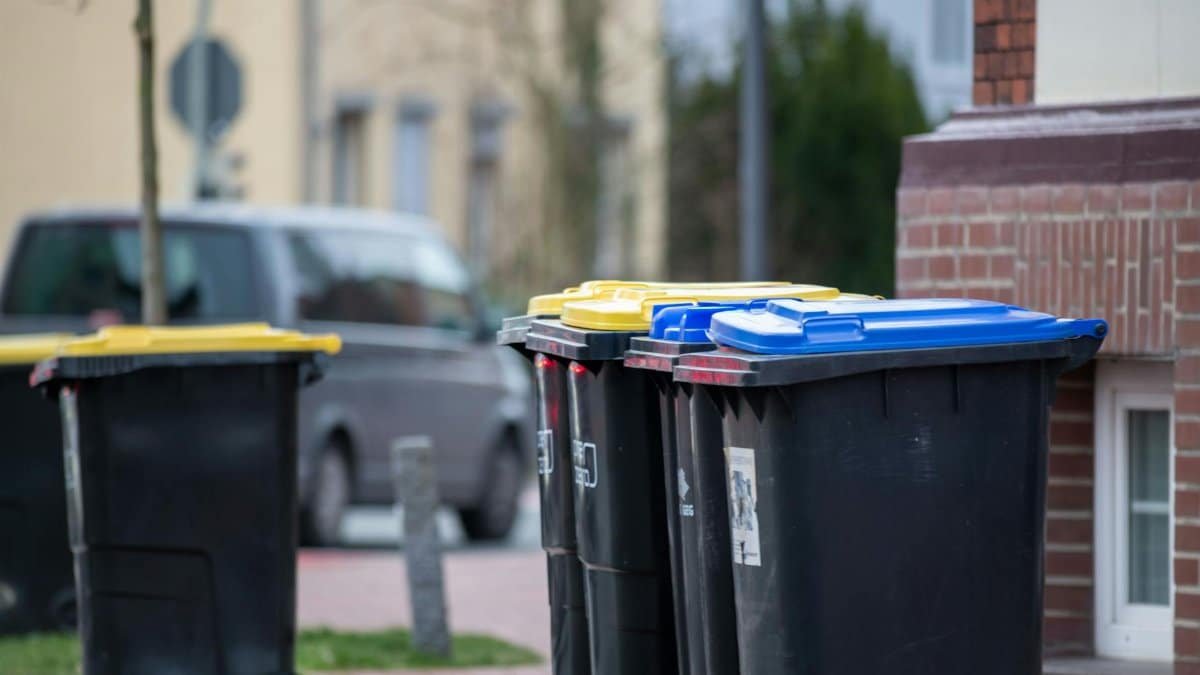
New York City residents tossed 12,000 tons of food scraps into neighborhood composting bins last year alone, slashing landfill waste by a third in pilot zones. This surge in shared curbside bins is transforming urban waste habits, letting apartment dwellers join the green revolution without backyard space. From Brooklyn to Seattle, these communal drop-offs are popping up fast, fueled by city mandates and eco-conscious locals. But as adoption grows, questions linger on smells, pests and scalability.
What Are Neighborhood Composting Bins?
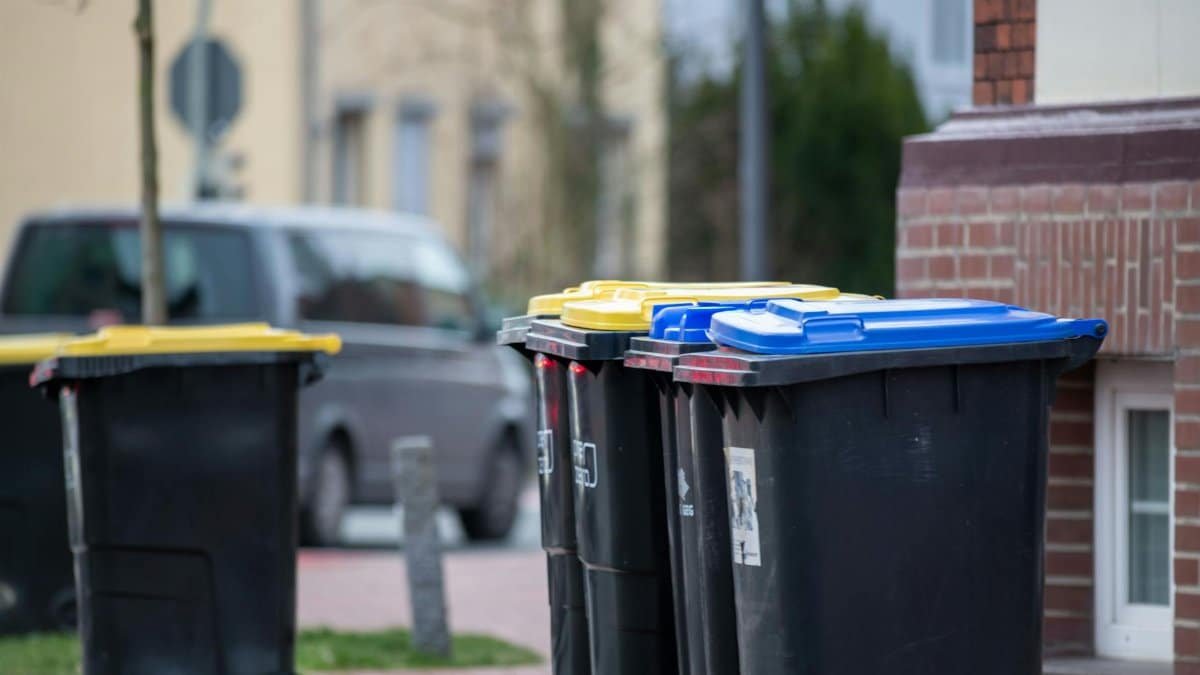
Neighborhood composting bins are sturdy, lockable containers placed on streets or in parks for public use. Residents drop off veggie peels, coffee grounds and yard trimmings. Volunteers or city crews collect, process and turn the mix into nutrient-rich soil. Unlike home composters, these serve high-rises where space is tight. Programs often partner with farms or nurseries to use the compost, closing the loop on waste.
Urban Explosion in Demand

Major cities report double-digit jumps in participation. San Francisco leads with curbside collection reaching 80% diversion rates. New York expanded its bins to 100 sites in 2023, up from a handful pre-pandemic. Seattle’s program hit 5,000 households via neighborhood hubs. Drivers include stricter landfill regs and apps that track full bins, notifying users in real time.
Planet-Saving Perks

Food waste in landfills spews methane, a gas 25 times worse than CO2 for warming. Neighborhood composting bins cut that by diverting organics. The EPA estimates U.S. composting prevents 2.5 million tons of greenhouse gases yearly. Compost enriches soil, reduces fertilizer needs and bolsters food security through community gardens.
Building Stronger Blocks

These bins foster chats at drop-offs. In Oakland, California, one program sparked block parties around pickup days. Organizers say it builds trust, with neighbors policing misuse like tossing plastics. A Chicago pilot found 70% of users felt more connected to their street. It’s low-tech social glue in screen-heavy times.
Common Gripes and Fixes
Rats and odors top complaints. Poorly managed bins attract pests. Solutions include rodent-proof designs, frequent empties and education campaigns. Boston’s initiative uses biofilters to neutralize smells. Fines for contamination help too. Experts stress starting small, with trained stewards monitoring sites.
Trailblazing City Programs
San Francisco’s blueprint shines. Since 2009, neighborhood composting bins have integrated into weekly trash routes. Portland, Oregon, offers free bins via community nonprofits. Denver incentivizes with rebates for nearby gardens using the output. New York’s curbside pilots in Queens processed 1 million pounds in months. These models spread nationwide, backed by federal grants.
Homeowner and Renter Wins

Apartment renters gain most. No yard? No problem. Bins equalize access, letting city slickers cut waste guilt-free. Landlords report cleaner buildings as tenants compost scraps. One Brooklyn super noted fewer clogs in trash compactors. Costs stay low, often under $5 per household yearly via bulk processing.
Tips to Launch Local Bins
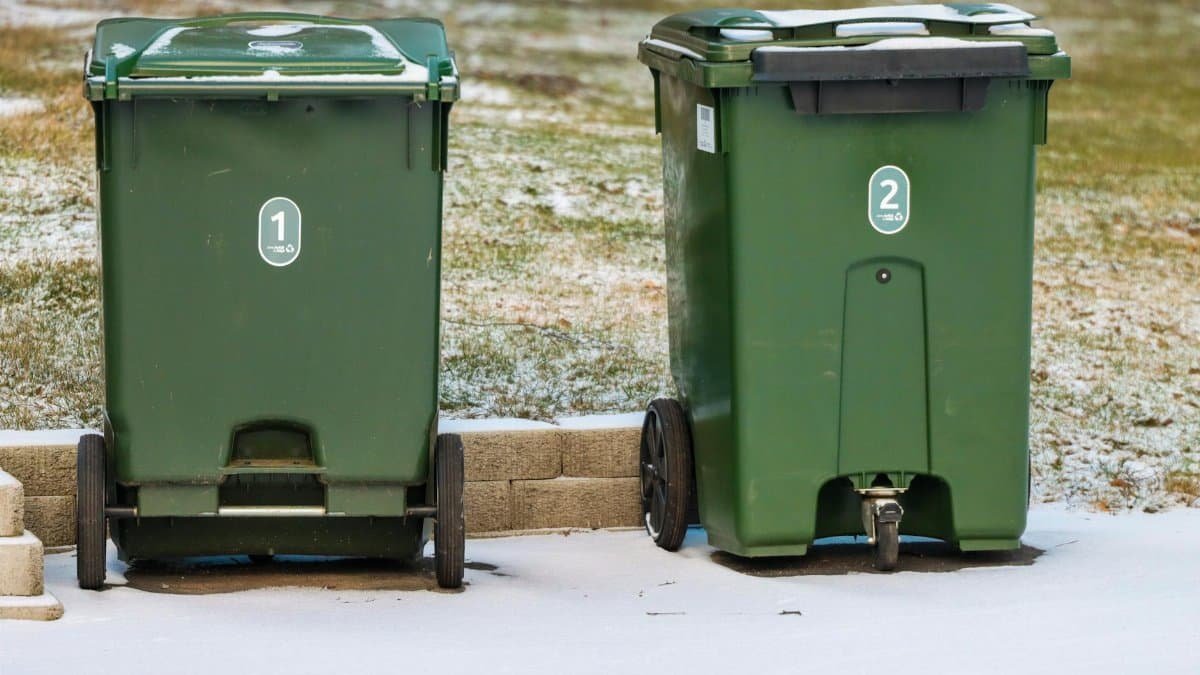
Petition your council. Rally 50 neighbors for a pilot. Scout shaded, high-traffic spots. Partner with groups like NRDC-backed initiatives for guides. Secure grants from USDA or state enviro funds. Train volunteers on “what goes in” rules: no meat, dairy or oils. Track success with weigh-ins to prove impact.
Scaling Up Nationwide

Bills in Congress push composting mandates by 2030. States like Vermont and California require organics diversion. Private firms eye profit in compost sales. Challenges remain in rural areas, but urban success paves the way. Expect neighborhood composting bins in every borough soon, turning trash into treasure one scrap at a time.
With momentum building, these bins prove sustainability doesn’t need suburbia. Cities investing now reap cleaner air, richer soil and tighter communities tomorrow.

With a career spanning investment banking to private equity, Dominik brings a rare perspective on wealth. He explores how money can be a tool for personal freedom and positive impact, offering strategies for abundance that align with your values.
Disclaimer
The content on this post is for informational purposes only. It is not intended as a substitute for professional health or financial advice. Always seek the guidance of a qualified professional with any questions you may have regarding your health or finances. All information is provided by FulfilledHumans.com (a brand of EgoEase LLC) and is not guaranteed to be complete, accurate, or reliable.