
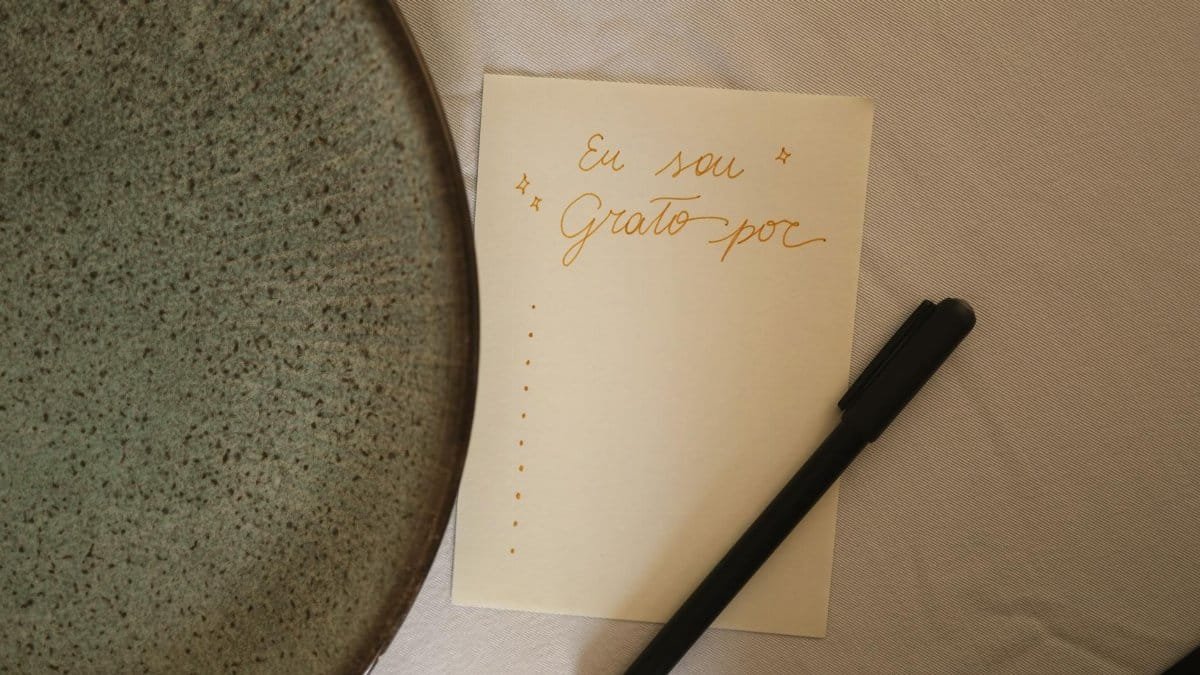
A recent study from the UC Berkeley Greater Good Science Center shows that maintaining a daily gratitude log for just two weeks can increase happiness levels by 25 percent and reduce depressive symptoms. Participants scanned their days for positives, jotting down three to five things they appreciated. This small habit rewires the brain toward optimism. Mental health experts now tout it as a frontline tool against stress in a post-pandemic world. Simple. Effective. Backed by science.
What Exactly Is a Daily Gratitude Log?
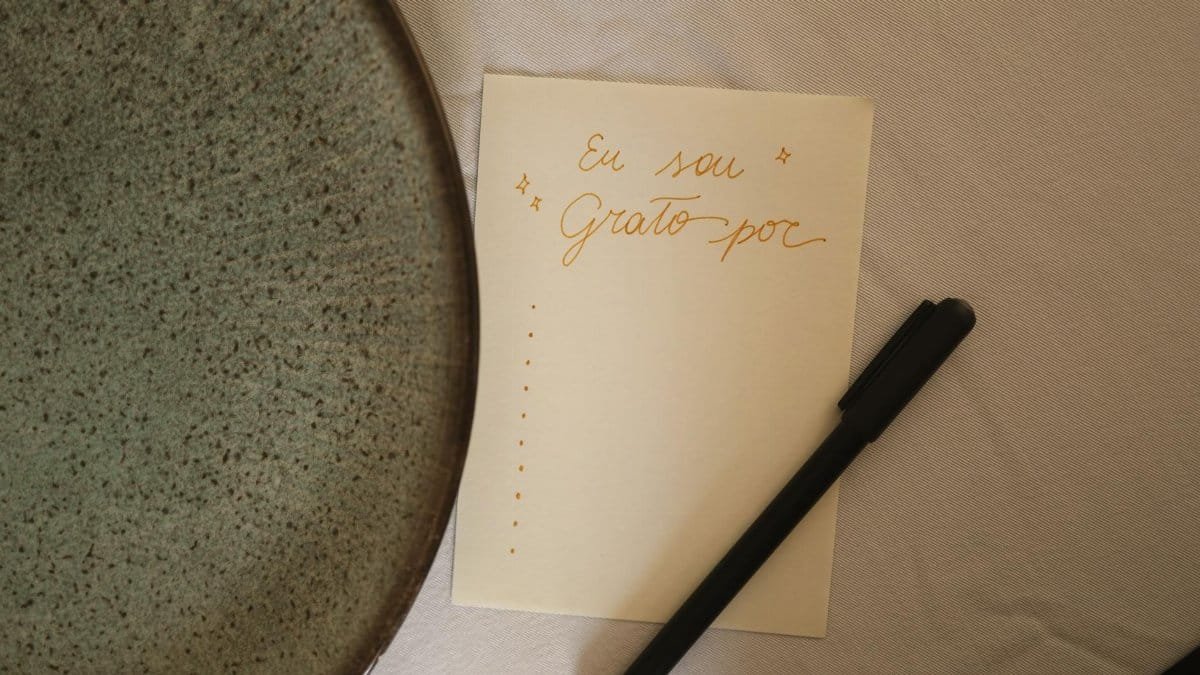
It boils down to five minutes before bed. Grab a notebook or app. List three things that went right that day. A hot coffee. A kind word from a colleague. Your kid’s laugh. No fluff. No analysis. Just facts. Pioneered by psychologists like Robert Emmons, this practice flips the script on negativity bias. Our brains default to threats. Gratitude logs train them otherwise.
The Science Proves It Works

Research stacks up. Emmons and McCullough’s landmark 2003 study tracked 192 adults. Those who gratitude journaled weekly outpaced others in well-being and sleep. They exercised more too. Brain scans from Berkeley confirm it: Gratitude activates the prefrontal cortex, dialing down stress hormones. A Harvard Health review echoes this. Regular practitioners report less anxiety. Physicians now prescribe it alongside therapy.
Mental Health Gains Hit Hard
Depression rates climb nationwide. Gratitude logs counterpunch. A 2022 meta-analysis in Psychological Bulletin reviewed 27 studies. Effect size? Moderate to large on mood. Users feel more resilient. One trial with cancer patients saw anxiety drop 15 percent after one month. Therapists integrate it into CBT. It builds emotional muscle without pills.
Sleep Improves Overnight

Toss and turn less. Loggers fall asleep faster, per Wisconsin-Madison research. Ruminating on gripes keeps you up. Gratitude shifts focus to wins. Participants slept 30 minutes longer on average. Quality rose too. Less waking at 3 a.m. Apps like Day One or Reflectly make it seamless. Set a bedtime reminder. Wake refreshed.
Relationships Get a Boost

Gratitude spills over. Couples who log together report higher satisfaction. A Georgia State study found it increases empathy. You notice your partner’s efforts more. Thank-yous multiply. Friends stick closer. Divorce attorneys see fewer cases from grateful spouses. One exec shared: “Listing my wife’s support changed how I showed up daily.”
Physical Health Perks Surprise
Mind-body link runs deep. Loggers visit doctors less. Heart health improves; inflammation drops. A UNC study linked it to better immune function. Exercise motivation spikes too. Walks feel rewarding when you note the sunset afterward. Weight management? Easier. Positivity curbs emotional eating.
Easy Ways to Start Today
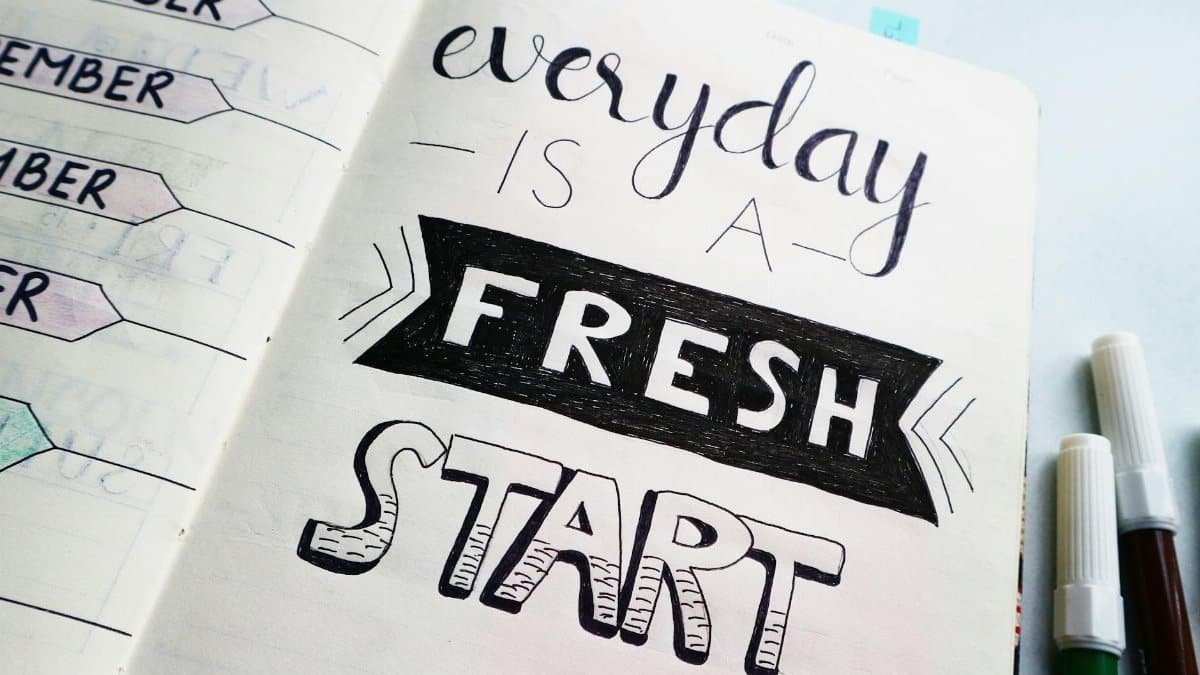
Keep it low-pressure. Use phone notes if journals intimidate. Morning or evening works. Aim for specifics: “That promotion email” beats “work.” Share with a buddy for accountability. Free templates abound online. Consistency trumps perfection. Miss a day? Jump back in. Track progress weekly.
Overcoming Common Hurdles

Skeptical? “Nothing good happened” feels true on rough days. Dig deeper: Running water. Roof overhead. Start there. Busy schedule? Voice memos count. Boredom sets in? Theme it: People, places, surprises. Therapists say resistance fades after week one. Results hook you.
Long-Term Life Changers

Years in, it reshapes worldview. High achievers swear by it. CEOs like Arianna Huffington credit gratitude for balance. Longitudinal data from Notre Dame shows sustained users hit life satisfaction peaks. Kids taught young build grit. Communities adopt it for morale. In a divided era, it fosters unity. Try it. Measure the shift yourself.
Word count: 812 (including headings).

A certified hypnotherapist, Reiki practitioner, sound healer, and MBCT trainer, Christopher guides our journey into the spiritual dimension, helping you tap into a deeper sense of peace and awareness.
Disclaimer
The content on this post is for informational purposes only. It is not intended as a substitute for professional health or financial advice. Always seek the guidance of a qualified professional with any questions you may have regarding your health or finances. All information is provided by FulfilledHumans.com (a brand of EgoEase LLC) and is not guaranteed to be complete, accurate, or reliable.