

As job hopping fades, a surprising trend emerges: stronger workplace friendship bonding among teams.
The era of frequent job switches appears to be winding down. HR leaders now highlight an overlooked upside. Staying put allows for the revival of genuine connections at work. Deep, trusting friendships are forming again, fostering loyalty and collaboration. This shift, reported on February 18, 2026, by MetLife and Deel, marks a pivot in how employees relate. No longer chasing the next opportunity, workers invest in relationships that last.
Job Hopping’s Decline Signals Stability
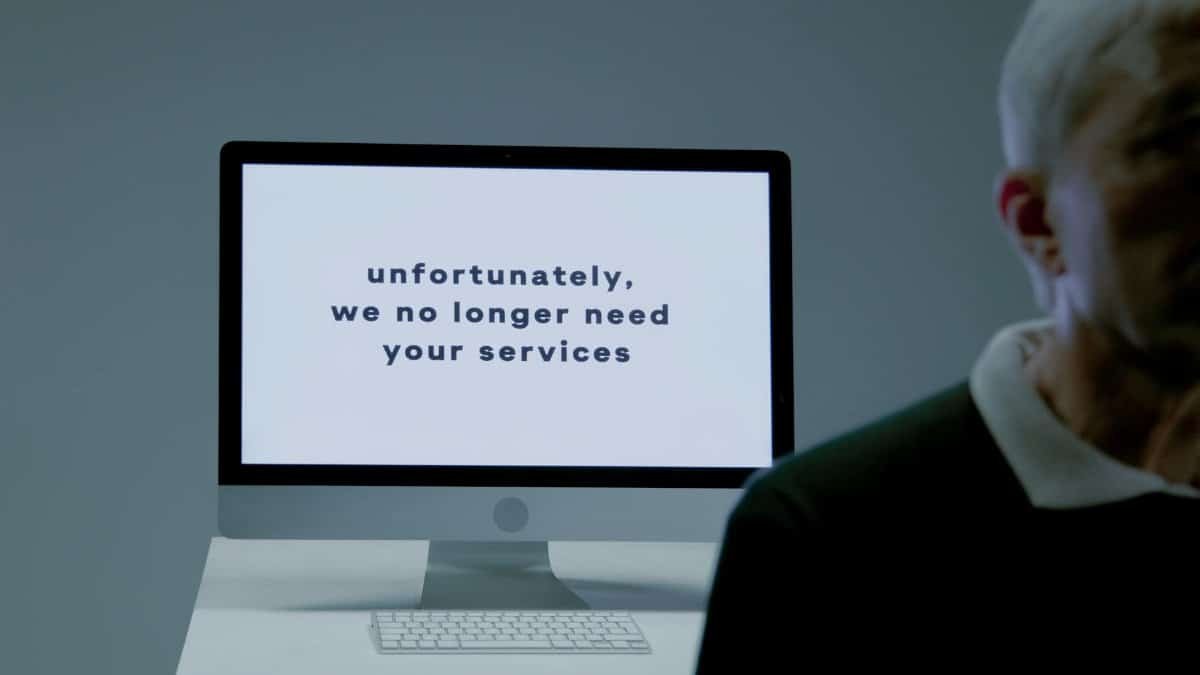
Job hopping, once a hallmark of modern careers, is losing steam. Employees linger longer in roles, creating fertile ground for interpersonal ties. This stability reverses years of transient workforces. HR professionals observe direct links between tenure and camaraderie. Without the churn of constant turnover, teams settle into rhythms that build rapport. The result? A workplace where bonds deepen over shared experiences, not fleeting projects.
HR Leaders Spotlight the Shift

Human resources executives lead the chorus on this change. They report firsthand the transformation in team dynamics. As people commit to positions, superficial interactions evolve into meaningful alliances. Trust accrues over time, much like compound interest in relationships. Leaders note fewer silos and more open dialogues. This feedback loop strengthens organizational health, with HR at the forefront of documenting the trend.
Rebuilding Deep Trust Takes Time

Deep, trusting workplace friendships don’t form overnight. The end of job hopping provides the necessary runway. Repeated collaborations and daily proximity erode barriers. HR insights reveal how prolonged exposure cultivates vulnerability and support networks. These aren’t casual chats by the coffee machine—they’re foundations for resilience during challenges. Stability enables this slow-burn process, yielding bonds that weather stress.
Unexpected Benefits Emerge

What started as a retention concern has flipped into an asset. HR leaders call it an unexpected benefit: revitalized team spirit. No one predicted that dialing back mobility would spark such relational growth. Yet, reports confirm it. Workplaces gain emotional capital, reducing burnout and boosting morale. This byproduct of longer tenures enhances productivity without fanfare.
Source Insights from MetLife and Deel

MetLife and Deel, key players in employee benefits and global HR, released findings on February 18, 2026. Their joint report underscores how curbed job hopping rebuilds workplace friendships. HR respondents across U.S. firms shared uniform observations. For deeper context on employee trends, see MetLife’s employee benefits research hub. Deel’s HR resources echo similar patterns in workforce stability.
Team Bonding Strengthens Collaboration

Workplace friendship bonding directly fuels better teamwork. With fewer disruptions from departures, groups cohere around common goals. HR notes improved problem-solving as friends confide freely. This isn’t forced team-building—it’s organic. Shared histories inform decisions, making outputs sharper. The decline in hopping amplifies these effects across departments.
Longer Tenures Foster Loyalty

Staying longer breeds allegiance on multiple levels. To colleagues, most visibly. HR leaders see loyalty loops where friends advocate for each other. Promotions, projects, even tough feedback flow easier among allies. This relational glue cements retention further, creating virtuous cycles. Job hopping’s end accelerates this dynamic in 2026 workplaces.
Cultural Shifts in U.S. Offices

Across U.S. companies, the trend reshapes office culture. Remote and hybrid setups, once isolating, now benefit from stable rosters. HR reports highlight renewed in-person connections where possible. Even virtually, consistent faces build familiarity. This evolution counters post-pandemic disconnection, with friendship bonding as the antidote. Stability proves key to cultural revival.
Implications for Retention Strategies
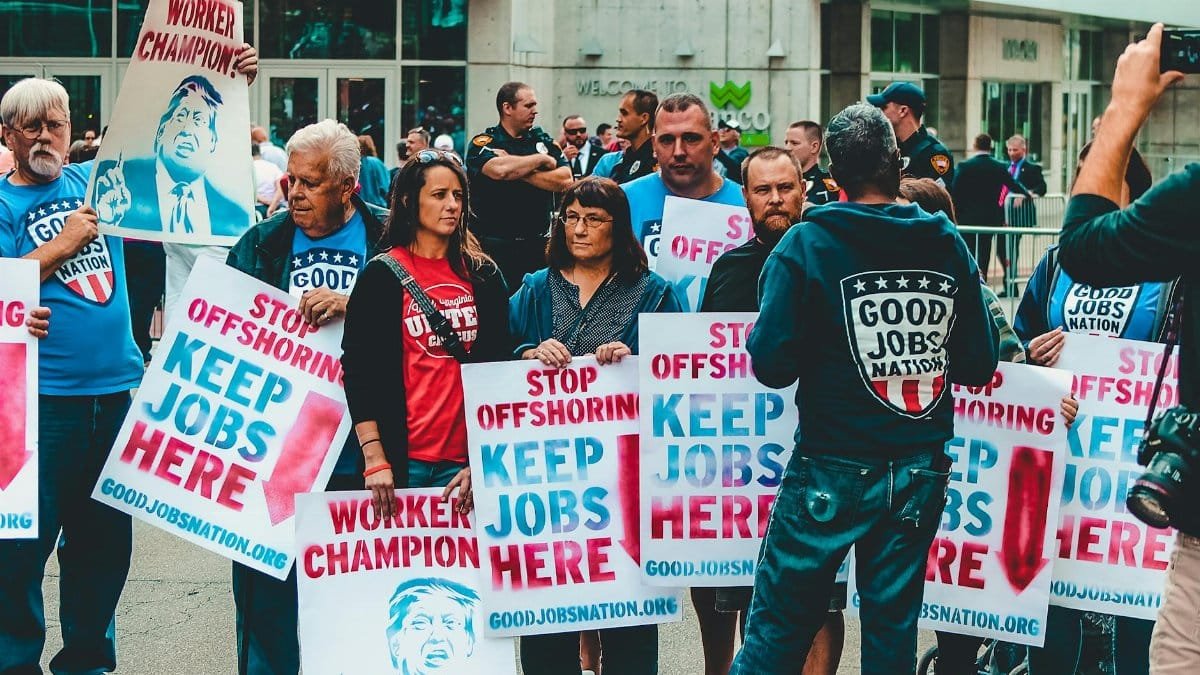
HR strategies now pivot toward nurturing these bonds. Leaders recommend policies that encourage longevity, knowing friendships follow. Mentorship pairs and cross-team initiatives gain traction. The MetLife/Deel data validates this approach. For more on HR retention tactics, explore Pew Research Center’s workplace policies analysis. Investing in people pays relational dividends.
This report from MetLife and Deel captures a pivotal moment. As job hopping recedes, workplace friendship bonding rises. HR voices affirm the gains in trust and depth. U.S. teams stand to thrive in this steadier environment, proving that sometimes, less movement means more connection.

Natasha is the heart of our exploration into conscious connection. Applying principles from multiple counseling courses in her own life, she guides you to cultivate stronger, more joyful bonds.
Disclaimer
The content on this post is for informational purposes only. It is not intended as a substitute for professional health or financial advice. Always seek the guidance of a qualified professional with any questions you may have regarding your health or finances. All information is provided by FulfilledHumans.com (a brand of EgoEase LLC) and is not guaranteed to be complete, accurate, or reliable.