
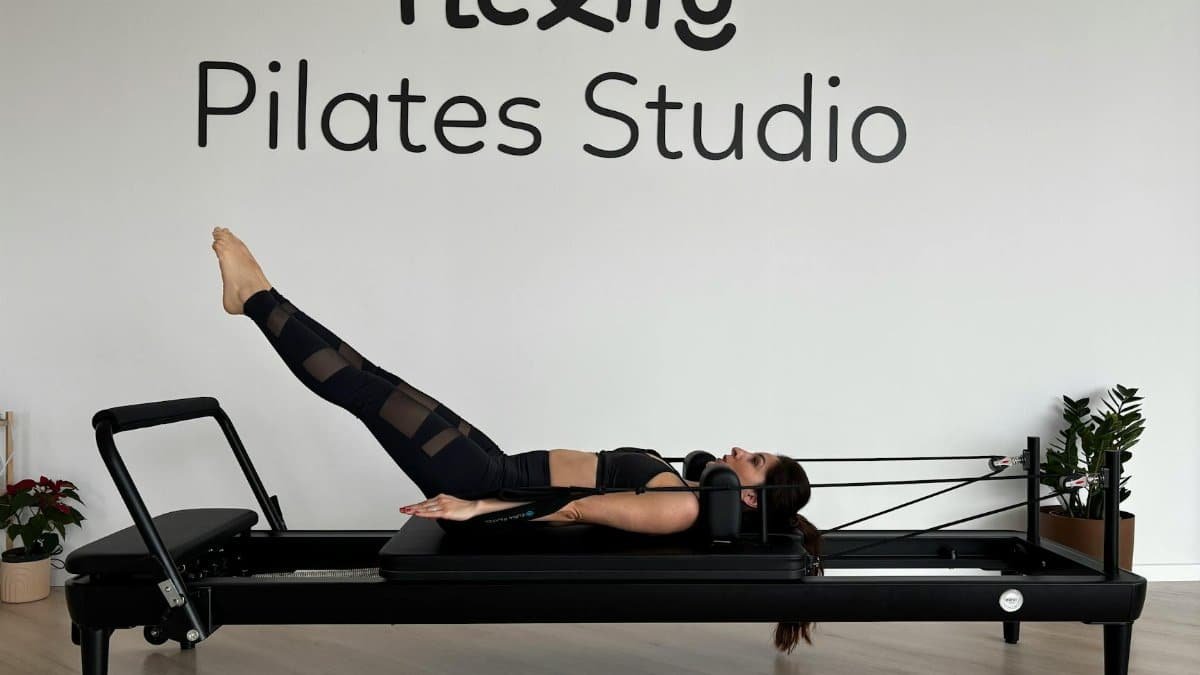
Sunlight filtered through tall windows in a bustling Manhattan studio, casting long shadows across the gleaming reformers. A group of mid-career professionals paused mid-session, their bodies suspended in precise alignment. The instructor’s voice cut through: “Feel the springs resist, then yield.” In that moment, the subtle science of pilates biomechanics came alive, transforming a workout into a lesson in human movement. Reformer Pilates, with its sliding carriage and adjustable tensions, demands attention to every joint angle and muscle fiber. It’s not just exercise. It’s a recalibration of how the body navigates space, unlocking hip mobility and forging deep core strength without strain. As more Americans seek sustainable fitness amid desk-bound days, this method draws crowds eager for results that last.
The Reformer’s Mechanical Edge
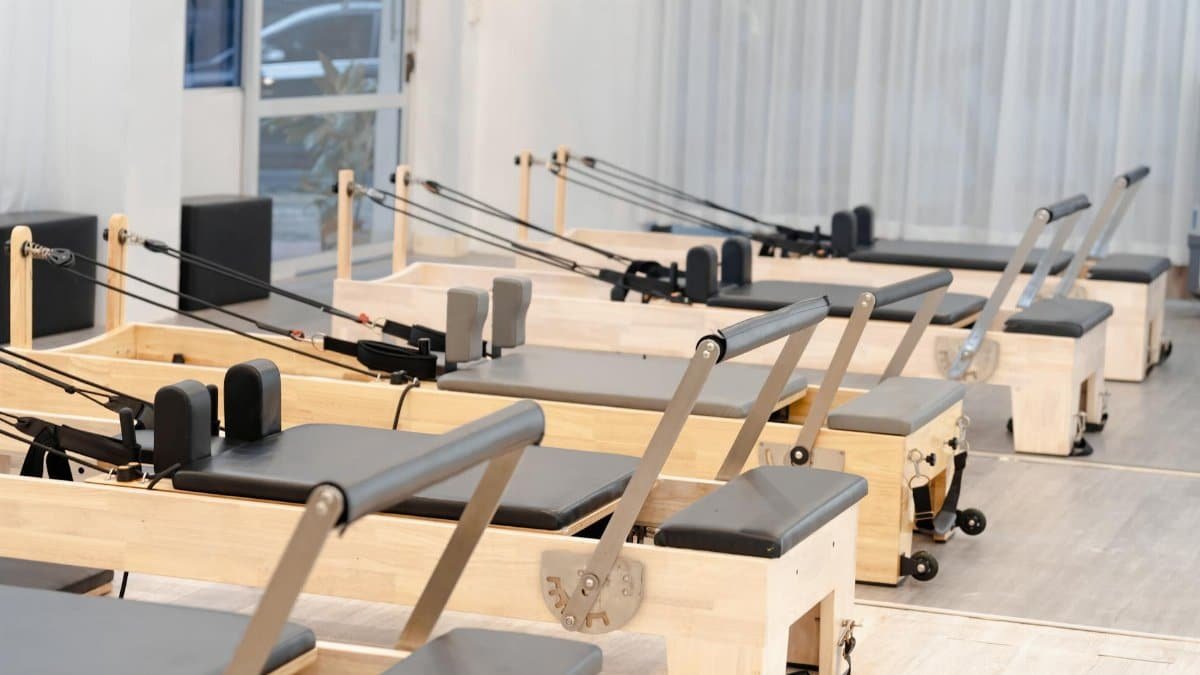
Springs hum under tension as the carriage glides. This isn’t random. The reformer’s design mimics the body’s levers and pulleys. Joseph Pilates engineered it nearly a century ago for injured dancers, blending springs of varying resistance to challenge stability. Light springs encourage fluidity. Heavier ones build power. Bodies respond instinctively, hips opening wider with each controlled press.
Consider a foot bar series. Feet press against the bar, carriage slides back. The biomechanics here target the posterior chain—glutes, hamstrings, calves—in perfect sequence. No jerking motions. Just progressive load that trains the nervous system to fire correctly. One practitioner, a 52-year-old architect, shared how this shifted her chronic tightness. “Suddenly, stairs felt effortless,” she noted during a break. The machine enforces precision machines can’t match.
Decoding Core Activation

Deep core strength starts invisible. Transverse abdominis, multifidus, pelvic floor—these stabilizers hug the spine like a corset. Reformer work awakens them through subtle cues. Hundred prep, for instance: legs extend against spring pull, torso curls minimally. The fight against carriage drift engages the core without crunching.
Biomechanically, this creates intra-abdominal pressure, much like bracing before a lift. A 2013 study in the Journal of Bodywork and Movement Therapies measured electromyography during Pilates exercises. It found reformer moves elicited higher deep core activation than mat work alone. Participants held positions longer, spines neutral. That stability cascades downward, protecting hips from compensatory twists.
Hip Mobility: Resistance as Release
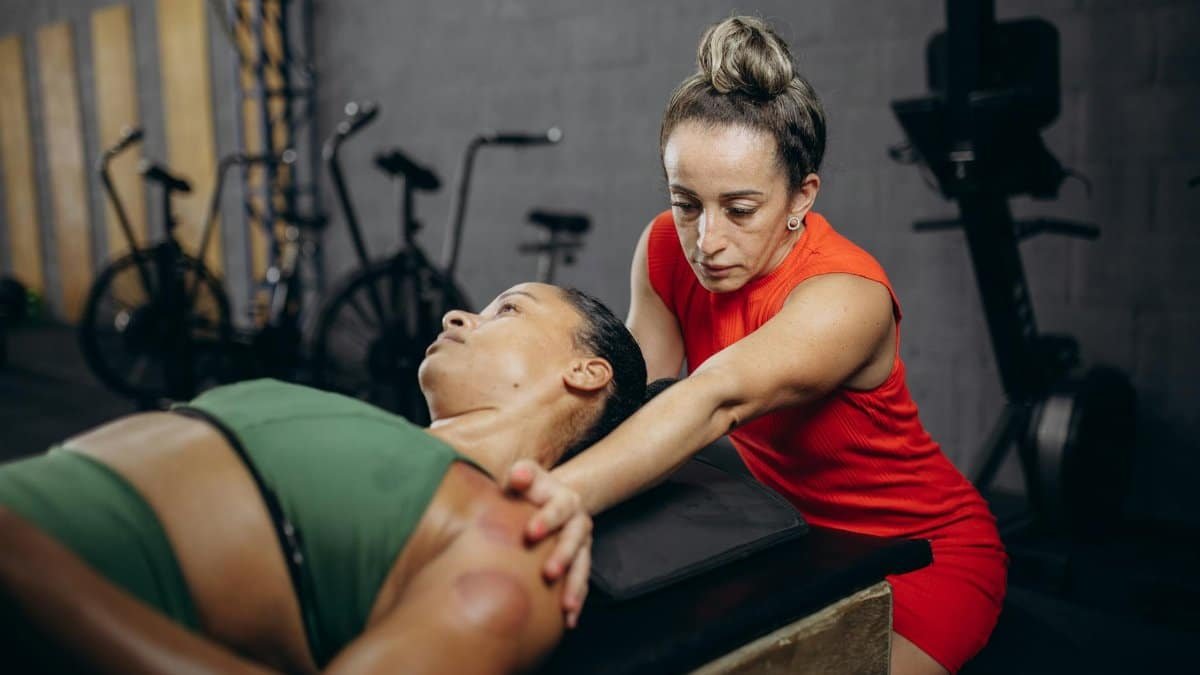
Tight hips plague modern life. Hours hunched over screens shorten flexors, weaken rotators. Enter reformer leg circles. Straps cradle ankles, springs pull thighs outward. The carriage’s feedback prevents slumping, forcing hip sockets to glide smoothly.
This setup exploits arthrokinematics—the small joint glides within sockets. Controlled circles lubricate capsules, stretch iliopsoas gently. A question lingers: Why not yoga? Reformer adds variable resistance, scaling to individual limits. One recent account from a public fitness forum captured it: “My hips unlocked after weeks—no grinding anymore.” Data backs this. Researchers at Queensland University documented improved hip range in older adults via reformer protocols, reducing fall risk by enhancing proprioception.
Spinal Alignment Under Load
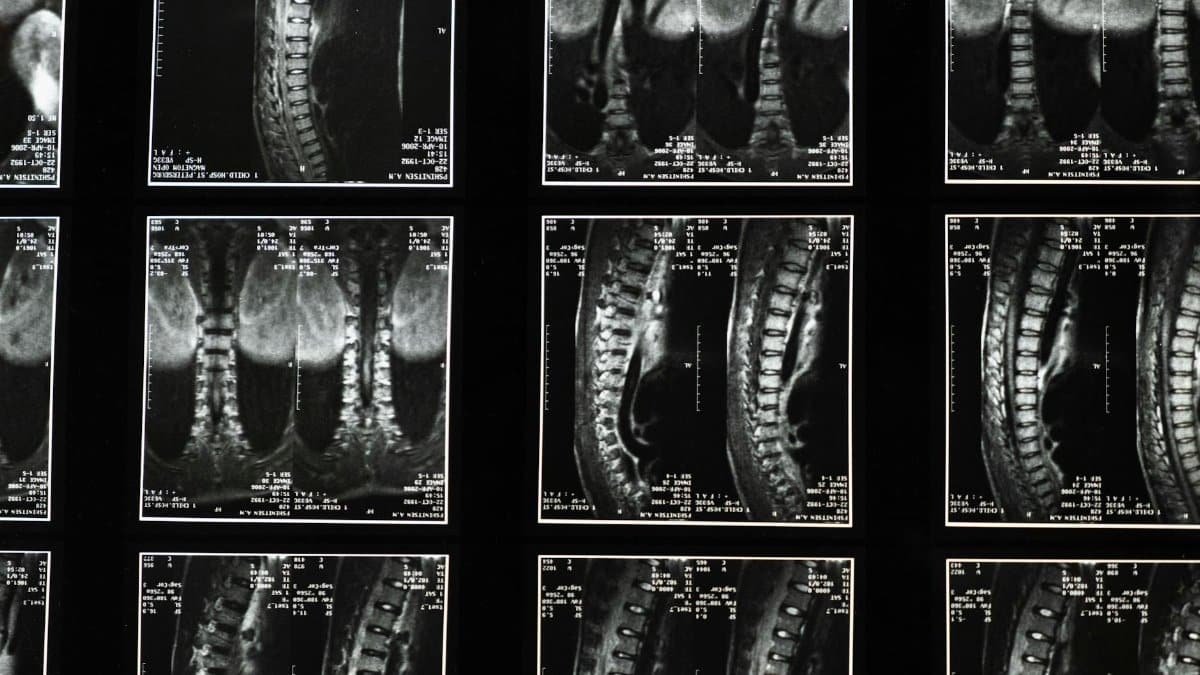
Alignment falters easily. Reformer enforces it. Short spine position—knees to chest, head cradled—teaches neutral pelvis. As legs extend, lumbar curve flattens against the carriage. Biomechanics demand it: excessive arching spikes disc pressure; rounding strains ligaments.
Instructors watch for cues. Shoulder bridges lift hips skyward, springs assisting return. Glutes fire, erectors lengthen. This dynamic counters sedentary swayback. Transitions feel seamless, body learning to stack vertebrae like building blocks.
Breath’s Hidden Role

Breath isn’t filler. It’s biomechanical fuel. Pilates rhythm—inhale expand ribs, exhale draw navel to spine—syncs with carriage motion. Exhalation coincides with effort, stabilizing core via diaphragm contraction.
This mirrors elite athletics. Thoracic expansion counters downward spring pull, preventing shoulder hikes. Neglect it, and form crumbles. A subtle shift: fuller breaths mean better oxygen to working muscles, delaying fatigue. Studios buzz with reminders: “Breathe into the resistance.”
Avoiding Pitfalls in Execution

Grip the handles wrong, and wrists hyperextend. Push too hard, hips pike. Common errors stem from momentum over control. Biomechanically, this overloads joints. Solution: scale springs down. Start light, prioritize form.
Neck strain hits beginners. Cue: gaze to navel, not ceiling. One observer in a Chicago class watched a newcomer adjust: chin tucks, shoulders drop. Instant relief. Progress builds gradually—three series per move, logging sensations. Patience yields safety.
Evidence Beyond Anecdotes

Science illuminates reformer benefits. A Harvard Health review highlights Pilates for core and posture, citing reduced back pain. Deeper dives confirm.ACE Fitness research tested reformer on abdominal endurance. Novices matched mat veterans after 12 weeks.
Hip data shines too. A randomized trial showed 20% flexion gains, correlating with core metrics. These aren’t outliers. In 2026, with aging boomers prioritizing longevity, such findings reshape studio offerings.
From Studio to Everyday Motion
Reformer lessons transfer. That hip glide aids squatting for groceries. Core brace steadies you shoveling snow. A teacher in Seattle described a client: post-reformer, gardening no longer sparked flares. “It’s rewired my walk,” she said.
Integration means cues anywhere. Elevator stance: pelvis neutral, ribs lifted. Over time, posture persists sans machine. For middle-aged bodies, this preventive edge matters—fewer aches, more vitality.
Progression Paths for Lasting Gains

Start basic: footwork, building to mermaid twists. Advanced: snake on the tower, demanding full-body chains. Track via journal: spring counts, reps, ease levels. Bodies adapt; so must protocols.
Experts tailor. Osteoporosis? Lighter loads, bone-friendly. Athletes? Explosive variations. In 2026 trends, hybrid classes blend reformer with weights, amplifying biomechanics. Consult pros—certified ones decode your asymmetries.
The reformer waits, springs poised. Pilates biomechanics isn’t fad. It’s foundational, hips freer, core unshakeable. Step on. Let physics guide.
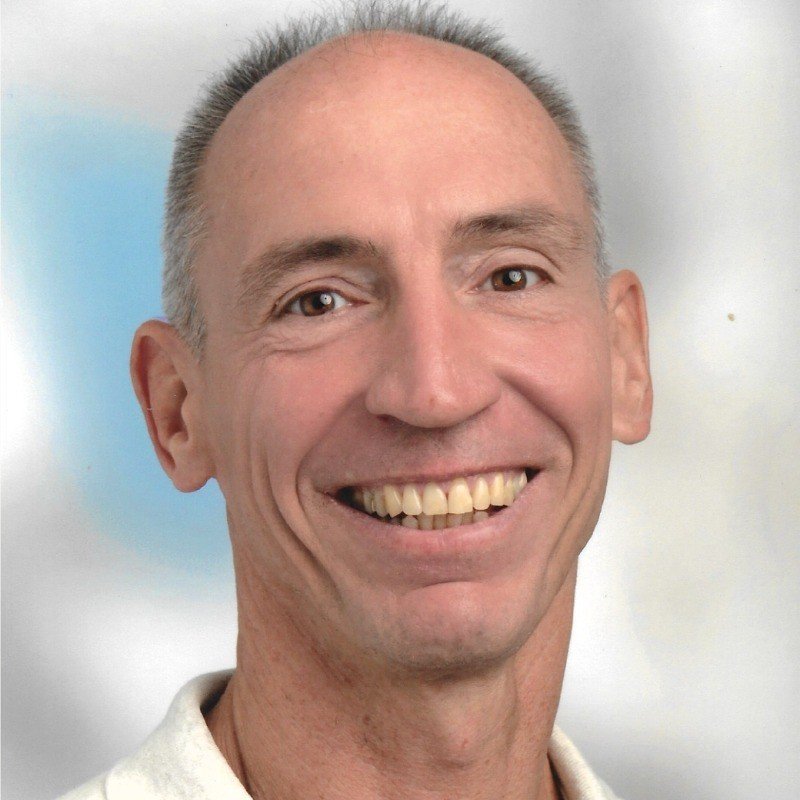
As an education professional with a background in Biology and Physics, Dr. Christoph Weber is the analytical heart of Fulfilled Humans. He ensures every piece of content is insightful and grounded in credible knowledge.
Disclaimer
The content on this post is for informational purposes only. It is not intended as a substitute for professional health or financial advice. Always seek the guidance of a qualified professional with any questions you may have regarding your health or finances. All information is provided by FulfilledHumans.com (a brand of EgoEase LLC) and is not guaranteed to be complete, accurate, or reliable.