
In 2026, structured hiring practices emerged as the key driver behind corporate America’s push toward genuine diversity gains. Companies ditched flashy, performative programs for methodical approaches paired with transparent pay ranges. This shift, noted on February 3 by Ivy Exec, signals diversity efforts hitting maturity. No longer just optics, these practices deliver measurable progress in equity and fairness.
From Performative to Practical Diversity

Corporate diversity initiatives faced scrutiny for years. Many programs stayed surface-level, focusing on announcements and one-off trainings without lasting change. The pivot in 2026 changed that. Ivy Exec highlighted how firms moved to structured hiring practices. These methods standardize interviews, evaluations, and decision-making. The result? Less room for subjective biases that once undermined hiring.
This maturation reflects broader U.S. workplace trends. Leaders recognized performative efforts failed to build inclusive teams. Structured approaches demand consistency across roles and candidates. Recruiters score applicants against clear criteria, from skills to experience. Such rigor weeds out favoritism, fostering hires based on merit.
Core Elements of Structured Hiring
Structured hiring practices center on uniformity. Every candidate faces the same questions and assessments. Panels use predefined rubrics to rate responses. This eliminates ad-hoc judgments that favor certain backgrounds. Ivy Exec’s observation ties directly to this: companies adopting these tools saw diversity mature rapidly.
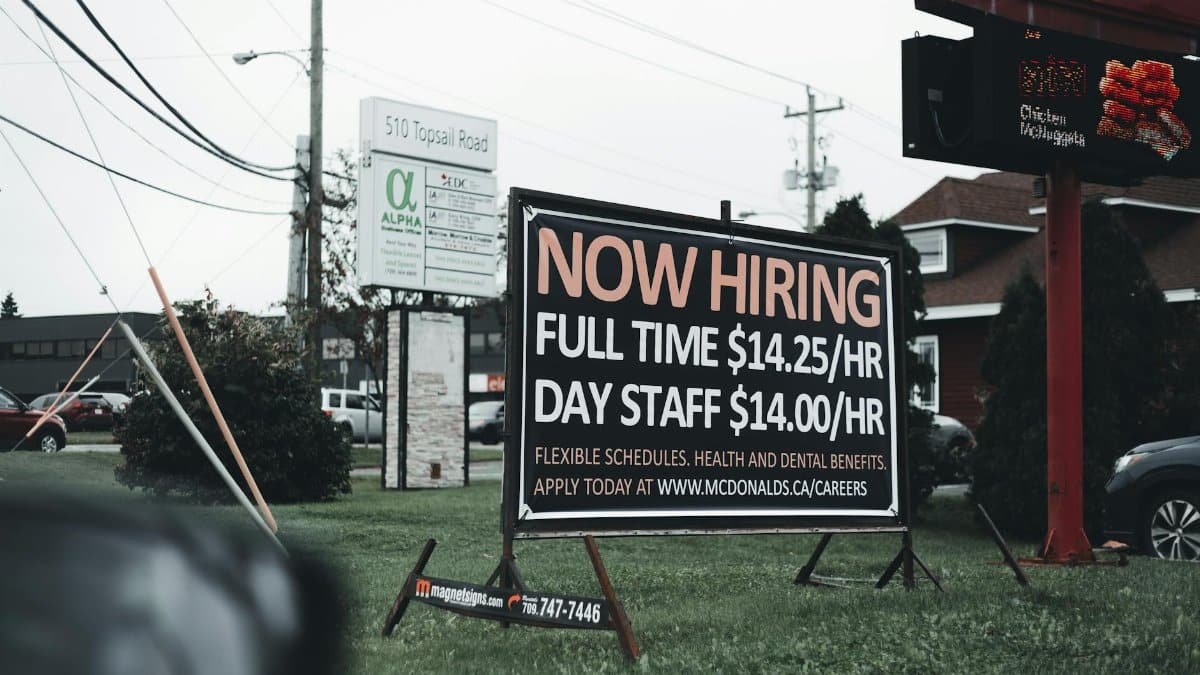
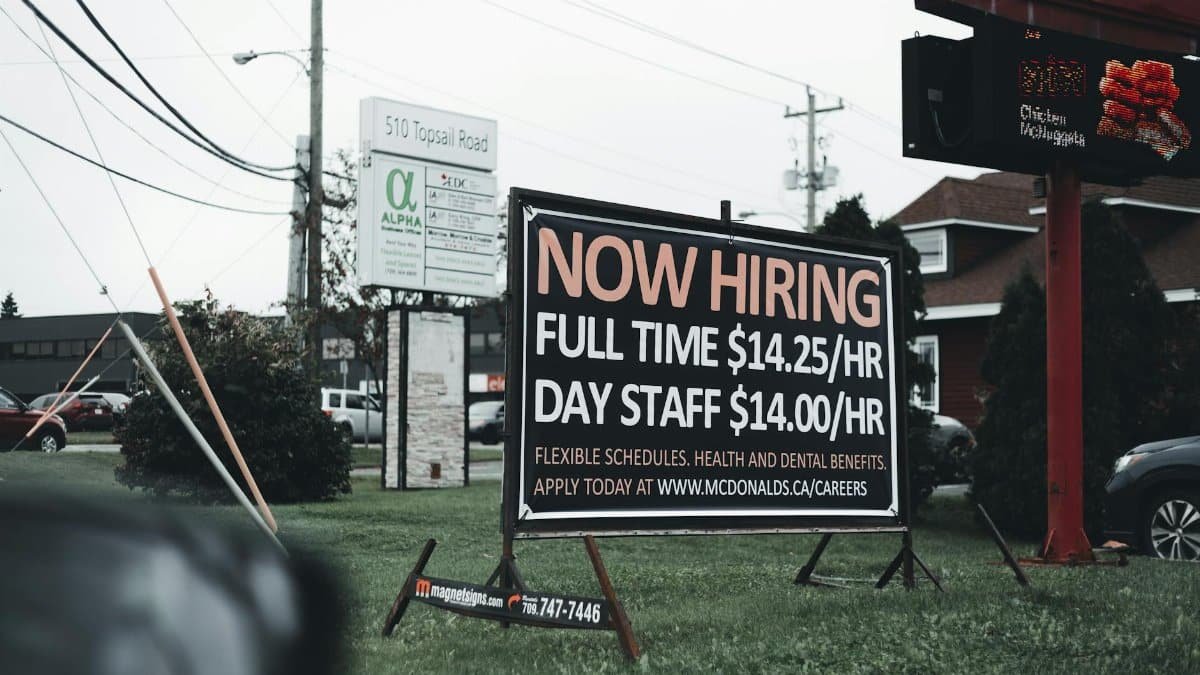
Transparency bolsters the process. Firms now publish pay ranges for open roles upfront. Candidates know compensation bands tied to job levels and locations. This openness curbs negotiation gaps often linked to gender or ethnicity. Together, structured hiring and pay clarity create a level field.
Reducing Bias at Its Root

Bias creeps into unstructured interviews through unconscious preferences. A reviewer’s rapport with a candidate might sway outcomes unfairly. Structured hiring practices counter this. Fixed protocols ensure decisions stick to evidence. Research from the Society for Human Resource Management (SHRM) backs the approach, showing structured methods cut bias by promoting objectivity.
In 2026, this translated to real shifts. Companies reported stronger diverse slates without quotas. Ivy Exec captured the moment: diversity matured precisely because practices became defensible and data-driven. Hiring managers tracked metrics like applicant-to-offer ratios by demographics, refining processes iteratively.
Transparent Pay Ranges as a Companion Tool

Pay transparency amplified structured hiring’s impact. Listing ranges in job postings demystifies compensation. Applicants self-select based on fit, reducing mismatches. For underrepresented groups, it closes information asymmetries that once led to underpayment.
Ivy Exec noted this duo—structured hiring and pay openness—marked the end of performative diversity. Firms in tech, finance, and consulting led the charge. They integrated tools like applicant tracking systems with bias audits. Outcomes included higher retention among diverse hires, as equitable starts built trust.
Company-Wide Shifts in 2026

Early 2026 data from Ivy Exec painted a clear picture. Major U.S. employers overhauled talent acquisition. Structured practices rolled out firm-wide, not siloed in HR. Executives championed the change, linking it to business performance. Diverse teams, they argued, drive innovation amid tight labor markets.
The timing aligned with regulatory pressures and talent wars. States mandated pay disclosures, pushing national adoption. Companies that lagged risked reputational hits. Those ahead gained edges in attracting top talent across demographics.
Measuring Success in Equity

Maturity means metrics. Structured hiring practices enable tracking. Firms monitor pass rates at each stage. Disparities trigger reviews, not excuses. Ivy Exec’s February report underscored this evolution: from vague commitments to audited results.
Equity metrics improved. Offer acceptance rates evened out. Promotion pipelines diversified as hiring set the foundation. Transparent pay ensured parity from day one, curbing turnover costs.
Challenges in Full Adoption

Not every company transitioned smoothly. Resistance came from managers wedded to gut-feel hiring. Training demands spiked initially. Yet, structured practices proved scalable. Templates and software eased rollout. Ivy Exec implied persistence paid off, with early adopters modeling the path.
Smaller firms watched larger peers, adapting affordably. The 2026 landscape favored those committing fully.
Broader Implications for Workplaces

This shift reshapes U.S. corporate culture. Structured hiring practices normalize fairness as standard operating procedure. Diversity matures beyond compliance into competitive advantage. Transparent pay reinforces it, signaling integrity.
Ivy Exec’s insight resonates amid ongoing DEI debates. Companies prioritizing substance over show build resilient teams. In a year defined by talent scarcity, these practices deliver.
Leaders now eye long-term integration. Annual audits and feedback loops sustain gains. The message is clear: structured approaches endure where performative ones faded.

A certified hypnotherapist, Reiki practitioner, sound healer, and MBCT trainer, Christopher guides our journey into the spiritual dimension, helping you tap into a deeper sense of peace and awareness.
Disclaimer
The content on this post is for informational purposes only. It is not intended as a substitute for professional health or financial advice. Always seek the guidance of a qualified professional with any questions you may have regarding your health or finances. All information is provided by FulfilledHumans.com (a brand of EgoEase LLC) and is not guaranteed to be complete, accurate, or reliable.