
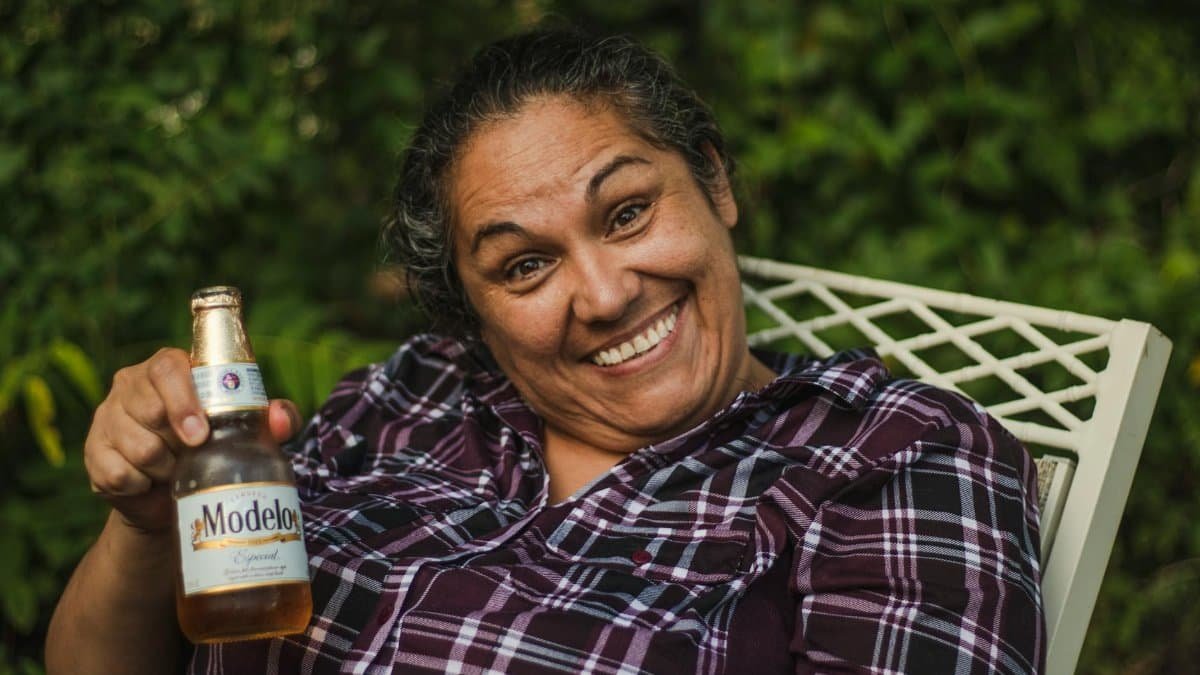
Companies are ditching the after-work bar scene for something deeper: social wellness retreats. This shift is gaining steam, with “Social Wellness” booming as firms opt for meaningful group wellness retreats over traditional happy hours, according to the Global Wellness Summit ( GWS ). Reported on January 27, 2026, the trend signals a push toward connection-building events that prioritize empathy and group bonding without the alcohol. U.S. workplaces, long reliant on casual drinks for networking, now eye these retreats as a fresher path to team cohesion.
The Surge in Social Wellness

Social wellness has hit a high note in corporate America. The GWS report captures this momentum perfectly. Companies see it as more than a buzzword. It’s a structured alternative to the standard post-work ritual. No longer content with small talk over cocktails, firms invest in retreats designed for genuine interaction. This boom reflects broader U.S. priorities in 2026: mental health and relational health take center stage amid hybrid work demands. The pivot underscores a cultural rethink, where wellness drives social ties.
Happy Hours Fade from Favor
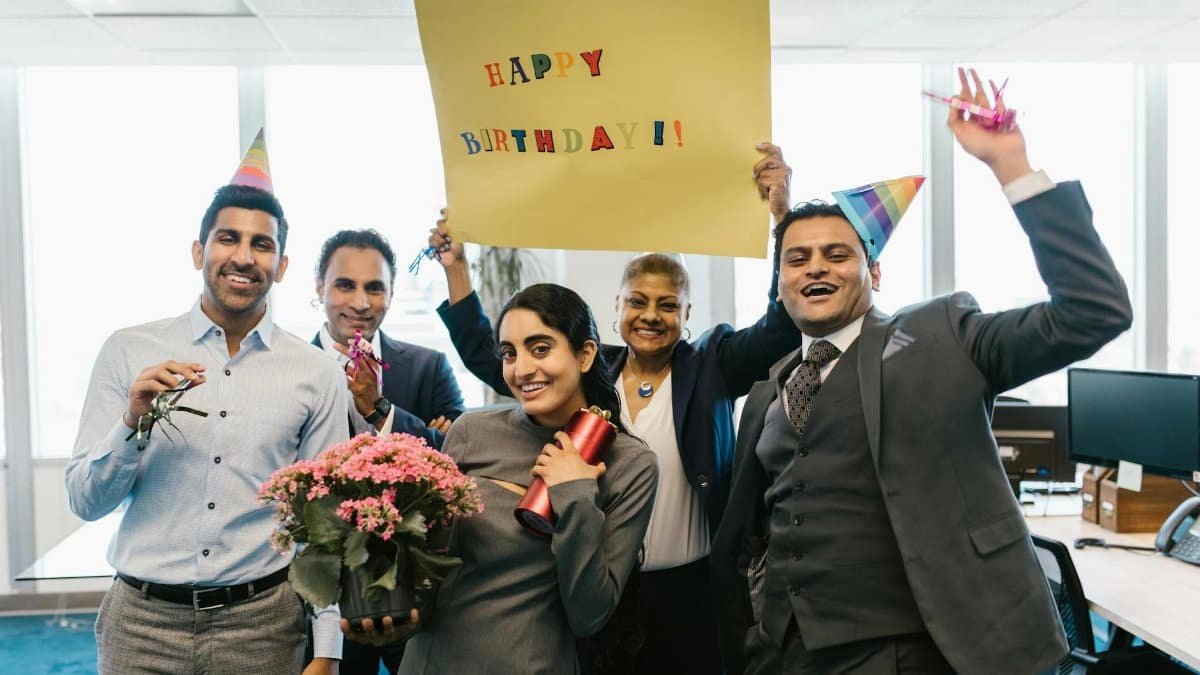
Post-work happy hours once defined workplace bonding. Now, they’re losing ground. The GWS insight points to companies trading these alcohol-centric gatherings for retreats. Why the change? Drinks often led to superficial chats or uneven participation. Retreats offer intentional spaces. U.S. firms report fatigue with the bar routine, especially as inclusivity concerns rise. No one wants to exclude non-drinkers or push late nights. This trade-off marks a deliberate move away from liquid networking toward sober, focused events.
Core Appeal of Group Retreats
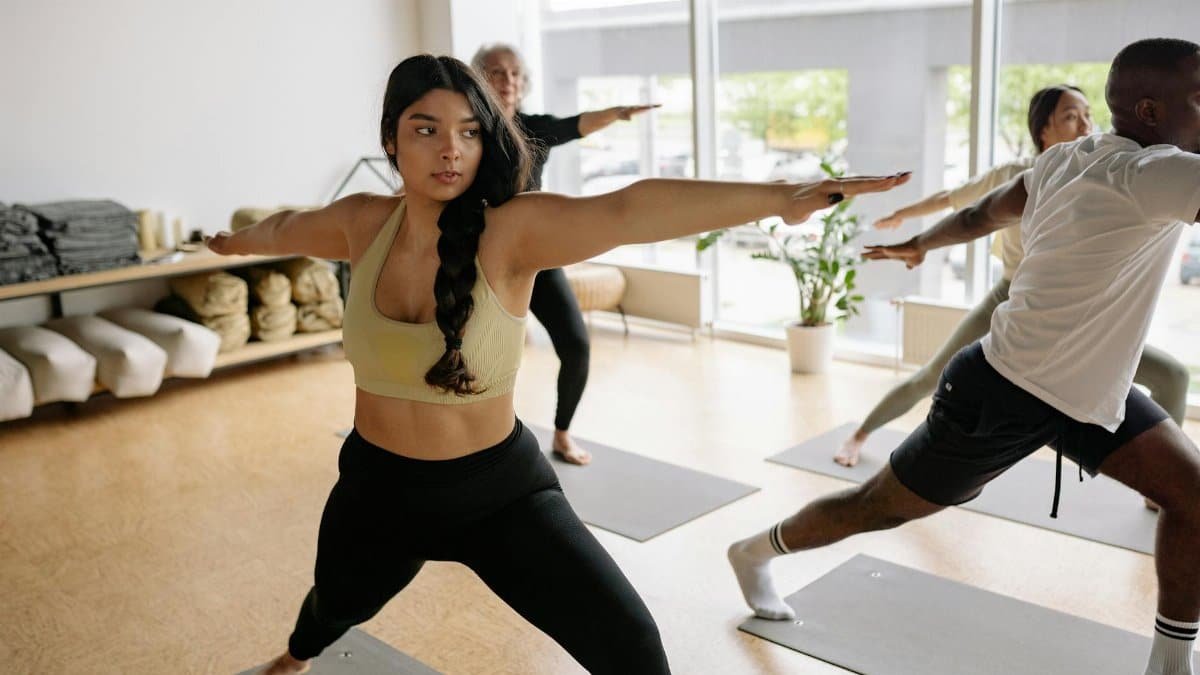
Meaningful group wellness retreats stand out for their purpose. GWS highlights how they foster deeper connections. Unlike happy hours’ loose vibe, these events build empathy through shared activities. Picture teams in off-site settings, engaging in wellness-focused exercises. The format suits U.S. companies navigating remote work isolation. Retreats pull groups together physically and emotionally. They replace fleeting toasts with lasting bonds, aligning with 2026’s emphasis on holistic employee well-being.
Corporate Motivations Behind the Shift
Firms lead the charge for practical reasons. GWS notes the boom stems from a desire for impactful socializing. Happy hours boosted morale short-term but fell short on depth. Social wellness retreats address that gap. They promote vulnerability and trust, key for modern teams. U.S. businesses, facing retention challenges, view these as retention tools. In a year like 2026, with wellness baked into HR strategies, companies bet on retreats to strengthen culture without the hangover.
Empathy at the Heart of Retreats
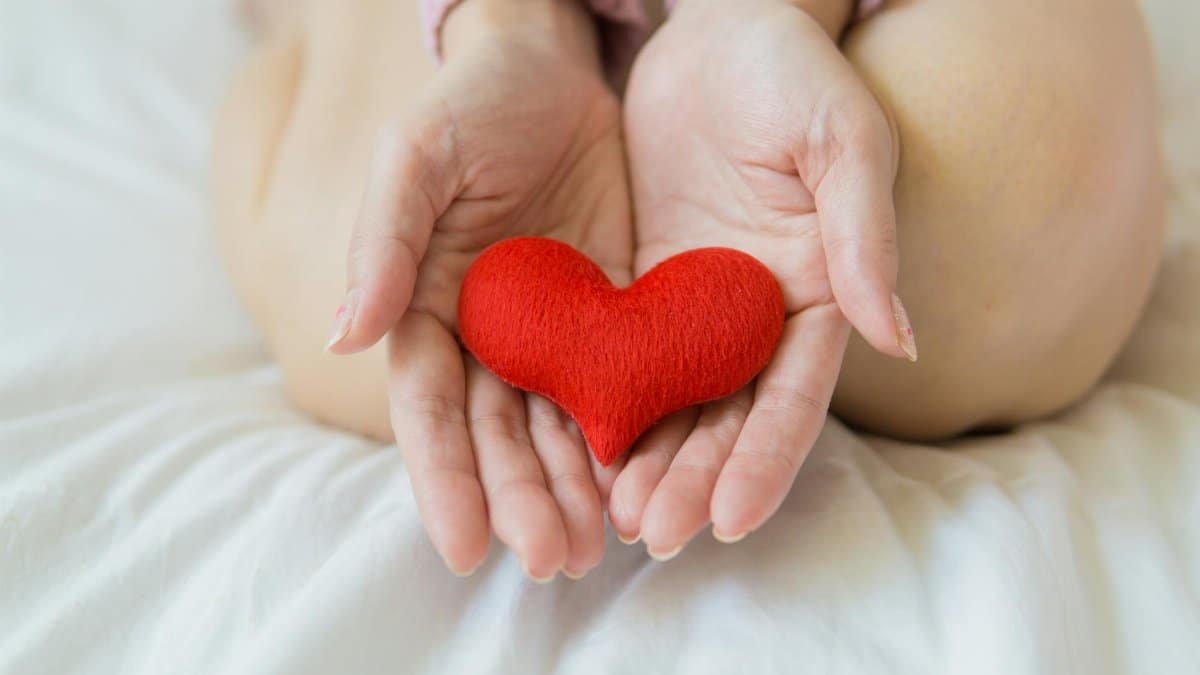
Empathy-building defines these events. The meta-shift from alcohol to wellness underscores this. GWS frames social wellness as retreats that encourage open dialogue. Groups tackle shared challenges, minus inhibitions from drinks. U.S. workplaces benefit from reduced misunderstandings. Such formats echo trends in emotional intelligence training. By January 2026, this approach resonates as firms prioritize psychological safety over pints.
Designing Effective Wellness Retreats

Success hinges on structure. GWS implies retreats thrive when meaningful. Companies curate agendas around group dynamics. Sessions might include mindfulness circles or collaborative wellness challenges. The goal: replace happy hour noise with signal. U.S. organizers draw from proven wellness models, ensuring accessibility. No elite escapes here—just practical offsites that recharge social batteries. This blueprint fuels the 2026 boom.
Workplace Connections Transformed
Retreats reshape how colleagues relate. GWS ties the trend to stronger networks. Happy hours sparked quick laughs; retreats build alliances. In U.S. offices, this means better collaboration post-event. Teams return with heightened awareness of each other’s needs. The alcohol-free focus sharpens interactions. As 2026 unfolds, expect this to ripple into daily operations, cutting silos and boosting unity.
GWS Insights Drive the Narrative
The Global Wellness Summit provides the data backbone. Their January 27, 2026, update spotlights “Social Wellness” growth. GWS tracks global shifts, with U.S. companies at the forefront. For deeper context, the Global Wellness Institute research echoes similar corporate wellness evolutions. These sources confirm retreats as a scalable fix for social deficits in work life.
Broader U.S. Wellness Landscape
This trend fits 2026’s U.S. wellness surge. Companies integrate social elements into broader programs. GWS positions retreats as a natural evolution. From tech hubs to manufacturing floors, adoption spreads. The happy hour decline paves the way. Firms gain from engaged workers who connect authentically. No stats needed—the momentum speaks volumes.
The rise of social wellness retreats cements a new norm. Companies lead by example, swapping shots for solidarity. GWS’s report sets the stage for sustained growth. In U.S. boardrooms, the message is clear: wellness wins when it’s social and structured.

Natasha is the heart of our exploration into conscious connection. Applying principles from multiple counseling courses in her own life, she guides you to cultivate stronger, more joyful bonds.
Disclaimer
The content on this post is for informational purposes only. It is not intended as a substitute for professional health or financial advice. Always seek the guidance of a qualified professional with any questions you may have regarding your health or finances. All information is provided by FulfilledHumans.com (a brand of EgoEase LLC) and is not guaranteed to be complete, accurate, or reliable.