
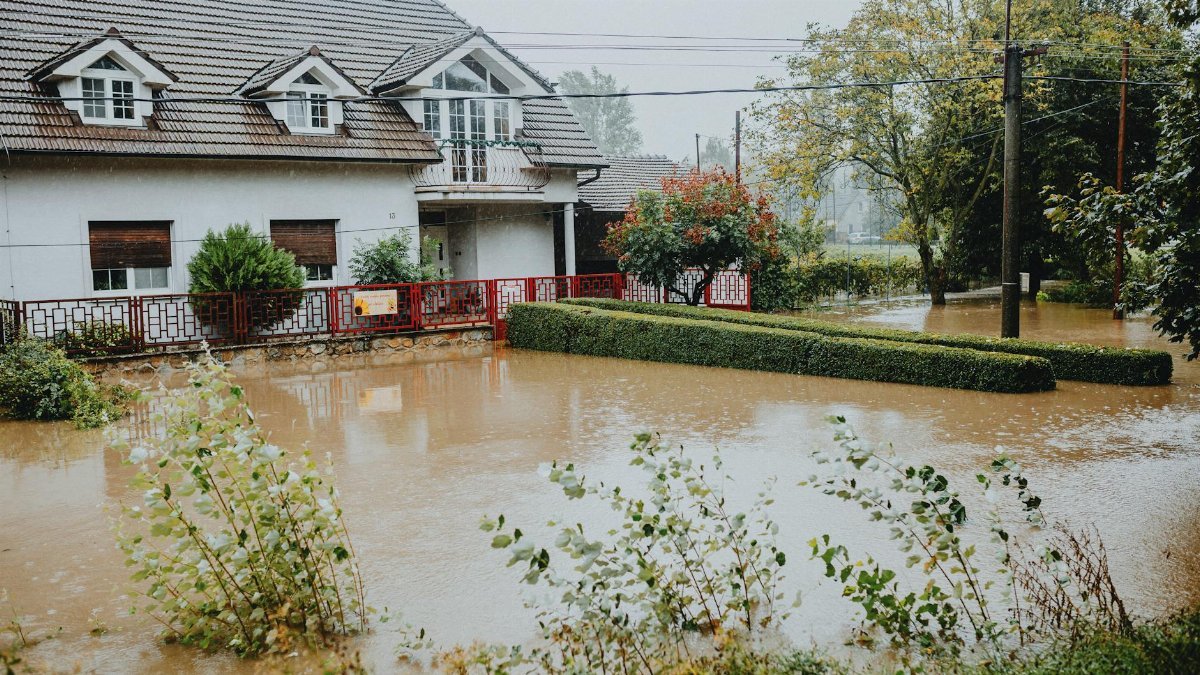
In 2026, “Ready is the New Well” emerged as a defining trend in personal health strategies. Climate resilience wellness took center stage, weaving climate preparedness directly into everyday wellness plans. This shift marks a pivotal moment where disaster readiness becomes inseparable from overall well-being. According to the Global Wellness Summit (GWS), reported on January 27, individuals now prioritize proactive measures against climate threats as essential self-care. The trend underscores a broader recognition that true wellness demands readiness in an era of intensifying environmental risks.
The Origin of “Ready is the New Well”

The phrase “Ready is the New Well” captured national attention in early 2026. It signals a cultural pivot where traditional notions of wellness expand to include climate preparedness. No longer sufficient to focus solely on fitness or nutrition, personal health routines now incorporate strategies for environmental disruptions. GWS highlighted this integration as a trendsetter, reflecting how Americans adapt wellness plans to address real-world climate vulnerabilities. This evolution positions readiness as a foundational pillar of health.
Climate Preparedness Meets Daily Wellness

Climate resilience wellness fuses disaster readiness with routine self-care. Wellness plans once centered on yoga or meditation now feature emergency kits and evacuation drills. GWS notes this direct integration transforms abstract climate concerns into actionable habits. Individuals build resilience by embedding preparedness into schedules, ensuring physical and mental health withstands storms, heatwaves, or floods. The trend gained traction as climate events underscore the limits of conventional wellness approaches.
Why Readiness Defines Modern Wellness

In an age of frequent climate disruptions, being “well” means being ready. GWS’s January 27 report frames this as a defining shift. Wellness enthusiasts recognize that unpreparedness leads to stress and health setbacks during crises. Climate resilience wellness counters this by promoting proactive planning. It elevates emergency stockpiles and risk assessments to the level of daily vitamins or workouts. This mindset fosters long-term security, aligning personal health with planetary challenges.
Key Components of Integrated Plans

Effective climate resilience wellness plans blend preparedness seamlessly. Core elements include home fortifications against extreme weather and community networks for mutual aid. GWS emphasizes how these fit into wellness calendars alongside sleep tracking or meal prepping. Mental resilience training, such as scenario simulations, bolsters emotional strength. Physical drills ensure mobility during evacuations. This holistic approach redefines wellness as comprehensive readiness.
Practical Integration Strategies

Adopting climate resilience wellness starts with simple adjustments. Wellness apps now prompt users for backup power checks or water storage reviews. GWS trends show this direct incorporation boosts compliance. Families schedule “readiness reviews” like weekly workouts. Neighborhood groups host preparedness workshops framed as wellness events. These steps make climate action feel routine, not burdensome, embedding it deeply into lifestyle choices.
Health Benefits of Climate Readiness

Integrating preparedness yields tangible wellness gains. Reduced anxiety from knowing one’s plan works enhances mental health. Physical prep builds endurance for real emergencies. GWS positions this trend as a health multiplier. During climate events, prepared individuals recover faster, maintaining wellness continuity. This proactive stance prevents the wellness disruptions caused by unforeseen disasters, proving readiness enhances overall vitality.
Societal Shifts Driven by the Trend

“Ready is the New Well” ripples beyond individuals. Communities adopt collective wellness plans with shared resources. GWS reports this as a defining 2026 movement. Businesses integrate climate drills into employee wellness programs. Policymakers note rising public demand for resilient infrastructure. The trend fosters a culture where climate preparedness unites diverse groups under the wellness banner, amplifying national resilience.
GWS Insights on the Trend’s Momentum

The Global Wellness Summit provided key validation on January 27, 2026. Their analysis deems “Ready is the New Well” transformative, with climate preparedness now a wellness staple. GWS tracks how this integration accelerates amid rising climate data. For deeper context on wellness trends, see the Global Wellness Summit site. This source underscores the trend’s roots in evidence-based shifts.
Building Personal Climate Resilience
Individuals craft climate resilience wellness through tailored actions. Stock essential supplies, map escape routes, and practice responses. GWS highlights these as direct wellness enhancers. Stay informed via reliable alerts, treating updates like health metrics. Regular reviews keep plans sharp, mirroring fitness progress checks. This disciplined approach ensures wellness withstands climate pressures.
Climate resilience wellness redefines health in 2026. The “Ready is the New Well” trend, per GWS, proves disaster preparedness belongs in every plan. For U.S. emergency guidelines supporting such integration, consult the CDC’s Center for Preparedness and Response. This movement equips Americans to thrive amid uncertainty, merging readiness with well-being.

A certified hypnotherapist, Reiki practitioner, sound healer, and MBCT trainer, Christopher guides our journey into the spiritual dimension, helping you tap into a deeper sense of peace and awareness.
Disclaimer
The content on this post is for informational purposes only. It is not intended as a substitute for professional health or financial advice. Always seek the guidance of a qualified professional with any questions you may have regarding your health or finances. All information is provided by FulfilledHumans.com (a brand of EgoEase LLC) and is not guaranteed to be complete, accurate, or reliable.