

New data from HubStar shows 67% of organizations have adopted hybrid work models, with employees averaging 3.74 days in the office each week. This trend marks a heavy pivot toward collaborative activity based workspaces, reshaping how companies design their offices for maximum efficiency and interaction.
The findings, released January 16, 2026, highlight a clear evolution in workplace strategies. As remote and in-office days blend, firms prioritize flexible environments that support diverse tasks over traditional assigned desks.
Hybrid Work Takes Hold
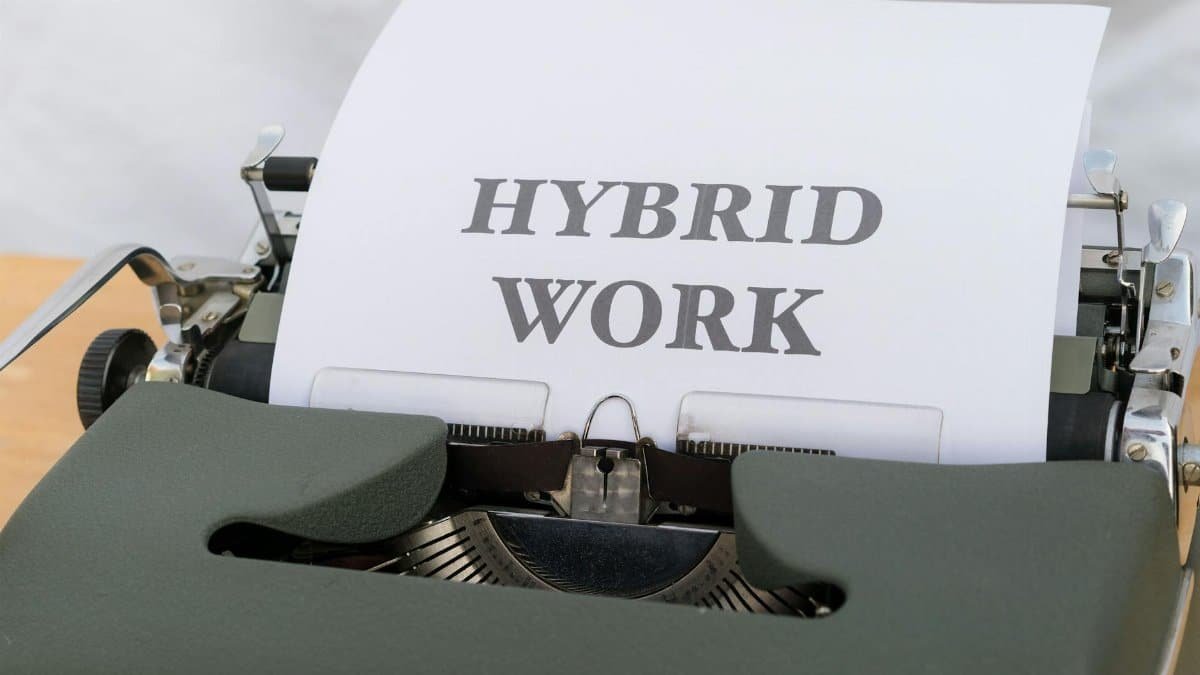
HubStar’s analysis confirms hybrid arrangements dominate. Fully 67% of organizations mix remote and office time, reflecting a post-pandemic reality where flexibility drives retention and productivity.
This model balances individual focus at home with team synergy onsite. Organizations report smoother operations as workers choose days based on needs, cutting unnecessary commutes.
Average Office Days Breakdown

Workers log 3.74 office days weekly on average. This figure signals a departure from five-day weeks, freeing resources for targeted space use.
Less frequent visits mean offices must pack more punch per day. Static desks sit empty more often, pushing demand for versatile setups.
Activity-Based Workspaces Defined

Activity based workspaces allocate areas by task—quiet zones for heads-down work, open areas for brainstorming, tech-equipped nooks for calls. No fixed desks; users book spaces matching their schedule.
HubStar data ties this directly to hybrid shifts. With fewer days in, every visit counts toward collaboration, not isolation.
Collaborative Shift Accelerates

The data reveals a heavy lean into collaborative activity based workspaces. Organizations redesign to foster interaction, ditching rigid layouts for fluid ones.
These spaces boost serendipitous encounters and team huddles, vital when office time is premium. HubStar notes this as the dominant trend.HubStar Insights underscore how such designs align with hybrid realities.
Driving Forces Behind the Pivot

Hybrid’s 67% adoption stems from worker demands and cost savings. Averaging under four office days slashes real estate needs by up to 40%, though HubStar focuses on usage patterns.
Organizations adapt by emphasizing high-value activities onsite. Collaboration thrives in tailored environments, per the report.
Office Design Implications
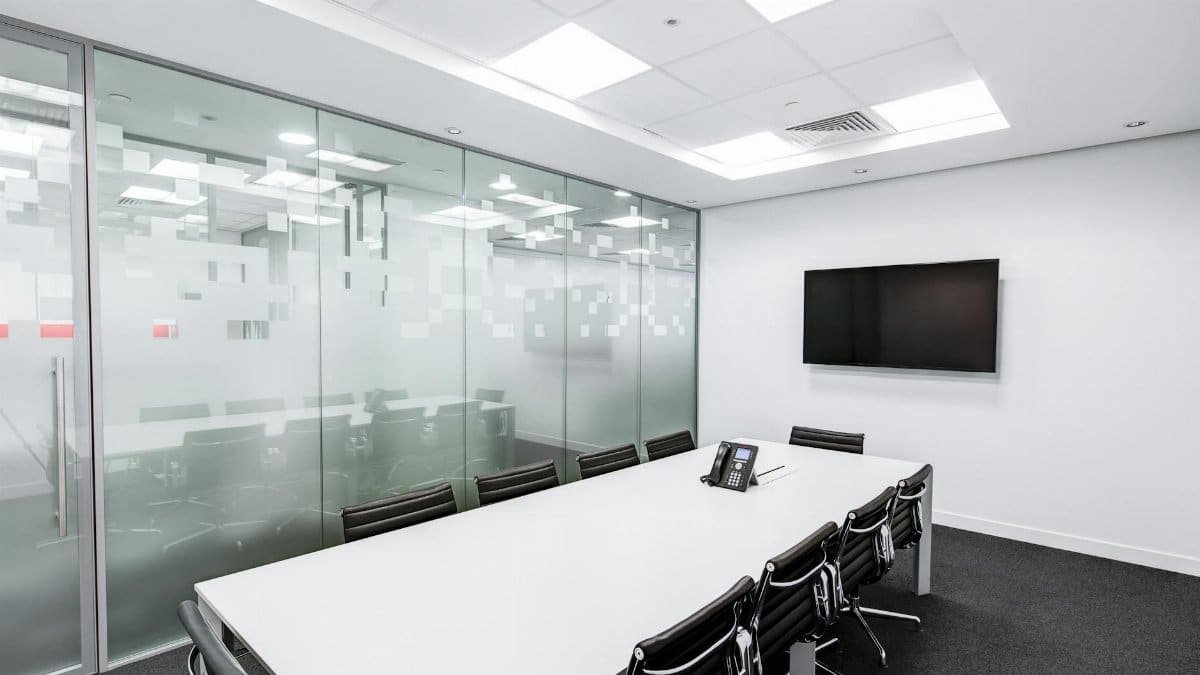
Traditional cubicles fade as activity based workspaces rise. Firms install varied zones: lounge-style for casual talks, focus pods for solo tasks, meeting hubs for groups.
This matches the 3.74-day rhythm, ensuring spaces hum during peak presence. HubStar’s stats validate the efficiency gains.
Benefits for Productivity

Collaborative layouts spark innovation. With hybrid workers in selectively, activity based workspaces maximize those moments, channeling energy into joint projects.
Data shows organizations embracing this see better space utilization. Empty desks become history, replaced by dynamic, purpose-fit areas.Deloitte on Hybrid Work Design echoes these patterns in broader research.
Challenges in Transition

Shifting to activity based workspaces demands tech for booking and analytics. HubStar’s data implies organizations investing here stay ahead.
Employee buy-in matters too. Clear signage and training ease the move from assigned seats to flexible ones, aligning with hybrid norms.
Future-Proofing Offices
As 67% go hybrid, the 3.74-day average sets a benchmark. Collaborative activity based workspaces position companies for sustained agility.
HubStar’s January 2026 release serves as a wake-up call. Firms slow to adapt risk underused spaces amid evolving work habits.
This data-driven pivot redefines offices as activity hubs, not desk farms. Organizations tracking usage, like those in HubStar’s study, lead the charge into efficient, collaborative eras.

Natasha is the heart of our exploration into conscious connection. Applying principles from multiple counseling courses in her own life, she guides you to cultivate stronger, more joyful bonds.
Disclaimer
The content on this post is for informational purposes only. It is not intended as a substitute for professional health or financial advice. Always seek the guidance of a qualified professional with any questions you may have regarding your health or finances. All information is provided by FulfilledHumans.com (a brand of EgoEase LLC) and is not guaranteed to be complete, accurate, or reliable.