

The health industry has ditched BMI for good. Muscle mass marker now serves as the primary indicator of metabolic health, marking a seismic shift announced in December 2025. According to Prenuvo, this change prioritizes body composition over outdated weight ratios. Doctors and wellness experts agree: tracking muscle levels offers a sharper view of risks like insulin resistance and energy regulation. As 2026 unfolds, clinics nationwide adopt this metric to guide treatments more precisely.
Why BMI Fell Out of Favor

BMI long dominated health checks, but its flaws became undeniable. It lumps muscle, fat, and bone together, ignoring distribution. A high BMI could signal an athlete’s strength or dangerous fat buildup. The industry recognized this gap. By late 2025, leaders pushed for alternatives. Muscle mass emerged as superior because it directly ties to metabolic function. Prenuvo highlighted how BMI misses the mark on vitality. This pivot reflects years of mounting evidence that body composition drives health outcomes.
Muscle Mass as the New Standard

Muscle mass now anchors metabolic assessments. Unlike BMI’s simple height-weight formula, this marker measures lean tissue volume. More muscle correlates with better glucose control and fat burning. The health sector’s move signals confidence in its reliability. Prenuvo’s December 2025 statement crystallized the trend: track muscle to predict metabolic issues early. U.S. providers, from primary care to specialists, integrate it into routine scans. This focus sharpens interventions, targeting sarcopenia or low-mass states linked to disease.
Metabolic Health Redefined

Metabolic health hinges on efficient energy use. Muscle acts as the body’s engine, burning calories and stabilizing blood sugar. Low mass raises risks for syndrome markers like high triglycerides. The shift to muscle mass marker underscores this. Industry voices, led by Prenuvo, argue it outperforms BMI in spotting vulnerabilities. In practice, elevated muscle levels predict resilience against age-related decline. As 2026 progresses, expect guidelines to embed this metric, reshaping how Americans monitor wellness.
Prenuvo’s Pivotal Announcement

Prenuvo drove the conversation with its December 2025 reveal. The company, known for advanced imaging, positioned muscle mass as essential. Their data showed BMI’s inadequacy in diverse populations. Now, scans quantify muscle precisely, bypassing BMI’s bluntness.Prenuvo leads with whole-body MRI tech tailored for this. Their stance resonates across the U.S., influencing protocols from California clinics to East Coast labs. This source ignited broader adoption.
Practical Shifts in Clinical Practice
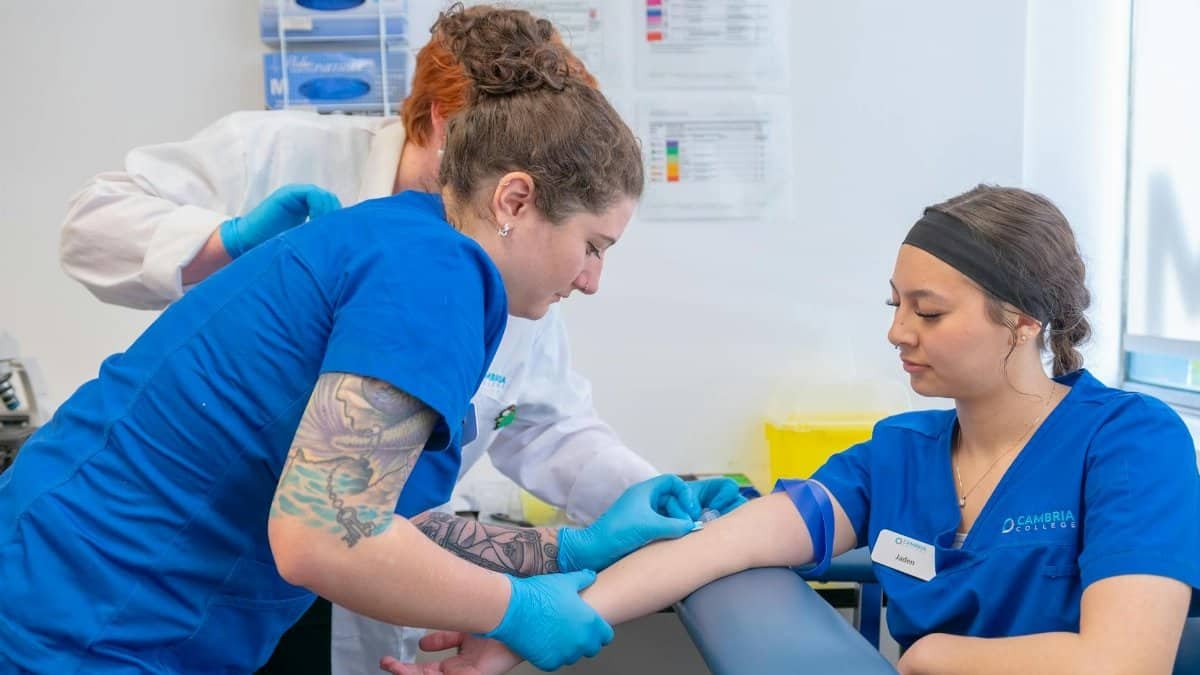
Doctors now prioritize muscle scans over scales. Routine checkups include composition analysis. Patients receive actionable insights: build muscle to boost metabolism. The industry’s evolution means less reliance on BMI charts. Prenuvo’s influence extends to partnerships with health networks. In 2026, expect insurance to cover these assessments more readily. This change empowers precise care, focusing on muscle preservation through diet and resistance training.
Evidence Backing the Change

Research supports muscle mass’s primacy. Studies link higher lean mass to lower metabolic risks. For instance, low muscle predicts insulin issues independent of fat.This NIH-supported review details how muscle protects against cardiometabolic threats. Prenuvo aligns with such findings, urging the field forward. BMI, by contrast, overlooks these dynamics. The 2025 announcement synthesizes this evidence into policy.
Implications for Everyday Health

Americans stand to benefit directly. Muscle mass tracking encourages strength-focused lifestyles. Gyms and apps now highlight it alongside steps or calories. The post-BMI era stresses resistance over cardio alone. Prenuvo’s call amplifies public awareness. In 2026, wellness programs pivot accordingly. Those with low markers get tailored plans, averting metabolic drift. This democratizes advanced health intel, making it routine.
Looking Ahead in U.S. Health

The muscle mass marker solidifies as 2026 standards take hold. Health organizations refine tools for widespread use. Prenuvo’s vision points to integrated tech—wearables, home devices, full scans. BMI fades to history, replaced by composition insights. Expect federal guidelines to nod to this by mid-year. The shift promises proactive care, catching issues before they escalate. Muscle mass leads the way to healthier metabolisms nationwide.

As an education professional with a background in Biology and Physics, Dr. Christoph Weber is the analytical heart of Fulfilled Humans. He ensures every piece of content is insightful and grounded in credible knowledge.
Disclaimer
The content on this post is for informational purposes only. It is not intended as a substitute for professional health or financial advice. Always seek the guidance of a qualified professional with any questions you may have regarding your health or finances. All information is provided by FulfilledHumans.com (a brand of EgoEase LLC) and is not guaranteed to be complete, accurate, or reliable.