
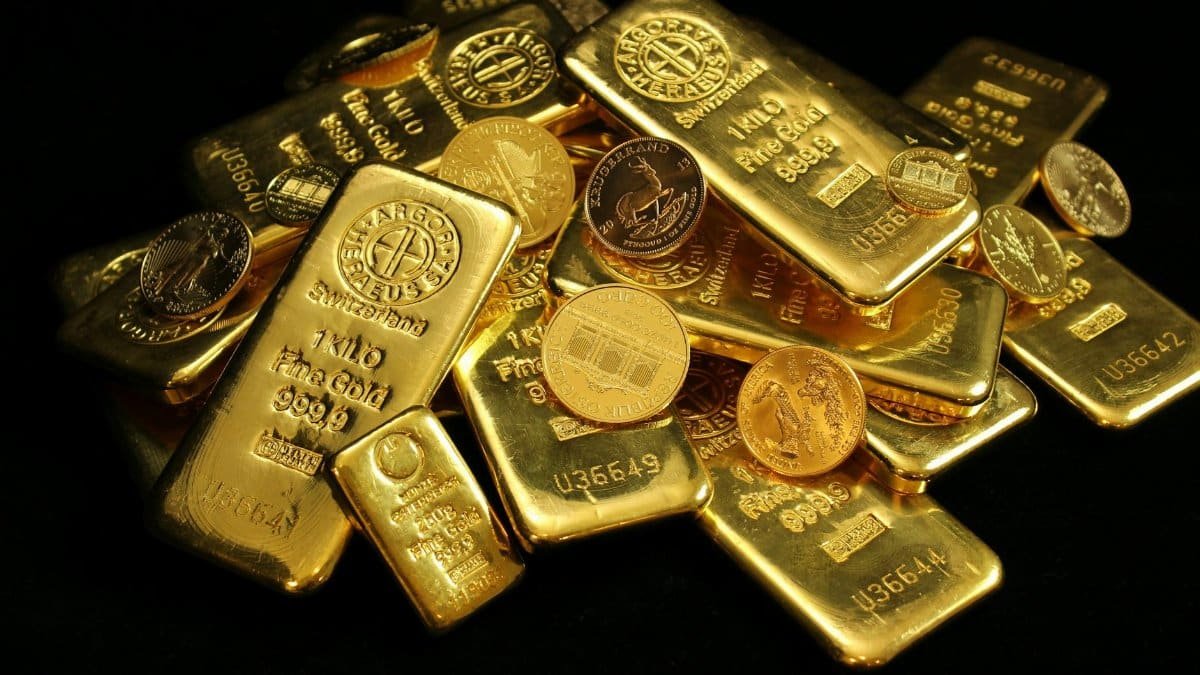
Gold prices hit record highs this summer, climbing over 30 percent year-to-date amid fresh waves of geopolitical unrest, data from the World Gold Council shows. Investors from New York to San Francisco are turning to this ancient asset once more. Yet the rush raises a core question: Does a traditional gold investment strategy still shield portfolios from the chaos of wars, trade disputes, and election upheavals? In an era of skyrocketing inflation fears and supply chain breakdowns, gold’s allure persists. But success demands more than buying bars or coins. It requires understanding its mechanics, risks, and place in a diversified mix. This piece unpacks whether gold truly merits its crown as the ultimate hedge.
The Enduring Myth of Gold as Safe Haven
Nations have prized gold for millennia. Pharaohs hoarded it. Spanish galleons sank under its weight. Today, central banks stockpile it too. Russia added 38 tons to reserves last quarter alone, per International Monetary Fund figures. The appeal boils down to scarcity and stability. Unlike paper currencies prone to debasement, gold holds intrinsic value. During the 1970s oil crisis, it soared as dollars weakened. Fast forward, and similar patterns emerge. A retiree in Chicago recently shared how a modest gold holding preserved his nest egg through market dips. He watched stocks plummet while his gold bars gleamed untouched in a safe deposit box. That story echoes across forums, where everyday investors voice relief amid volatility. Still, myths persist. Gold does not always rise in tandem with crises. It shines brightest when faith in fiat erodes.
Geopolitical Storms Fueling Today’s Demand
Tensions simmer from Ukraine to the South China Sea. Sanctions bite. Supply routes fray. Gold thrives in such shadows. Consider 2022’s invasion spikes; prices jumped 18 percent in weeks, as reported by the Bloomberg Commodities Index. Now, with U.S.-China tariffs looming and Middle East flare-ups, analysts predict sustained pressure. A commodities trader in Houston leaned back in his office chair last month, staring at screens. “Gold’s not just metal,” he said. “It’s insurance against the unknown.” Data backs him. The IMF’s International Financial Statistics track how emerging market central banks doubled gold buys since 2020. For U.S. investors, this means opportunity. But geopolitics cuts both ways. Sudden de-escalations can trigger sell-offs, leaving latecomers exposed.
Physical Gold: Bars, Coins, and the Tangible Edge
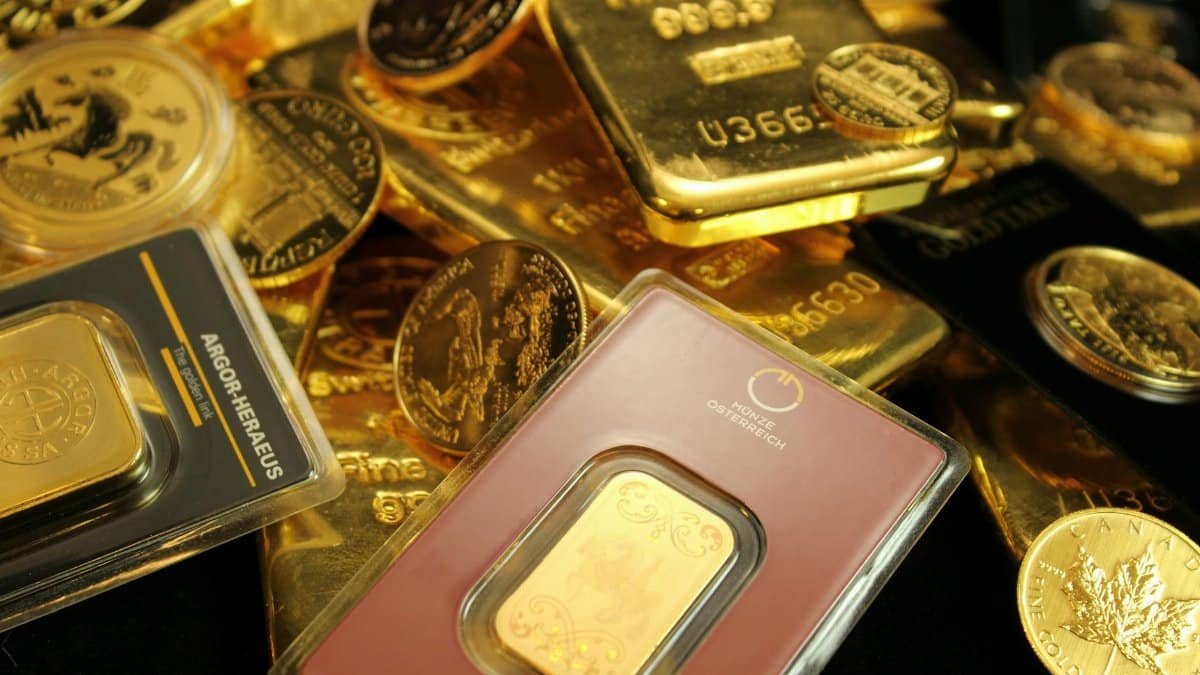
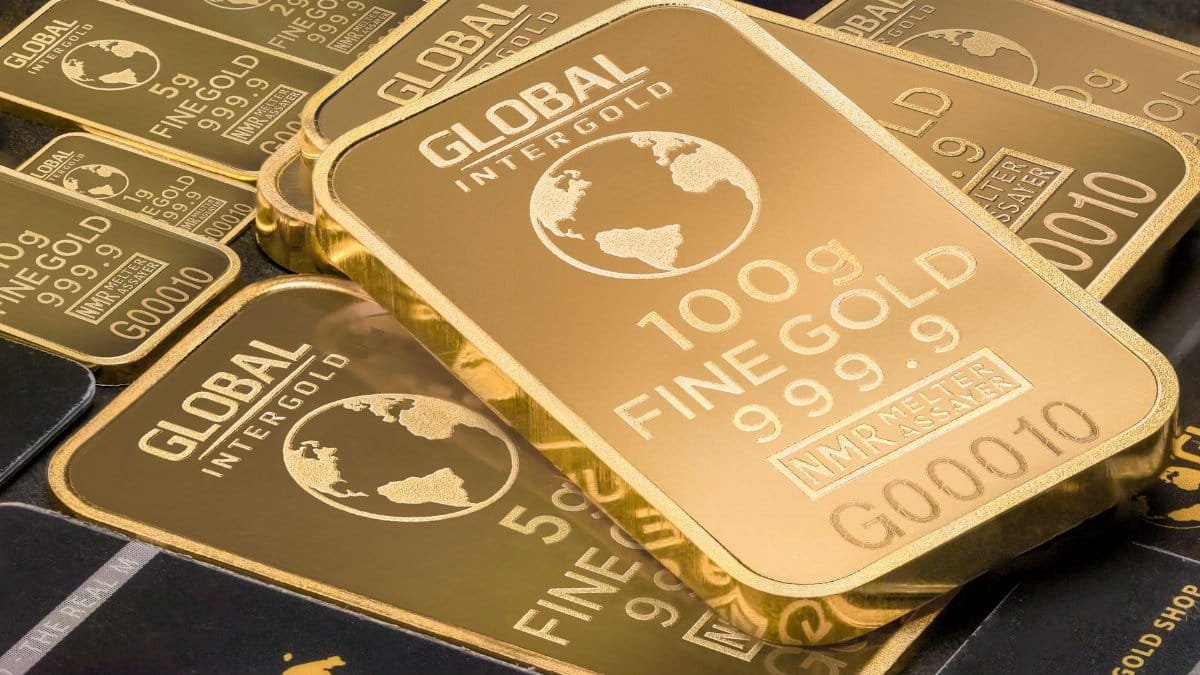
Nothing matches the weight of real gold in hand. American Eagles or Canadian Maple Leafs offer purity and liquidity. Buy from reputable dealers like APMEX or local shops vetted by the Better Business Bureau. Storage poses the first hurdle. Home safes work for small amounts, but banks charge fees for larger vaults. One Midwest family stored ounces in a fireproof safe, only to fret over theft risks during a storm. They switched to allocated storage. Costs run 0.5 to 1 percent annually. Premiums over spot price add up too, often 3 to 5 percent for coins. Yet the psychology matters. Holding physical gold feels secure. In a cyber-threatened world, it sidesteps digital vulnerabilities. Verify authenticity with sigma testers or assayers. This form suits long-term holders betting on catastrophe.
Gold ETFs: Access Without the Hassle

For those dodging vault keys, exchange-traded funds deliver. SPDR Gold Shares (GLD) tracks prices faithfully, holding actual bullion in London vaults. Fees hover at 0.40 percent yearly. Trading like stocks, they fit any brokerage account. Volume surges during uncertainty; GLD saw inflows topping $2 billion in early 2026. A software engineer in Seattle allocated 5 percent of his portfolio this way. “No shipping boxes,” he noted. “Just clicks.” Leveraged options like UGL amplify moves but magnify losses. Critics point to counterparty risks, though custodians like HSBC reassure. ETFs democratize gold. Yet they lack physical delivery. Redeem shares for bars only in massive quantities. Ideal for tactical plays.
Optimal Allocation in Modern Portfolios

How much gold? Finance legends differ. Ray Dalio suggests 5 to 10 percent for balance. Vanguard studies show 2 to 5 percent cuts volatility without sacrificing returns. Tailor to risk. Conservative savers lean higher amid inflation above 3 percent. A Phoenix advisor reviewed client books last week. One portfolio, heavy in tech stocks, added gold post a Taiwan Strait alert. Returns stabilized. Rebalance yearly. Sell highs, buy dips. Tools like Portfolio Visualizer simulate outcomes. Gold correlates lowly with equities, per historical CFA Institute research. That diversification powers hedges. Overallocate, though, and opportunity costs mount. Stocks outpace gold long-term.
Timing Challenges and Common Pitfalls

Markets punish timers. Gold’s cycles span years, not days. Buy on dollar weakness or rate cuts. Federal Reserve pauses often spark rallies. Yet emotions trip investors. FOMO drove peaks in 2011; prices halved after. One forum poster lamented chasing highs: “Sold my tech for gold at $1,900. Now regretting both.” Dollar-cost average instead. Invest fixed sums monthly. Avoid leverage unless expert. Margin calls crushed speculators in past corrections. Track macro cues: real yields, VIX spikes. Apps like TradingView chart sentiment. Patience defines winners. Gold rewards holders over traders.
Costs That Erode Returns Over Time

Shine fades under fees. Physical storage, insurance, bid-ask spreads nibble. ETFs charge management. Taxes sting too. Long-term gains hit 28 percent max for collectibles. Short-term? Ordinary income rates. Roth IRAs shelter growth, but physical gold rarely qualifies. State sales taxes apply on purchases. A Dallas investor tallied: premiums, storage, and spread cost 1.5 percent yearly. Compounding hurts. Compare to low-cost index funds. Opportunity lingers. Gold yields nothing. No dividends. Inflation must outpace to justify. Weigh these drags carefully.
Benchmarks Against Other Hedges

Versus Treasuries? Bonds yield steadily but falter in inflation. Bitcoin tempts as “digital gold,” yet volatility dwarfs. Gold’s beta nears zero in crashes. Silver trails as industrial metal. Commodities baskets spread risk. A 2026 Morningstar analysis pitted assets head-to-head. Gold topped drawdown protection during 2022’s bear market. Still, no hedge is perfect. Crypto flashed briefly but crashed harder. Bonds rallied on rate hopes. Blend them. Gold complements, does not replace.
Crafting a Resilient Gold Investment Strategy
Start simple. Assess goals: preservation or growth? Age matters. Younger folks tilt equities; elders favor stability. Monitor news without obsession. Use stop-losses sparingly. Consult fiduciaries. In 2026’s fractured landscape, gold fits as 5 percent ballast. Test scenarios. Backtests via Yahoo Finance affirm resilience. One veteran fund manager sipped coffee in his Denver office. “Gold’s not for quick riches,” he said. “It’s for sleeping soundly.” Layer in via ETFs for liquidity, physical for conviction. Revisit quarterly. Adapt to Fed shifts, election outcomes. This balanced gold investment strategy hedges without obsession. It endures.

With a career spanning investment banking to private equity, Dominik brings a rare perspective on wealth. He explores how money can be a tool for personal freedom and positive impact, offering strategies for abundance that align with your values.
Disclaimer
The content on this post is for informational purposes only. It is not intended as a substitute for professional health or financial advice. Always seek the guidance of a qualified professional with any questions you may have regarding your health or finances. All information is provided by FulfilledHumans.com (a brand of EgoEase LLC) and is not guaranteed to be complete, accurate, or reliable.