
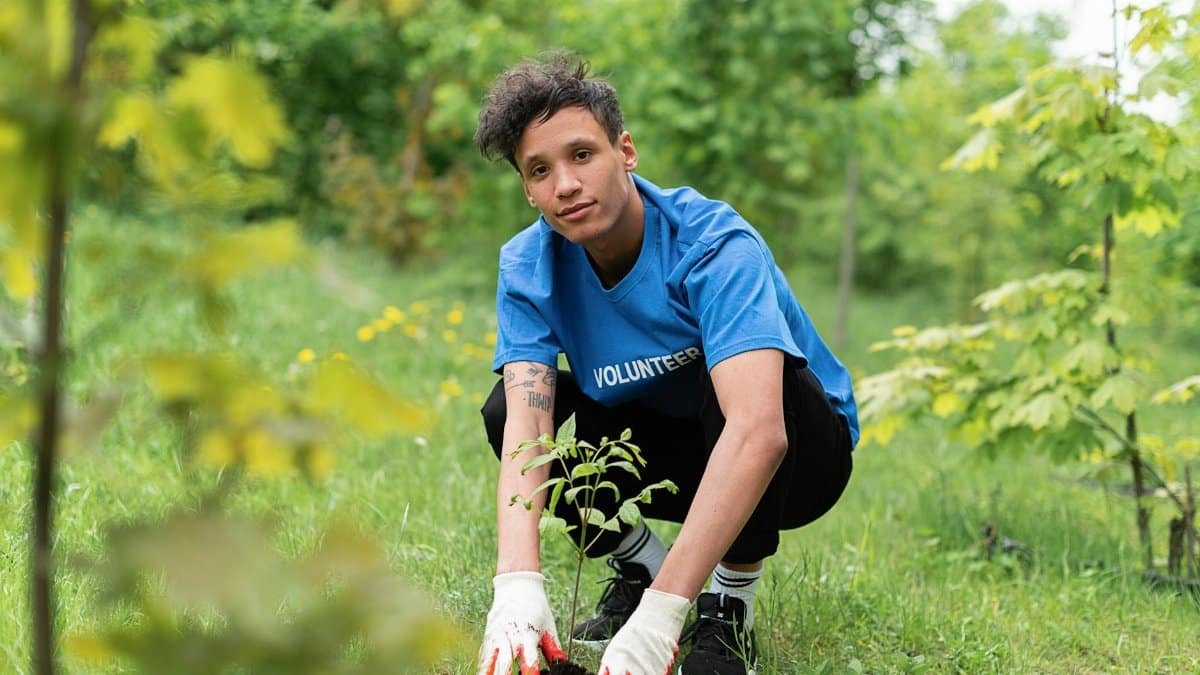
Volunteers gathered at dawn in the dew-kissed paths of a Midwestern botanical garden. They clipped overgrown vines and mulched flower beds under a canopy of budding oaks. Moments like these capture the quiet rhythm of local botanical garden volunteering. More than a hobby, it draws people seeking purpose amid daily grind. Gardens across the country buzz with activity year-round. From coastal conservatories to desert oases, these green spaces rely on everyday helpers. Participation has surged as urban dwellers crave outdoor escapes. A single shift can unearth unexpected joys: the scent of fresh soil, laughter among strangers turned friends, and the satisfaction of nurturing life. This hands-on work bridges generations and heals divides. In an era of screen fatigue, it offers tangible impact.
Finding Gardens That Need You

Start close to home. Most cities boast at least one botanical garden. Search public directories or city park websites. The American Public Gardens Association lists over 400 member sites nationwide, complete with volunteer portals.American Public Gardens Association directory. Enter your zip code on VolunteerMatch.org. Filter for “botanical” or “horticulture.” Opportunities pop up instantly: weeding parties in Seattle, propagation workshops in Atlanta.
Local libraries often stock event flyers. Farmers markets brim with garden staff handing out sign-up sheets. One retiree in Denver spotted a notice at a coffee shop. He joined weekly pruning sessions. Now he leads tours. Proximity matters. Choose a spot within 30 minutes drive. Traffic eats motivation.
Skills You Bring, No Expertise Required

Gardens welcome beginners. Enthusiasm trumps credentials. Basic tasks include planting seedlings or sweeping paths. Sturdy gloves and closed-toe shoes suffice. Love digging? Propagation teams need patient souls for dividing perennials. Ever photographed flowers? Social media volunteers document blooms.
Trained roles emerge later. Master gardeners teach composting. Horticulture buffs tackle invasive species removal. A recent Bureau of Labor Statistics report notes environmental volunteering appeals to diverse ages, with 30 percent of participants under 35.Bureau of Labor Statistics volunteering data. No resume needed. Orientation sessions cover safety and plant basics. Show up ready to learn.
A Typical Morning Shift Unfolds

Arrive at 8 a.m. Greet the coordinator in the tool shed. Grab a trowel, kneel amid marigolds. The air hums with bees. Crews divide: one group deadheads roses, another stakes sunflowers. Breaks bring picnic lunches on benches. Conversations flow about soil pH or family gardens.
Afternoon shifts pivot to education. Volunteers guide school groups through butterfly exhibits. Rainy days mean greenhouse repotting. Flexibility rules. Most gardens offer two-hour slots. One volunteer shared how a foggy October morning turned magical. Fog lifted to reveal a carpet of autumn leaves. She returned weekly.
Health Boosts from Dirt Under Nails

Kneeling builds core strength. Fresh air combats sedentary habits. Studies link gardening to lower stress hormones. The Mayo Clinic highlights how such activities foster mindfulness and social bonds.Mayo Clinic on volunteering benefits. Volunteers report better sleep. Sunlight boosts vitamin D.
Mental gains shine brighter. Tending fragile orchids teaches resilience. One online account described escaping work anxiety through bulb planting. Public forums echo this: pulling weeds quiets racing thoughts. Physical labor grounds you. Track progress in a journal. Note how moods lift after shifts.
Forging Bonds in the Beds
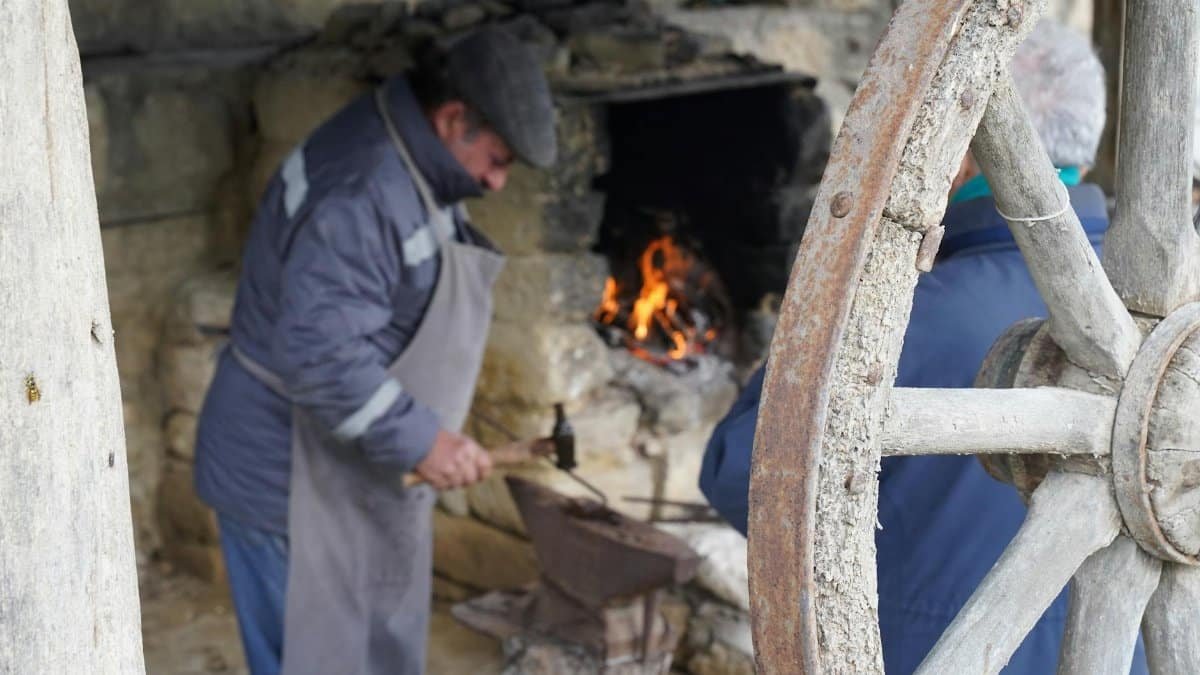
Shared sweat creates lasting ties. Newcomers pair with veterans. Stories swap over watering cans. Families volunteer together, kids learning responsibility. Community gardens host potlucks post-shift.
Diverse crowds gather. Immigrants share heirloom seeds from homelands. Tech workers unplug. A Chicago garden coordinator noted how volunteering mends neighborhood rifts. Fences dissolve amid shared mulch piles. Long-term volunteers form crews like families. Annual celebrations mark milestones.
First-Timer Essentials

Dress in layers. Hats shield sun. Sunscreen and water bottles prevent mishaps. Long pants fend off thorns. Arrive early for instructions. Ask questions freely. Gardens provide tools, but own gloves fit best.
Sign waivers online. Some require background checks for youth programs. Commit minimally at first. Weekly or monthly slots suit busy schedules. Track hours via apps. Many gardens issue certificates for resumes. Feedback loops help. Suggest improvements politely.
Seasonal Rhythms of Garden Work
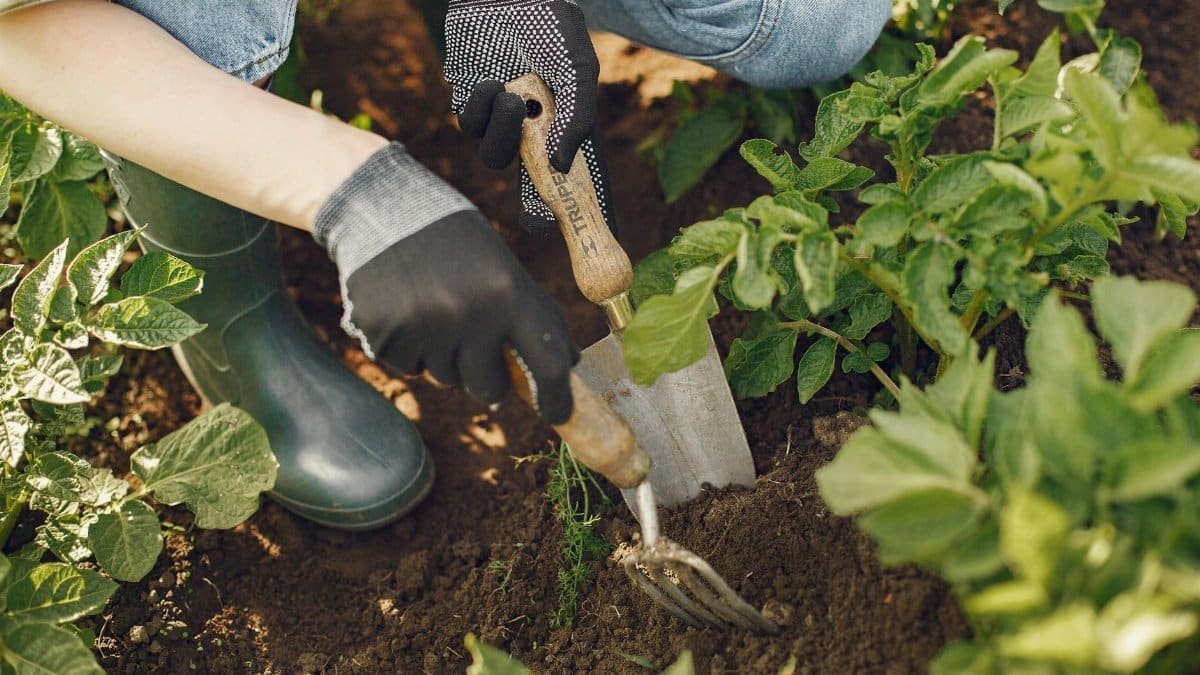
Spring bursts with planting frenzy. Summer demands watering patrols. Fall focuses on cleanup and bulb burial. Winter offers indoor propagation or planning committees.
Evergreen tasks persist: pest monitoring, trail maintenance. Tropical conservatories stay busy year-round. Adapt to weather. Southern gardens battle humidity; northern ones snow. Flexibility keeps it fresh. One volunteer relished winter greenhouse warmth amid blizzards outside.
Stepping Up to Leadership

After months, lead teams. Train recruits on pruning techniques. Organize fundraisers like plant sales. Board roles shape policies. Gardens value rising stars.
Certifications abound. Cornell’s Master Gardener program equips leaders.Cornell Master Gardener Program. Impact multiplies. Former weeders become exhibit designers.
Real Stories from the Soil
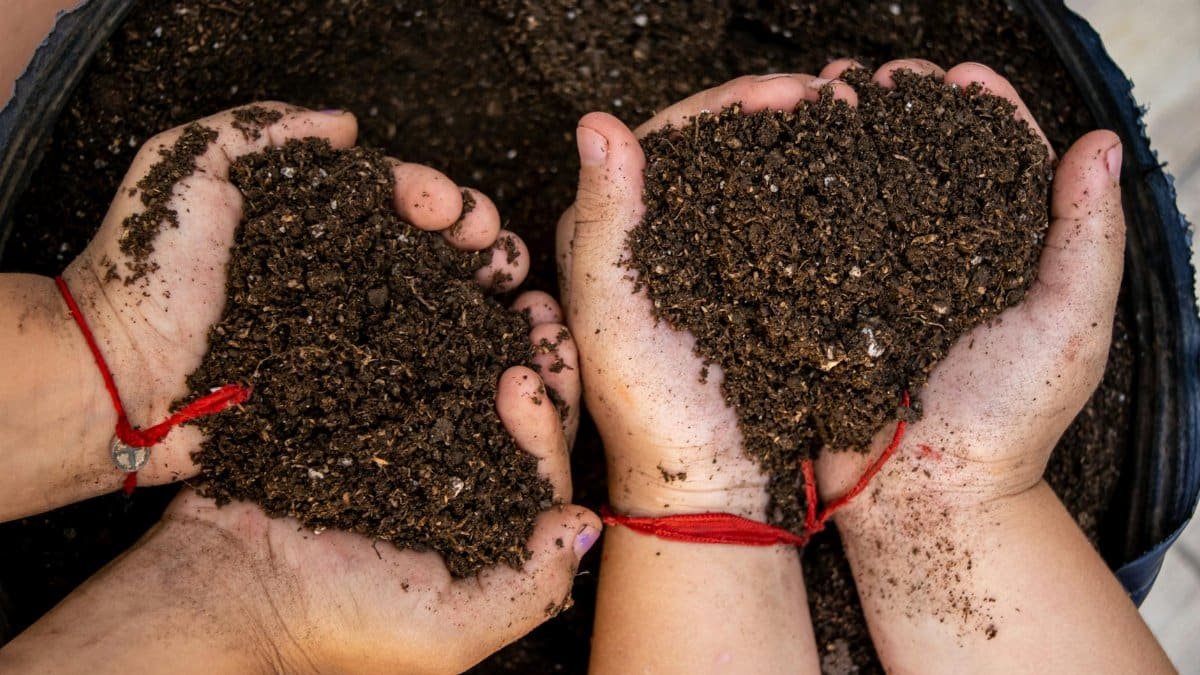
Maria, a former office manager, found solace post-layoff. “Hands in earth healed my spirit,” she said. Now she coordinates events at her local garden.
Tom, 72, battled isolation after retirement. Volunteering rekindled purpose. He mentors youth groups. These snippets, drawn from public shares, reveal universal pulls: connection, growth, renewal.
Making Every Hour Count

Focus efforts. Prioritize native plants. They support pollinators. Learn invasives via apps. Donate extras like pots.
Advocate. Gardens need public support. Share photos, urge memberships. Track personal growth. Volunteering evolves. From novice to steward, each step enriches.
Local botanical garden volunteering sustains ecosystems and souls. Gardens thrive on committed hands. Lace up boots. The soil awaits.

A certified hypnotherapist, Reiki practitioner, sound healer, and MBCT trainer, Christopher guides our journey into the spiritual dimension, helping you tap into a deeper sense of peace and awareness.
Disclaimer
The content on this post is for informational purposes only. It is not intended as a substitute for professional health or financial advice. Always seek the guidance of a qualified professional with any questions you may have regarding your health or finances. All information is provided by FulfilledHumans.com (a brand of EgoEase LLC) and is not guaranteed to be complete, accurate, or reliable.