

Nearly 70 percent of Americans check work email outside regular hours, according to a recent survey by the American Psychological Association. That number spikes on weekends, turning precious downtime into a digital tug-of-war. Yet amid this always-on grind, a quiet rebellion brews. People are learning to disconnect from work emails, reclaiming Saturdays for hikes or family barbecues without the ping of obligation. This shift isn’t just personal preference. It’s a response to burnout rates climbing among professionals. In offices from Silicon Valley to Wall Street, workers whisper about “email detox” as a survival tactic. The question lingers: Can stepping away truly boost productivity and peace?
The Hidden Toll of Weekend Inbox Overload

Coffee cools untouched on the kitchen counter. A father scrolls through messages at 9 a.m. Sunday, brow furrowed. Moments like these play out across suburbs and cities alike. Constant email access erodes rest, fueling exhaustion that lingers into Monday. Research from the University of California, Irvine, shows it takes workers 23 minutes to refocus after an interruption like email. Multiply that over a weekend, and recovery feels impossible.
Experts link this habit to broader health strains. Sleep disrupts. Relationships strain under ignored conversations. One manager in Chicago shared how her phone’s glow became a weekend intruder, sparking arguments at dinner. “I’d justify it as dedication,” she said. “Really, it was fear of falling behind.” Bodies rebel too. Elevated cortisol levels persist, per studies on chronic digital stress.
Organizations notice the fallout. Turnover rises when boundaries blur. Yet few address the root: the expectation of instant replies.
Why Weekends Matter for Mental Reset
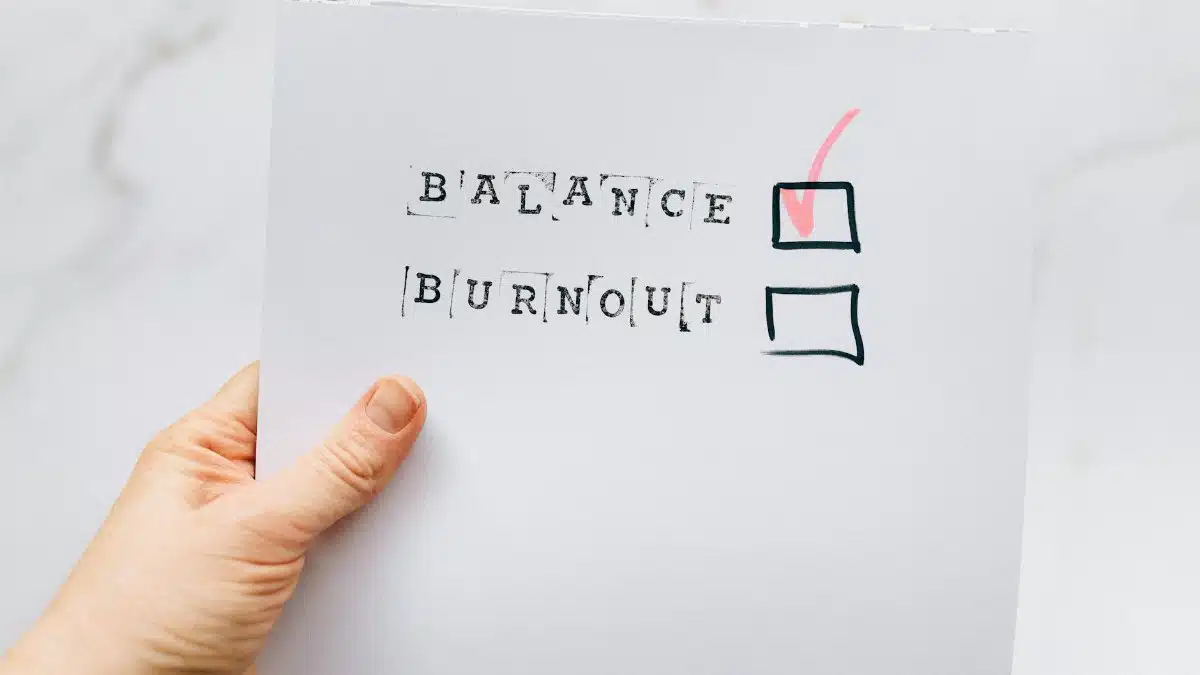
Human brains crave rhythm. Evolution wired us for hunt, gather, rest cycles. Modern life ignores that blueprint. Disconnecting from work emails restores balance. Psychologists call it “psychological detachment.” Without it, rumination festers. Thoughts loop on unfinished tasks.
A study by the American Psychological Association ties detachment to lower burnout. Participants who unplugged reported sharper focus midweek. Imagine starting Monday refreshed, not ragged. That’s the promise.
Skeptics argue responsiveness builds careers. Data disagrees. High performers often batch-check inboxes, preserving flow states. Weekends amplify this. They buffer against overload, letting creativity simmer.
Spotting the Signs of Email Enslavement
Fidgety fingers hover over the phone. Anxiety spikes sans notifications. These cues signal trouble. Compulsive checking mimics addiction, dopamine hits reinforcing the loop.
Surveys reveal patterns. Women report higher guilt over unplugging, per Pew Research data on work-life pressures. Men cite career risks more often. Both suffer diminished joy.
One account from online forums captured it raw: A marketer described heart palpitations at unread counts above 50, even on vacation. “It’s not work ethic,” he wrote. “It’s a trap.” Recognition marks the first step. Track your habits for a week. Patterns emerge fast.
Practical Steps to Build Ironclad Boundaries
Start simple. Silence notifications after Friday close. Use do-not-disturb modes ruthlessly. Tools like email auto-replies set expectations: “I’ll respond Monday.”
Craft a sign-off ritual. Archive threads. Clear the slate. Schedule one check Sunday evening, max 15 minutes. No exceptions.
Involve your team. Suggest collective norms, like no weekend sends unless urgent. Leaders model this best. When a boss logs off visibly, others follow.
Physical separation helps. Charge phones downstairs. Walks without devices rewire instincts.
Tech Hacks That Make Unplugging Effortless

Innovation aids the fight. Apps like Freedom or Focus@Will block sites during set hours. Email clients such as Spark offer scheduled sends, sparing recipients weekend alerts.
Apple’s Screen Time logs usage, shaming overreach. Android equivalents track similarly. Integrate them. Set recurring blocks from 6 p.m. Friday to 8 a.m. Monday.
Advanced users script custom filters. Gmail’s vacation responder with custom logic bounces non-essentials. Pair with wearables that vibrate only for true emergencies.
These aren’t crutches. They’re liberators, easing the mental load.
The Rise of ‘Right to Disconnect’ Laws

France pioneered it in 2017, fining companies for after-hours demands. New York City eyes similar rules. Portugal and Belgium mandate downtime.
In the U.S., momentum builds. California pilots protections for remote workers. A Pew Research Center analysis highlights pandemic-fueled remote work as catalyst. Nearly half of adults now telecommute sometimes, blurring lines further.
Unions push back. Tech giants resist, citing global teams. Balance tilts toward employees as exhaustion epidemics hit headlines.
Employers Who Get It Right

Vanguard bans after-hours emails. Employees forward to colleagues on rotation. Results? Engagement soars. At Patagonia, “Let My People Go Surfing” isn’t slogan. It’s policy. Workers unplug freely.
These firms thrive. A Gallup report links flexible boundaries to 21 percent higher profitability. Trust underpins it. When leaders prioritize people, loyalty follows.
Small businesses adapt too. A Denver consultancy declares weekends sacred. Clients adjust. Revenue holds steady.
Reclaiming Family Time Without Guilt

Children notice absent parents. “Daddy’s on his phone again,” a six-year-old blurts. Heartbreaking. Disconnecting mends that.
Plan unplugged rituals. Board games. Park outings. Presence compounds. Spouses appreciate undivided attention, intimacy rebounds.
Guilt fades with practice. Reframe dedication: True loyalty means sustainable output, not burnout. Share wins. “Family hike beat inbox zero,” one dad posted anonymously online. Echoes abound.
Measuring Success Beyond the Inbox

Track sleep quality. Journal mood swings. Productivity metrics surprise. Many report peak output post-detox.
Long-term, health markers improve. The Centers for Disease Control and Prevention warns chronic stress shortens lives. Unplugging counters it.
Relationships deepen. Hobbies reignite. Life expands. One metric matters: joy restored.
Overcoming Pushback from Peers and Bosses
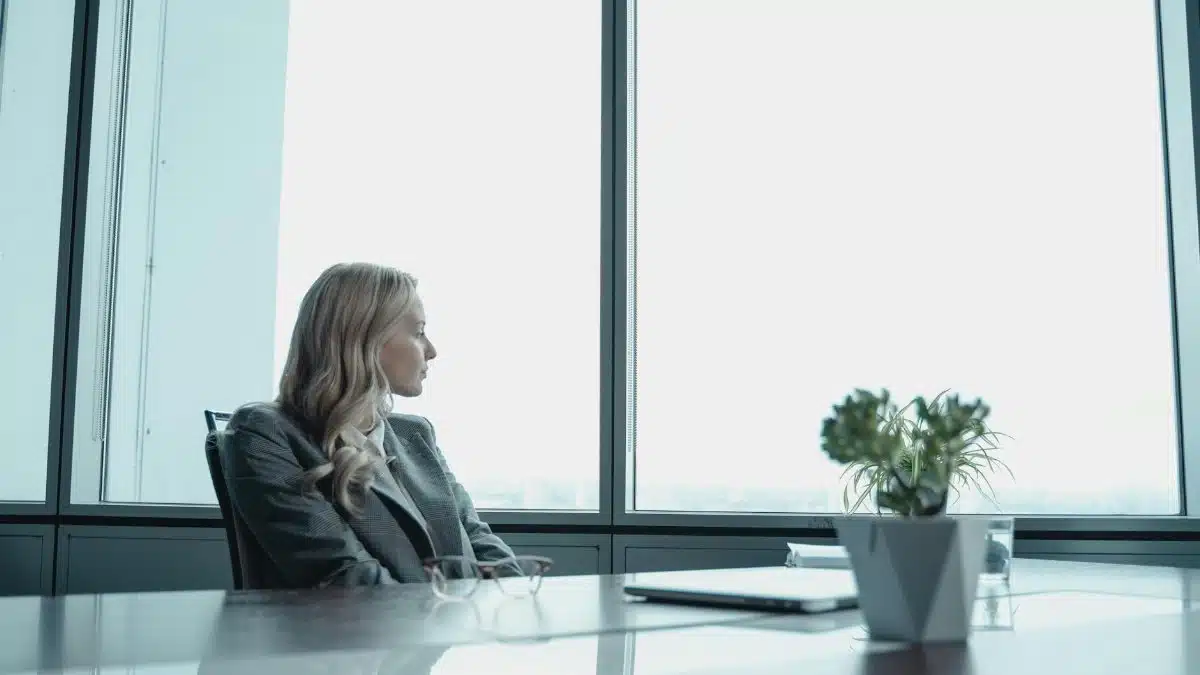
Colleagues prod: “Did you see my note?” Deflect gracefully. “Monday first thing.” Consistency educates.
Bosses test resolve. Propose alternatives. “Weekend summaries via Slack?” Data sways them. Share studies showing rested teams outperform.
Build alliances. Normalize the norm. Soon, holdouts feel the outlier pressure.
Sustaining the Habit Year-Round

Vacations test mettle. Pre-delegate. Automate where possible. Return empowered.
Holidays demand vigilance. Family gatherings tempt lapses. Prep replies in advance.
Annual reviews? Highlight boundary wins. Frame as strength: “Protected recharge boosts my impact.”
Community sustains. Join unplug challenges. Accountability locks it in.
Disconnect from work emails isn’t luxury. It’s essential armor in a wired world. Millions edge toward it, one silenced ping at a time. The weekends await, fully yours.

A certified hypnotherapist, Reiki practitioner, sound healer, and MBCT trainer, Christopher guides our journey into the spiritual dimension, helping you tap into a deeper sense of peace and awareness.
Disclaimer
The content on this post is for informational purposes only. It is not intended as a substitute for professional health or financial advice. Always seek the guidance of a qualified professional with any questions you may have regarding your health or finances. All information is provided by FulfilledHumans.com (a brand of EgoEase LLC) and is not guaranteed to be complete, accurate, or reliable.