

A recent Pew Research Center analysis shows that 72 percent of American adults read at least one book in the past year, yet only a fraction make it a true daily reading habit. Those numbers hint at a quiet revolution brewing amid endless scrolling and notifications. In 2023, as attention spans shrink, cultivating this simple practice promises sharper minds and deeper fulfillment. People who read daily often describe feeling more grounded, less adrift in the digital churn. The challenge lies not in loving books, but in weaving them into the fabric of crowded days. This guide draws from experts, real-life shifts, and emerging research to map a path forward.
Understand Why It Matters First
Habits form when purpose drives them. A daily reading habit boosts cognitive reserve, much like exercise strengthens muscles. Researchers at Rush University Medical Center tracked older adults over years. Those engaging in frequent reading showed slower cognitive decline. The study, spanning 12 years, underscores reading’s role in brain health.Rush University study on reading and cognition.
Start here: Reflect on your why. Crave escape? Knowledge? Empathy? One bookseller in Chicago recalls a customer who picked up novels after a layoff. “It rebuilt my confidence,” the man said. Pin that motivation to your fridge. It fuels consistency when distractions pull.
Begin with Tiny Commitments
Nobody leaps from zero to an hour nightly. Shrink the ask. Commit to five pages or 10 minutes. Psychologists call this the “two-minute rule.” It tricks the brain past inertia. Over weeks, momentum builds.
Sarah, a marketing manager from Denver, started with bedtime pages. No phone in hand. Six months later, she finished 20 books. Her trick? Same chair, same light. Small wins compound. Track them in a notebook. See progress? It addicts positively.
Curate Your Reading Stack Wisely
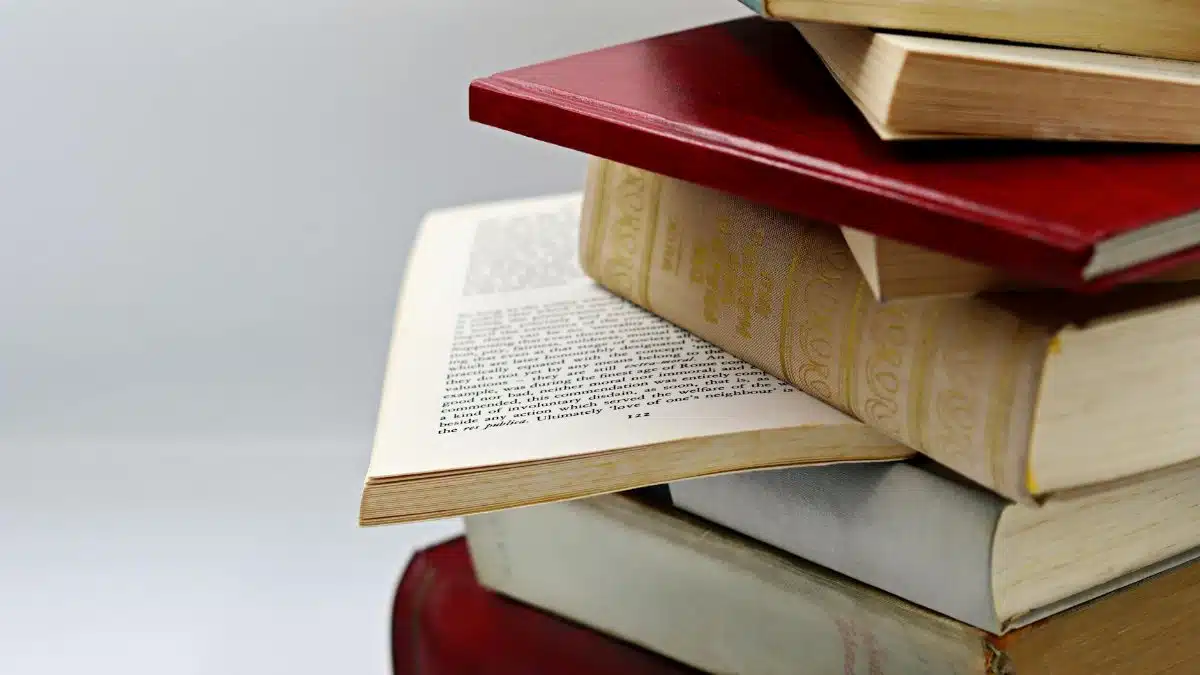
Bookshelves groan under choices. Pick what excites. Thrillers for commutes. Memoirs for evenings. Mismatch kills habits.
Visit libraries or apps like Libby for free trials. Data from Goodreads reveals popular starters: quick reads under 300 pages. Avoid tomes at first. One forum post captured it: A teacher shared feeling overwhelmed by classics, then switched to modern essays. Joy returned. Variety keeps it fresh—mix genres monthly.
Design a Ritual Around It

Habits thrive on cues. Pair reading with coffee or post-dinner unwind. Environment matters too. Dim lights, cozy nook. No screens nearby.
In Portland cafes, regulars carve quiet corners amid chatter. Replicate that sanctuary. Scented candle? Herbal tea? These anchors signal brain: time to dive in. Consistency trumps perfection. Miss a day? Resume without guilt.
Leverage the Science of Habit Loops

Charles Duhigg’s work in “The Power of Habit” breaks it down: cue, routine, reward. Reading fits perfectly. Phone alarm cues it. The routine immerses. Reward? That satisfied close-of-chapter glow.
A APA overview on habit formation confirms: Repetition forges neural pathways in 18 to 254 days. Yours might take three weeks. Experiment. Journal what sticks.
Conquer the Biggest Barriers

Fatigue hits hard. Counter with audiobooks during drives or chores. Apps like Audible track progress seamlessly.
Time squeezes? Audit your day. Swap 20 minutes of social media. Bureau of Labor Statistics data shows Americans average 34 minutes daily on social platforms. Redirect half to books.BLS American Time Use Survey.
Procrastination? Set non-negotiable slots. Morning people read at dawn. Night owls save it for wind-down. Adapt to your rhythm.
Build Accountability Networks

Solo efforts falter. Join book clubs or online groups. Shared discussions amplify joy.
Libraries host virtual meetups now. One Atlanta group meets weekly via Zoom, dissecting plots over wine. Members report sticking to habits longer. Apps like StoryGraph let friends track reads together. Gentle nudges from others sustain fire.
Embrace Tech Without Surrendering

E-readers glow softly for night owls. Kindle tracks streaks, gamifies progress. Yet balance screens wisely.
Harvard Health notes prolonged digital reading fatigues eyes less than phones.Harvard Health on reading benefits. Use focus modes. Podcasts on books bridge gaps too. Tech serves, never masters.
Measure and Adjust Progress
Numbers motivate. Log books finished, pages turned. Apps like Bookly visualize streaks.
Quarterly, review. Stagnant? Switch genres. One writer from Seattle hit a wall mid-year, then rediscovered poetry. Sparks flew again. Celebrate milestones—a new bookmark, favorite cafe treat. Adjustment keeps it alive.
Sustain for the Long Haul

Habits endure through seasons. Life shifts: new job, kids. Flex, don’t break.
Seasoned readers revisit favorites during slumps. Build a “comfort stack.” Research from the University of Liverpool suggests rereading deepens comprehension.Study on rereading effects.
View it as lifelong companionship. Not chore, but anchor. In turbulent times, that daily reading habit steadies the soul. Millions await rediscovery. Yours starts today.

A certified hypnotherapist, Reiki practitioner, sound healer, and MBCT trainer, Christopher guides our journey into the spiritual dimension, helping you tap into a deeper sense of peace and awareness.
Disclaimer
The content on this post is for informational purposes only. It is not intended as a substitute for professional health or financial advice. Always seek the guidance of a qualified professional with any questions you may have regarding your health or finances. All information is provided by FulfilledHumans.com (a brand of EgoEase LLC) and is not guaranteed to be complete, accurate, or reliable.