

The European Commission has adopted a historic ban on destroying unsold clothes, reshaping the apparel industry overnight. On February 9, 2026, officials greenlit ESPR rules that prohibit the destruction of unsold apparel, aiming to enforce circular economy practices across Europe. This unsold clothes ban targets waste at its core, compelling brands to rethink overproduction and disposal. Fashion giants now face mandates to reuse, recycle or donate excess inventory, marking a pivotal enforcement of sustainability. The move signals the EU’s toughest stance yet on textile waste.
European Commission’s Bold Move

The European Commission took decisive action on February 9, 2026, adopting rules under the Ecodesign for Sustainable Products Regulation, known as ESPR. This adoption stands out as historic because it directly confronts long-standing practices in the apparel sector. Previously, brands routinely destroyed unsold items to protect brand value or avoid markdowns. Now, such destruction faces outright prohibition. The Commission’s step underscores a commitment to environmental accountability, forcing the industry toward more responsible operations.
Unpacking the ESPR Framework

ESPR serves as the backbone of this policy shift. The regulation sets broad ecodesign standards for products, including apparel, to minimize environmental harm throughout their lifecycle. Within ESPR, the specific provision on unsold apparel bans destruction outright. This targets textiles that fail to sell, ensuring they enter circular pathways instead of landfills or incinerators. The rules emerged from years of EU consultations on sustainability, culminating in this enforceable ban. Compliance becomes mandatory for all operating within the bloc.
Focus on Unsold Apparel Destruction

Unsold apparel has long plagued the fashion world, with excess stock often shredded or burned. The new rules explicitly ban this destruction, closing a major loophole in waste management. Apparel includes clothing, footwear and accessories—any unsold goods in these categories now require alternative handling. Brands must pivot from disposal to recovery methods, a change enforced through penalties and oversight. This provision within ESPR zeroes in on textiles due to their massive environmental footprint, from production to end-of-life.
Forcing Circularity in Fashion

Circularity lies at the heart of the unsold clothes ban. The policy demands that unsold items cycle back into use through resale, upcycling, recycling or donation. Destruction undermines this loop, so the ban compels brands to build infrastructure for reuse. Circularity means designing products for longevity, repair and material recovery, reducing virgin resource demands. The EU envisions a closed-loop system where apparel waste drops sharply, aligning with broader climate goals. This enforcement turns rhetoric into reality for the fast-fashion era.
Why This Ban Matters Now

The timing of the February 9 adoption amplifies its impact. With global scrutiny on fashion’s pollution—textiles contribute heavily to emissions and microplastics—the EU leads with binding rules. ESPR’s apparel clause addresses overproduction head-on, a practice that generates billions in unsold stock annually. By banning destruction, the Commission pressures supply chains to produce less and manage better. This historic rule sets a precedent, potentially influencing global standards as brands with EU exposure adapt swiftly.
Implications for Apparel Brands
Fashion companies face immediate operational shifts. Those reliant on destroying surplus must invest in circular alternatives, from reverse logistics to recycling tech. Smaller brands gain a level playing field, as giants like those in luxury segments previously used destruction to maintain exclusivity. ESPR compliance involves reporting and audits, with non-adherence risking fines. The ban fosters innovation in resale platforms and material recovery, reshaping business models toward sustainability. Early movers in circularity now hold a competitive edge.
Official Confirmation from EU Sources
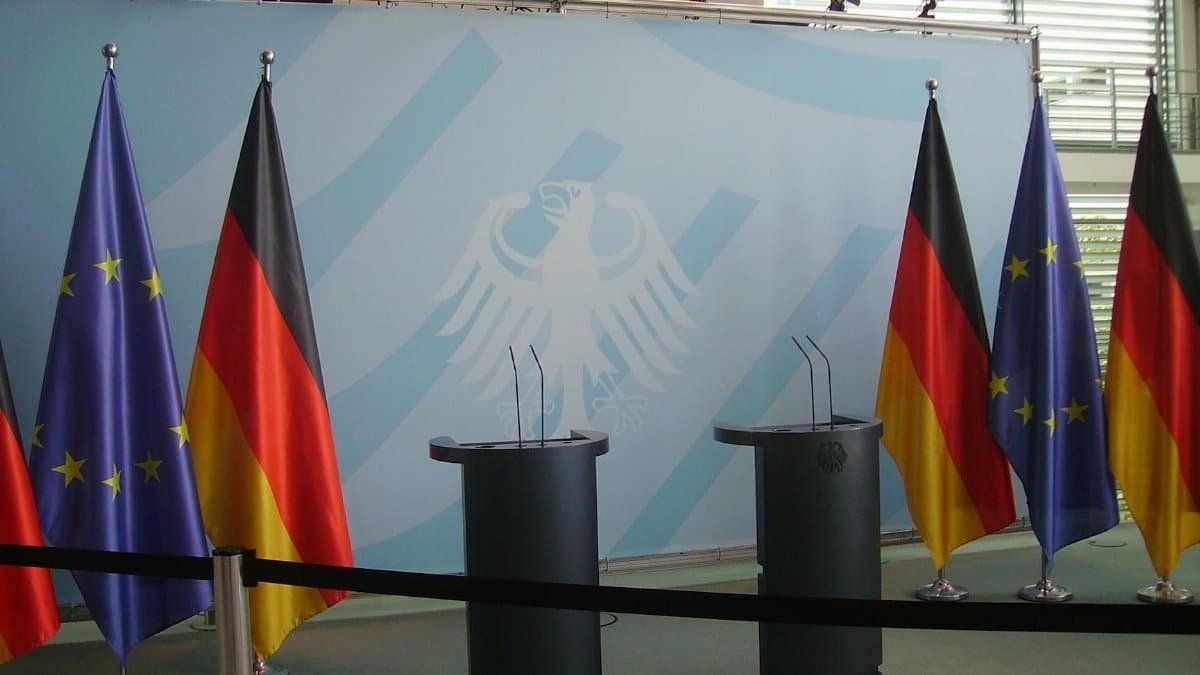
The European Commission stands as the authoritative source for these rules. Their announcement confirms the ESPR adoption on February 9, 2026, highlighting the ban’s role in advancing circularity. For full details, stakeholders can consult the Commission’s sustainable products page at the EU Environment Directorate. This resource outlines ESPR provisions, including apparel specifics, ensuring transparency for compliance.
Broad Push Toward Sustainability

This unsold clothes ban extends ESPR’s reach into everyday consumer goods, but apparel serves as a flagship case. By prohibiting destruction, the EU reduces landfill burdens and conserves resources like water and cotton. Circularity enforcement promotes durable designs over disposable trends, curbing the linear “take-make-waste” model. The policy aligns with 2026 sustainability trends, where governments worldwide eye similar measures. For deeper context on EU circular economy efforts, see the Commission’s dedicated regulation overview at the Ecodesign for Sustainable Products Regulation page.
Next Steps for Enforcement

Implementation follows the adoption swiftly. Member states will integrate ESPR into national laws, with monitoring bodies tracking compliance. Brands submit plans for handling unsold apparel, proving circular pathways. The Commission anticipates phased rollouts, starting with large operators. Challenges like logistics costs arise, but incentives for innovation soften the transition. This ban cements the EU’s leadership, pressuring non-compliant entities to evolve or exit the market.Disclaimer: The content provided by FulfilledHumans.com (a brand of EgoEase LLC) is for informational and educational purposes only. It is not intended as a substitute for professional medical, psychological, or financial advice. Always seek the guidance of a qualified healthcare provider or certified financial professional with any questions you may have regarding your personal health or finances.

With a career spanning investment banking to private equity, Dominik brings a rare perspective on wealth. He explores how money can be a tool for personal freedom and positive impact, offering strategies for abundance that align with your values.
Disclaimer
The content on this post is for informational purposes only. It is not intended as a substitute for professional health or financial advice. Always seek the guidance of a qualified professional with any questions you may have regarding your health or finances. All information is provided by FulfilledHumans.com (a brand of EgoEase LLC) and is not guaranteed to be complete, accurate, or reliable.