

In boardrooms across America, a quiet revolution brews. Recent data from the Centers for Disease Control and Prevention shows that about 1 in 36 children has autism spectrum disorder, while ADHD affects roughly 1 in 10 school-aged kids—a trend carrying into adulthood. Yet workplaces lag. Neuro inclusive culture emerges as the bridge, urging leaders to harness cognitive diversity not as a checkbox, but as a core strength. This approach celebrates minds wired differently—autistic, ADHD, dyslexic, or otherwise—turning potential friction into innovation. As companies face talent shortages in 2026, those embracing it report higher retention and creativity. The shift demands more than policy tweaks. It calls for leaders to rethink norms, fostering environments where every brain thrives.
Defining Neuro Inclusive Culture
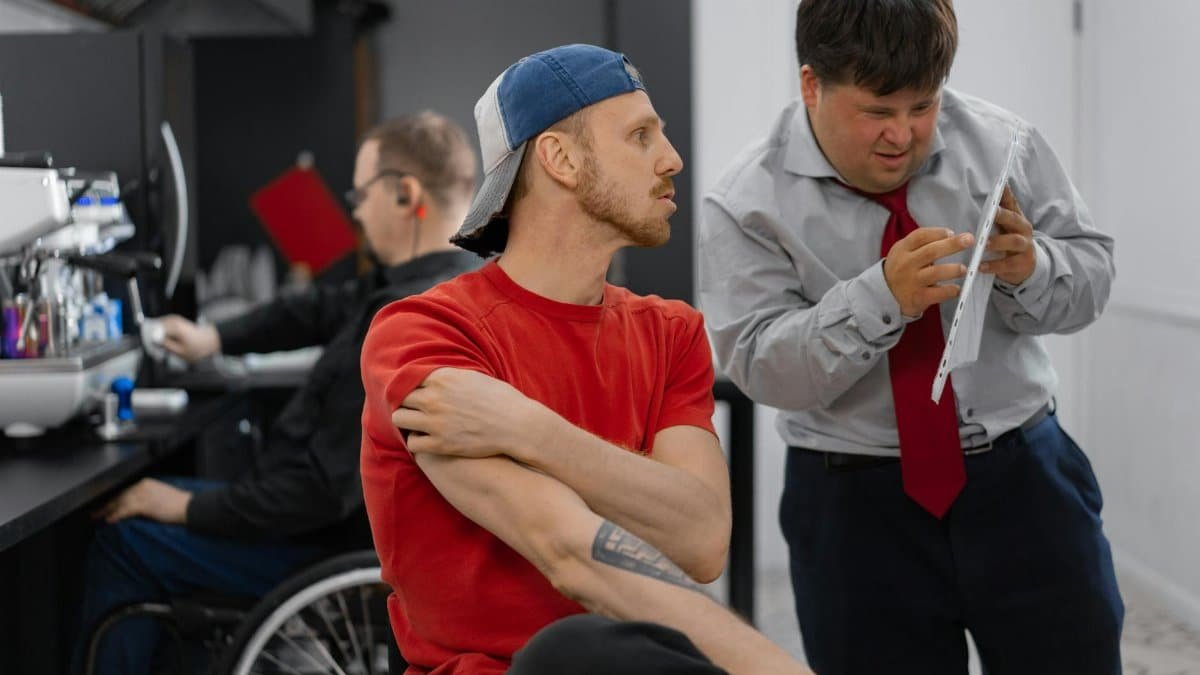
Neuro inclusive culture starts with recognition. It moves beyond traditional diversity efforts into the realm of neurology. Think varied processing speeds, intense focus on details, or nonlinear thinking. Leaders build this by embedding flexibility into daily operations. No rigid hierarchies. Instead, fluid teams adapt to individual strengths.
A manager in a tech firm once shared how her team’s breakthrough came from an autistic engineer’s hyper-focus on patterns others missed. Such stories highlight the essence. It’s about equity in cognition, ensuring contributions flow regardless of brain wiring. Reputable research backs this. The Harvard Business Review outlines how firms like SAP and Microsoft gain edges through targeted hiring.
The Spectrum of Cognitive Differences

Cognitive diversity spans a wide arc. Autism often brings exceptional pattern recognition. ADHD fuels rapid idea generation amid distraction. Dyslexia sharpens big-picture vision, spotting connections in chaos. These traits, once sidelined, now power sectors like software and design.
Consider prevalence. The CDC estimates autism touches millions of adults too, many undiagnosed until later life. Untapped potential lingers in unemployment lines or underperforming roles. Neuro inclusive culture flips the script. It views these as variations, not deficits. Leaders map this spectrum early, assigning tasks that align. A sales team might pair a detail-oriented autistic member with a charismatic ADHD counterpart. Synergy follows.
Leadership’s Pivotal Role

CEOs set the tone. Without buy-in from the top, initiatives falter. Forward-thinking executives model vulnerability. They disclose their own neurodivergences, if any, to normalize difference. This cascades down.
In one Midwestern manufacturing plant, the president rearranged meetings. Shorter bursts. Visual agendas. Noise-cancelling options. Productivity climbed 15 percent. Leadership here means advocacy. Challenge biases in promotions. Question “cultural fit” as code for sameness. The payoff? Diverse perspectives curb groupthink, vital in volatile markets.
Revamping Recruitment Practices
Hiring forms the foundation. Traditional interviews favor extroverts. Neuro inclusive culture demands alternatives. Skills-based assessments replace chit-chat. Asynchronous video submissions ease social anxiety.
EY pioneered this, launching a neurodiversity program that matches candidates to roles via structured simulations. Results stunned: hires outperformed peers in quality. Leaders replicate by partnering with nonprofits like Specialisterne. Train recruiters on accommodations, like extra processing time. In 2026, with labor gaps widening, this becomes table stakes.
Designing Supportive Workspaces

Physical spaces matter. Open offices overwhelm sensory-sensitive employees. Neuro inclusive leaders invest in quiet zones, adjustable lighting, and fidget tools. Remote hybrids shine here, letting individuals curate environments.
Software maker Automattic thrives on this. Distributed teams self-organize, minimizing sensory overload. Data from the American Psychological Association supports it: tailored spaces boost focus and reduce burnout. Add software aids—noise filters, task visualizers. Leaders audit routinely, soliciting feedback via anonymous surveys. Evolution keeps pace with needs.
Cultivating Psychological Safety

Trust underpins everything. Employees must voice needs without fear. Leaders foster this through clear policies. No penalties for stimming or pacing during calls. Normalize “brain breaks.”
One anonymous account from online forums captured it: a developer felt liberated after her manager encouraged masking breaks, saying it unlocked her best code. Such safety sparks authenticity. Google’s Project Aristotle found psychological safety as the top team success factor—neuro inclusion amplifies it. Regular check-ins, sans judgment, build bonds.
Investing in Training and Awareness

Ignorance breeds exclusion. Mandatory workshops demystify neurodivergence. Role-playing scenarios teach empathy. Allies emerge.
JPMorgan Chase rolled out a fellowship program, training neurodiverse talent while upskilling the workforce. Turnover dropped. Leaders allocate budgets here, blending with DEI efforts. External experts from universities add depth. The National Institute of Child Health provides foundational resources on conditions like dyslexia. Continuous learning prevents stagnation.
Overcoming Common Roadblocks

Resistance lingers. “Too costly,” some claim. Yet studies refute this. Neurodiverse teams innovate faster, per Deloitte insights. Another hurdle: measurement. Track engagement via pulse surveys, not just output.
Leaders counter myths head-on. Host panels with neurodiverse voices. Address overload fears by piloting small. Scale successes. In one consulting firm, initial skepticism melted after a project deadline smashed expectations, thanks to diverse problem-solving.
Real-World Success Stories

SAP’s Autism at Work initiative hired thousands, yielding patents galore. Microsoft followed, with neurodiverse hires driving Azure advances. These aren’t outliers.
A smaller example: a Chicago marketing agency integrated ADHD creatives into brainstorming. Campaigns went viral, revenue surged 20 percent. Leaders everywhere glean lessons. Adapt, don’t copy. Share via networks like the Neurodiversity Working Group.
Tracking and Sustaining Progress
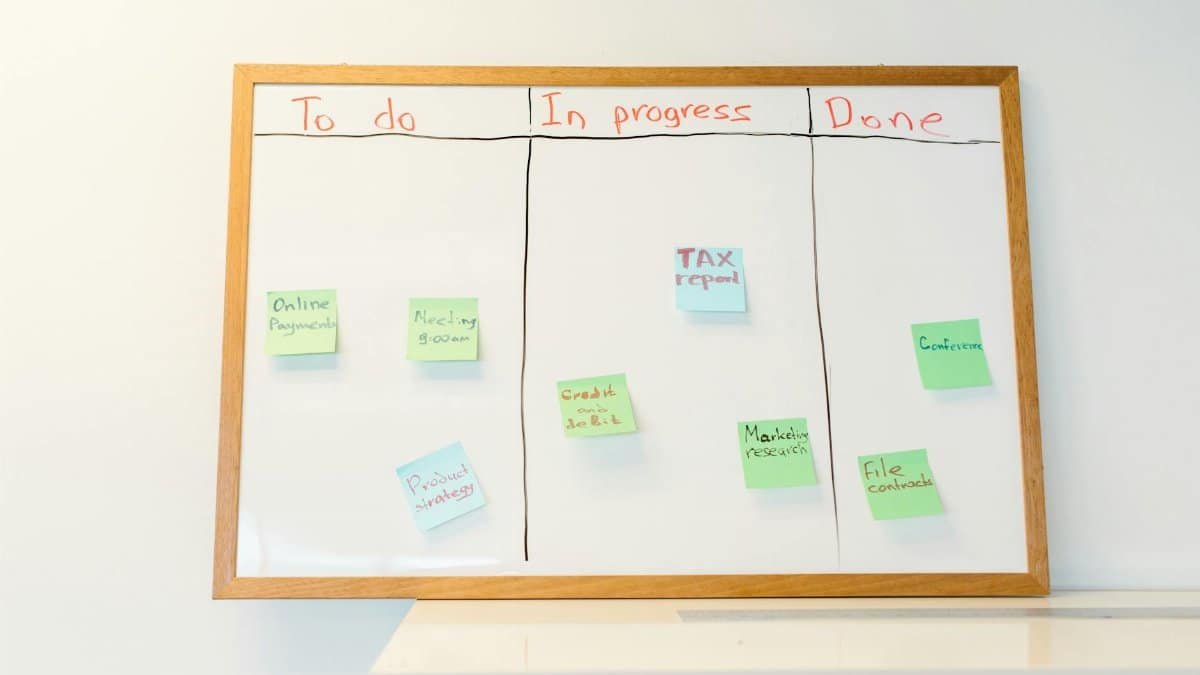
Metrics guide the way. Beyond hires, measure belonging via eNPS scores segmented by neurotype. Innovation rates, via idea pipelines.
Annual audits refine approaches. Celebrate wins publicly. In 2026, tools like AI analytics promise deeper insights, flagging inclusion gaps. Leaders commit long-term, weaving neuro inclusion into core values. Sustainability demands vigilance.
The Broader Ripple Effects

Neuro inclusive culture extends beyond offices. Families benefit as parents model acceptance. Communities strengthen. Economic gains mount—billions in productivity unlocked.
Yet tensions persist. Balance individual needs with team cohesion. Leaders navigate with nuance. The result? Resilient organizations ready for uncertainty. Cognitive diversity isn’t optional. It’s the new normal, propelled by visionary leadership.Disclaimer: The content provided by FulfilledHumans.com (a brand of EgoEase LLC) is for informational and educational purposes only. It is not intended as a substitute for professional medical, psychological, or financial advice. Always seek the guidance of a qualified healthcare provider or certified financial professional with any questions you may have regarding your personal health or finances.

A certified hypnotherapist, Reiki practitioner, sound healer, and MBCT trainer, Christopher guides our journey into the spiritual dimension, helping you tap into a deeper sense of peace and awareness.
Disclaimer
The content on this post is for informational purposes only. It is not intended as a substitute for professional health or financial advice. Always seek the guidance of a qualified professional with any questions you may have regarding your health or finances. All information is provided by FulfilledHumans.com (a brand of EgoEase LLC) and is not guaranteed to be complete, accurate, or reliable.