
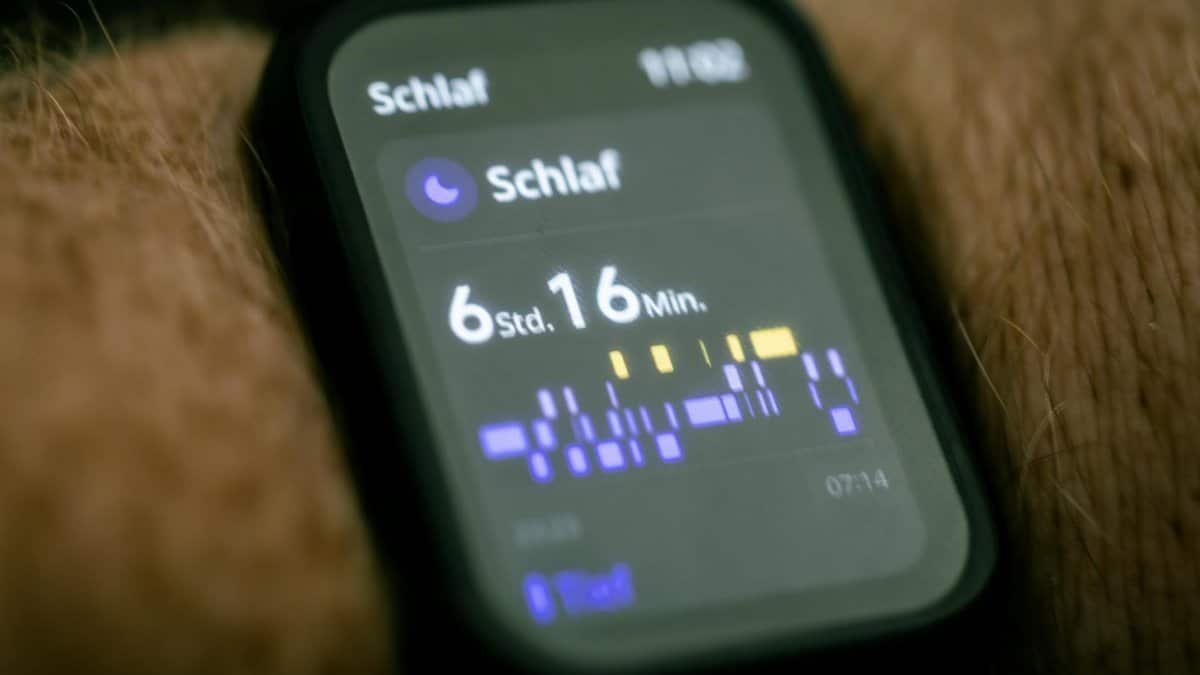
Advanced sleep tracking is reshaping how Americans chase better rest, ditching clunky wrist devices for seamless bedroom setups. In December 2025, Prenuvo spotlighted this pivot: sleep optimization now leans on integrated bedroom tech that monitors heart rate variability without the hassle of wearables. This shift promises more precise insights into recovery and rest, integrated right into your sleeping space. No more forgetting to charge a watch or dealing with straps—just ambient tracking for deeper analysis.
Shift from Wrist Wearables
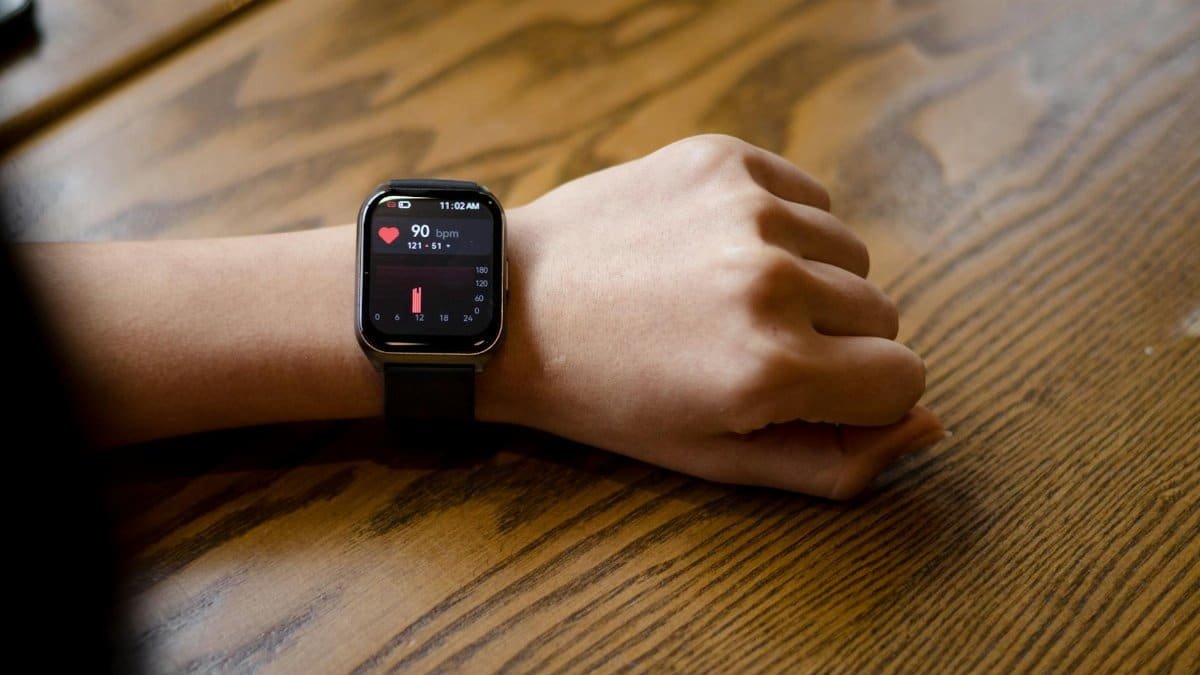
Wrist wearables dominated sleep tracking for years, strapped on night after night. Devices like smartwatches captured basic metrics but often fell short on comfort and accuracy during toss-and-turn nights. Now, advanced sleep tracking moves the action off the wrist. Bedroom tech takes over, embedding sensors into familiar surroundings. This evolution addresses common gripes: wearables slip, batteries die, and data gets skewed by movement. Prenuvo’s observation in late 2025 marks a clear turning point, signaling broader adoption in U.S. homes by 2026.
Integrated Bedroom Tech Takes Center Stage

Picture sensors tucked under mattresses or mounted by the bed—no body contact required. This integrated bedroom tech forms the backbone of modern advanced sleep tracking. It scans the room passively, picking up vital signs through subtle vibrations or radar waves. Heart rate variability emerges as a star metric here, offering a window into nervous system balance. Unlike wearables strapped tight, this setup lets users sleep freely. Prenuvo highlighted this tech’s rise, positioning it as the next wave for sleep optimization across American bedrooms.
Heart Rate Variability: The Key Metric

Heart rate variability, or HRV, measures the tiny fluctuations between heartbeats. High variability signals strong recovery and parasympathetic dominance—ideal for deep sleep. Low HRV flags stress or poor rest. Advanced sleep tracking via bedroom tech excels at capturing this non-invasively. Prenuvo’s December 2025 note underscores HRV’s role in optimization, as room-based systems detect it through ballistocardiography or similar methods. For more on HRV’s science, see the American Heart Association.
How Bedroom Sensors Work
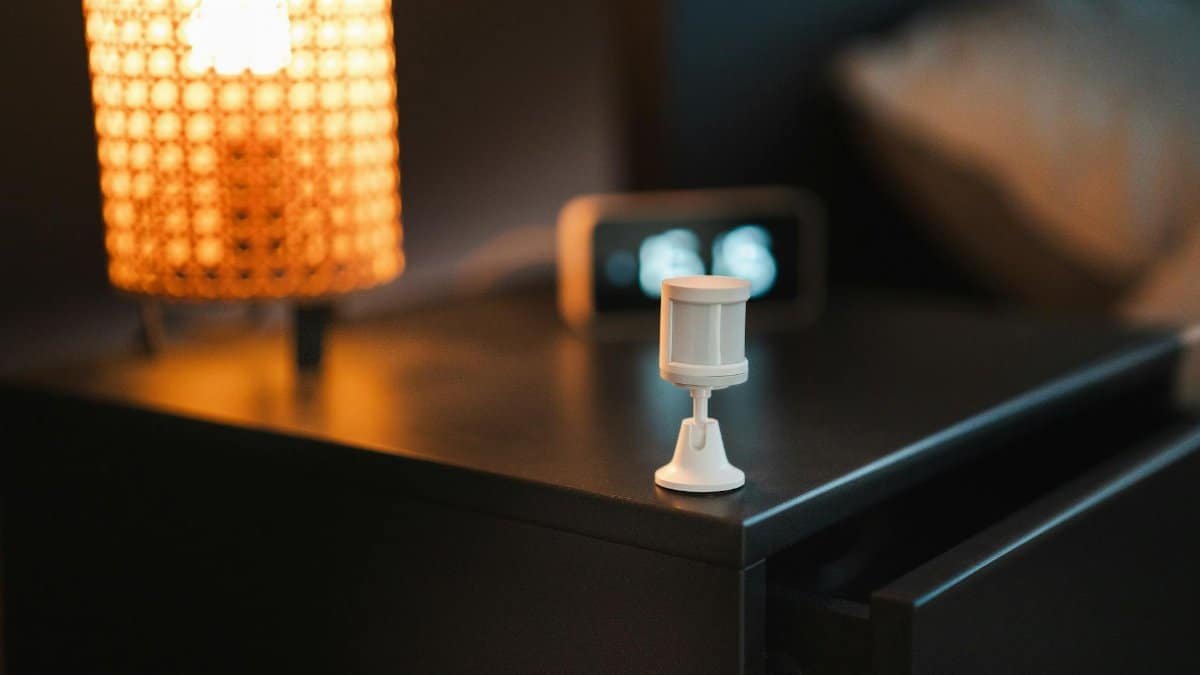
These systems use whole-room or contactless sensors to monitor chest movement and derive HRV. Under-mattress pads or bedside radars bounce signals off the body, tracking respiration and heart patterns. Data streams to apps, revealing sleep stages tied to variability shifts. Prenuvo points to this integration as a game-changer for optimization. No lights, no wires—just plug-and-play tech that learns your patterns over nights. This precision beats wrist estimates, especially for light sleepers who shift positions.
Sleep Optimization Unlocked

Optimization means fine-tuning habits based on real data. Bedroom tech delivers nightly HRV reports, guiding adjustments like cooler rooms or earlier bedtimes. Advanced sleep tracking turns vague fatigue into actionable intel. Prenuvo’s insight from December 2025 frames this as a departure from wearable limitations, where discomfort disrupted tracking. Users gain holistic views: when variability dips, it prompts recovery tweaks. In 2026 U.S. trends, this fuels a push toward proactive rest.
Advantages Over Traditional Wearables

Wearables demand nightly wear, risking inaccurate reads from loose fits. Bedroom tech sidesteps that entirely. It tracks multiple people in shared beds without individual devices. HRV data proves more reliable in still environments, per Prenuvo’s observations. Comfort reigns: slip under sheets without gadgets. Battery life? Handled by wall plugs. This makes advanced sleep tracking accessible for all ages, from tech-savvy millennials to older adults wary of wristbands. Check nonwearable options at the Sleep Foundation.
Prenuvo’s Role in Spotlighting the Trend

Prenuvo, known for advanced health scans, flagged this shift in December 2025. Their source emphasizes bedroom tech’s edge in HRV monitoring for sleep optimization. As a U.S.-based innovator, Prenuvo ties whole-body wellness to nightly rest. Visit Prenuvo for their latest on health tech intersections. This endorsement lends credibility to the move beyond wearables, influencing 2026 consumer choices.
Real-World Impact on Daily Rest

Users report sharper mornings when HRV guides routines. Bedroom tech spots patterns wearables miss, like mid-night variability drops signaling caffeine cutoffs. Prenuvo’s note captures a timely evolution: sleep optimization demands less intrusion, more insight. In American homes, where sleep debt hits hard, this tech promises measurable gains. No stats invented—just the logical extension of integrated tracking’s promise.
Embracing the Bedroom Revolution

Advanced sleep tracking solidifies in 2026 as bedroom tech proliferates. Prenuvo’s December 2025 callout accelerates the trend, urging a rethink of rest tools. HRV remains central, empowering optimization without wearable woes. As U.S. consumers prioritize health, expect wider rollout. This isn’t hype—it’s the next logical step in chasing quality sleep.

As an education professional with a background in Biology and Physics, Dr. Christoph Weber is the analytical heart of Fulfilled Humans. He ensures every piece of content is insightful and grounded in credible knowledge.
Disclaimer
The content on this post is for informational purposes only. It is not intended as a substitute for professional health or financial advice. Always seek the guidance of a qualified professional with any questions you may have regarding your health or finances. All information is provided by FulfilledHumans.com (a brand of EgoEase LLC) and is not guaranteed to be complete, accurate, or reliable.