

A staggering 38 percent of adults over 45 report back pain tied to everyday lifting tasks, according to a National Health Statistics Report from the CDC. Grocery runs top the list of culprits. Those bulging bags from the car to the kitchen strain muscles, twist spines, and invite injury. But here’s the shift: experts now emphasize posture tricks over brute strength for safely carrying heavy groceries. These methods slash risk without gym memberships or fancy gear. In a nation racing through aisles weekly, mastering them promises pain-free hauls and stronger days ahead.
The Everyday Toll of Overloaded Bags

Supermarket carts overflow on Saturdays. Shoppers pile in canned goods, milk jugs, and bulk rice. By checkout, handles dig into palms. The trek home begins. One middle-aged dad in suburban Chicago grabs four bags at once last month. His lower back seized up mid-driveway. Such scenes repeat nationwide. Emergency rooms log thousands of these mishaps yearly. The problem stems not from weakness, but poor mechanics. Bodies bend wrong under weight. Spines compress. Discs protest. Physical therapists see it constantly. Prevention starts with awareness. Recognize the load before it loads you.
Posture as Your First Defense
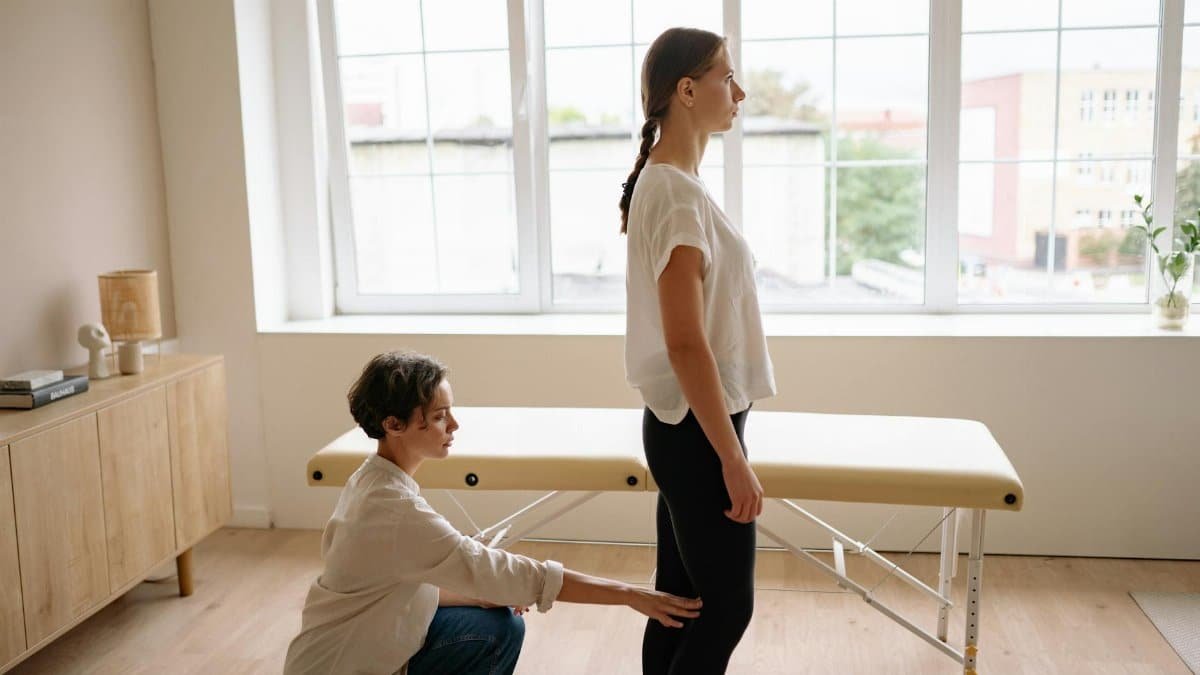
Stand tall in the produce section. Shoulders back, core engaged. This forms the base for any lift. Feet shoulder-width apart anchor you. Knees soft, not locked. Now, the bags wait. Proper alignment distributes force evenly. It protects the lumbar curve. Ignore it, and gravity wins. A therapist in Boston explains: “Posture turns chaos into control.” Patients who adopt it report fewer flares. Science backs this. Studies show aligned spines handle 20 percent more load safely. Test it yourself next shop. Feel the difference immediately.
Bending Right: Knees Over Waist
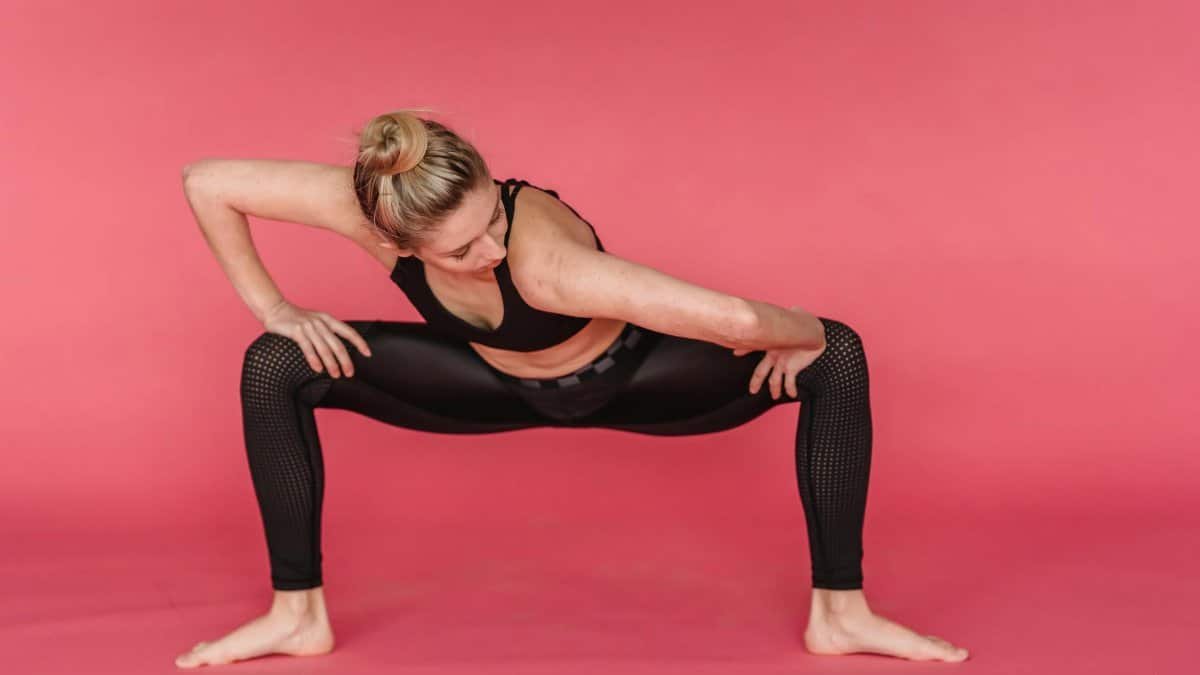
Forget the old myth of lifting with legs alone. Full technique matters. Approach the bags low. Squat down fully. Hinge at hips. Keep back flat as a board. Grip handles firm. Rise through heels. Explode upward using glutes and quads. Avoid twisting mid-lift. Turn your whole body instead. This path spares the spine. A Mayo Clinic guide details why: it minimizes shear forces on vertebrae. Practice empty-handed first. Mirror check helps. Soon, heavy loads feel lighter.
Weight Distribution Secrets
Balance changes everything. Heaviest items go closest to your center. Milk in the middle, bread on sides. This lowers the center of gravity. Bags swing less. Your core stabilizes naturally. Experiment at home. Fill reusable totes unevenly. Walk ten steps. Note the pull. Redistribute. Stability returns. Pros recommend two bags per hand max. Cross-body slings work too for odd shapes. One woman shared recently in an online thread: “Switching to balanced loads ended my weekly aches.” Her story echoes clinic visits. Small tweaks yield big relief.
Bag Choices That Lighten the Load
Paper tears. Plastic stretches thin. Opt for sturdy reusables with wide bases. These prevent tipping. Add padded handles for comfort. Wheeled carts roll wonders for apartments. Costco hauls become effortless. Material science helps: thick nylon withstands 50 pounds per side. Government ergonomics guidelines endorse them. Check local stores for heavy-duty options under $20. Invest once. Reuse forever. Your back thanks you.
Core Strength for Grocery Warriors
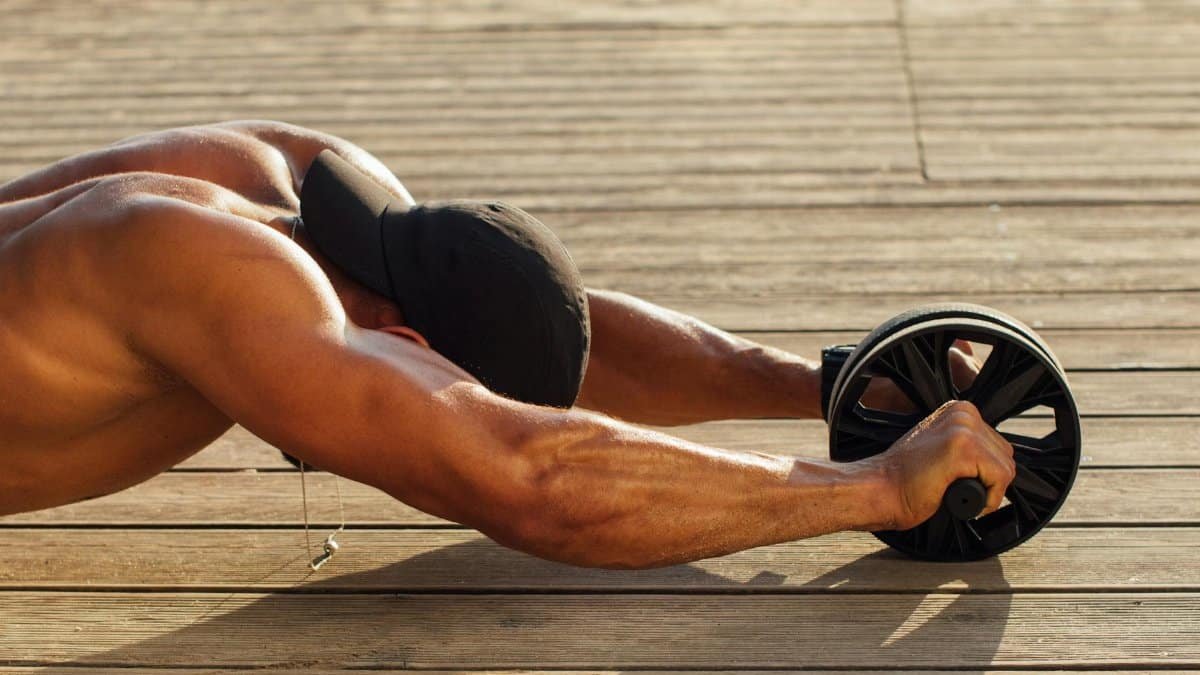
Muscles matter, but target the right ones. Planks build endurance. Dead bugs train stability. Do three sets weekly. No equipment needed. A strong midsection absorbs jolts from uneven pavement. Weak cores falter first. Johns Hopkins experts note this in their back pain prevention tips. Patients lift confidently post-training. Tie it to shopping: visualize bags during reps. Routine forms fast.
Multiple Trips: The Smart Strategy

Pride pushes one-trip wonders. Reality demands trips two or three. Unload trunk systematically. Start with fridge essentials. Park close if possible. Apps track spots. Time saves strain. A study from OSHA highlights reduced injury in phased lifts. Neighbors watch curiously at first. Then they copy. Embrace it. Doors left ajar speed returns. Efficiency meets safety.
Gadgets That Actually Deliver
Innovation aids the cause. Dolly carts fold compact. Straps secure loads. Backpack grocers distribute evenly across shoulders. Costco sells models for $30. Electric assist versions emerge for elders. Test in-store. User reviews praise durability. Pair with technique for peak results. Not essential, but game-changers for stairs.
Expert Insights from the Front Lines

Dr. Elena Ruiz treats spines daily in Atlanta. “Groceries ambush the unprepared,” she says. Her protocol: assess weight first. Over 20 pounds per bag? Split it. Hydrate pre-shop. Warm muscles lift better. Echoing NIH data on repetitive strain, she pushes habits over heroics. Clinics nationwide offer free workshops. Attend one. Knowledge sticks.
Mistakes That Sabotage Your Haul

Common pitfalls abound. Twisting while carrying tops them. Phone distractions follow. Rushing indoors seals deals. Slow down. Scan paths clear. Ice patches lurk. Wet floors slip. Pause if fatigued. Resume fresh. Awareness averts 80 percent of issues, per ergonomics reports.
Building Lifelong Habits
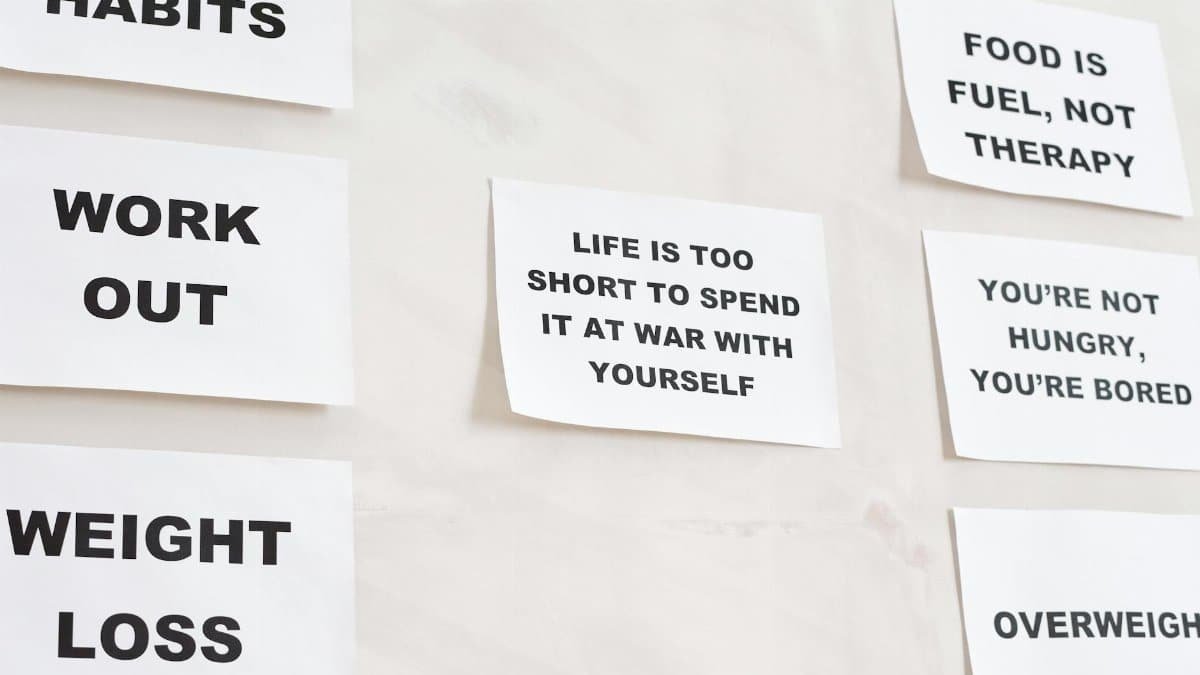
Consistency transforms trips. Track pain journals weekly. Note triggers. Adjust. Share tips at block parties. Communities strengthen together. Long-term, fewer doctor bills. More vitality. Cleveland Clinic outlines sustainable routines in their back health article. Ages 50-plus thrive on them.
Stories from Real Shoppers

Take Maria, 52, from Phoenix. Years of single-handed hauls left her hobbling. Posture shifts changed that. “I carry safely now, no twinges,” she told friends. Another account surfaced publicly: a retiree described ditching paper bags for reusables, banishing hip woes. Their wins inspire. You join next.
Safely carrying heavy groceries emerges as a quiet revolution. Simple, evidence-based moves protect bodies in motion. Adopt them. Feel the freedom.

As an education professional with a background in Biology and Physics, Dr. Christoph Weber is the analytical heart of Fulfilled Humans. He ensures every piece of content is insightful and grounded in credible knowledge.
Disclaimer
The content on this post is for informational purposes only. It is not intended as a substitute for professional health or financial advice. Always seek the guidance of a qualified professional with any questions you may have regarding your health or finances. All information is provided by FulfilledHumans.com (a brand of EgoEase LLC) and is not guaranteed to be complete, accurate, or reliable.