
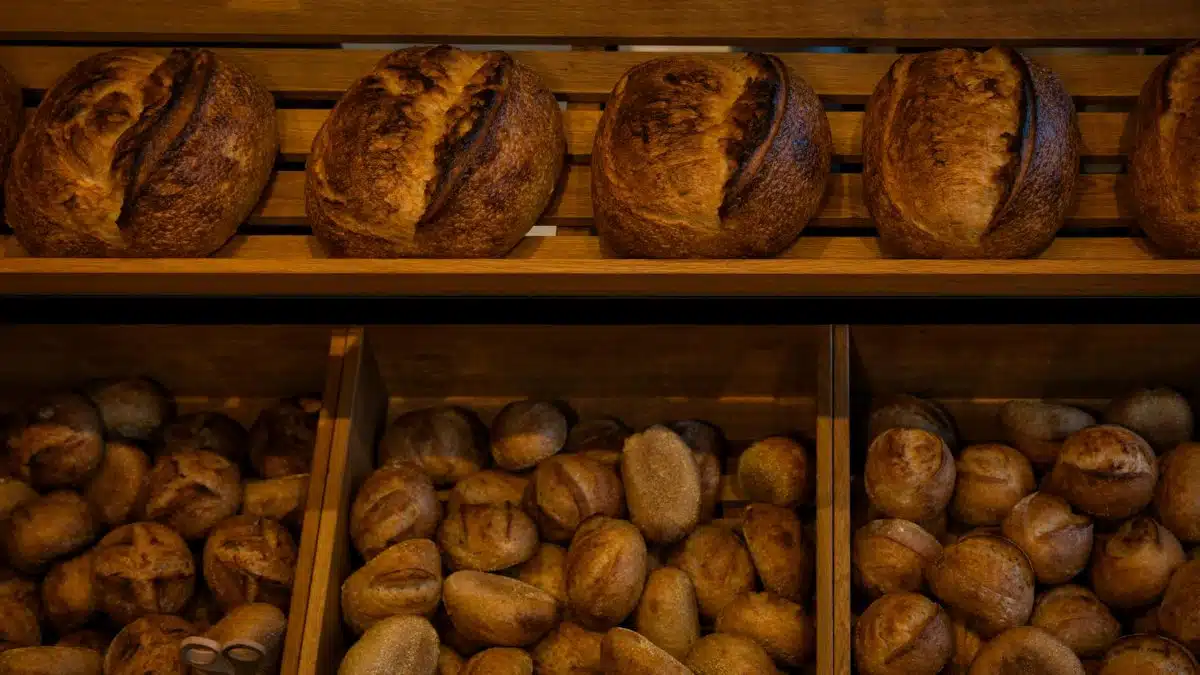
Each evening, as ovens cool and display cases empty, a quiet revolution brews in America’s neighborhood bakeries. A 2022 USDA report estimates that food waste, including vast quantities of bread, costs the nation $161 billion annually, with bakeries contributing significantly to that tally ( USDA Economic Research Service on Food Loss ). But forward-thinking owners are changing course. They bundle unsold loaves and deliver them straight to local food banks, turning potential trash into vital meals. This practice of donating unsold bread not only slashes waste but also feeds families in need. From bustling urban outposts to small-town staples, these efforts highlight a blend of compassion and pragmatism reshaping communities one baguette at a time.
The Spark Behind Bakery Donations
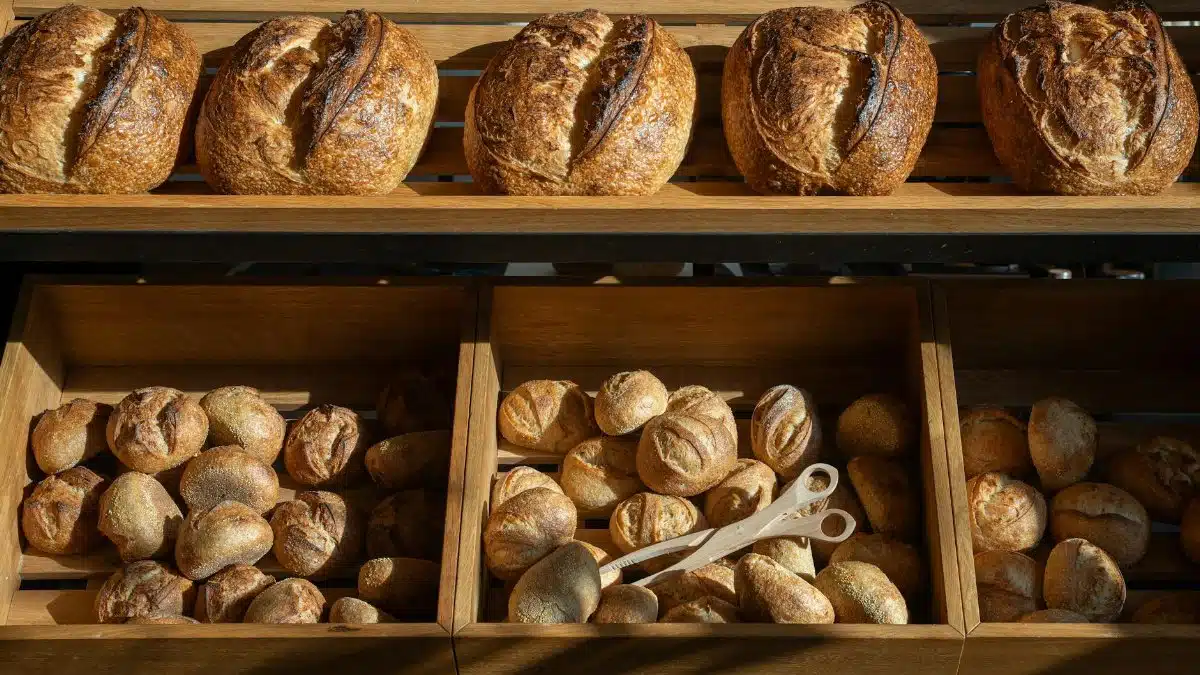
Spotlight a modest bakery in Portland, Oregon, where owner Maria Gonzalez first tallied her end-of-day discards. Loaves piled high, still warm, headed for the bin. “Enough,” she declared one crisp autumn morning. She reached out to a nearby shelter. That initial drop-off sparked a routine. Now, twice weekly, her team packs croissants, sourdoughs, and rye into crates for distribution.
This shift mirrors a national uptick. Feeding America notes bakeries as prime partners in rescue efforts, redistributing surplus before it spoils ( Feeding America Food Waste Reduction ). Gonzalez’s story underscores a simple truth: small actions compound. Volunteers unload, sort, and freeze portions, extending freshness. Families arrive, selecting fresh baked goods alongside canned staples. Gratitude fills the air, thick as yeast rising.
Mechanics of the Daily Handover

Dawn breaks over a Chicago storefront. Breads emerge golden from racks. By 7 p.m., what’s left gets inventoried. Staff wrap items meticulously, noting varieties and quantities. A quick call confirms pickup slots with the food pantry two miles away.
Logistics demand precision. Temperature control prevents spoilage during transport. Some bakeries invest in insulated bags; others partner with rideshare drivers for evening runs. Efficiency reigns. One manager explains the rhythm: bake predictably, donate predictably. No guesswork. This system minimizes landfill contributions while maximizing reach. Over months, patterns emerge. Weekends yield sweeter surpluses from Saturday rushes.
Feeding Families Amid Hardship
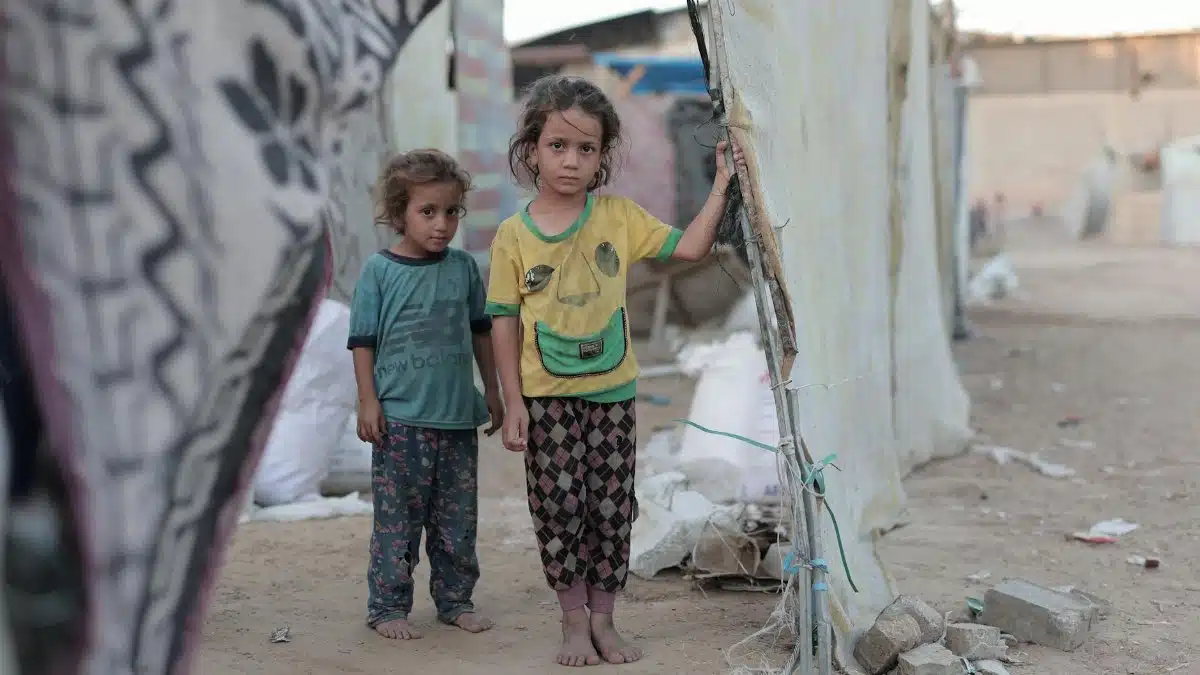
Hunger persists in unexpected places. A single mother in Atlanta collects a bag of rolls for her kids after school. “It’s the smell that gets them excited,” she shares quietly. Donated bread stretches grocery dollars, offering comfort in lean times.
Food banks report surges in demand. The COVID-19 era amplified needs, but bakeries stepped up consistently. Fresh carbs provide energy, morale boosts. Nutritionists praise the variety: whole grains, seeds, flavors absent in processed donations. Children thrive on routine treats. Seniors savor familiarity. These loaves bridge gaps, fostering dignity over desperation.
Slashing Waste at Its Source
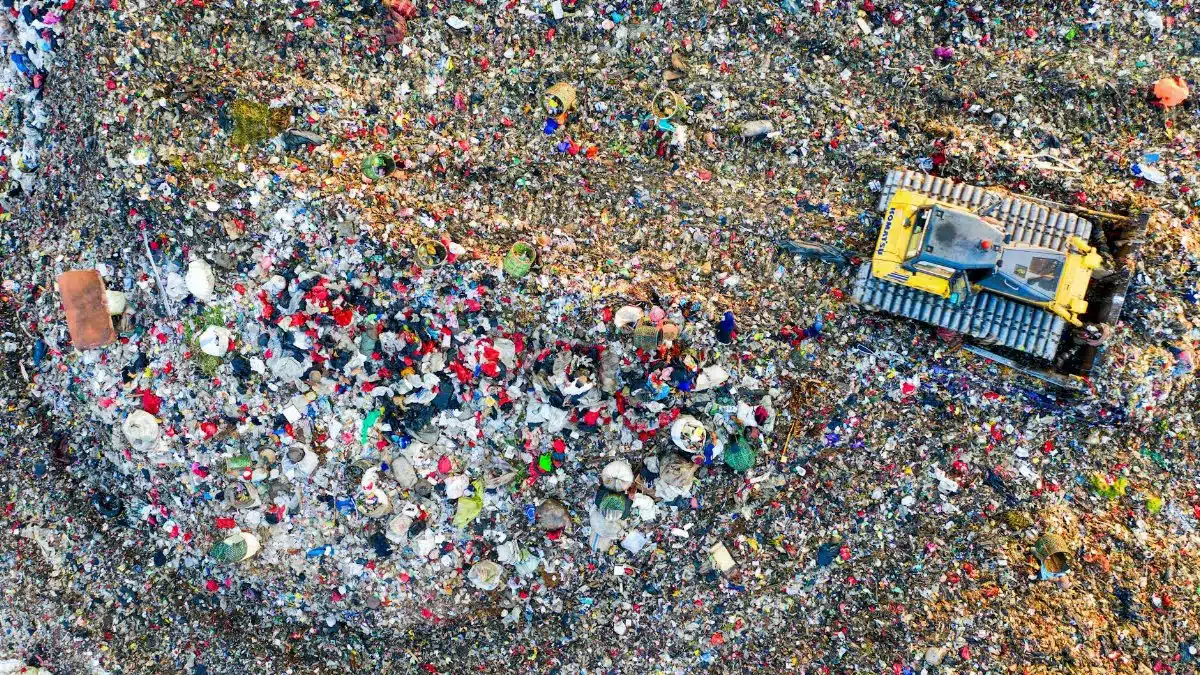
Bakeries generate surplus through overproduction, a hedge against sellouts. Unsold bread once meant automatic loss. Now, donation flips economics. The EPA’s food recovery hierarchy prioritizes such redistribution over composting or landfilling ( EPA Food Recovery Hierarchy ).
Quantify the gains. A single shop diverts 500 pounds weekly. Multiply across hundreds of locations. Landfills shrink. Methane emissions drop, a potent climate culprit. Owners track metrics via apps, celebrating milestones. One ledger shows 10 tons rescued yearly. Pride swells. Waste transforms from burden to badge of honor.
Green Benefits Beyond the Bin
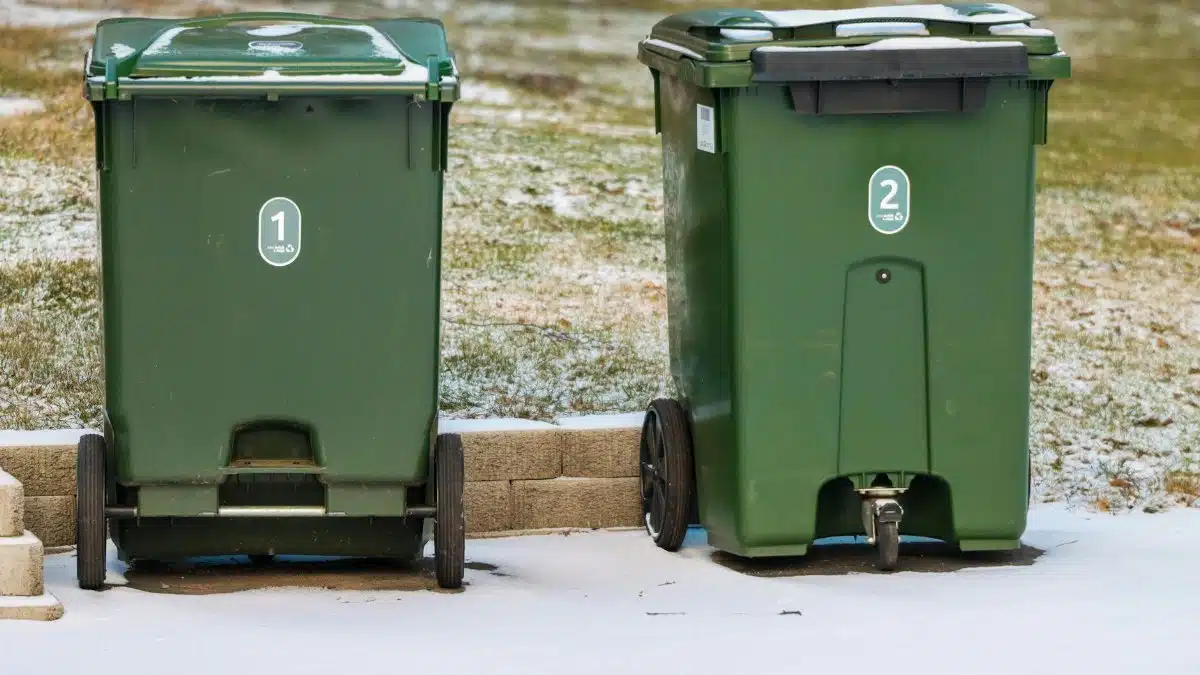
Consider the ripple effects. Bread production guzzles water, energy, flour. Discarding it squanders resources. Donating unsold bread conserves all that upstream effort. ReFED’s analysis pegs bakery sector waste at millions of tons annually, ripe for intervention ( ReFED Food Waste Overview ).
Carbon footprints lighten. Local loops cut transport emissions versus industrial composting. Pollinators benefit indirectly as less waste pollutes waterways. Bakers weave sustainability into branding. Signs proclaim: “Zero waste by evening.” Customers nod approval, loyalty deepens. Ecology and enterprise align seamlessly.
Voices from the Loaf Line
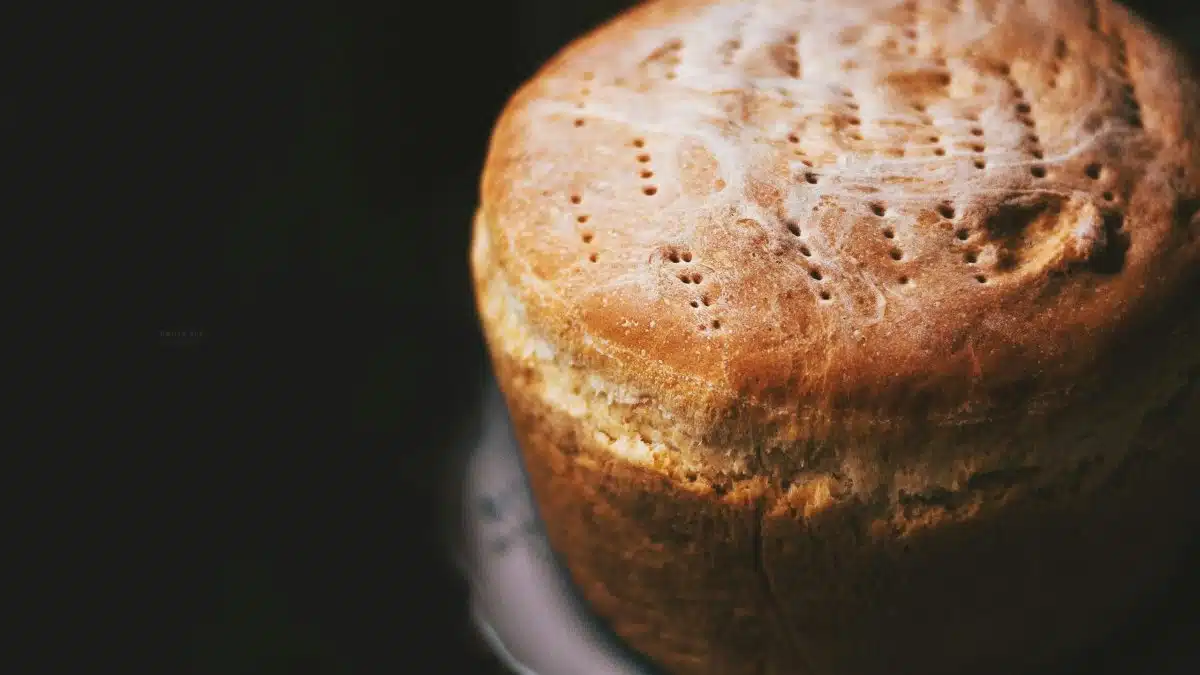
At a Denver food bank, lines form early. An elderly volunteer slices donations into portions. “Folks light up seeing real bakery bread,” she observes. One recipient recounts online recently: a bag of ciabatta turned a bare cupboard into feast night, easing isolation.
Stories proliferate. A veteran bakery duo in Seattle mentors newcomers, sharing protocols. “Start small, scale smart,” they advise. Forums buzz with similar tales: first awkward handoffs evolving into trusted alliances. These narratives humanize data, proving impact one shared meal at a time.
Navigating Regulatory Roadblocks
Good intentions meet hurdles. Health codes scrutinize donations. Some states mandate labeling; others cap quantities. Liability fears linger, though federal Good Samaritan laws shield donors.
Bakeries adapt. Training ensures safe handling. Partnerships with nonprofits provide insurance buffers. A Midwest chain standardized procedures, easing compliance. Persistence pays. Officials increasingly endorse, viewing efforts as public good. Forums echo frustrations turned triumphs: paperwork grinds, but rewards outweigh.
Forging Stronger Community Ties
Donations knit neighborhoods tighter. Bakers host packing events, drawing volunteers. Food banks reciprocate with shoutouts, boosting foot traffic. Events blend: bread-baking workshops fundraise for pantries.
Synergies multiply. Schools integrate lessons on waste. Churches organize drives. One Texas town celebrates “Bread Rescue Day” annually. Bonds form over shared purpose. Strangers become collaborators. Community fabric strengthens, resilient against divides.
Scaling Up: Lessons for Chains
Local success inspires giants. Panera pioneered, now independents lead. Scalable models emerge: centralized hubs collect from clusters. Tech apps match supply, demand real-time.
Policy nudges help. Tax credits reward donors. Grants fund vehicles. Momentum builds. Analysts predict nationwide expansion. Bakeries evolve from artisans to anchors in anti-hunger networks.
Toward a Waste-Free Horizon

Dawn tomorrow promises more loaves saved. Donating unsold bread proves viability. Challenges persist, yet optimism prevails. Communities flourish, nourished body and soul. Bakers, once silent contributors to waste streams, now orchestrate abundance. The aroma of fresh purpose lingers long after closing time.

With a career spanning investment banking to private equity, Dominik brings a rare perspective on wealth. He explores how money can be a tool for personal freedom and positive impact, offering strategies for abundance that align with your values.
Disclaimer
The content on this post is for informational purposes only. It is not intended as a substitute for professional health or financial advice. Always seek the guidance of a qualified professional with any questions you may have regarding your health or finances. All information is provided by FulfilledHumans.com (a brand of EgoEase LLC) and is not guaranteed to be complete, accurate, or reliable.