

A recent analysis from the Mayo Clinic highlights how prolonged sitting raises risks for heart disease by nearly 50 percent and cancer by 24 percent. Desk-bound routines have become the norm, especially since remote work took hold. Enter the stand up desk converter, a compact riser that elevates laptops and monitors atop existing furniture. No major overhaul required. Just lift, adjust, stand. Workers across the country report fewer aches and sharper focus. This unassuming tool challenges the sedentary status quo, proving small changes yield big returns in comfort and vitality.
Decoding the Mechanics

These converters perch securely on standard desks. A sturdy platform, often gas-lift assisted, holds keyboards and screens at eye level. Heights range from 25 to 50 inches, suiting most users. Spring-loaded mechanisms allow one-handed transitions. No tools needed for setup. Picture a sales manager in Chicago sliding her laptop into place during a morning call. She stands effortlessly, stretches her legs. The design prioritizes stability. Wide bases prevent wobbling. Some models include trays for mice or phones. Others fold flat for storage. Versatility defines them.
Engineers at Cornell University have long studied such ergonomics. Their research underscores how proper height alignment reduces strain on necks and wrists. Users feel the difference immediately. Shoulders relax. Posture improves without conscious effort.
Roots in Health Research

Standing desks trace back to the 19th century, when Winston Churchill worked from a lectern. Modern evidence piles up. A Harvard Health review notes that alternating postures burns extra calories and curbs blood sugar spikes. Sedentary hours correlate with fatigue. Converters interrupt that cycle.
Consider the data. The National Institutes of Health warns of metabolic slowdowns from constant sitting. Blood flow stagnates. Muscles weaken. By standing periodically, circulation quickens. Joints loosen. A converter makes this habitual, not heroic.
Alleviating Common Aches
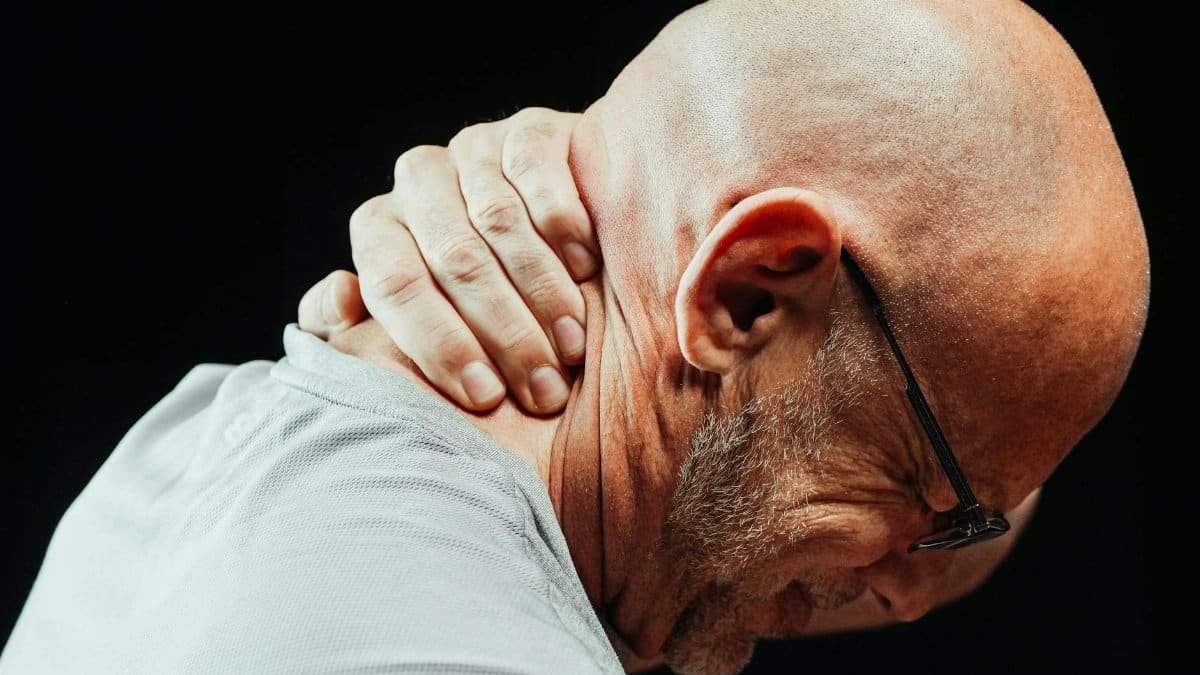
Back pain plagues 80 million Americans yearly. Office setups exacerbate it. Slumped shoulders. Forward heads. Converters counteract these. They promote neutral spine alignment. Hips level out. Feet flat on the floor.
In one vivid account, a graphic designer described her routine. “I used to rub my neck every hour,” she said. After installing a converter, mornings felt lighter. Energy sustained through afternoons. Studies back this. The CDC emphasizes how movement breaks prevent musculoskeletal issues. Standing engages core muscles subtly. Tension eases. Long-term, it may lower risks for diabetes and obesity.
Productivity Lifted Higher

Does standing sharpen the mind? Evidence suggests yes. A brief anecdote from a tech consultant illustrates. He toggles positions during coding marathons. Focus holds steady. No mid-afternoon slump.
Research from the American Physiological Society shows standing boosts cognitive performance. Blood oxygen rises. Dopamine flows freer. Workers report fewer distractions. Typing speed holds. Calls wrap quicker. Converters shine here. They fit any desk, preserving workflow. No learning curve. Just immediate gains.
Seamless Home Office Integration
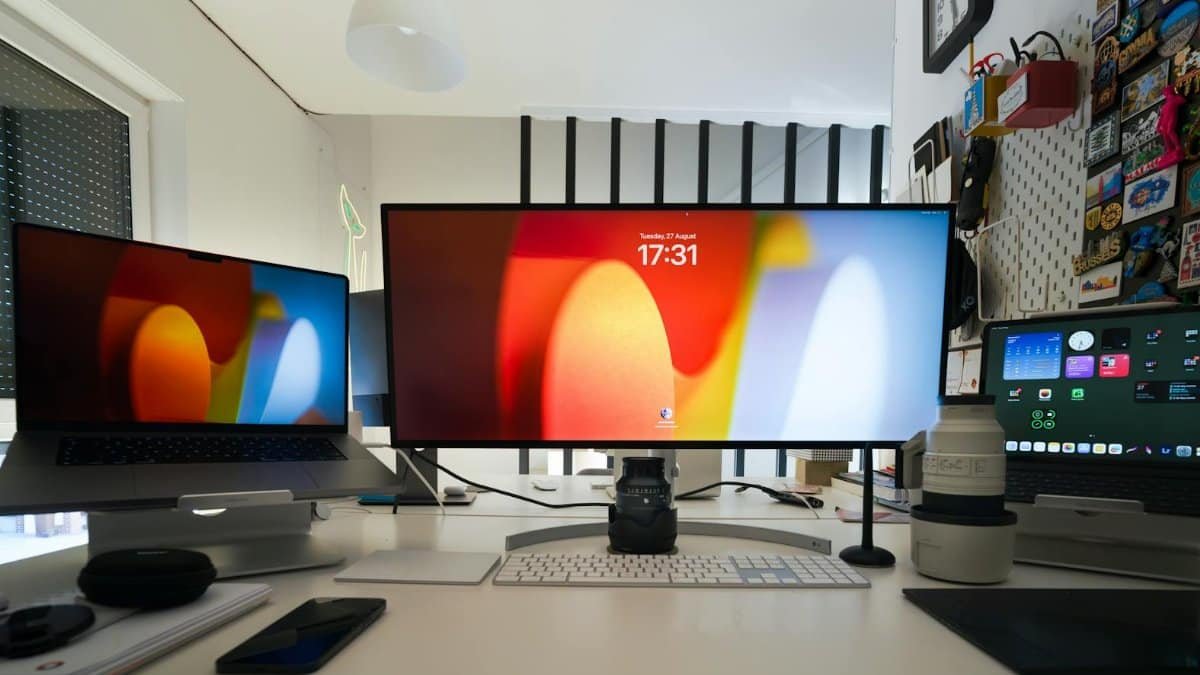
Remote work blurs boundaries. Kitchens double as boardrooms. Dining tables host spreadsheets. A stand up desk converter adapts anywhere. Lightweight frames, under 20 pounds, move room to room. Gas lifts whisper quietly. No clunks disrupt Zoom meetings.
Families notice too. Kids play nearby while parents stand tall. Space stays flexible. One recent online share captured it: a parent wrote of ditching hip pain during school pickups, thanks to daily standing breaks. Practicality rules. Models with cable management keep cords tidy. Anti-fatigue mats pair well, softening foot impact.
Cost Versus Long-Term Value

Entry-level converters start at $100. Premium versions hit $300, with keyboards included. Compare to full desks over $1,000. Savings add up. Durability matters. Steel frames outlast plastic.
ROI emerges fast. Fewer sick days. Less ibuprofen. A marketing executive tallied it. Her $150 unit paid off in reduced chiropractor visits. Market growth reflects demand. Sales surged 40 percent post-pandemic, per industry trackers. Quality varies. Check weight capacities, at least 20 pounds per shelf.
Navigating Choices Wisely

Options overwhelm. VariDesk leads with smooth lifts. Fully models add electric controls. Budget picks from Amazon suffice for light use. Test stability. Read user heights.
Ergonomic experts recommend 28 to 48 inches adjustable. Matches elbow angles. Avoid extremes. One tester favored wide keyboards for comfort. Another prized foldability for small apartments. Personal fit trumps hype. Trial periods help. Returns ease experimentation.
Overcoming Initial Hurdles

Not flawless. Legs tire first week. Build tolerance gradually. Twenty minutes hourly suffices. Varicose veins? Rare, but mats help. Desk space tight? Measure first.
Solutions abound. Footrockers engage calves. Stools allow perch-sitting. A remote editor adjusted slowly. Day one: ten minutes. Week two: fluid switches. Complaints fade. Science concurs. Gradual adoption maximizes benefits, per occupational health guidelines.
Real Voices from the Trenches

Stories humanize stats. A nurse-turned-administrator swapped sitting for standing. “My sciatica vanished,” she recounted over coffee. Focus sharpened on charts. Another, a teacher grading online, stood through evenings. Posture held. Energy lingered.
These echo broader patterns. Home workers reclaim vitality. Converters democratize ergonomics. No corner office required. Community forums buzz with similar tales. Relief feels universal.
Broader Implications for Work Life

As hybrid models persist, tools like these redefine offices. Companies experiment. Wellness budgets grow. Individuals lead. Converters signal shift toward body-aware careers.
Experts predict expansion. Smarter sensors incoming. App-linked heights. For now, the basics deliver. Americans stand taller, literally. Health reclaims priority. The stand up desk converter proves modest tweaks transform routines profoundly.

As an education professional with a background in Biology and Physics, Dr. Christoph Weber is the analytical heart of Fulfilled Humans. He ensures every piece of content is insightful and grounded in credible knowledge.
Disclaimer
The content on this post is for informational purposes only. It is not intended as a substitute for professional health or financial advice. Always seek the guidance of a qualified professional with any questions you may have regarding your health or finances. All information is provided by FulfilledHumans.com (a brand of EgoEase LLC) and is not guaranteed to be complete, accurate, or reliable.