

In neighborhoods from Seattle’s leafy cul-de-sacs to Atlanta’s bustling subdivisions, a quiet ritual has gained traction. Welcome new baby block gestures—those small acts from neighbors—now punctuate daily life more often. Driveways sport cheerful signs. Porches hold foil-covered dishes. This surge reflects deeper shifts. Remote work keeps families closer to home. Social media amplifies stories of exhaustion among new parents. Yet amid the joy of a newborn’s arrival, exhaustion reigns. Surveys show 80 percent of mothers report disrupted sleep in the first year. Fathers fare little better. These overtures aim to ease that load without intrusion. They foster connection in an era of frayed community ties. But what makes them truly helpful?
Timing Matters Most

New parents crave predictability above all. Deliver support in the chaotic weeks post-birth, not months later. One mother in a Chicago suburb recalled neighbors coordinating drop-offs via a group text. “No one asked to come inside,” she said. “They just left bags and vanished.” That invisibility proved golden.
Studies underscore why. The American College of Obstetricians and Gynecologists notes fatigue peaks around day three postpartum, when hospital stays end and reality hits. Link that to action: scout public birth announcements or watch for baby gear in driveways. A simple note—”Congrats! Meal incoming Thursday?”—respects schedules. Avoid holidays or weekends, when relatives swarm.
Meals That Nourish Without Fanfare
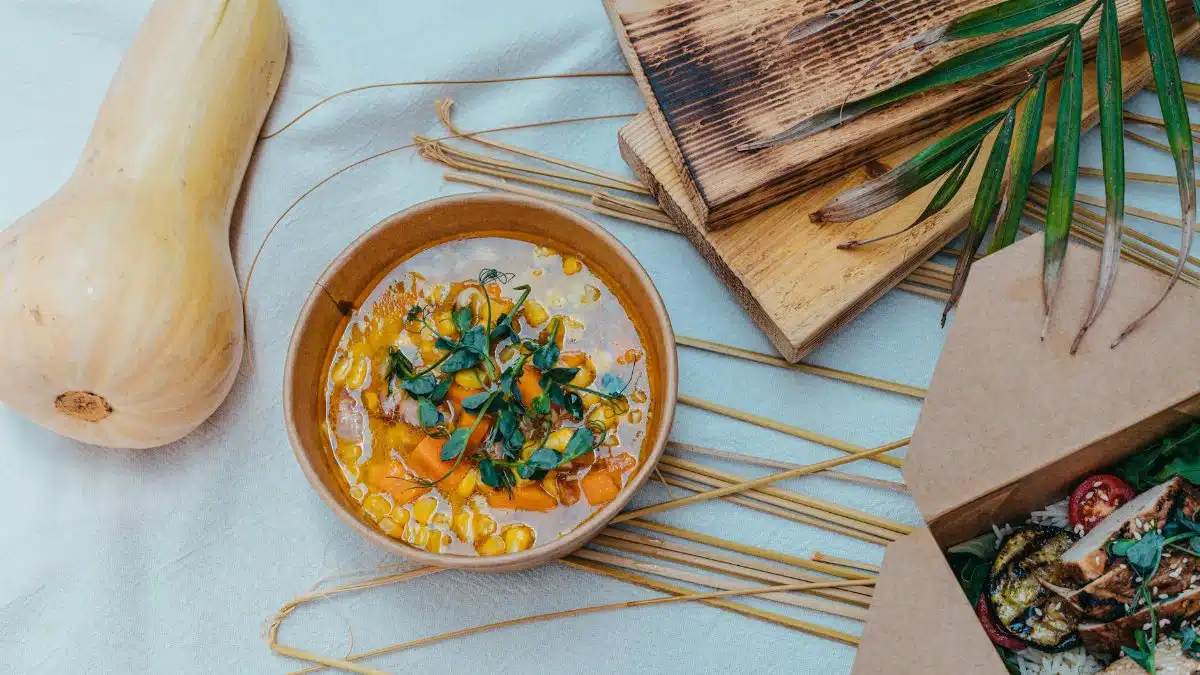
Food tops the list for good reason. Preparing dinner vanishes from a new parent’s mental load. Opt for freezer-friendly staples: lasagna, chili, soups. Label containers with reheating instructions and dates. One father described a rotation from six households. “It covered us for six weeks,” he shared. “No small talk required.”
Variety helps. Include vegetarian options or allergen notes. Data from the CDC’s maternal nutrition research highlights how poor diet exacerbates postpartum recovery. Neighbors who bake muffins or stock cookie jars add joy without effort. Deliver to the porch at dinnertime. Text first: “On your step—enjoy!”
Hands-On Help Eases Daily Burdens

Beyond edibles, tackle chores. Mow the lawn. Shovel snow. Rake leaves. These quiet services prevent resentment buildup. In a Minneapolis cul-de-sac, a retiree started a “yard watch” for new families. Blades whirred weekly. No fanfare.
Practicality drives impact. The Office on Women’s Health reports new mothers often delay self-care due to household tasks. Offer specific aid: “Can I walk your dog Tuesday?” Or “Need groceries? List welcome.” Follow through once, then reassess. Overcommitting drains everyone.
Gifts Chosen with Care

Skip the pink plushies. Focus on utility. Diaper subscriptions, white noise machines, or meal kit credits shine. A Denver couple treasured gift cards to local delivery services. “We ate real food without leaving the couch,” the mom posted anonymously in community threads.
Research backs longevity. The American Academy of Pediatrics emphasizes gear that supports safe sleep and feeding. Prioritize those. Handmade cards charm too—frame a neighborhood welcome with baby’s name. Present in a basket on the stoop. Accompany with a “no return expected” vibe.
Respecting the Do-Not-Disturb Zone

Exhaustion breeds sensitivity. New parents signal readiness through cracked doors or returned texts. Honor silence. One online account captured the tension: “Balloons arrived daily. Sweet, but we hid.” Boundaries prevent overload.
Psychologists note this phase mimics grief—hormones crash, visitors drain. The Pew Research Center on neighborhood dynamics reveals trust builds slowly. Start small. If invited in, limit to 15 minutes. Wash your hands. Coo briefly. Exit gracefully.
Digital Touches for Modern Families

Texts and apps streamline support. Create a shared calendar for meal slots. Apps like MealTrain organize without emails. A Portland group used Nextdoor to poll preferences. “Vegan? Gluten-free?” Queries flew.
This tech-savvy approach suits millennials, who birthed 80 percent of 2023 infants per CDC data. Virtual cards via apps add cheer minus clutter. Follow up sparingly: “How’s the little one?” One reply suffices.
Fostering Neighborhood Camaraderie
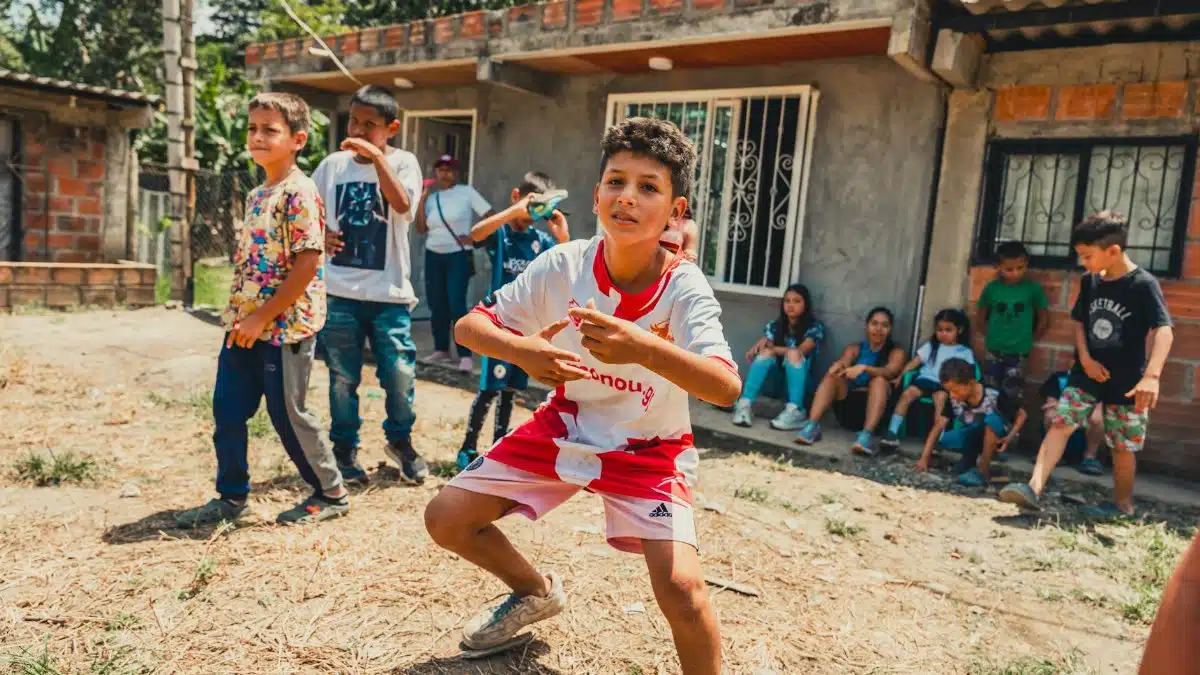
Welcome new baby block moments knit tighter bonds. Playdates emerge later. Block parties follow. In Raleigh, a new arrival sparked a parent potluck circuit. Toys swapped hands. Laughter echoed.
Long-term perks abound. Harvard’s long-running social connections research links community ties to better health outcomes—for parents and kids. Seed these by including older children in gestures, like sibling treat bags.
Navigating Cultural Sensitivities

Diversity demands nuance. In multicultural blocks, ask about customs. Some traditions favor gold coins over booties. Others shun visitors early. A Miami neighbor learned this via a gentle query: “Any preferences for our welcome?”
Global stats from UNICEF show varied postpartum practices worldwide. Adapt locally. Neutral gestures—food, chores—transcend. Celebrate inclusively.
Lessons from Exhausted Parents

Veteran parents stress coordination. Avoid duplicates; one lasagna pile overwhelms freezers. One recent forum post vented: “Ten lasagnas thawed simultaneously. Chaos.” Apps prevent that.
They also praise sustainability. Reusable totes over disposables. Eco-friendly diapers. Thoughtfulness endures. Track feedback: “Loved the soup—more?” Adjust.
Scaling Up for the Whole Block

Whole streets amplify impact. Potluck sign-ups. Shared babysitting co-ops post-infant stage. In Austin, a “new baby fund” pooled for services. Cleaners hired. Parents rested.
This collective lift counters isolation. CDC data shows 1 in 8 mothers face postpartum depression; support buffers risk. Organize via low-key meetings. Sustain through seasons.
These strategies transform fleeting hellos into lifelines. Neighborhoods thrive when welcome new baby block efforts blend empathy with efficiency. New parents emerge stronger. Bonds deepen. In a disconnected world, such ripples matter profoundly.

Natasha is the heart of our exploration into conscious connection. Applying principles from multiple counseling courses in her own life, she guides you to cultivate stronger, more joyful bonds.
Disclaimer
The content on this post is for informational purposes only. It is not intended as a substitute for professional health or financial advice. Always seek the guidance of a qualified professional with any questions you may have regarding your health or finances. All information is provided by FulfilledHumans.com (a brand of EgoEase LLC) and is not guaranteed to be complete, accurate, or reliable.