
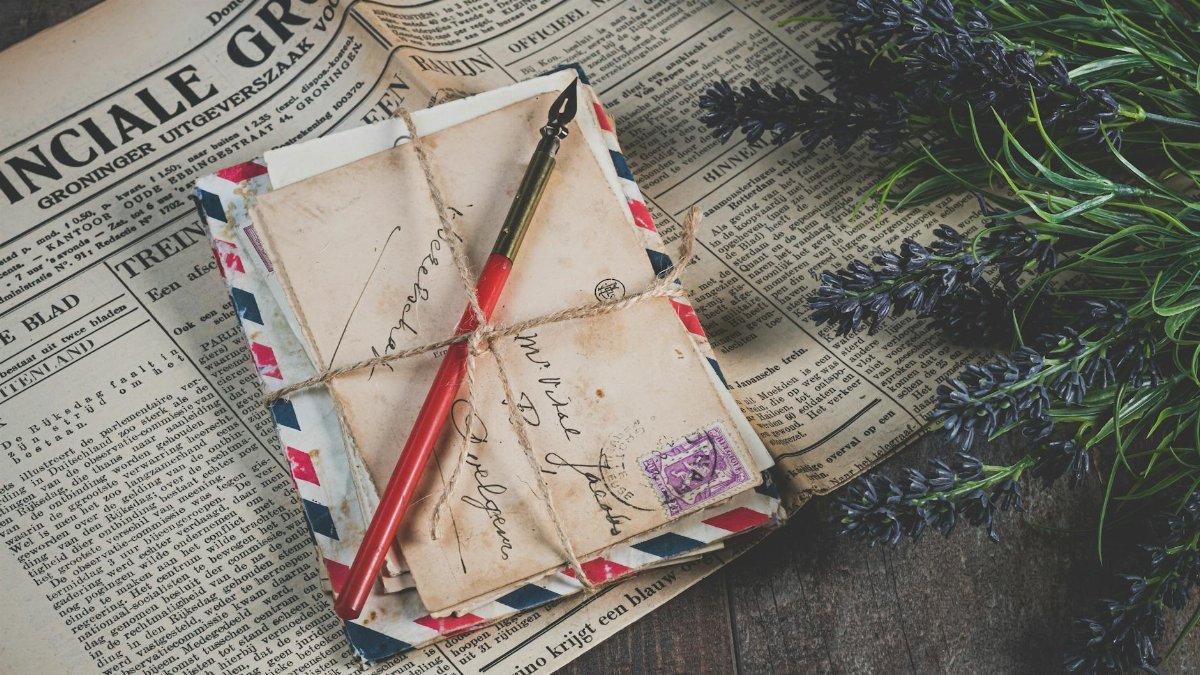
In coffee shops from Seattle to Savannah, people hunch over notebooks, pens scratching against paper in a deliberate rhythm. This quiet resurgence points to handwritten letters relatives once exchanged as a lifeline. Texts flicker and fade, but these tangible missives endure, carrying scents of lavender or coffee stains from afar. Families report deeper connections when words arrive by mail, not megabyte. As digital fatigue sets in, this old-school ritual offers a counterpoint, fostering patience and presence in fractured relationships. What draws middle-aged Americans back to inked pages amid endless emails?
The Fading Art of Postal Bonds
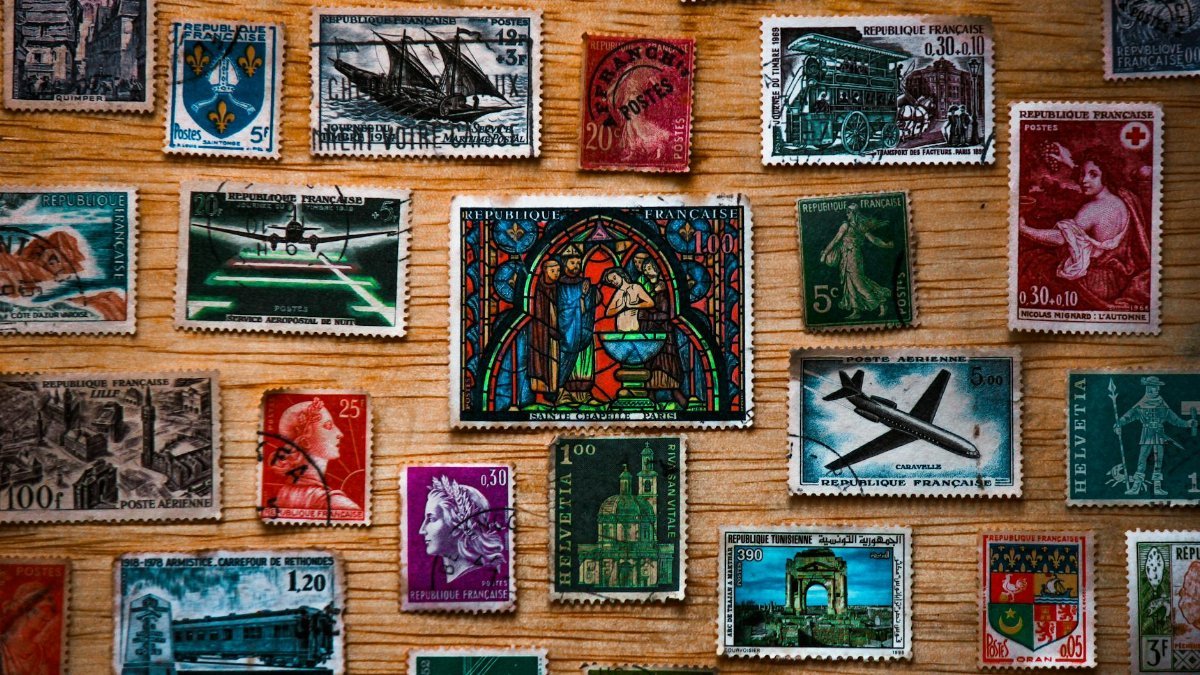
Envelopes once bulged in kitchen drawers, stuffed with updates from cousins in distant states. Today, those drawers hold bills and takeout menus. The U.S. Postal Service handled 129 billion pieces of mail in fiscal 2022, down sharply from peaks decades ago, yet personal letters persist among a dedicated few. Families separated by miles rediscover them during holidays or crises. One father in Ohio mailed weekly notes to his daughter at college; she kept every one, framing a few. Such gestures bridge gaps that apps cannot. The shift reflects broader trends: smartphones dominate, but their brevity starves nuance.
Why Ink Outshines Pixels
Handwritten letters demand time, a rarity in rushed lives. A cursive loop or shaky script reveals emotion texts mask with emojis. Recipients linger over them, tracing familiar handwriting like a voice from the page. Psychologists note this tangibility boosts memory and empathy. Consider a Midwest family: after years of sporadic calls, aunts exchanged letters detailing garden triumphs and quiet regrets. Conversations deepened, misunderstandings dissolved. Digital replies feel disposable; paper invites rereading, turning fleeting thoughts into heirlooms. This medium slows communication, forcing clarity over knee-jerk retorts.
Science Backs the Personal Touch
Neuroscience illuminates why a relative’s scrawl hits differently. Brain scans show handwriting activates regions tied to memory and emotion more than typing. A Norwegian study found students retained information better from notes taken by hand, a principle extending to letters. Reading a parent’s looping words sparks neural pathways linked to attachment. For relatives, this fosters security.NIH research on handwriting’s brain effects underscores its power. Families report reduced anxiety when letters replace group chats, as the act of writing quiets mental chatter.
Real Families, Real Letters
Sarah, a 52-year-old nurse from Texas, unearthed her late mother’s correspondence during a move. Yellowed pages chronicled births, moves, heartaches. She began writing to her own siblings, scattered across states. Responses poured in, laced with childhood memories. “It mended rifts I didn’t know lingered,” she said. Similar tales emerge in support groups for adult children of aging parents. One man described mailing photo-lined letters to his elderly uncle; replies, frail but fervent, sustained them through illness. These exchanges, raw and unfiltered, rebuild trust eroded by time.
Navigating Digital Overload
Notifications bury meaningful exchanges under memes and ads. A Pew Research analysis highlights how platforms fragment family ties, with younger relatives prioritizing feeds over calls. Handwritten letters relatives sidestep this noise. They arrive unbidden, demanding no swipe. Yet starting feels daunting amid autofill habits. Grandparents cherish them most, their tech aversion amplifying the gift’s value. A simple “Thinking of you” note can pierce isolation, especially post-pandemic when visits dwindled.
Historical Echoes in Modern Mail
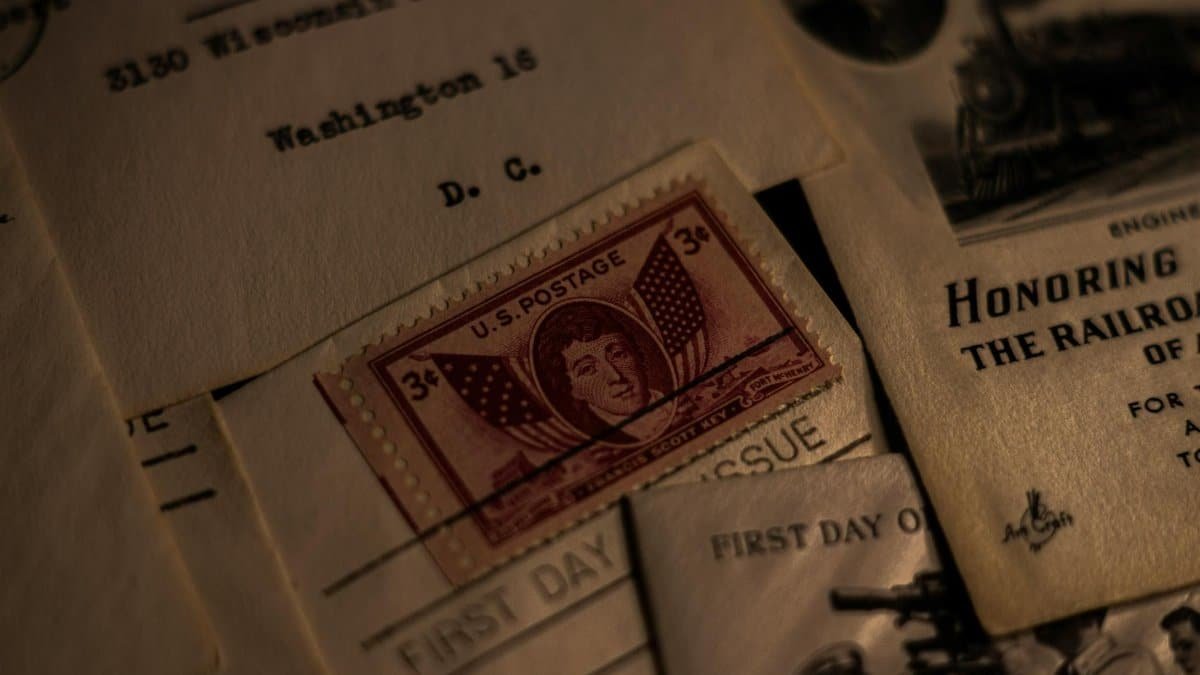
During World War II, soldiers’ letters home sustained morale, averaging 40 million weekly. Those missives, creased from rereading, mirrored today’s urge for authenticity. Civil War soldiers wrote similarly, blending mundane details with profound fears. This tradition endures because human needs transcend eras: the craving for proof of care. Contemporary families draw inspiration, some hosting “letter parties” to pen collective notes. Libraries host workshops, blending nostalgia with craft. Such events remind participants that paper outlasts servers.
Practical Steps to Start Writing
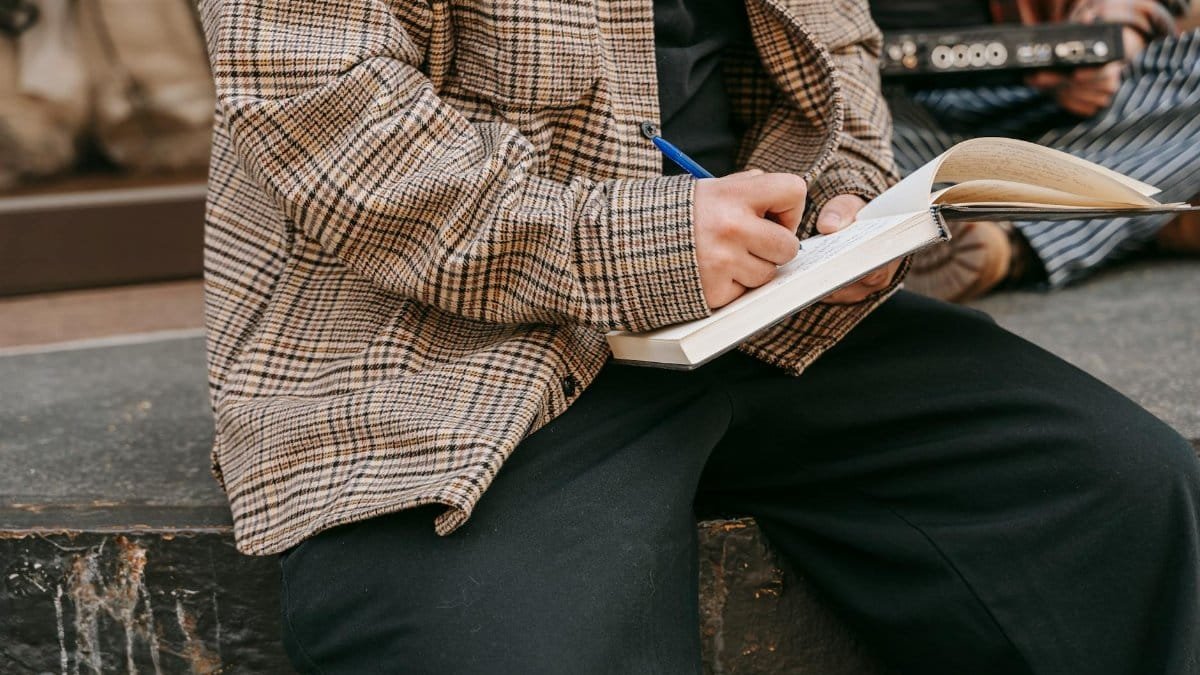
Grab quality stationery, not drugstore pads. Jot sensory details: the crunch of autumn leaves, aroma of baking bread. Keep it light at first, five paragraphs max. Mail promptly; anticipation builds bonds. Track addresses in a notebook, update as relatives move. For distant kin, include photos or pressed flowers. One woman enclosed recipes from her grandmother, sparking a chain of culinary shares. Tools like fountain pens add flair without fuss. Consistency matters more than perfection; even block letters convey heart.
Mental Health Lift from Letters
Expressive writing eases stress, per psychological research. Journaling by hand lowers cortisol; letters extend this to relatives. A UC Berkeley review ties handwriting to deeper processing, aiding emotional regulation. Families grappling with loss find solace in ongoing dialogue with the living. Widows write to stepchildren, preserving legacies. Therapists recommend it for estranged siblings, noting softened tones emerge on paper. The ritual itself soothes, turning solitude into connection.
Overcoming Common Hurdles

Time scarcity tops complaints. Yet a 10-minute session yields volumes. Illiteracy in handwriting plagues some; practice rebuilds skill. Privacy fears? Seals protect secrets. Cost? Stamps run 73 cents, pennies compared to therapy. Cultural shifts help: stationery shops boom in Brooklyn, offering kits for beginners. Online forums buzz with tips, though purists shun screens entirely. Persistence pays; initial awkwardness fades, replaced by rhythm. Relatives often reciprocate, creating loops of affirmation.
A Timeless Bridge Forward

As boomers age and millennials parent, handwritten letters relatives will anchor generations. They counter AI-generated notes, preserving human imperfection. Schools revive penmanship; families follow suit. Imagine estates brimming with bundles, testaments to love’s endurance. This practice, simple yet profound, reclaims intimacy from algorithms. In a world of ephemera, these letters stand firm, whispering permanence. Start one today; the postmark might mark a turning point.
A American Psychological Association piece on writing’s therapeutic role reinforces its role in family dynamics, urging more such exchanges amid rising loneliness.

Natasha is the heart of our exploration into conscious connection. Applying principles from multiple counseling courses in her own life, she guides you to cultivate stronger, more joyful bonds.
Disclaimer
The content on this post is for informational purposes only. It is not intended as a substitute for professional health or financial advice. Always seek the guidance of a qualified professional with any questions you may have regarding your health or finances. All information is provided by FulfilledHumans.com (a brand of EgoEase LLC) and is not guaranteed to be complete, accurate, or reliable.