

With summer heatwaves hitting record highs, new data from the U.S. Energy Information Administration shows households could slash cooling bills by up to 20% through smart summer cooling cost savings. That’s potential savings of $200 to $500 for the average family, amid rising energy prices. As AC units strain under triple-digit temps, simple tweaks offer immediate relief without sacrificing comfort. Experts say these strategies work nationwide, from Texas swelters to Northeast humidity.
Crank Up the Thermostat
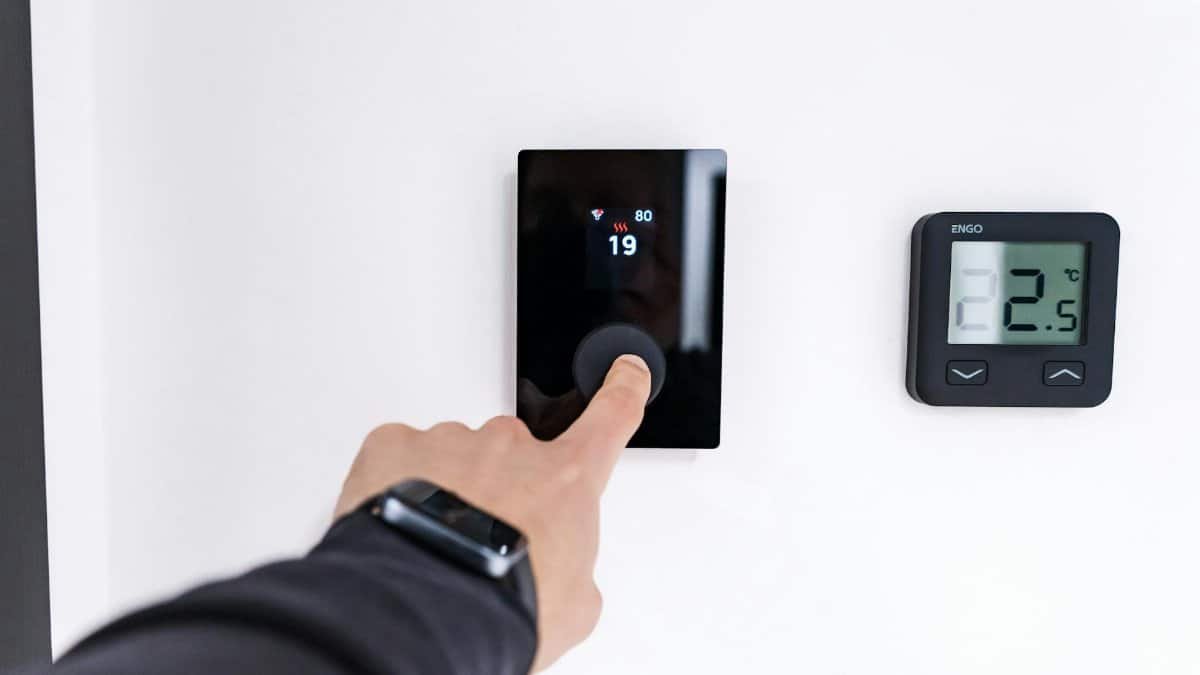
Raise your thermostat by just 7-10 degrees when away or asleep. The Department of Energy reports this alone cuts cooling costs by 10%. Programmers automate it: 78 degrees daytime, 85 overnight. One Phoenix homeowner dropped his July bill from $450 to $320 last year. Pair with fans for that chill factor. No need for fancy gear; your current setup delivers.
Harness Ceiling Fans Right
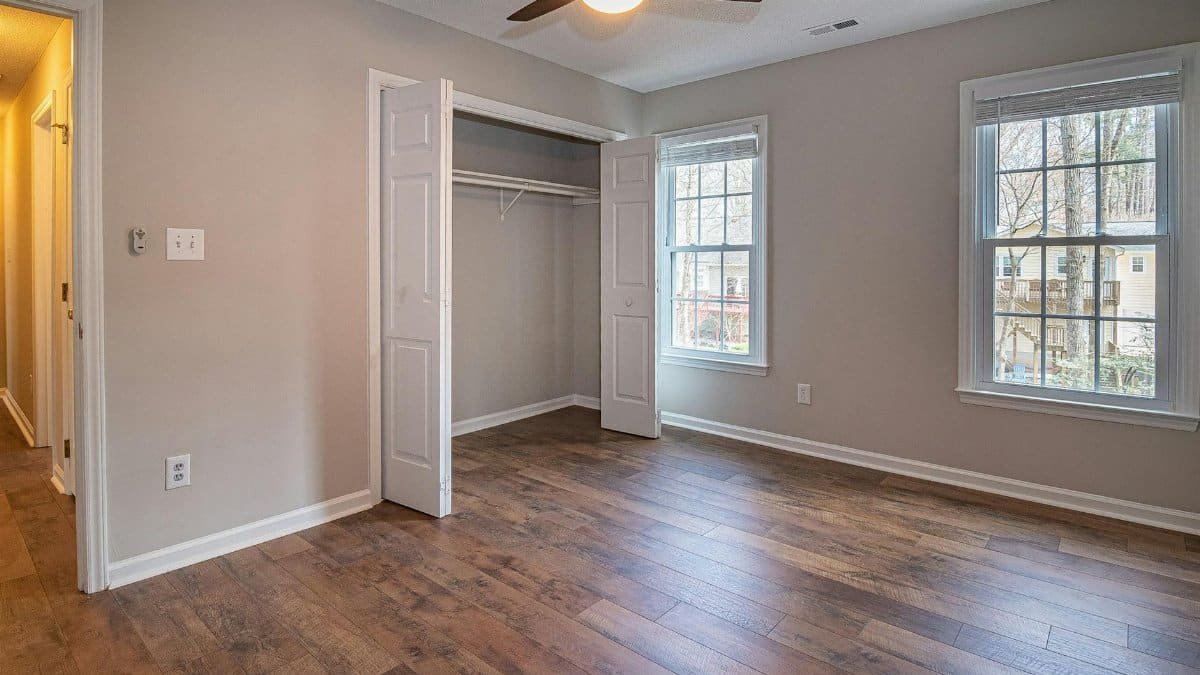
Ceiling fans let you hike the thermostat 4 degrees without sweat. They create a wind-chill effect, making rooms feel 4 degrees cooler. Counterclockwise in summer pushes air down. ENERGY STAR notes fans use 90% less energy than AC. Install one per room if needed—costs under $100, pays back in months. Skip when unoccupied to avoid waste.
Block the Sun with Shades

Close blinds, curtains or shades during peak sun hours. Light-colored ones reflect up to 45% of heat, per federal tests. South- and west-facing windows matter most. Add exterior shades for 60% gains. A Chicago study found this trick saved 25% on cooling. Cheap fix: reflective film kits run $20 a window. Keeps interiors 20 degrees cooler.
Seal Leaks and Insulate

Air leaks around doors, windows and ducts waste 20-30% of cooled air. Use weatherstripping and caulk—DIY in an afternoon. Insulate attics to R-49 levels in hot climates. The Department of Energy’s air sealing guide details steps. One Florida family sealed their home and saw $150 monthly drops. Pro audits cost $300 but qualify for rebates.
Service Your AC Unit Now
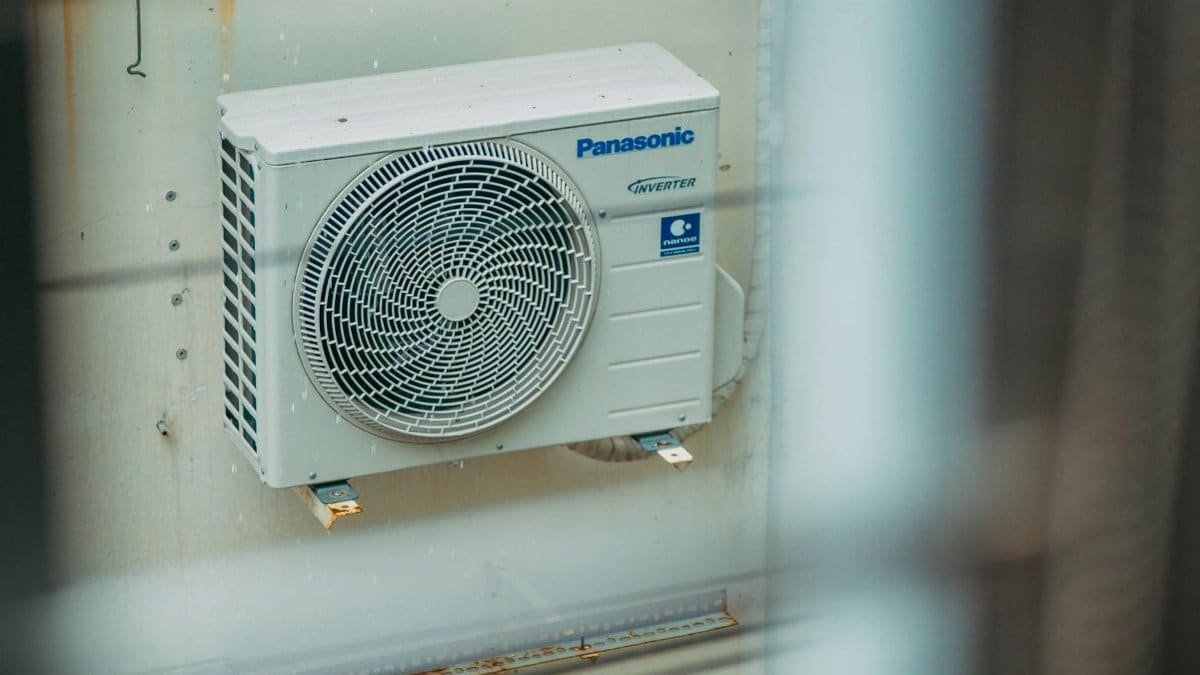
Dirty filters and coils hike energy use 15%. Change filters monthly; schedule annual tune-ups. Clean coils boost efficiency 30%. Trane data shows serviced units run 20% cheaper. Costs $100-200 yearly, but ROI hits fast. Look for SEER2 ratings above 15 on replacements—federal rebates via Inflation Reduction Act cover thousands.
Go Smart with Tech Upgrades

Smart thermostats like Nest or Ecobee learn habits, saving 10-15% automatically. Remote apps adjust from anywhere. Pair with zoning dampers for multi-story homes. A ENERGY STAR analysis confirms 23 billion kWh annual U.S. savings. Initial $250 outlay recoups in a season. Voice control via Alexa adds ease.
Shift Usage to Off-Peak Hours

Run AC pre-cooling early morning or late evening. Time-of-use rates from utilities reward this—often half price off-peak. Apps track cheapest windows. California users save 30% this way. Demand-response programs pay you to ease grid strain during peaks. Check your provider; free enrollment common.
Dehumidify Without Overkill

High humidity makes air feel hotter, forcing AC overuse. Vent clothes dryers outside; fix leaks. Portable dehumidifiers target basements. EPA says optimal 30-50% humidity cuts cooling needs 30%. Whole-home units cost $1,500 but slash bills long-term. Run exhaust fans post-showers.
Plant for Natural Shade

Trees and shrubs block sun, cooling homes 10-20 degrees. Deciduous types drop leaves in winter for solar gain. USDA forestry programs offer free saplings. Long-term play: mature oaks save $100 yearly. Vines on trellises work fast. Urban lots see biggest wins.
These moves stack for compound gains. EIA projects $15 billion national savings if half adopt them. Track via apps like Sense. Utilities offer free audits—call today. Beat the bill before August spikes hit.

With a career spanning investment banking to private equity, Dominik brings a rare perspective on wealth. He explores how money can be a tool for personal freedom and positive impact, offering strategies for abundance that align with your values.
Disclaimer
The content on this post is for informational purposes only. It is not intended as a substitute for professional health or financial advice. Always seek the guidance of a qualified professional with any questions you may have regarding your health or finances. All information is provided by FulfilledHumans.com (a brand of EgoEase LLC) and is not guaranteed to be complete, accurate, or reliable.