
Food supplies about 20 percent of the water most people consume each day, a detail that underscores the power of naturally hydrating foods. The Harvard T.H. Chan School of Public Health Nutrition Source points out this contribution often goes unnoticed amid the push for endless refills from water bottles. Dehydration sneaks up in subtle ways: headaches after lunch, sluggish afternoons, skin that feels tight. Yet produce sections overflow with options that deliver moisture alongside vitamins and fiber. These foods absorb slowly into the system, sustaining hydration longer than plain water alone. For busy Americans juggling commutes and desk jobs, they represent an effortless upgrade. Consider the shift in grocery carts lately, heavier on vibrant reds and greens. This exploration spotlights 11 standouts, each backed by nutritional data, proving plates can refresh as well as pitchers.
Understanding Hydration from Your Fork
Water makes up 60 percent of the adult body. Losing even 2 percent through sweat or neglect impairs focus and mood. The Mayo Clinic stresses that beverages handle most intake, but foods fill crucial gaps. High-water produce releases fluid steadily, paired with electrolytes like potassium that help cells retain it.
Take a midday slump at the office. A colleague once recounted slicing into a crisp cucumber during a break. “It was like my body sighed in relief,” she said later. No jug needed. Studies confirm this: vegetables and fruits can supply 22 to 30 percent of daily needs for some diets. The body absorbs their water efficiently, especially when chewing breaks down cell walls.
Not all moisture equals hydration. Coffee or soda? They pull water away. Naturally hydrating foods nourish while quenching. Data from the USDA FoodData Central database reveals top contenders boast 90 percent or more water by weight. Simple swaps beat chugging.
Watermelon Packs a Juicy Punch
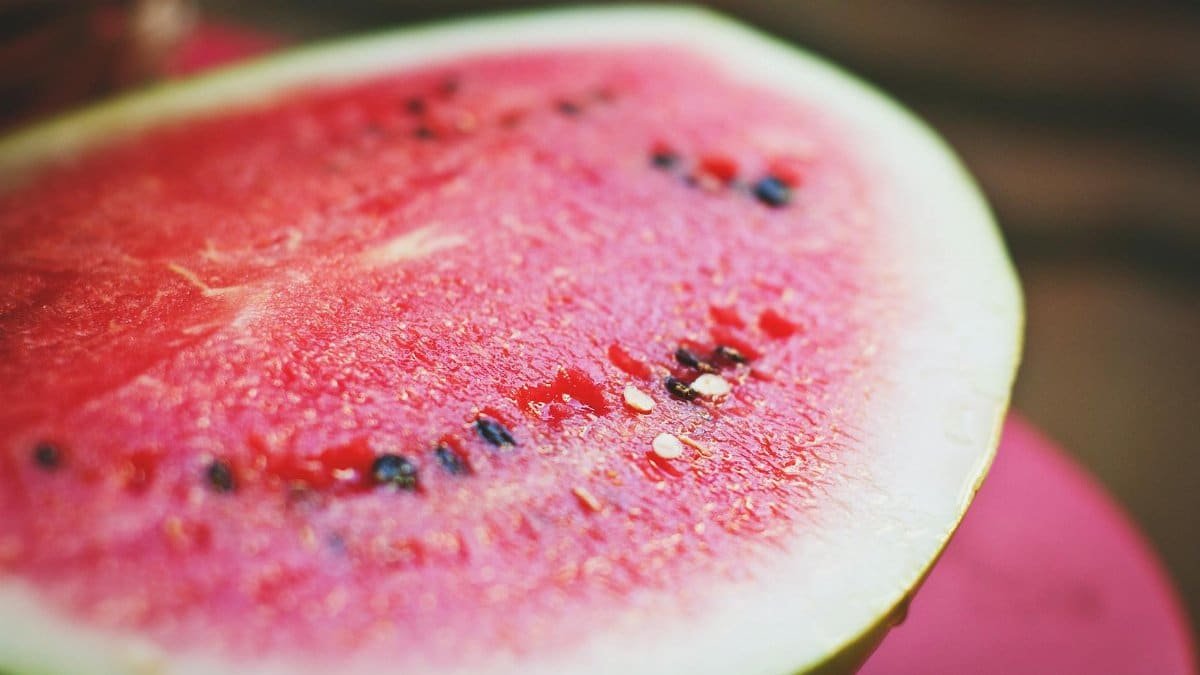
Summer barbecues summon watermelon first. Ninety-two percent water, it weighs in at 170 grams of hydration per cup. Beyond moisture, lycopene fights inflammation. A backyard gathering in Texas last July saw platters empty fast. Kids grabbed chunks, adults followed, all remarking on the instant cool-down.
Practical tip: Chill and cube for snacks. Pair with feta for a savory twist. Athletes favor it post-run; the natural sugars restore glycogen without crashes.
Cucumbers Cool from the Inside
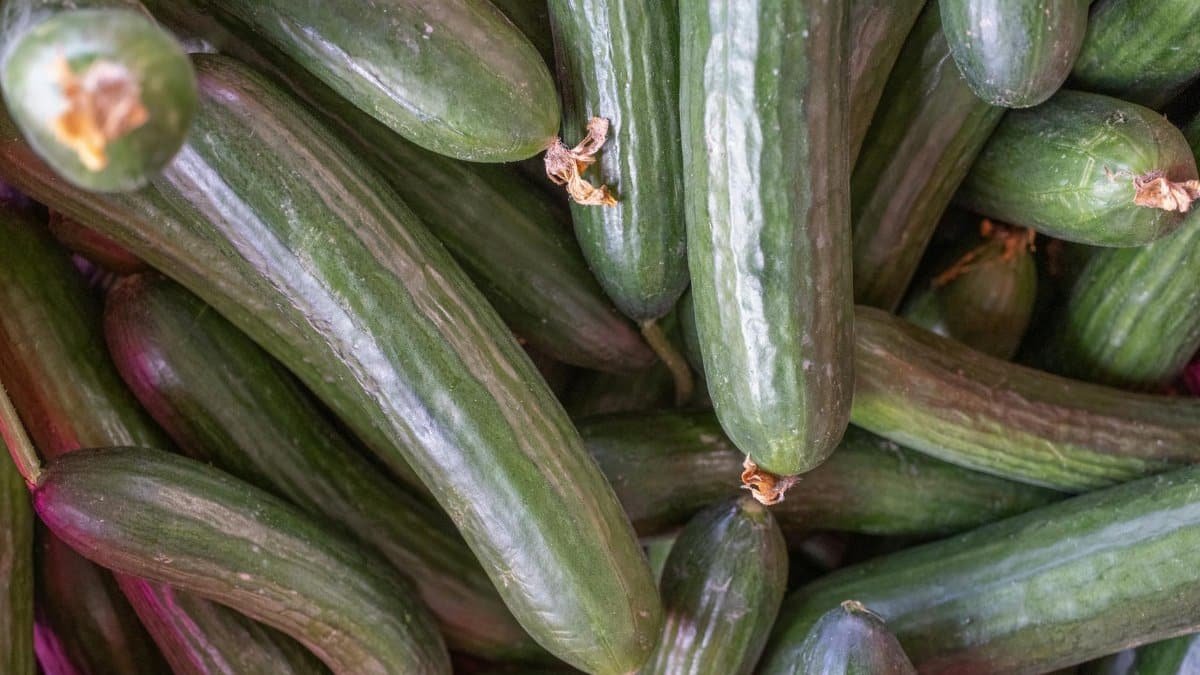
Sliced thin into salads or munched plain, cucumbers top charts at 96 percent water. Low calories, high crunch. Their silica supports skin elasticity, a bonus as hydration plumps from within.
Picture a hot yoga class ending. One participant swirled cucumber water, but raw slices work better undiluted. Vitamins K and C tag along, bolstering immunity. Spiralize for noodles that refresh any meal.
Strawberries Burst with Sweet Relief
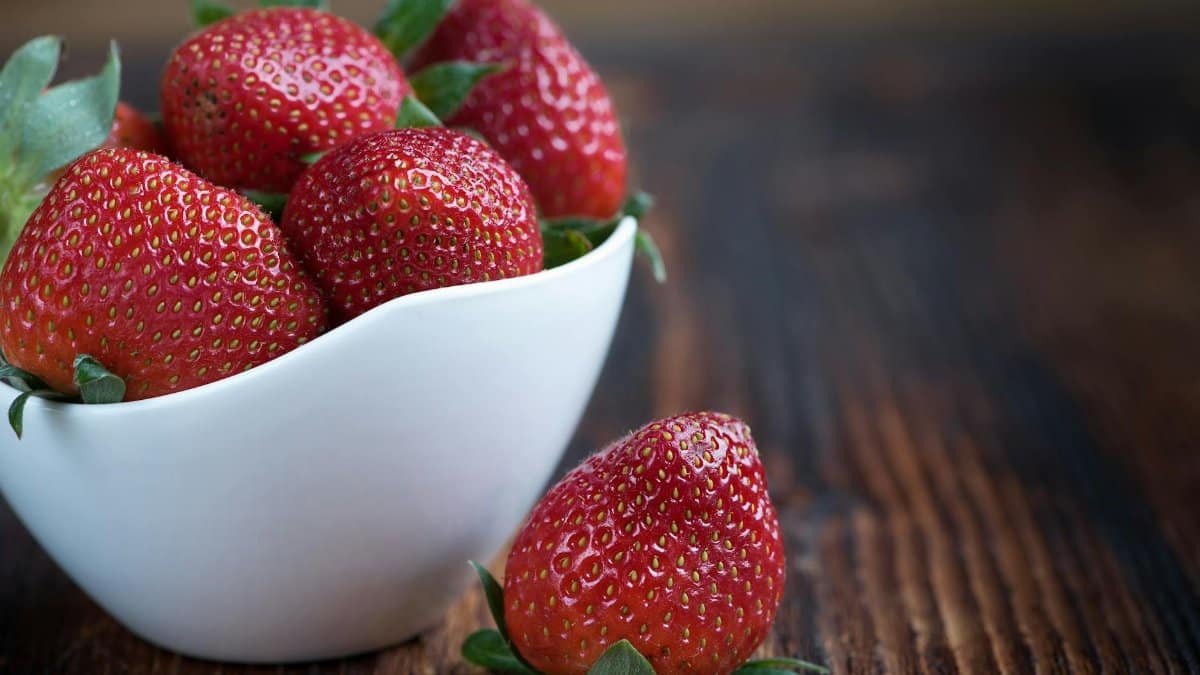
These berries glisten at 91 percent water. Antioxidants like vitamin C shield against oxidative stress from dehydration. Farmers markets buzz with pint after pint vanishing into smoothies.
Freshly picked, they taste alive. Mash over yogurt for breakfast. A recent public account described ditching sodas for strawberry handfuls: energy steadied, cravings faded. Fiber slows sugar release, steadying blood levels.
Oranges Deliver Citrus Hydration
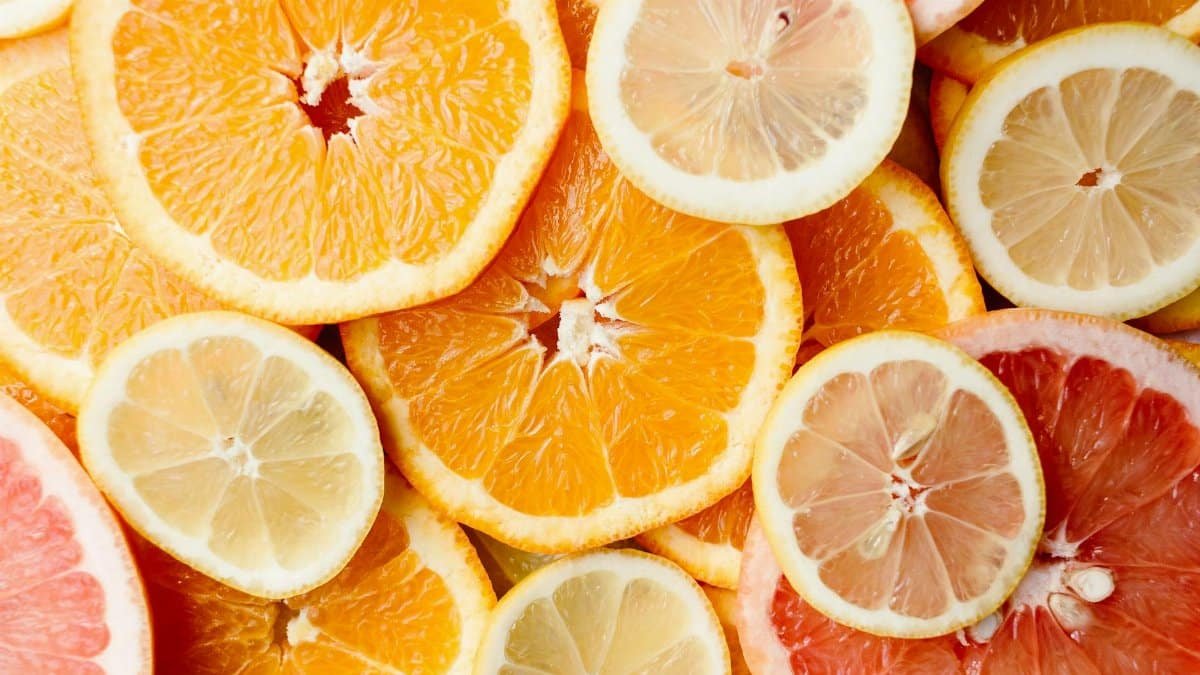
Peeled and segmented, oranges offer 86 percent water plus a potassium jolt. That electrolyte balances sodium, preventing bloat. Road trippers stash them; juice dribbles but sustains.
Zest brightens dressings. Whole fruits outshine juice for fiber. In flu season, their vitamin C load aids recovery when bodies crave fluids.
Lettuce Layers Up Moisture
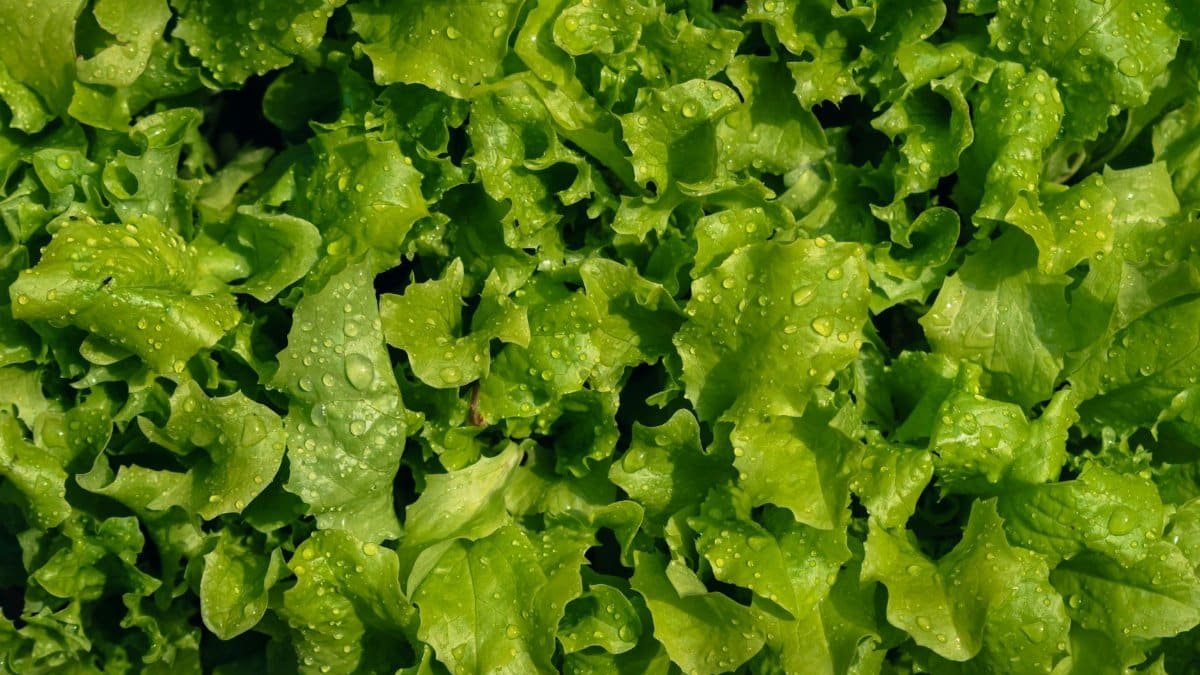
Romaine or iceberg, lettuce hits 96 percent water. Salads transform into hydration hubs. Wrap tacos in it instead of tortillas for a lighter load.
A cafe lunch crowd in Chicago layered romaine high. “Feels like drinking a salad,” one diner noted. Folate and vitamin A enhance the package. Crisp varieties hold up best.
Celery Stalks Crisp and Clean
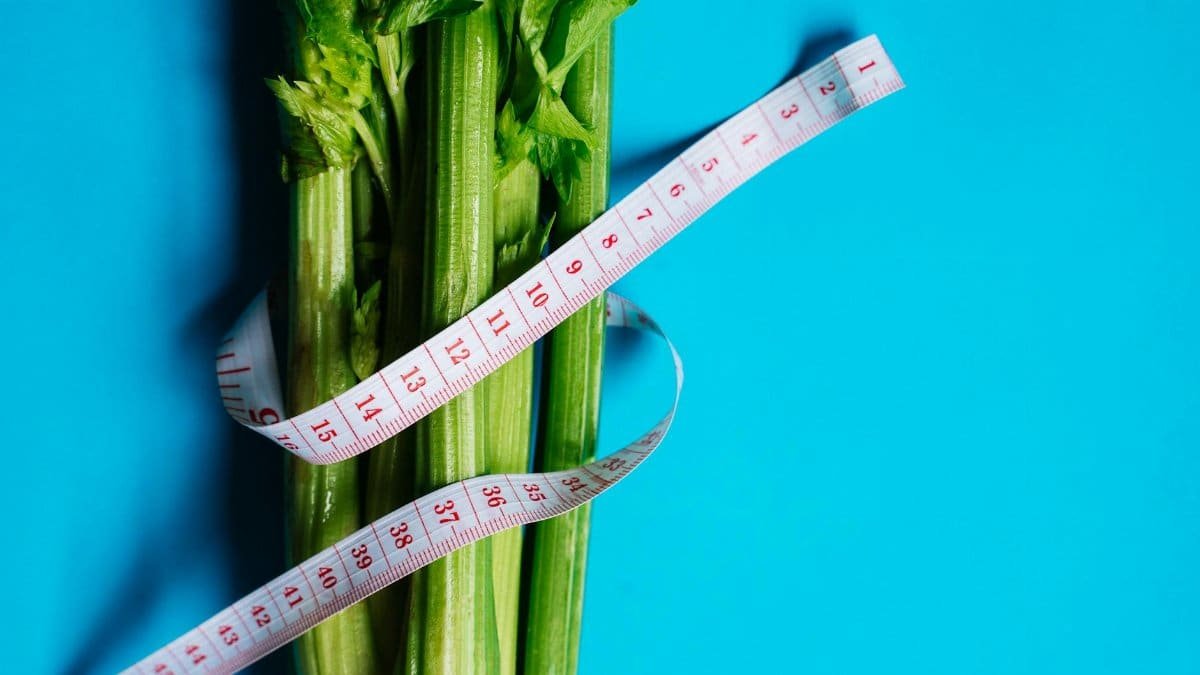
Ninety-five percent water, celery doubles as a dipper or juicer base. Phthalides relax blood vessels, easing tension. Snack sticks with nut butter balance the mild flavor.
Juice cleanses surged in popularity. Blended with apples, it hydrates deeply. Crunch satisfies mindless munching without empty calories.
Zucchini Zests Summer Salads
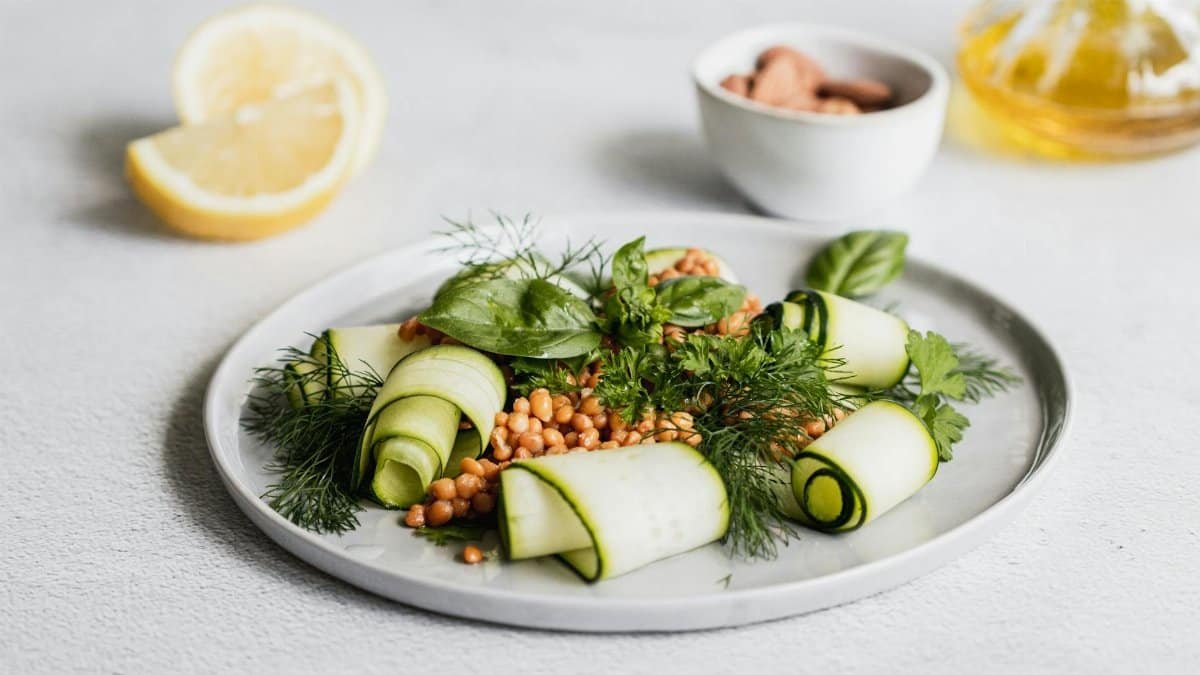
Grilled or raw, zucchini clocks 95 percent water. Mild taste absorbs marinades. Ribbon it for pasta swaps that lighten plates.
Garden harvests yield piles. Sauté with garlic; steam retains moisture. Beta-carotene converts to vitamin A, supporting eyes amid screen time.
Tomatoes Ripen with Juiciness
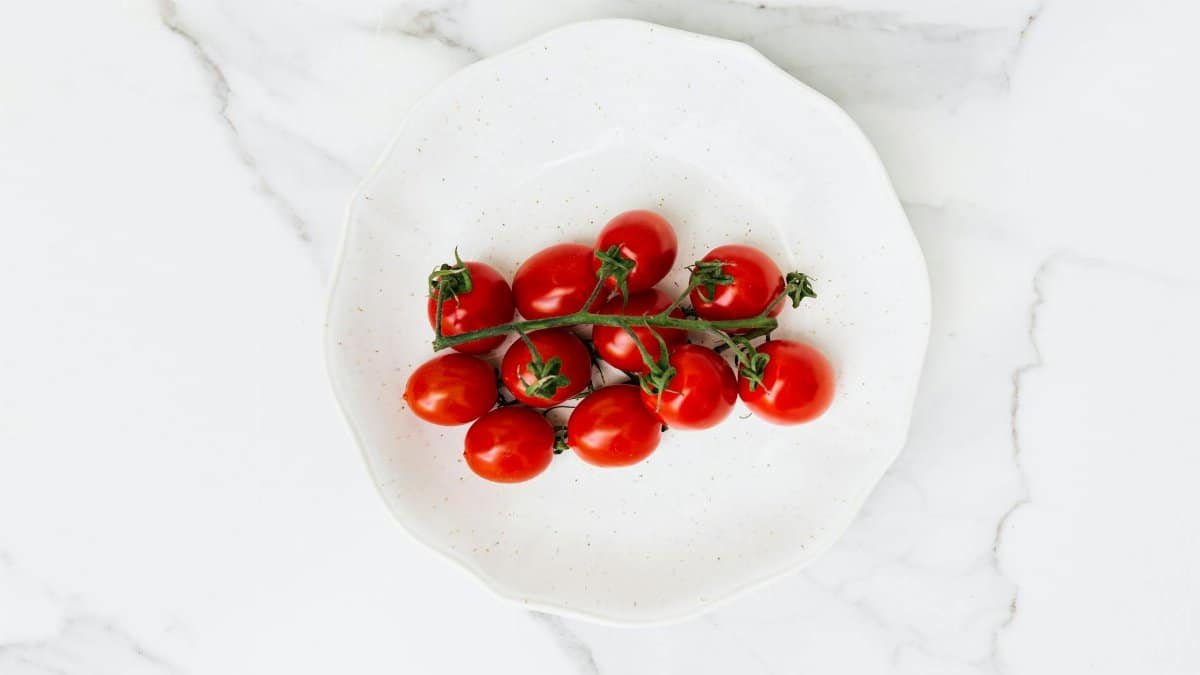
Fresh or roasted, tomatoes provide 94 percent water. Lycopene thrives in cooked forms. Caprese stacks marry them with basil and mozzarella.
Heirloom varieties dazzle markets. One gardener shared online how tomato salads curbed afternoon thirst. Potassium aids muscle function post-exercise.
Bell Peppers Add Colorful Crunch
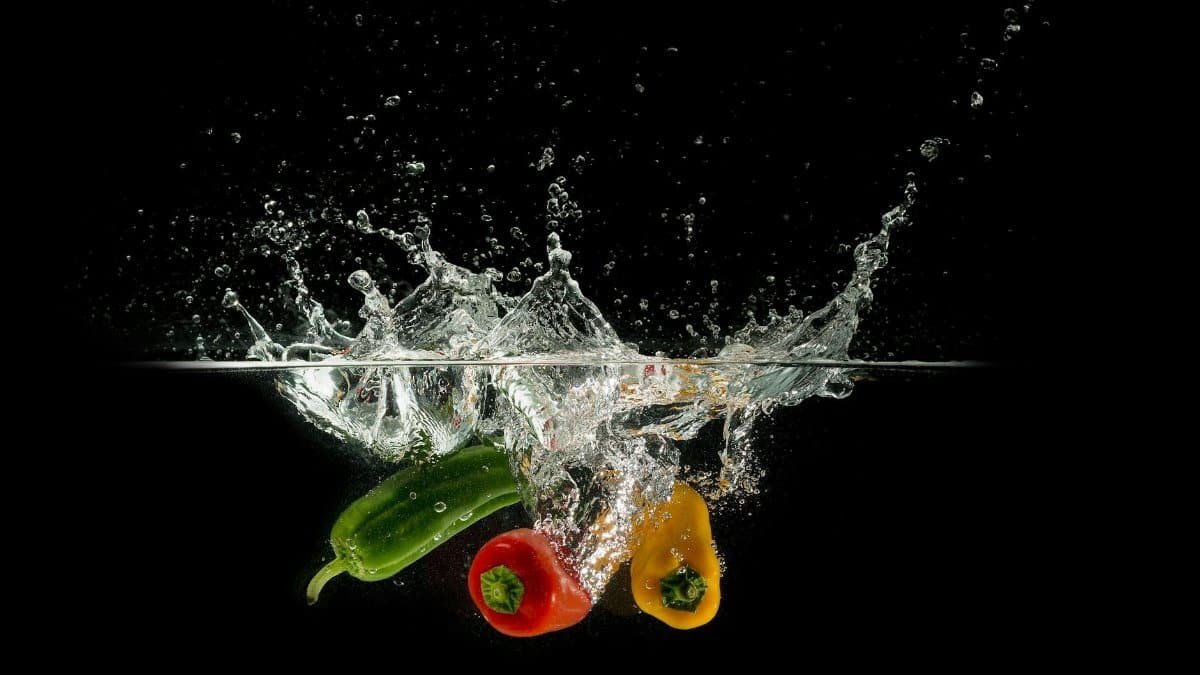
Red, yellow, green: 92 percent water across hues. Vitamin C explodes, outpacing oranges. Stuff or slice for dips.
Stir-fries sizzle them in. Roasting concentrates sweetness. Their capsaicin kin boosts metabolism gently.
Cantaloupe Melts in Juicy Slices
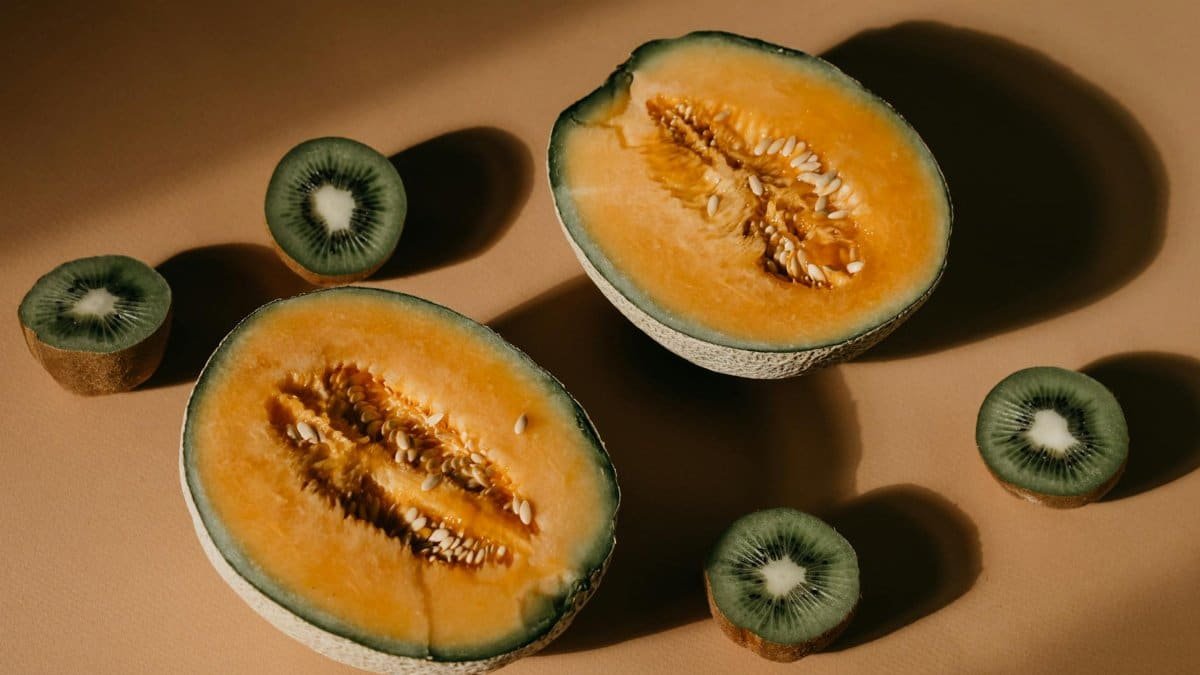
Ninety percent water, cantaloupe nets vitamin A for vision. Ripe ones perfume kitchens. Cube for fruit bowls.
Beach days call for wedges. Enzymes aid digestion, easing heavy meals. Beta-carotene glows skin.
Peaches Promise Stone Fruit Bliss
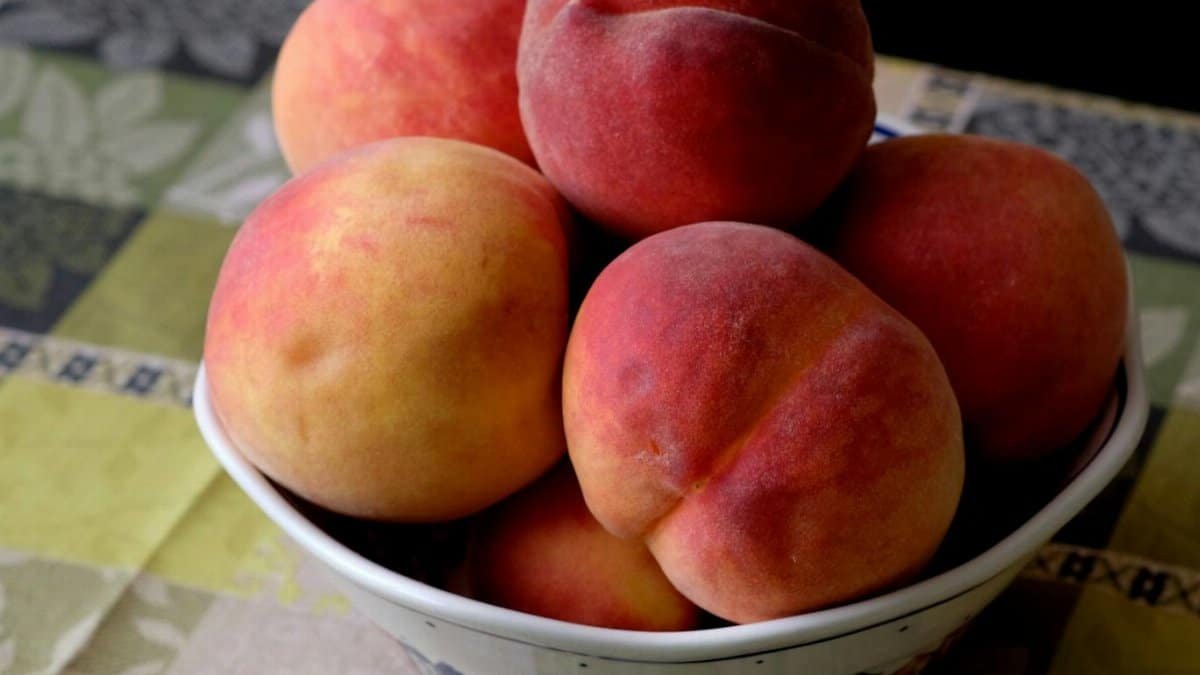
Eighty-nine percent water, peaches drip nectar. Freestone varieties peel easy. Grill halves for dessert.
Farm stands tempt drivers. Fiber curbs hunger. A late-summer pie skips crust for pure refreshment.
Building Habits Around These Foods

Incorporate three daily: breakfast berries, lunch salad, evening fruit. Track energy shifts over weeks. The National Institutes of Health review on hydration strategies affirms food sources enhance overall intake.
Tensions arise. Busy schedules sideline prep. Solution: pre-washed packs, frozen berries. Families adapt slowly, but kids lead with picky approvals turning to requests.
Seasonal shifts matter. Winter? Roast peppers, stew tomatoes. Year-round, they counter processed diets. Hydration builds resilience against heat waves or stress. Bodies thank the effort with clarity and vigor. Next grocery run, fill the cart with color. The difference lingers.

As an education professional with a background in Biology and Physics, Dr. Christoph Weber is the analytical heart of Fulfilled Humans. He ensures every piece of content is insightful and grounded in credible knowledge.
Disclaimer
The content on this post is for informational purposes only. It is not intended as a substitute for professional health or financial advice. Always seek the guidance of a qualified professional with any questions you may have regarding your health or finances. All information is provided by FulfilledHumans.com (a brand of EgoEase LLC) and is not guaranteed to be complete, accurate, or reliable.