

Tired of awkward silences at the dinner table? A Columbia University study found kids who share five family dinners a week are 50% less likely to try drugs. Enter family dinner conversation starters: simple prompts turning meals into meaningful connections, especially with teens glued to screens.
Why Family Dinners Build Stronger Bonds
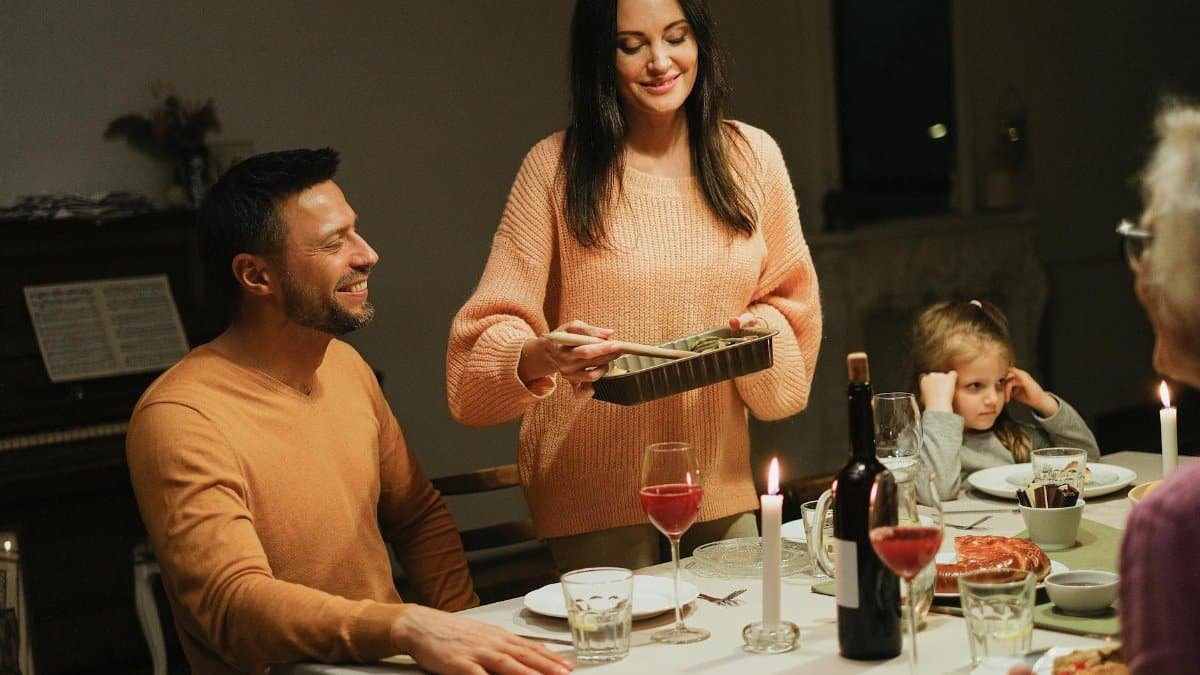
Experts agree regular family meals boost emotional health. The Harvard T.H. Chan School of Public Health reports frequent dinners improve grades and cut obesity risks. Conversation elevates this. Parents report kids open up more when prompts replace “How was school?” Dinnertime chats foster trust, curb behavioral issues, and create lasting memories. Skip them, and you miss key chances to guide teens through real-world pressures.
Starter 1: Rose, Thorn, and Bud

This classic works wonders. Ask each person to share a “rose” (best part of the day), “thorn” (worst moment), and “bud” (something anticipated). Teens love the structure; it feels safe yet revealing. One mom shared her daughter confessed school bullying here first. Keeps talk positive while airing gripes. Try it: “My rose was acing that quiz. Thorn: traffic home. Bud: movie night tomorrow.”
Starter 2: What If Superpowers?

Lighten moods with “If you had a superpower, what would it be and why?” Sparks imagination and dreams. Dads connect over this; sons reveal ambitions indirectly. A family therapist notes it builds empathy as siblings defend choices. Avoids heavy topics early. Example: “I’d fly to skip homework. You’d teleport to friends?” Laughter follows, phones forgotten.
Starter 3: Kindest Act Today

Prompt: “What was the kindest thing you did or saw today?” Instills gratitude and values. Studies from the Family Dinner Project link such talks to better mental health in youth. Teens share quiet good deeds, parents model vulnerability. Builds family pride. Kid might say, “Held the door for the neighbor.” Sparks follow-up stories.
Starter 4: Time Machine Questions

Ask: “If you could time travel, where and when?” Uncovers history buffs or future thinkers. Great for multigenerational tables; grandparents shine with wisdom. Sidesteps daily drudgery for wonder. One father recalled his teen bonding over dinosaur eras. Keeps energy high, encourages listening. Responses range from ancient Rome to 2050 tech utopias.
Starter 5: Dinner Guest Dream Team

“Who are three people, dead or alive, you’d invite to dinner?” Reveals heroes and values fast. Sports fans pick athletes; artists name icons. Promotes diverse views without debate. A working mom used this to learn her son’s climate passions. Fun twist: assign seats or menu ideas. Leads to “Why them?” deep dives.
Starter 6: Would You Rather

Classic: “Would you rather explore space or the deep sea?” Quick, divisive, hilarious. Teens debate fiercely, parents join in. Builds decision-making skills playfully. Avoids yes/no traps. Family of four turned this into weekly ritual; silences vanished. Escalate: “Forever no Wi-Fi or no pizza?” Pure engagement gold.
Starter 7: Proud Moments

End strong: “What are you most proud of this week?” Celebrates wins, big or small. Boosts self-esteem, especially for struggling kids. Therapists recommend for anxious families. Parents share too, leveling the field. Daughter beams: “Nailed my presentation.” Reinforces growth mindset, sets positive tone for tomorrow.
Tips to Make Them Stick

Rotate starters weekly. Set phone-free zones 30 minutes pre-dinner. Model active listening; no interrupting. If talks stall, pivot gently. Track progress: families notice kids initiating chats after a month. Nutritionists pair this with balanced meals for max impact. Consistency trumps perfection.
Real Family Wins

Chicago parents ditched small talk; teens now lead discussions. A survey by the American Academy of Pediatrics echoes: structured talks strengthen resilience. Challenges persist with schedules, but five minutes nightly pays off. Dads report closer ties amid teen rebellion phases. These starters bridge gaps, one meal at a time.

Natasha is the heart of our exploration into conscious connection. Applying principles from multiple counseling courses in her own life, she guides you to cultivate stronger, more joyful bonds.
Disclaimer
The content on this post is for informational purposes only. It is not intended as a substitute for professional health or financial advice. Always seek the guidance of a qualified professional with any questions you may have regarding your health or finances. All information is provided by FulfilledHumans.com (a brand of EgoEase LLC) and is not guaranteed to be complete, accurate, or reliable.