
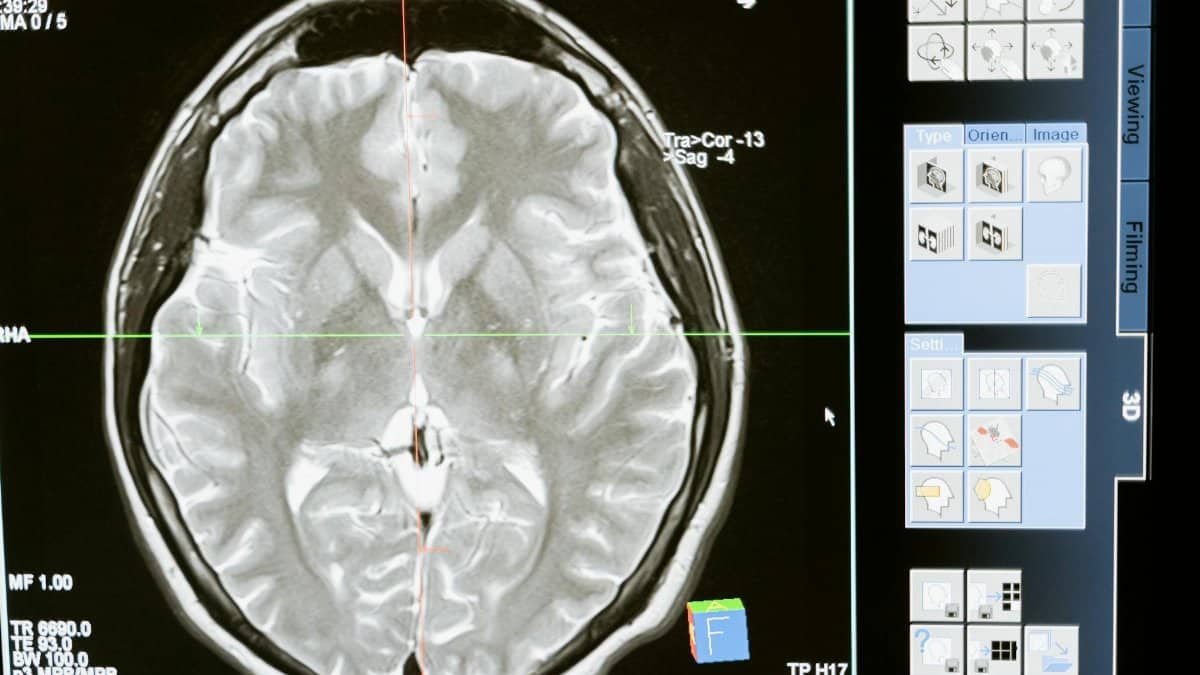
Amid the hum of morning commutes in cities like Chicago or Seattle, a quiet epidemic unfolds. Commuters stare at glowing screens, thumbs flicking through feeds that never pause. This isn’t mere distraction; it’s information overload neuroscience at work, where the brain grapples with relentless data streams designed to hook. A 2021 Pew Research Center analysis found that 81 percent of Americans now go online daily, with many checking devices dozens of times an hour. Yet beneath the convenience lies a neurological toll. Endless scrolling fragments attention, dulls deep thinking, and reshapes neural pathways. As screens infiltrate every moment, scientists warn of a focus crisis reshaping daily life.
The Dopamine Feedback Loop
Notifications ping like slot machines in a casino. Each buzz triggers a dopamine surge, the neurotransmitter tied to pleasure and reward. Neuroscientists describe this as the brain’s incentive system gone haywire. In labs, fMRI scans show the nucleus accumbens lighting up during social media checks, much like responses to food or sex. But unlike a meal, the rewards arrive unpredictably, fueling compulsion.
Consider a midlevel manager in Atlanta. He opens Twitter during lunch, intending five minutes. An hour vanishes. “It’s like the app knows my weaknesses,” he later reflected in a casual interview. This loop, rooted in information overload neuroscience, prioritizes novelty over substance. Studies confirm it: variable rewards amplify engagement, as outlined in a seminal paper from the journal Frontiers in Psychology.
Platforms exploit this biology. Algorithms serve tailored content, keeping users scrolling. The result? A brain primed for shallow hits, not sustained effort.
Fragmented Attention in Action

Eyes dart from email to Instagram to news alerts. This constant switching imposes a cognitive tax. Prefrontal cortex activity spikes under load, but capacity maxes out quickly. Information overload neuroscience reveals why: the brain juggles working memory limits, holding just seven items at once, per classic Miller’s Law research.
Real-world fallout appears in workplaces. Employees toggle tabs 300 times daily, per a University of California study. Productivity dips 40 percent with interruptions. One software engineer shared how code reviews stretched from 30 minutes to two hours amid pings. Focus rebuilds slowly, taking 23 minutes per disruption, according to University of California, Irvine findings summarized here.
Scrolling trains the mind for breadth, not depth. Long-form reading suffers. Brains adapt, favoring gist over nuance.
The Myth of Multitasking Mastery

Many claim prowess at juggling tasks. Science disagrees. Heavy multitaskers perform worse on cognitive benchmarks, as a landmark Stanford experiment demonstrated. Chronic switchers filter distractions poorly and recall details feebly. The study, published in Proceedings of the National Academy of Sciences, tracked media multitaskers versus light users.
Their brains showed heightened orienting network activity, scanning environments constantly. Useful for ancient hunters, disastrous for modern analysis. Information overload neuroscience underscores this: divided attention shrinks gray matter in anterior cingulate cortex over time.
In boardrooms or kitchens, the pattern repeats. A parent in Denver multitasked dinner prep with emails, burning the meal and missing a child’s question. Such lapses compound, eroding confidence.
Deep Focus Under Siege

Deep work demands immersion, the flow state where insights emerge. Endless scrolls dismantle it. Neuroimaging links prolonged focus to strengthened default mode network connections, fostering creativity. Interruptions sever those links.
Cal Newport popularized the term, but data backs it. A 2005 APA review on media multitasking exposed error rates doubling under dual loads. In 2026, with AI-curated feeds intensifying, recovery grows harder.
Workers report “attention residue,” mental echoes of unfinished tabs. One recent anonymous account from public forums described it vividly: “I stare at reports, but my mind replays TikTok clips. It’s exhausting.” This siege hits knowledge jobs hardest, where synthesis trumps speed.
Quantifying the Cognitive Toll

Metrics paint a stark picture. Average attention spans hover at eight seconds, shorter than goldfish, per a Microsoft consumer report often cited in neuroscience discussions. Error rates climb 50 percent with phone proximity during tasks.
Sleep suffers too. Blue light suppresses melatonin, while mental rumination lingers. A National Institutes of Health overview ties chronic overload to hippocampal shrinkage, mirroring early dementia patterns. Full report accessible via NINDS resources.
Productivity losses tally billions annually. Firms like Google mandate device-free zones, signaling corporate awakening.
Daily Lives Upended

Stories emerge from ordinary routines. A teacher in Phoenix grades papers amid dings, missing subtle student insights. Relationships strain; dinners dissolve into dual-screen silences. “Conversations feel scripted now,” one spouse noted.
Elderly users face amplified risks. Slower processing amplifies overload, hastening isolation. Younger brains, more plastic, adapt dangerously, normalizing fragmentation.
Yet glimmers of pushback appear. Book clubs revive. Parks fill with unplugged walkers. These acts defy the scroll’s pull.
Neural Pathways and Plasticity

Brains rewire with use. Information overload neuroscience highlights neuroplasticity’s double edge. Frequent shallow tasks thicken myelin for quick shifts but thin it for endurance.
Rodent studies mirror this: enriched environments build robust circuits; barren ones weaken them. Human parallels show meditators with denser insulas, aiding focus.
Reversal demands deliberate practice. Interval training bolsters executive function, much like gym reps for muscles.
Reclaiming Attention: Evidence-Based Steps

Solutions draw from labs. Digital minimalism curbs apps ruthlessly. Monotasking boosts output 30 percent, per behavioral econ trials.
Tech aids like Freedom block sites effectively. Mindfulness apps, backed by meta-analyses, thicken prefrontal regions after eight weeks.
Start small: phone-free hours build momentum. Track wins in journals. Communities form around these habits, sharing triumphs.
Employers experiment too. “Focus Fridays” yield 20 percent gains in pilot programs.
Long-Term Outlook for Brain Health
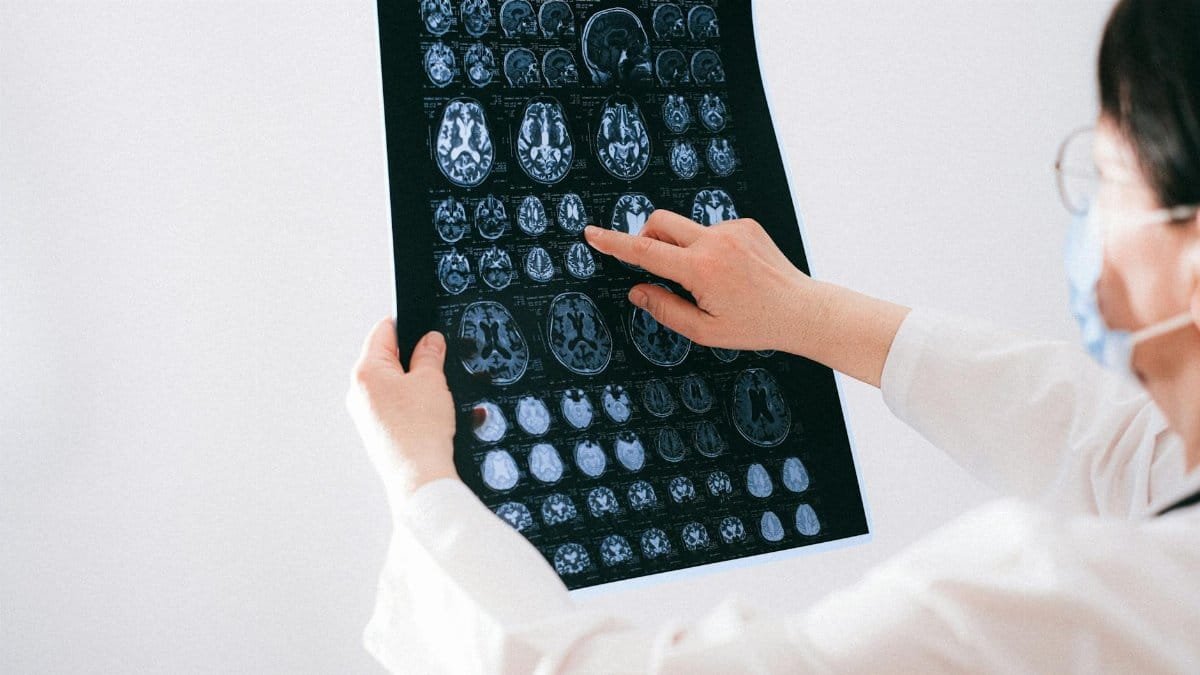
Unchecked, overload risks societal scale issues. Innovation stalls without deep dives. Policymakers eye regulations, like Europe’s right-to-disconnect laws.
Optimism lies in adaptability. Brains rebound with interventions. Schools teach digital hygiene early. By 2026, expect mainstream therapies targeting dopamine dysregulation.
Individuals hold power. Choose scrolls wisely. Cultivate quiet. The brain, resilient organ, rewards those who listen.Disclaimer: The content provided by FulfilledHumans.com (a brand of EgoEase LLC) is for informational and educational purposes only. It is not intended as a substitute for professional medical, psychological, or financial advice. Always seek the guidance of a qualified healthcare provider or certified financial professional with any questions you may have regarding your personal health or finances.

A certified hypnotherapist, Reiki practitioner, sound healer, and MBCT trainer, Christopher guides our journey into the spiritual dimension, helping you tap into a deeper sense of peace and awareness.
Disclaimer
The content on this post is for informational purposes only. It is not intended as a substitute for professional health or financial advice. Always seek the guidance of a qualified professional with any questions you may have regarding your health or finances. All information is provided by FulfilledHumans.com (a brand of EgoEase LLC) and is not guaranteed to be complete, accurate, or reliable.