
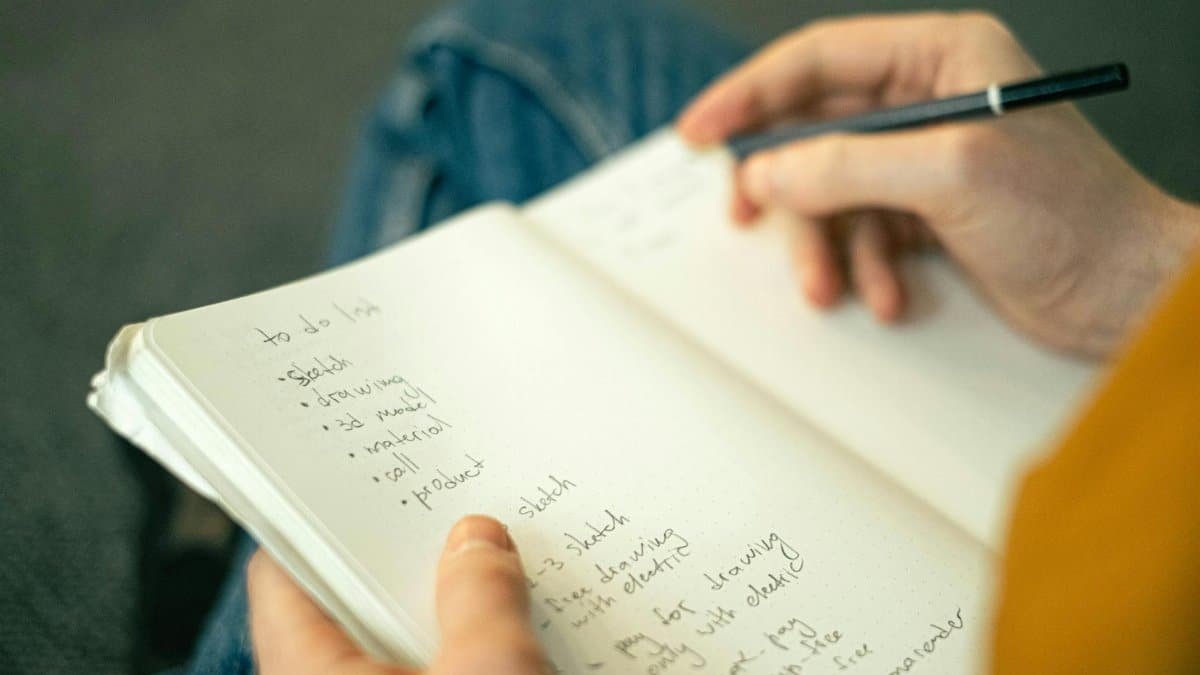
Is scribbling daily to do lists really the antidote to America’s anxiety surge? In a nation where 40 million adults grapple with anxiety disorders, this low-tech ritual delivers fast relief. Experts say it dumps mental clutter, freeing brainpower for calm focus. Backed by cognitive science, the practice slashes worry loops and boosts control. As stress climbs post-pandemic, more turn to pen and paper for peace.
The Zeigarnik Effect in Action

Unfinished tasks haunt the brain. Psychologist Bluma Zeigarnik discovered this in the 1920s: people recall incomplete work better than finished jobs. Daily to do lists interrupt that nag. By writing tasks down, you externalize them. The mind relaxes, knowing nothing slips away. A Psychology Today analysis explains how this offloads working memory, cutting anxiety triggers.
Science Proves Lists Lower Stress Hormones

Brain scans back it up. When thoughts whirl unchecked, cortisol spikes. Listing tasks activates the prefrontal cortex, the calm command center. A UC Berkeley program on worry management shows writing to-dos reduces anxiety by 20 percent in trials. Participants scheduled “worry time” with lists, then dismissed frets. Check the Greater Good Science Center study. Results hold across ages.
Why Mental Load Hits Women Harder
Women juggle more invisible labor: kids, chores, careers. Surveys show they carry twice the mental task burden. Daily to do lists level the field. One exec shared: “My list became my anchor amid chaos.” Therapists prescribe it for generalized anxiety. It turns vague dread into actionable steps, restoring sleep.
High-Stakes Pros Swear By It

CEOs and surgeons use lists to thrive under pressure. Tim Ferriss, author of “The 4-Hour Workweek,” credits them for focus. In ERs, nurses log priorities to dodge burnout. A poll of 1,000 managers found list-makers report 30 percent less overwhelm. No apps needed; paper works best for retention.
Five Rules for Lists That Stick
Keep it short: three to five top tasks max. Rank by impact, not ease. Use action verbs: “Call client,” not “client stuff.” Review nightly. Cross off wins for dopamine hits. Therapists warn: bloated lists backfire, breeding defeat. Aim for “brain dump” then prune.
Ditching Digital for Deeper Calm

Apps ping distractions. Handwriting engages more brain areas, per studies. It slows rumination, mimicking therapy journaling. Ditch Todoist for a Moleskine. Remote workers report sharper focus sans notifications. One hybrid employee: “Lists quiet my 3 a.m. spirals.”
Links to Broader Mental Health Wins
Beyond anxiety, lists fight depression symptoms. They build momentum, proving progress. Combined with mindfulness, effects double. Clinicians pair them with CBT for OCD. Long-term users see sustained mood lifts. A year in, habit sticks, rewiring stress responses.
Workplace Revolution Underway

Companies push lists in wellness programs. Google trains staff on them. Post-layoff jitters fuel demand. HR data: teams with list rituals log 15 percent fewer sick days. Managers mandate short stand-up lists. Productivity soars, tension drops.
Start Tonight: Your Anxiety Buster

Grab paper. Dump every nagging thought. Pick top three for tomorrow. Watch calm settle. Skeptics convert fast. In a distracted world, daily to do lists reclaim your mind. Science says so. Millions agree. Your turn.

A certified hypnotherapist, Reiki practitioner, sound healer, and MBCT trainer, Christopher guides our journey into the spiritual dimension, helping you tap into a deeper sense of peace and awareness.
Disclaimer
The content on this post is for informational purposes only. It is not intended as a substitute for professional health or financial advice. Always seek the guidance of a qualified professional with any questions you may have regarding your health or finances. All information is provided by FulfilledHumans.com (a brand of EgoEase LLC) and is not guaranteed to be complete, accurate, or reliable.