

In Baltimore’s denser neighborhoods, a landmark study uncovered a striking pattern: a 10 percent increase in tree canopy cover correlated with a 12 percent drop in overall crime rates, including violent incidents. The findings, detailed in a peer-reviewed analysis by the University of Pennsylvania, spotlight how urban tree planting programs quietly reshape safety. These efforts plant thousands of saplings annually, targeting heat-trapped blocks where tension simmers. Beyond aesthetics, they cool asphalt jungles by up to 10 degrees Fahrenheit, easing the aggression linked to scorching summers. As cities race to combat climate pressures, such programs emerge not as luxuries, but as pragmatic tools for livable, secure communities. Officials in places like New York and Philadelphia now prioritize them, blending environmental wins with tangible reductions in street-level risks.
Shade as a Crime Deterrent
Trees stand tall against urban decay. Their branches create natural barriers, discouraging loitering in shadowed corners where trouble brews. In Philadelphia, block leaders recall how saplings transformed empty lots into watched-over green spaces. One resident noted how the change shifted daily rhythms: kids played longer under the canopy, while passersby lingered with purpose.
This visibility matters. Dense foliage softens harsh lines of concrete, inviting stewardship from locals. Criminals, experts argue, favor anonymity—wide-open, treeless expanses offer little cover for them, but plenty for witnesses. Programs like Chicago’s Million Trees initiative demonstrate this edge. Planted strategically near high-crime zones, they correlate with dips in theft and vandalism. Sunlight filters through leaves, casting dappled patterns that make dark alleys feel exposed.
Yet the effect builds slowly. Young trees demand years to mature, testing city patience. Still, early data from USDA Forest Service research affirms the payoff: mature urban forests cut certain crimes by fostering neighborhood pride.
Cooling Effects Curb Heat-Fueled Violence
Summer heat scorches tempers. Pavement radiates warmth long after sunset, turning sidewalks into pressure cookers. Urban tree planting programs counter this brutally. Canopies block solar rays, dropping local temperatures enough to soothe frayed nerves.
Consider Los Angeles during peak heatwaves. Streets lined with new oaks saw emergency calls drop as shade spread. The mechanism is straightforward: cooler air means less irritability, fewer impulsive acts. A U.S. Environmental Protection Agency report quantifies it—strategic plantings reduce urban heat islands by 2 to 9 degrees, easing strain on strained residents.
Residents feel the shift firsthand. In one Midwestern city, a block association planted elms after a string of heat-related brawls. “The air just feels lighter now,” a longtime local shared. Fewer sirens pierce the night. Science backs the anecdote: elevated temperatures spike aggression, per criminology reviews. Trees intervene, one leaf at a time.
Property Values Signal Neighborhood Stability
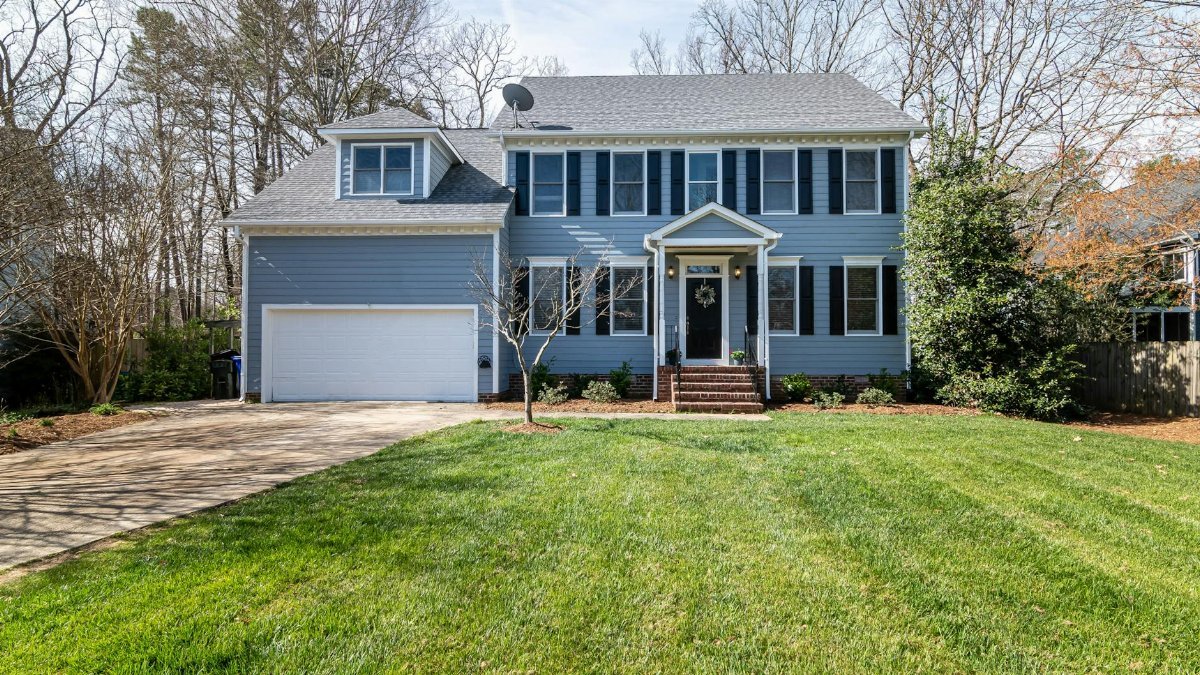
Greener blocks command higher prices. Homebuyers gravitate toward tree-lined streets, viewing them as badges of care. Urban tree planting programs amplify this pull, lifting values by 3 to 15 percent in targeted areas, according to real estate analyses.
Why? Trees signal investment. A well-shaded home promises lower energy bills and serene views, drawing families over vacant-lot eyesores. In Seattle, post-planting assessments showed premiums rising fastest in formerly blighted zones. Owners maintain properties better, creating virtuous cycles of upkeep.
This economic lift fortifies safety indirectly. Stable, affluent neighborhoods breed vigilance—neighbors chat over fences, eyes on the street. Programs in Detroit have sparked such revivals, turning foreclosed strips into valued enclaves. One anonymous account from recent public forums captured the buzz: a homeowner described watching their block’s energy transform after saplings took root, with strangers nodding hellos instead of hurrying past.
Building Community Through Green Initiatives

Planting days unite strangers. Volunteers wield shovels, sharing sweat under the sun. Urban tree planting programs thrive on this camaraderie, knitting loose ties into safety nets.
In Atlanta’s West End, monthly events draw hundreds. Participants—retirees, teens, officials—bond over mulch piles. Conversations flow: worries about local break-ins give way to plans for patrols. Such engagement boosts collective efficacy, the social glue that deters crime.
Studies confirm it. Areas with active tree stewardship report stronger trust, fewer unreported incidents. The ritual fosters ownership; vandals think twice when locals nurture every sprout. One organizer recalled a pivotal moment: a former skeptic, arms crossed at dawn, ended the day wrist-deep in soil, vowing to return.
Biodiversity Buffers Urban Risks
Diverse species resist pests and storms. Monocultures fail; mixed plantings endure. Urban tree planting programs now emphasize variety—oaks beside maples, natives alongside adapted imports.
This resilience pays off in safety. Healthy groves withstand hurricanes, preventing downed limbs that snag power lines or block escapes. In Miami, post-hurricane audits praised polyculture blocks for minimal debris. Fewer outages mean steadier streetlights, shrinking shadows for mischief.
Birds and pollinators arrive too, animating quiet corners. Their presence signals vitality, discouraging illicit gatherings. Ecologists note how buzzing branches create informal surveillance—nature’s own watchdogs.
Overcoming Planting Pitfalls

Not every sapling survives. Soil compacted by decades of traffic starves roots. Urban tree planting programs grapple with this, deploying soil scientists and watering crews.
Success hinges on adaptation. Native species fare best, sipping less amid droughts. Boston’s program swapped thirsty exotics for drought-tough locals, hitting 85 percent survival rates. Failures teach: one Pittsburgh pilot lost half its cohort to girdling roots, prompting redesigned pits.
Yet triumphs abound. A Pew Charitable Trusts overview tracks national momentum, from federal grants to corporate pledges. Cities learn collectively, scaling what works.
Policy Shifts Toward Greener Enforcement

Mayors now mandate trees in zoning codes. Incentives tie permits to plantings, embedding safety in urban planning. New York’s 30 percent canopy goal by 2030 weaves greenery into every project.
Police departments adapt too. Some partner on “green beats,” patrolling new groves to cement community trust. Data guides it all—GIS maps pinpoint high-need blocks, maximizing impact.
Federal dollars fuel the surge. Bipartisan bills funnel billions to cities, prioritizing equity in underserved areas. The result? Safer, shaded futures.
Measuring Long-Term Gains

Metrics evolve beyond survival counts. Apps track canopy growth via satellite, linking it to 911 logs. Early returns dazzle: Syracuse saw assaults fall 8 percent post-planting.
Challenges persist—equity gaps leave some blocks barren. Programs push inclusive outreach, training residents as stewards. One vivid snapshot: a South Bronx crew, gloves muddy, celebrated their 500th tree amid cheers, eyes on safer tomorrows.
A Blueprint for Safer Cities

Urban tree planting programs prove simple acts yield profound security. They cool, connect, and elevate—quiet architects of resilient neighborhoods. As climate threats mount, their role sharpens. Cities that invest reap streets where families thrive, not just survive. The evidence mounts; the branches spread.

With a career spanning investment banking to private equity, Dominik brings a rare perspective on wealth. He explores how money can be a tool for personal freedom and positive impact, offering strategies for abundance that align with your values.
Disclaimer
The content on this post is for informational purposes only. It is not intended as a substitute for professional health or financial advice. Always seek the guidance of a qualified professional with any questions you may have regarding your health or finances. All information is provided by FulfilledHumans.com (a brand of EgoEase LLC) and is not guaranteed to be complete, accurate, or reliable.