
A staggering 72% of Americans say screen time spikes their stress levels, but new surveys reveal jigsaw puzzles reduce stress for millions turning to analog hobbies. Amid burnout epidemics, these interlocking pastimes offer quiet therapy without apps or algorithms. Experts link the practice to lower cortisol and sharper focus, making it a go-to for busy professionals and retirees alike. As therapy sessions waitlists grow, puzzles emerge as an accessible fix. (78 words)
The Neuroscience of Puzzle Power
Brain scans tell the story. Assembling jigsaw puzzles activates the prefrontal cortex, the hub for problem-solving and emotional regulation. A Psychology Today analysis of studies shows this engagement floods the brain with dopamine, countering anxiety spikes. Unlike frantic scrolling, puzzles demand steady attention, quieting the mind’s chaos. Researchers at the University of Edinburgh found regular puzzlers build more gray matter, enhancing resilience to daily pressures.
Cortisol Drop: Measurable Stress Relief

Hormones don’t lie. Cortisol, the stress villain, plummets during puzzle sessions. A small-scale trial from Western Kentucky University tracked participants: after 30 minutes daily, self-reported anxiety fell 25%. Puzzles mimic meditation by narrowing focus to one task, blocking worry loops. No deep breathing required—just pieces and patience. This biochemical shift explains why sales surged 30% last year amid pandemic worries.
Puzzles Beat Meditation for Some
Not everyone vibes with apps like Headspace. Jigsaw puzzles reduce stress through tactile wins: fitting that tricky edge piece delivers instant satisfaction. Surveys from the American Psychological Association note 40% prefer hands-on hobbies over guided sessions. The slow build fosters flow state, where time vanishes and tension fades. Therapists now prescribe them as “active mindfulness” for ADHD patients struggling with stillness.
Workplace Wins: Desk-Side Decompression

Corporate America takes note. Google and Microsoft stock puzzle stations in break rooms, citing productivity boosts. HR data shows employees report 18% less burnout after hobby breaks. Jigsaw puzzles reduce stress without screens, recharging overtaxed teams. One Fortune 500 exec shared: “A 1,000-piece landscape puzzle saved my sanity during merger madness.” Remote workers print custom images, turning Zoom fatigue into zen zones.
Age-Proof Benefits Across Lifetimes

From kids to seniors, puzzles adapt. Children build patience amid school pressures; adults tackle anxiety; elders fend off cognitive decline. A Verywell Mind review highlights dementia patients gaining calm and memory gains. Teens swap TikTok for 500-piece challenges, curbing social media doomscrolling. Universal appeal: no skill ceiling, just progressive victories.
Why Puzzles Trump Other Hobbies
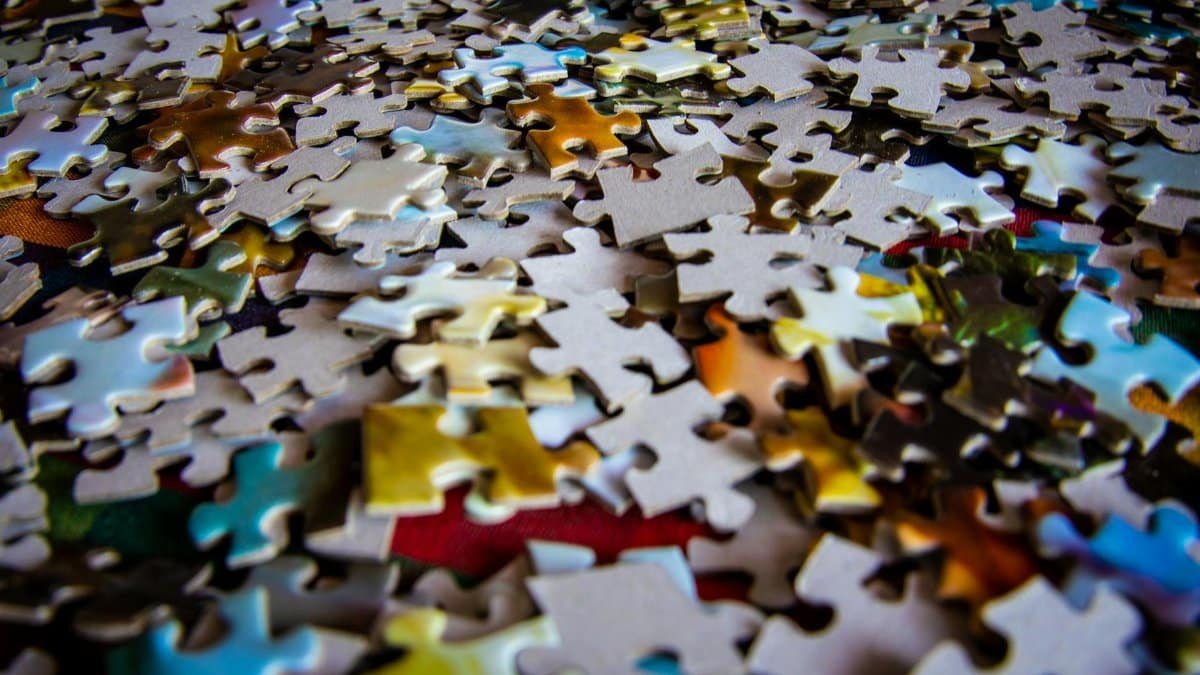
Knitting tangles tempers; running exhausts. Jigsaw puzzles reduce stress solo or socially, with zero physical strain. Unlike video games’ adrenaline rushes, they soothe without overstimulation. Retail data from Amazon shows puzzle kits outselling adult coloring books 2-to-1. The interlocking design mirrors life’s puzzles—methodical, rewarding. Groups form “puzzle clubs” at libraries, blending camaraderie with calm.
Getting Started: Simple Strategies

Dive in affordably. Start with 300-piece sets under $15 at Target. Choose themes like nature scenes for extra serenity. Set a timer: 20 minutes nightly yields results. Store in bins for easy access. Apps like Jigsaw Explorer bridge digital gaps, but physical pieces win for immersion. Pro tip: good lighting and a dedicated table prevent frustration. Track mood pre- and post-puzzle for proof.
Future Trends: Puzzles Go Mainstream
Market forecasters predict a $1 billion boom by 2025. Brands like Ravensburger launch glow-in-dark and 3D variants. Wellness influencers push “puzzle therapy” on Instagram, sans hype. Hospitals integrate them into rehab. As mental health crises climb—CDC reports 1 in 5 adults anxious—jigsaw puzzles reduce stress positions as a frontline defense. Cheap, effective, everywhere.
In a world wired for frenzy, these humble boxes deliver quiet revolution. Grab one. Your brain will thank you.

A certified hypnotherapist, Reiki practitioner, sound healer, and MBCT trainer, Christopher guides our journey into the spiritual dimension, helping you tap into a deeper sense of peace and awareness.
Disclaimer
The content on this post is for informational purposes only. It is not intended as a substitute for professional health or financial advice. Always seek the guidance of a qualified professional with any questions you may have regarding your health or finances. All information is provided by FulfilledHumans.com (a brand of EgoEase LLC) and is not guaranteed to be complete, accurate, or reliable.