
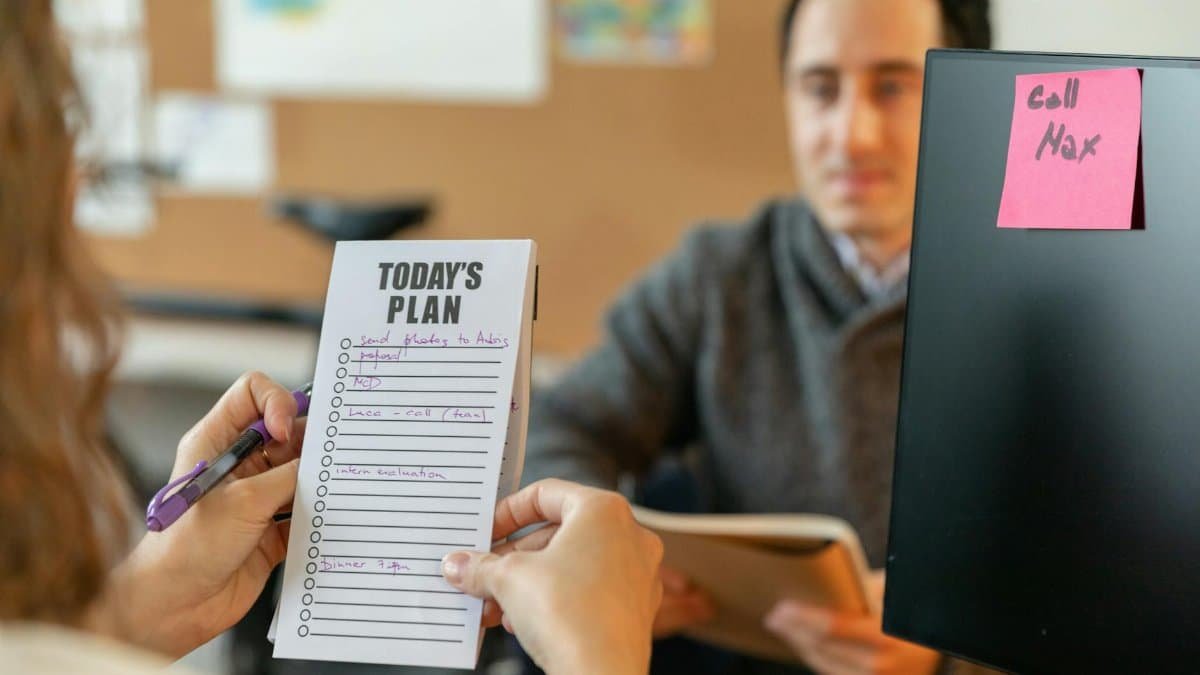
A recent analysis from the Bureau of Labor Statistics reveals Americans now dedicate over eight hours daily to work and related activities, up from previous decades, leaving little room for rest or reflection.BLS American Time Use Survey. Schedules bulge with meetings, emails, errands. Productivity apps ping endlessly. Yet output stalls. Essentialism daily tasks emerges here as a counterforce. It urges deliberate choices. Focus shrinks to vital actions. The rest falls away. This approach promises clarity amid chaos. For middle-aged professionals juggling careers, families, and fading energy, it offers not sacrifice, but liberation.
Origins in a Distracted Age

Greg McKeown popularized essentialism in his 2014 book, framing it as “the disciplined pursuit of less.” Picture boardrooms in Silicon Valley, where executives once chased every opportunity. Now, many pivot toward restraint. McKeown’s philosophy roots in ancient wisdom. Aristotle spoke of eudaimonia, flourishing through focused virtues. Modern life twists that. Notifications fragment attention. Essentialism daily tasks restores order by questioning every commitment. A marketing director in Chicago shared how she applied it first. “I listed my top three goals,” she recalled. Non-essentials vanished. Her team noticed sharper decisions almost immediately.
Debunking the Busyness Trap

Everyone knows the feeling. Calendars overflow. Yet little advances. A Harvard Business Review piece dissected this. Multitaskers switch costs erode 40 percent of productive time.HBR on Essentialism. The illusion persists. Busyness signals value. Essentialism exposes it. Daily tasks demand triage. Ask: Does this advance my purpose? A teacher in Seattle faced parent emails flooding her inbox. She set boundaries. Responded only to urgent ones. Time freed up for lesson planning. Students thrived. She did too.
Spotting the Essentials

Discernment starts small. Review your week. What repeated? What drained without reward? Tools help. McKeown suggests a “priority map.” List ninety percent non-essentials. Cross them off. Joy follows. One online account captured this shift. A parent described mornings transformed. No more frantic lists. Just breakfast, exercise, family chat. “It felt revolutionary,” they wrote publicly. Essentialism daily tasks builds here. It favors depth over breadth. A finance analyst tested it. Tracked time for a month. Cut meetings by half. Projects accelerated. Revenue ticked up.
Mastering the Power of No

Saying no terrifies. Culture rewards yes-men. Essentialism flips the script. Practice politely. “I’d love to, but my priorities lie elsewhere.” A Pew Research Center report underscores the stakes. Working parents report constant overload, with household tasks spilling into evenings.Pew on Working Parents. Essentialism daily tasks equips for refusal. A sales manager in Atlanta honed it. Turned down low-value clients. Focused on key accounts. Commissions soared. Relationships deepened.
Routines That Stick
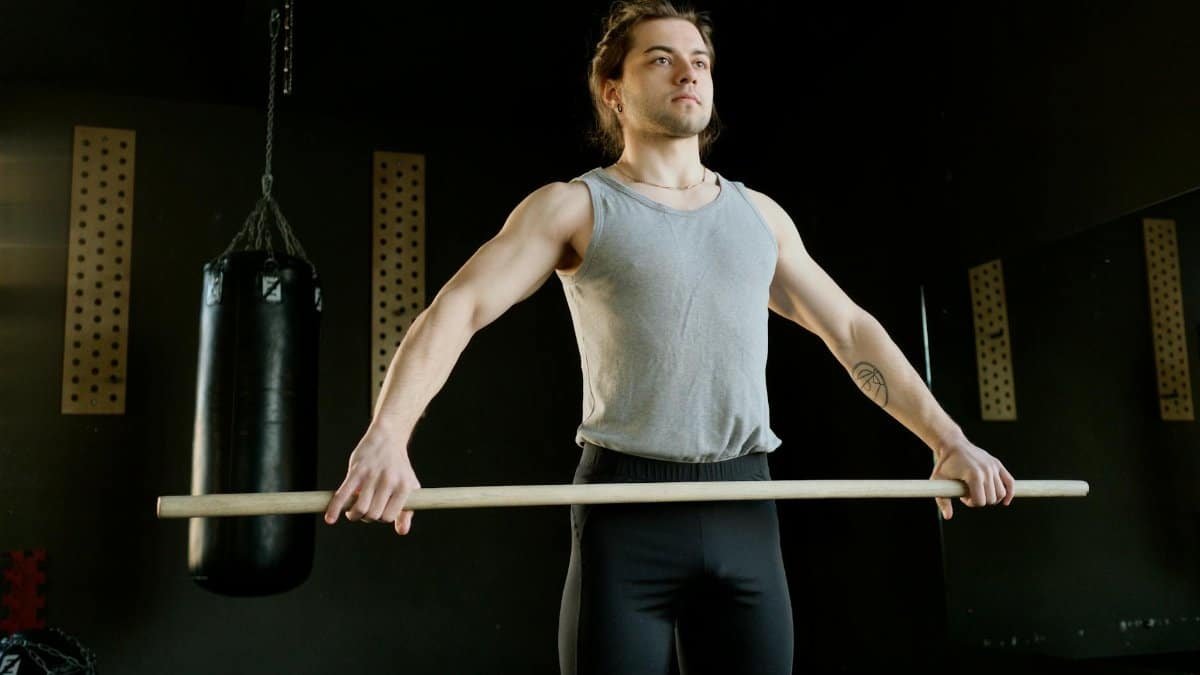
Habits anchor essentialism. Begin mornings intentionally. Journal three priorities. Block calendar slots. Flexibility tempers rigidity. Afternoons bring curveballs. Adapt without derailment. Consider a nurse in Denver. Shifts varied wildly. She identified core rituals: hydration breaks, gratitude notes. Chaos receded. Performance reviews praised her poise. Essentialism daily tasks shines in repetition. Track wins weekly. Adjust. McKeown’s site offers templates for this.Greg McKeown’s Essentialism Resources. Simplicity breeds consistency.
Technology’s Double Edge

Apps promise efficiency. Yet they distract. Email chains multiply. Social scrolls steal hours. Essentialism demands audit. Delete unused tools. Set do-not-disturb. A freelance writer in Portland went further. Phone in another room during deep work. Output doubled. “Silence was golden,” she noted. Balance tech as servant. Use for essentials only. Voice memos capture ideas. Calendar guards focus blocks. Daily tasks reclaim control.
Real Lives, Real Shifts

Stories illuminate. Take Mark, mid-forties engineer. Deadlines crushed him. Essentialism reframed his days. He chose two projects. Delegated the rest. Promotion followed. Or Lisa, suburban mom. PTA demands overwhelmed. She volunteered selectively. Family dinners returned. Laughter filled evenings. These aren’t outliers. Patterns emerge across professions. Essentialism daily tasks scales. From C-suites to cubicles.
Pushback and Pitfalls

Resistance lurks. FOMO grips tight. Guilt whispers about missed chances. Counter with clarity. Revisit your why. Impatience tests resolve. Results lag. Persist. A common frustration surfaces in shared experiences: initial discomfort fades after weeks. One account detailed the hump. “Week three, momentum built.” Doubt your direction? Journal outcomes. Data convinces.
Tracking Tangible Gains

Metrics matter. Measure energy, not hours. Sleep improves. Moods stabilize. Use simple scales. Rate days one to ten. Trends reveal progress. Teams benefit too. Clearer goals boost collaboration. A Gallup insight ties this to engagement. Focused workers report higher satisfaction. Essentialism delivers proof through practice.
Toward Lasting Simplicity

Essentialism daily tasks evolves. It becomes instinct. Life lightens. Pursuits align. Families connect. Careers peak without burnout. America grapples with pace. This philosophy offers pause. Embrace it. Prune boldly. Thrive deeply. The path ahead clears.

Natasha is the heart of our exploration into conscious connection. Applying principles from multiple counseling courses in her own life, she guides you to cultivate stronger, more joyful bonds.
Disclaimer
The content on this post is for informational purposes only. It is not intended as a substitute for professional health or financial advice. Always seek the guidance of a qualified professional with any questions you may have regarding your health or finances. All information is provided by FulfilledHumans.com (a brand of EgoEase LLC) and is not guaranteed to be complete, accurate, or reliable.