
Nearly 60 percent of people in new relationships report feeling an intense, almost euphoric bond within the first few months, according to a 2013 review in the Review of General Psychology. Brain scans reveal why: activity spikes in reward centers mimic responses to addictive substances. This is honeymoon phase psychology at work. New lovers flood with chemicals that create obsession, joy, and blind trust. Yet this bliss rarely lasts beyond six to eighteen months. As couples settle in, questions arise. What drives this temporary magic? How does it shape long-term bonds? For many Americans navigating modern dating apps and delayed marriages, understanding this phase offers clarity amid the rush.
The Chemical Symphony of New Love
Fresh romance hits like a symphony. Dopamine surges first, the neurotransmitter tied to pleasure and motivation. Couples describe endless texting at 2 a.m., stolen glances that electrify. One partner recalls a beach walk where every laugh felt electric, the world narrowing to just two people.
Researchers pinpoint this rush to the brain’s ventral tegmental area, lighting up much like it does for drugs. Helen Fisher’s team at Rutgers captured it in fMRI scans. Subjects viewing photos of their beloveds showed activation patterns akin to cocaine highs.Their 2005 PNAS study exposed the overlap. Norepinephrine joins in, ramping up arousal and focus. Heart rates climb. Sleep fades. Bodies prepare for pursuit, echoing ancient survival drives.
This mix explains the obsession. Decisions feel urgent. Red flags blur. The brain prioritizes connection over caution.
Evolutionary Wiring Behind the Bliss

Why does honeymoon phase psychology evolved this way? Picture early humans in harsh landscapes. Pair-bonding ensured offspring survival. Intense early attachment glued couples together long enough for child-rearing.
Anthropologist Helen Fisher argues love operates in three stages: lust, attraction, attachment. The honeymoon falls in attraction, fueled by those reward chemicals. A National Institute on Drug Abuse overview details how dopamine reinforces behaviors key to species propagation. Meet a mate. Bond fast. Protect the young.
Modern life tweaks this script. Dating apps accelerate meetings, compressing what once took seasons into swipes. Yet the wiring persists. Middle-aged daters on second chances feel it anew, surprised by the pull after years alone.
Dopamine’s Double-Edged Sword

Dopamine dominates honeymoon narratives. It floods during novelty—first kisses, surprise dates. The brain craves more, creating mild addiction. Partners idealize each other, ignoring quirks.
But excess brings pitfalls. Sleep disruption leads to irritability. Judgment clouds. One woman shared online how her three-month thrill masked her partner’s unreliability. “It was all fireworks,” she wrote anonymously, “until reality crashed the party.” Such stories surface often in forums, highlighting the phase’s blind spots.
Balance arrives slowly. As dopamine dips, cortisol can rise, sparking early fights. Awareness helps. Therapists urge mindfulness to savor without clinging.
Norepinephrine and the Adrenaline Rush

Norepinephrine amps the excitement. This chemical sharpens attention, boosts energy. Butterflies in the stomach? That’s it. Pupils dilate. Sweaty palms signal arousal.
Combined with dopamine, it crafts euphoria. Couples hike mountains or dance late, fueled by this brew. Studies link it to reduced appetite—classic “can’t eat, can’t sleep” love symptoms.
Yet overstimulation exhausts. Post-honeymoon, energy crashes. Partners wonder where passion went. Recognizing the biology demystifies the drop.
Oxytocin: From Thrill to Trust
Oxytocin earns the “cuddle hormone” nickname. Released during touch, it deepens bonds. Hugs, sex, even eye contact trigger floods.
In honeymoon phase psychology, oxytocin tempers dopamine’s frenzy. It fosters security, paving for attachment. A 2011 Frontiers in Neuroendocrinology paper maps its role in pair-bonding across species, from voles to humans.
Prairie voles offer a model. Monogamous ones show oxytocin binding in reward areas, mirroring human scans. This shift sustains love beyond infatuation.
When the Honeymoon Clouds Part
Invariably, the high fades. Dopamine normalizes around six months, per anecdotal reports and scans. Reality intrudes: habits clash. Bills mount. Daily routines dull the spark.
Psychologists call this the “power struggle” stage. Couples face compatibility tests. Divorce rates peak at year three, data shows, as illusions shatter.
One couple in therapy described the pivot. “We went from soulmates to roommates overnight,” the husband said. Yet many endure, building deeper ties.
Individual Differences in Duration
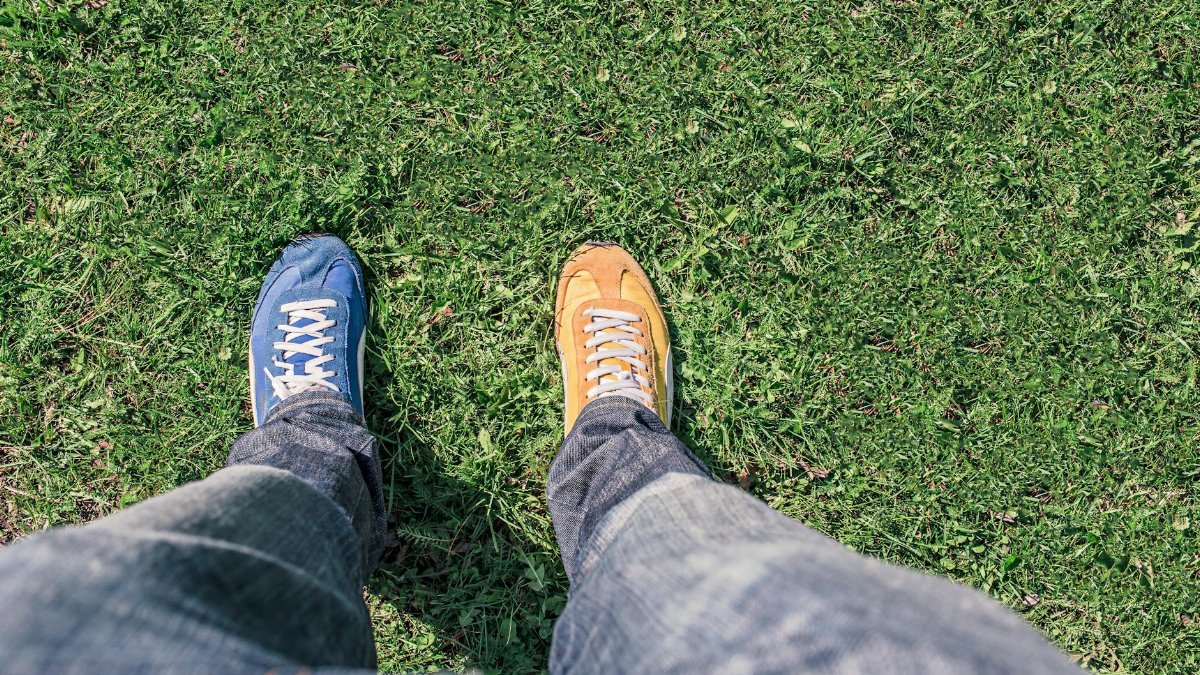
Not every honeymoon lasts the same. Attachment styles matter. Secure types ride the wave smoothly. Anxious ones cling harder, prolonging agony.
Age influences too. Younger brains, more plastic, sustain highs longer. Midlifers, with life experience, spot fakes quicker. A 2022 survey by eHarmony noted 40-somethings report shorter but more realistic phases.
Genetics play in. Variants in dopamine receptors predict intensity, per twin studies.
Rekindling the Spark: Is It Possible?
Can honeymoon phase psychology return? Novelty revives it. Travel, role-play, new hobbies spike dopamine.
Therapists recommend “micro-dates”—spontaneous outings. One pair tried cooking classes, rediscovering laughter. Exercise together boosts endorphins, mimicking early energy.
Long-term success hinges on attachment. Oxytocin grows with rituals: weekly check-ins, shared goals. Couples who communicate thrive.
Honeymoon Phases Beyond Romance

The pattern repeats elsewhere. New jobs bring “honeymoon” euphoria—dopamine from achievements. Gym routines hook via progress highs.
Even habits like meditation start blissful, then plateau. Understanding this cycle builds resilience. Chase sustainable joy, not endless peaks.
Lessons for Lasting Love
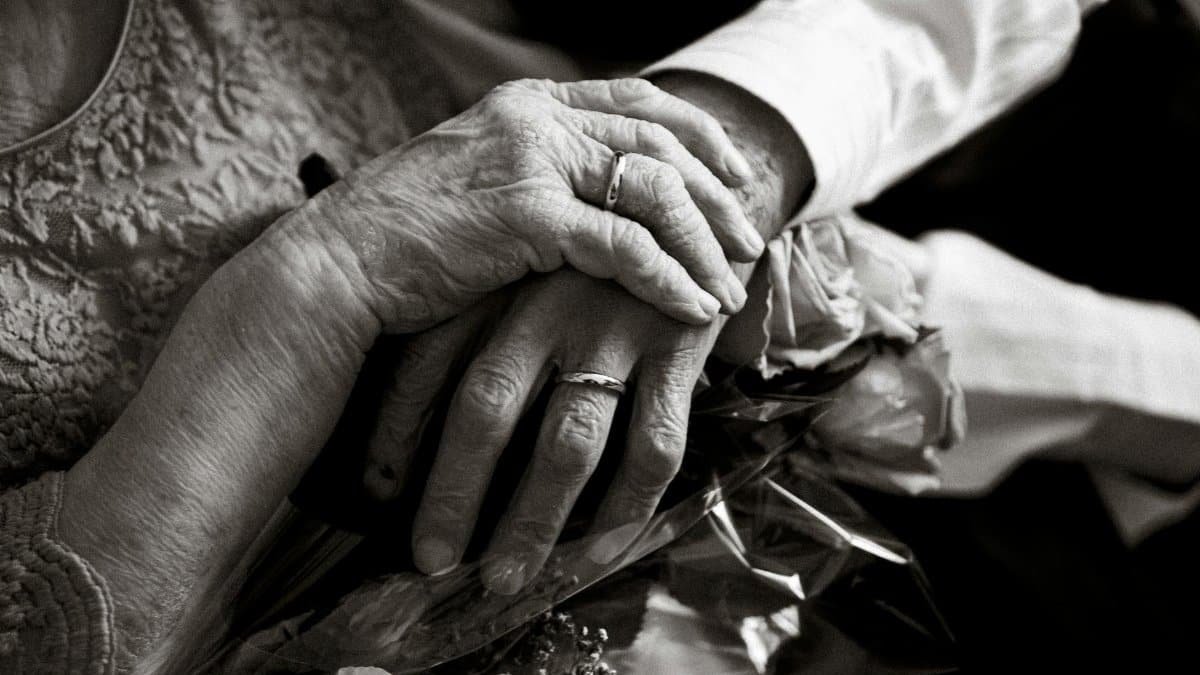
Honeymoon phase psychology reveals love’s blueprint. Early bliss bonds us. Maturity sustains us.
Americans marry later now—average age 30 for men, 28 for women—gaining wisdom before diving in. Apps offer abundance, but discernment wins.
Embrace the fade as growth. True intimacy blooms in ordinariness: quiet mornings, shared burdens. Neurochemistry sets the stage. Choice writes the script.

Natasha is the heart of our exploration into conscious connection. Applying principles from multiple counseling courses in her own life, she guides you to cultivate stronger, more joyful bonds.
Disclaimer
The content on this post is for informational purposes only. It is not intended as a substitute for professional health or financial advice. Always seek the guidance of a qualified professional with any questions you may have regarding your health or finances. All information is provided by FulfilledHumans.com (a brand of EgoEase LLC) and is not guaranteed to be complete, accurate, or reliable.