

A recent study from Rush University Medical Center tracked thousands of older adults and uncovered a striking pattern: those who devoted time to reading books showed a 20 percent lower mortality rate from Alzheimer’s disease than non-readers.Rush University study. This finding underscores the quiet power of reading, amplified further when done in groups. Local book club benefits extend beyond solitary page-turning. They foster mental sharpness through shared discussion, turning passive absorption into active cognition. In an era of digital distractions, these gatherings offer a mental anchor, blending social bonds with brain-boosting routines that combat isolation and decline.
Sharpening Focus in a Distracted Age

Distractions pull at everyone these days. Phones buzz. Emails pile up. Yet book clubs demand undivided attention. Members arrive with notes scribbled in margins, ready to dissect a chapter’s nuances. This ritual trains the brain to sustain focus, much like weightlifting builds muscle.
Consider a group in suburban Chicago. They meet monthly over coffee, debating plot twists from a thriller. One participant recalls how arguments over motives forced her to reread passages closely. “I started noticing details I skipped before,” she said. Such habits rewire attention spans, countering the fragmentation of social media scrolls.
Research backs this. Neuroscientists note that deep reading activates the brain’s prefrontal cortex, the hub for concentration and decision-making. Regular engagement strengthens these pathways, offering protection against everyday mental fog.
Boosting Empathy Through Collective Debate

Stories transport readers into others’ lives. Literary fiction, in particular, hones theory of mind, the ability to grasp unspoken emotions. Book clubs supercharge this by voicing interpretations aloud.
Picture a circle of neighbors unpacking a novel’s flawed hero. One sees redemption; another, selfishness. These clashes reveal blind spots. A study from the University of California, Berkeley, found fiction readers score higher on empathy tests, with group settings likely intensifying the effect.UC Berkeley Greater Good Science Center.
Online forums echo this lately. A shared account described a club member’s breakthrough: realizing her own biases mirrored a character’s during a heated discussion. Such moments build emotional intelligence, vital for strained relationships in midlife.
Forging Memories Amid Shared Stories

Memory fades subtly with age. Book clubs fight back by linking narratives to faces and voices. Recalling a plot point while eyeing the person who championed the book cements it deeper than solo review.
Experts call this elaborative encoding. When you tie facts to social context, recall improves. A midwestern library group exemplified this after tackling a memoir. Months later, members quoted passages verbatim, crediting the lively exchanges.
Harvard researchers link lifelong reading to slower cognitive decline. Their long-term analysis of over 3,000 volunteers showed avid readers delaying memory loss by years.Harvard Health Publishing. Clubs multiply these gains through repetition and reinforcement.
Combating Loneliness with Intellectual Camaraderie

Loneliness rivals smoking as a health risk, per federal health officials. It erodes mental resilience, spiking anxiety and depression. Local book clubs provide an antidote: reliable human connection rooted in ideas.
These aren’t superficial chats. Conversations delve into themes of loss or triumph, mirroring life’s complexities. A Seattle club formed during the pandemic illustrates the shift. Isolated professionals found solace debating dystopian tales, emerging with renewed purpose.
The Centers for Disease Control highlights social activities’ role in mental well-being. Group reading qualifies perfectly, blending intellect with belonging.CDC on loneliness. Participants report lighter moods post-meeting, a buffer against midlife isolation.
Enhancing Critical Thinking Under Gentle Pressure

Book clubs thrive on disagreement. A consensus-driven talk falls flat; tension sparks insight. Members learn to articulate views persuasively, weighing evidence from text and peers.
This mirrors courtroom debate, minus the stakes. One anecdote from a Texas group stands out: a quiet accountant challenged the group’s take on a biography, citing overlooked chapters. His preparation paid off, sharpening everyone’s analytical edge.
Psychologists term this dialectical thinking. It fosters nuance, essential for navigating biased news cycles. Local book club benefits shine here, as in-person cues like nods or furrowed brows add layers absent in virtual forums.
Reducing Stress Through Narrative Escape

Deadlines loom. Family demands mount. Books offer refuge, but clubs make it communal. Discussing tension-filled scenes releases cortisol while laughter over quirky characters eases it further.
Physiological studies confirm reading lowers heart rates, akin to meditation. Group dynamics amplify calm; shared vulnerability normalizes struggles. A recent public reflection captured this: someone described post-club evenings as “the week’s reset button,” free from racing thoughts.
Endorphins from bonding compound the effect. Regular attendees notice steadier nerves, a mental buffer in turbulent times.
Sustaining Lifelong Learning Habits

Midlife brings plateaus. Careers stabilize; curiosity wanes. Book clubs reignite the spark, exposing members to genres beyond comfort zones. A history buff might tackle sci-fi, uncovering fresh perspectives.
This variety stimulates neuroplasticity, the brain’s adaptability. Pew Research notes avid readers embrace diverse topics, a trait clubs nurture.Pew Research Center. Long-term, it wards off stagnation, keeping minds agile.
Building Resilience Via Thematic Reflection
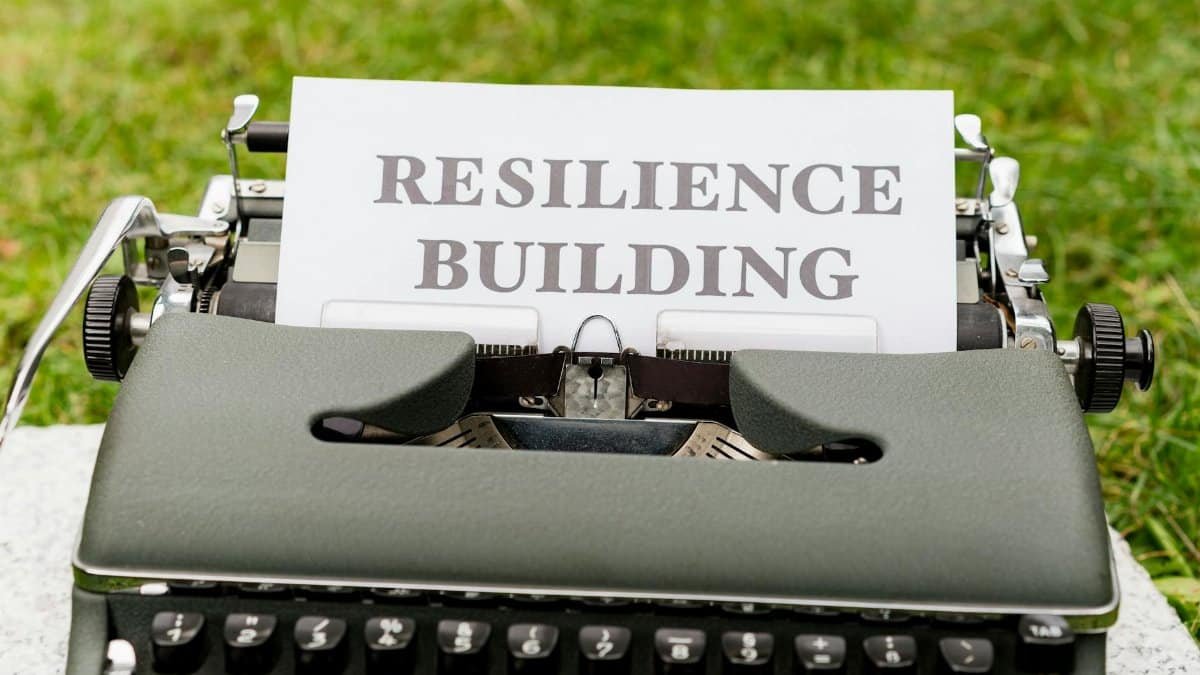
Novels often probe hardship. Clubs unpack these, turning abstract pain into discussed wisdom. Themes of grief or reinvention resonate deeply for middle-aged readers facing transitions.
One group’s dive into a family saga prompted confessions of similar trials. “It made my mess feel manageable,” a member noted. Such processing builds emotional fortitude, backed by therapy parallels.
Mental health advocates praise narrative therapy’s efficacy. Book clubs deliver it organically, fostering quiet strength.
The Ripple Effect on Daily Mental Clarity

Benefits extend beyond meetings. Habits like pre-club prep sharpen routines. Grocery lists get organized; work emails concise. Cognitive carryover proves real.
Participants describe “club brain,” a heightened awareness persisting days later. This clarity aids decisions, from parenting to finances, embodying local book club benefits in action.
Navigating Diversity for Broader Perspectives

Local clubs draw from neighborhoods, blending viewpoints. A retiree, teacher, and nurse might clash over social issues in a story, enriching understanding.
Exposure to difference combats echo chambers. Studies show diverse discussions enhance problem-solving. Clubs deliver this locally, strengthening mental flexibility.
Measuring Gains in Real-World Terms

Skeptics want proof. Trackers like mood journals reveal uplifts. Cognitive apps show improved scores post-club. Anecdotes abound: better sleep, fewer worries.
A Portland circle quantified it, noting collective reading hours correlated with sharper memory tests. Data aside, the glow in members’ eyes speaks volumes.
Overcoming Barriers to Entry

Intimidation stalls many. “I’m not well-read enough,” some say. Clubs welcome beginners, focusing on enjoyment over expertise. Libraries host free ones, easing access.
Start small: suggest a title, show up. Local book club benefits accrue quickly, rewarding persistence with profound mental rewards.
In cities and towns alike, these gatherings persist as mental lifelines. They remind us that shared stories don’t just entertain; they fortify the mind against time’s toll.

A certified hypnotherapist, Reiki practitioner, sound healer, and MBCT trainer, Christopher guides our journey into the spiritual dimension, helping you tap into a deeper sense of peace and awareness.
Disclaimer
The content on this post is for informational purposes only. It is not intended as a substitute for professional health or financial advice. Always seek the guidance of a qualified professional with any questions you may have regarding your health or finances. All information is provided by FulfilledHumans.com (a brand of EgoEase LLC) and is not guaranteed to be complete, accurate, or reliable.