
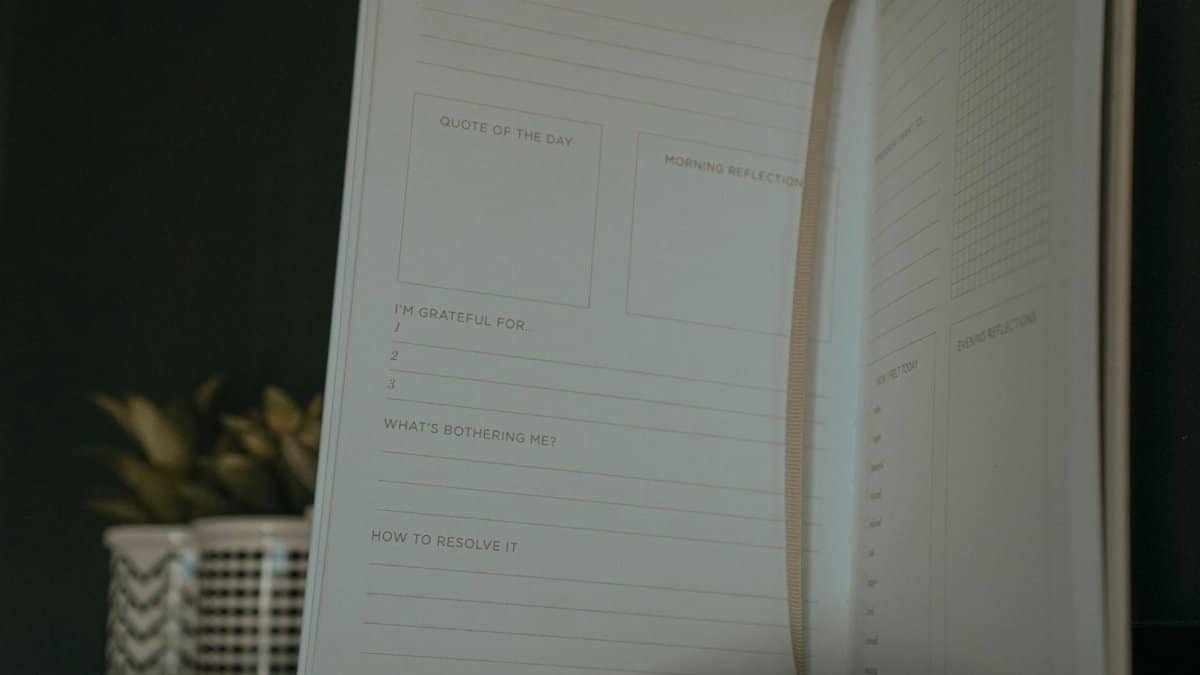
In the quiet hours before dawn, Marcus Aurelius sat with his journal, not plotting conquests but noting simple mercies—a clear sky, a loyal companion, the day’s small graces. Rewind further into gratitude journal history, and you’ll find threads woven through civilizations, from ancient philosophers to Puritan divines, all capturing thankfulness on paper long before it became a self-help staple. This practice, now ubiquitous in wellness apps and bedside tables, evolved from spiritual discipline to psychological tool, reshaping how Americans confront stress and seek joy. Today, amid endless notifications and fractured attention, its resurgence feels urgent. What began as private reflection now influences boardrooms and therapy sessions alike.
Ancient Foundations of Thankful Writing
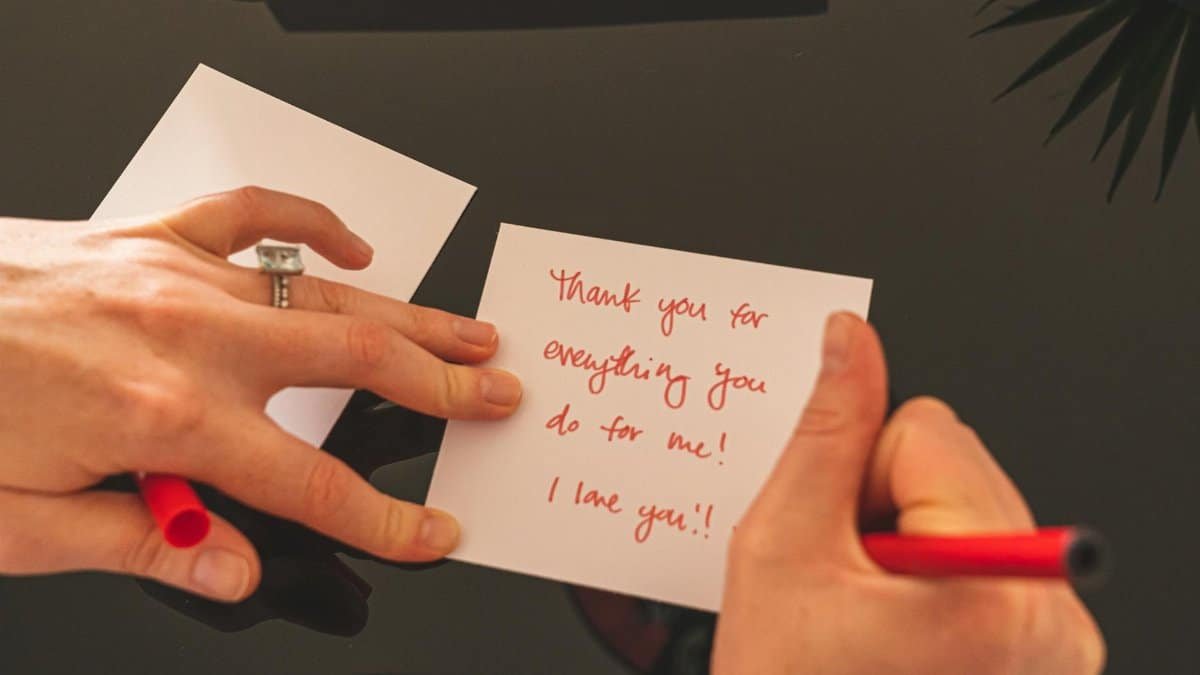
Stoic philosophers in ancient Greece and Rome pioneered what we might recognize as the first gratitude journals. Epictetus urged followers to cherish what they control: their responses to fortune. But Marcus Aurelius embodied it. His Meditations, penned around 170 A.D., brims with entries praising everyday virtues. “Do not indulge in dreams of having what you have not,” he wrote, focusing instead on present abundance.
Across the Mediterranean, Epicureans tallied pleasures amid life’s pains. These weren’t mere diaries; they served as anchors against despair. Fast-forward to Buddhist traditions in Asia, where monks recorded mindful appreciations during meditation retreats. Such practices crossed borders silently, laying groundwork for Western adaptations.
Religious Roots in Early Christianity

Early Christians drew from Psalms, where David catalogs God’s provisions. By the Middle Ages, monastic orders kept illuminated ledgers of divine favors. Yet the real shift came with 17th-century Puritans. Cotton Mather, the fiery Boston preacher, filled volumes with thanks for health amid plagues and sermons that stirred souls.
Quakers took it further. Their “testimonies of gratitude” documented communal and personal blessings, shared in meetings. One surviving journal from 1690 describes a farmer thanking providence for a bountiful harvest after drought: “The Lord hath watered our fields when all around lay parched.” These entries doubled as spiritual audits, fostering resilience in harsh colonies.
Enlightenment Thinkers Embrace Reflection

The 18th century brought secular twists. Benjamin Franklin, ever the optimizer, devised a daily ledger tracking virtues—including gratitude. Each evening, he scored his adherence, noting lapses like “forgot to be thankful for good health.”
Across the Atlantic, Jean-Jacques Rousseau journaled intimate thanks in his Confessions, blending philosophy with personal inventory. This era democratized the habit, shifting it from elite piety to rational self-improvement. Enlightenment salons buzzed with talk of such exercises, influencing emerging American habits.
19th-Century American Revival

Ralph Waldo Emerson championed gratitude amid transcendentalist fervor. In essays like “Compensation,” he argued thankfulness reveals life’s hidden harmonies. His journals overflow with appreciations for nature’s bounty, inspiring Concord neighbors to follow suit.
Meanwhile, the Shakers inscribed “gift drawings”—visual thanksgivings—in communal books. Women, often sidelined in public discourse, found voice here. One 1840 entry reads: “For the steam of bread baking, warming our hands and hearts.” These artifacts, preserved in museum archives, reveal gratitude as quiet rebellion against industrial grind.
Dale Carnegie and Midcentury Momentum

The 20th century accelerated the trend. Dale Carnegie’s 1936 blockbuster How to Win Friends and Influence People prescribed nightly gratitude lists to combat worry. “Count your blessings,” he advised, sharing anecdotes of executives transformed by the simple act.
World War II soldiers carried pocket notebooks, jotting thanks for letters from home or survival. Postwar boom saw housewives adopting the practice via magazines like Ladies’ Home Journal, which ran features on “thankful diaries” for family harmony.
Oprah Winfrey’s Modern Catalyst
No figure propelled gratitude journal history into the mainstream like Oprah Winfrey. In 1996, she spotlighted Sarah Ban Breathnach’s Simple Abundance, urging viewers to start nightly lists of five gratitudes. Sales soared; journals flew off shelves.
“Gratitude unlocks abundance,” Oprah declared on air, her endorsement turning a niche habit into cultural phenomenon. By 2000, bookstores overflowed with themed planners—leather-bound, minimalist, sparkly. One viewer later recalled: “That segment hit during my divorce; listing small wins pulled me through.”
Positive Psychology Validates the Practice

Science soon caught up. Psychologist Robert Emmons pioneered rigorous studies at the University of California, Davis. His research showed weekly gratitude exercises boosting well-being by 25 percent compared to controls. Participants reported better sleep, fewer ailments.
For details, see Emmons’ foundational work summarized on his UC Davis faculty page. Similarly, the Greater Good Science Center at UC Berkeley tracks meta-analyses confirming mood lifts and social bonds strengthened via journaling. Their practice guide draws from randomized trials: Greater Good Gratitude Journal.
Neuroscience Explains the Brain Shift

Brain scans reveal why. fMRI studies light up the prefrontal cortex—joy’s hub—during gratitude reflection. A landmark paper in Neuropsychologia links it to reduced amygdala activity, dialing down fear. Access the abstract via PubMed (Wattles et al., 2011).
Practitioners describe a feedback loop: noting thanks rewires neural pathways, making positivity habitual. Therapists now prescribe it for anxiety, depression.
Cultural Shifts in a Digital Age

Apps like Day One and Gratitude Journal digitize the tradition, with prompts and streaks. Yet purists prefer paper’s tactility—the scratch of pen, flip of pages. Pandemic isolation spiked adoption; sales jumped 40 percent in 2020, per industry trackers.
Corporate wellness programs integrate it. Google offers “gratitude walls” in offices. One manager shared anonymously online: “Team mood lifted after we started weekly shares—inspired by old-school journals.”
Critiques and Cultural Pushback
Not everyone buys in. Critics call it toxic positivity, ignoring systemic woes like inequality. In marginalized communities, gratitude can feel like blaming victims for lacking cheer. Scholars urge pairing it with action—thanking while advocating change.
Studies confirm: forced gratitude backfires, heightening resentment. Balance matters, as noted in Mayo Clinic guidance: Mayo Clinic on Gratitude.
Global Variations on the Theme

Beyond America, Japan’s Naikan therapy mirrors journaling, reviewing daily givens. In India, Vedic traditions log karmic thanks. Immigrants blend these with Western forms, enriching gratitude journal history’s tapestry.
A recent forum post captured it: “My grandmother’s Hindu ritual notebook taught me more than any app.”
Looking Ahead: Evolving Legacy

As AI pens reflections, the human core endures—vulnerable, specific thanks. Schools experiment with kid-friendly versions, curbing youth anxiety. Expect hybrid tools: voice-activated journals synced to wearables.
Gratitude journal history teaches persistence. From papyrus scrolls to smartphone screens, it persists because it works—nudging us toward fuller lives in turbulent times.

A certified hypnotherapist, Reiki practitioner, sound healer, and MBCT trainer, Christopher guides our journey into the spiritual dimension, helping you tap into a deeper sense of peace and awareness.
Disclaimer
The content on this post is for informational purposes only. It is not intended as a substitute for professional health or financial advice. Always seek the guidance of a qualified professional with any questions you may have regarding your health or finances. All information is provided by FulfilledHumans.com (a brand of EgoEase LLC) and is not guaranteed to be complete, accurate, or reliable.