

A staggering projection from the Pew Charitable Trusts lays bare the stakes: by 2040, the economic toll of plastic pollution could hit $7 trillion globally if trends persist. Businesses, consumers, and governments alike stand to lose big from unchecked single-use plastics clogging supply chains and ecosystems. Yet amid this grim forecast, a counterforce gathers momentum. Phasing out plastics emerges not as a feel-good ideal, but a hard-nosed economic imperative. Corporations from retail giants to food processors now eye alternatives that promise cost savings, risk reduction, and fresh revenue streams. This shift challenges old assumptions about convenience and disposability. In boardrooms and policy halls, the conversation turns pragmatic. What was once dismissed as greenwashing now drives bottom-line decisions.
The Mounting Financial Burden of Plastic Waste
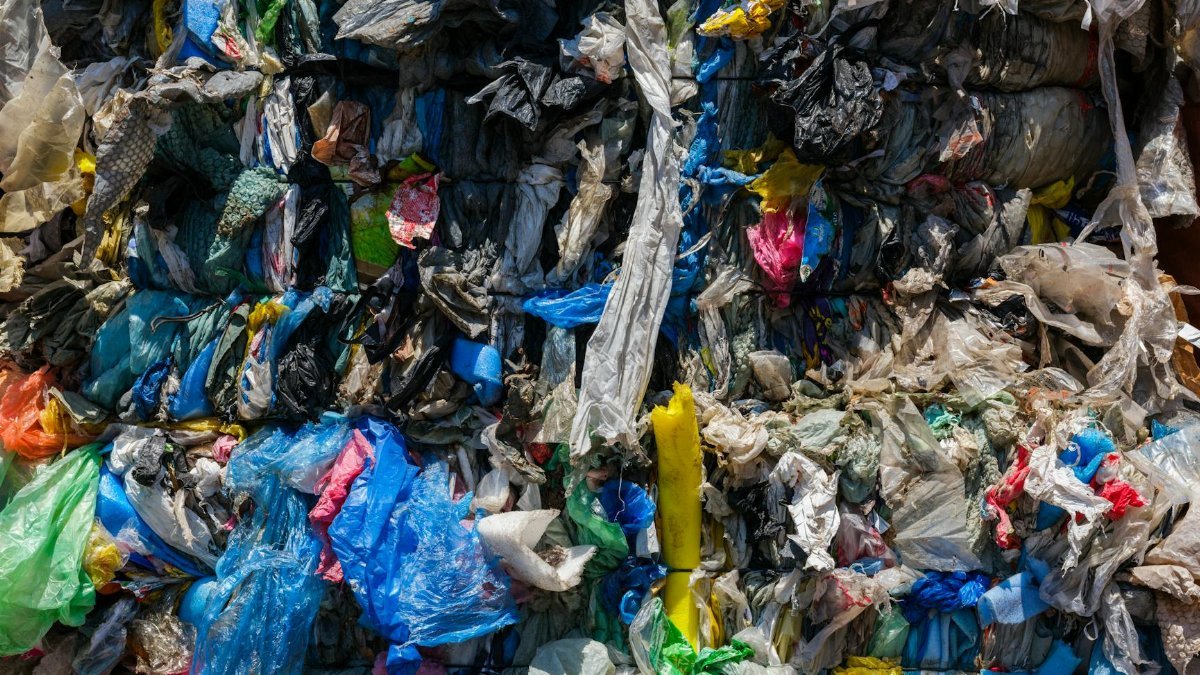
Plastic clings to every corner of modern commerce. Factories churn it out for packaging. Ships haul it across oceans. Landfills swell under its weight. The true price tag, however, lurks in cleanup, litigation, and lost productivity.
Consider the fishing industry. Entangled gear and polluted waters slash catches worldwide. A OECD analysis pegs annual losses at billions for seafood alone. Retailers face similar hits. Plastic bags and wrappers trigger bans, fines, and boycotts. In California, supermarkets absorbed hefty compliance costs after state laws kicked in. Managers there swapped petroleum-based films for compostable starch wraps. Early resistance faded as waste hauling fees dropped 20 percent.
Supply chains amplify these pains. Disruptions from plastic bans ripple outward. Take a mid-sized beverage maker in the Midwest. Plastic bottle shortages last year forced a pivot to aluminum cans. Production hummed on. Profits held steady. Such stories multiply as raw material prices swing wildly. Oil volatility feeds plastic costs directly. Alternatives sidestep that trap.
Corporate Balance Sheets Feel the Squeeze First

Executives track metrics ruthlessly. ESG scores now tie to executive pay. Investors demand transparency on plastic footprints. BlackRock and Vanguard press portfolio companies to quantify risks. Phasing out plastics tops the list for many.
Unilever led early. The consumer goods titan pledged to halve virgin plastic use by 2025. Results? Packaging redesigns cut material needs by 15 percent in key lines. Savings flowed straight to margins. Competitors watched closely. Procter & Gamble followed suit, testing fiber-based bottles. Prototypes impressed suppliers. Scale-up promises millions in annual reductions.
One supply chain manager at a major grocer shared a blunt assessment in a recent industry forum. “We were bleeding cash on disposal fees. Switching to reusable totes flipped the script. Customers returned them. Reuse cycles stretched to 50 trips.” Numbers backed him up. Initial investments recouped in 18 months.
Policy Levers Accelerate the Shift

Governments wield sticks and carrots. The European Union’s single-use plastic directive slashed items like straws and cutlery. U.S. states experiment too. New York City’s bag fee generated $18 million in its first year, funding recycling. Federal bills simmer in Congress, eyeing producer responsibility.
These measures force corporate hands. Yet savvy firms turn mandates into advantages. Coca-Cola rolled out plant-based bottles ahead of regulations. Market share ticked up among eco-conscious buyers. In Asia, similar policies spur innovation hubs. Thai manufacturers now export bamboo composites to Europe.
Tensions arise, of course. Small businesses gripe about upfront costs. Trade groups lobby for delays. But data tempers the outcry. A Ellen MacArthur Foundation report charts a $4.5 trillion opportunity by 2030 through circular models. Phasing out plastics unlocks that value. Reuse and refill systems slash procurement expenses by up to 30 percent.
Supply Chain Innovations Cut Costs at the Source

Raw inputs drive the economics. Petroleum prices gyrate. Bio-based alternatives stabilize outlooks. Startups like Notpla craft seaweed wrappers that dissolve in soil. Food brands adopt them for events. Waste vanishes. Disposal budgets shrink.
Logistics transform too. Returnable containers cycle endlessly. IKEA pioneered this decades ago with pallets. Now grocers expand to produce crates. Trucks carry empties back. Fuel efficiency climbs. Emissions plummet as a bonus.
A logistics director in Texas recounted the pivot. “Our plastic pallet wraps shredded in transit. Fiberglass reusables lasted years. We ditched the shrink-wrap line entirely.” Fleet managers nationwide echo that. Telematics track container health. Predictive maintenance averts losses.
Consumer Demand Fuels Profitable Pivots
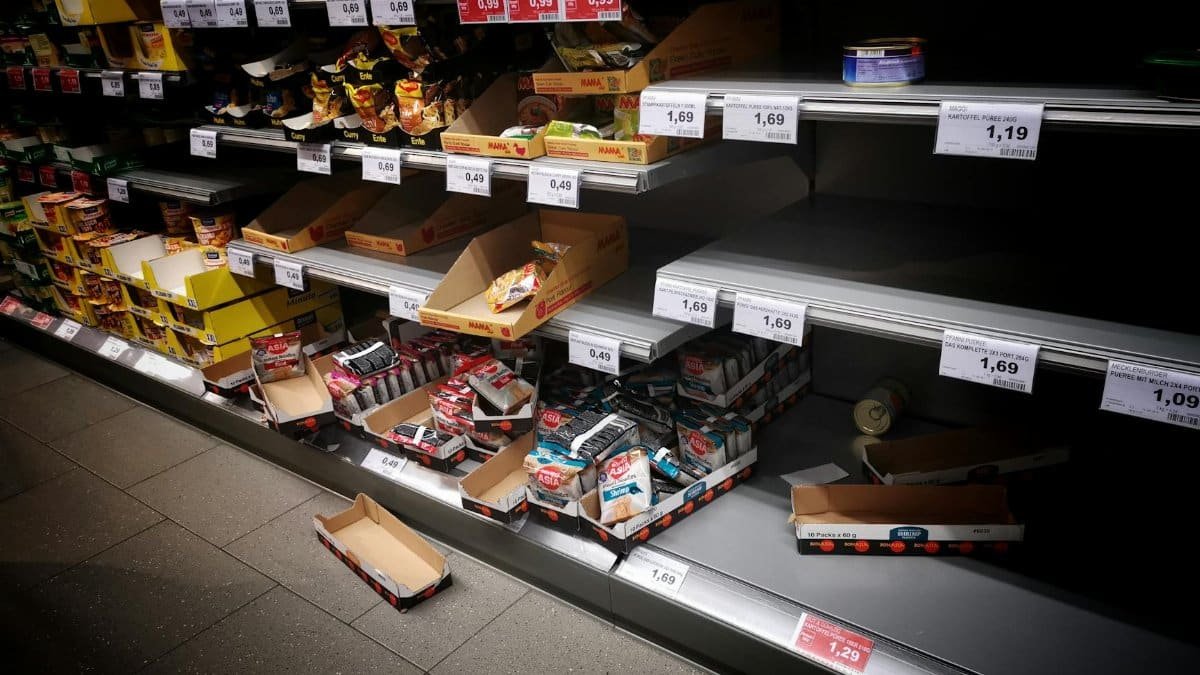
Shoppers vote with wallets. Nielsen polls show 78 percent favor sustainable packaging. Brands respond. Loop’s reusable platform partners with P&G and Nestlé. Customers return containers via mail. Deposit refunds incentivize compliance. Repeat business soars.
Premium pricing sticks for green options. Organic produce in molded pulp trays commands 10 percent markups. Perceived value rises. Loyalty programs reward reusable choices. Starbucks trials cup deposits in select markets. Foot traffic holds amid trials.
Online chatter captures the shift. One anonymous post described ditching plastic-lined deliveries: “Finally, boxes that don’t choke the trash bin. Worth the subscription fee.” Such sentiments propel e-commerce giants like Amazon to test right-sized paper fillers.
Job Creation and Workforce Gains

Critics claim bans kill jobs. Evidence points elsewhere. Phasing out plastics births roles in recycling tech, materials science, and design. The U.S. EPA notes plastics recycling employs over 100,000 already. Advanced sorting plants multiply that.
Europe’s transition offers blueprints. Germany’s deposit system sustains 30,000 jobs. U.S. firms hire for similar setups. A Midwest recycler added shifts after a local ban. Workers sort, pelletize, and extrude. Wages beat warehouse gigs.
Training programs bridge gaps. Community colleges offer certifications in bioplastics. Unions negotiate green job clauses. Long-term, supply chains localize. Domestic fiber production ramps up, curbing import reliance.
Risks of Inaction Loom Large

Delay carries stealth costs. Brand damage erodes equity. BP’s oil spills scarred reputations for years. Plastic beach images do the same. Litigation swells. Cities sue producers for cleanup. 3M and DuPont face PFAS suits tied to plastics.
Insurance premiums climb with pollution exposure. Carriers price in beachfront claims. Investors flee tainted stocks. Vanguard divested from high-plastic emitters last quarter.
Global trade frictions mount. Export bans on waste hit U.S. recyclers. Southeast Asia rejects shipments. Domestic capacity lags. Firms that phase out plastics early insulate against shocks.
Scalable Models for Global Chains
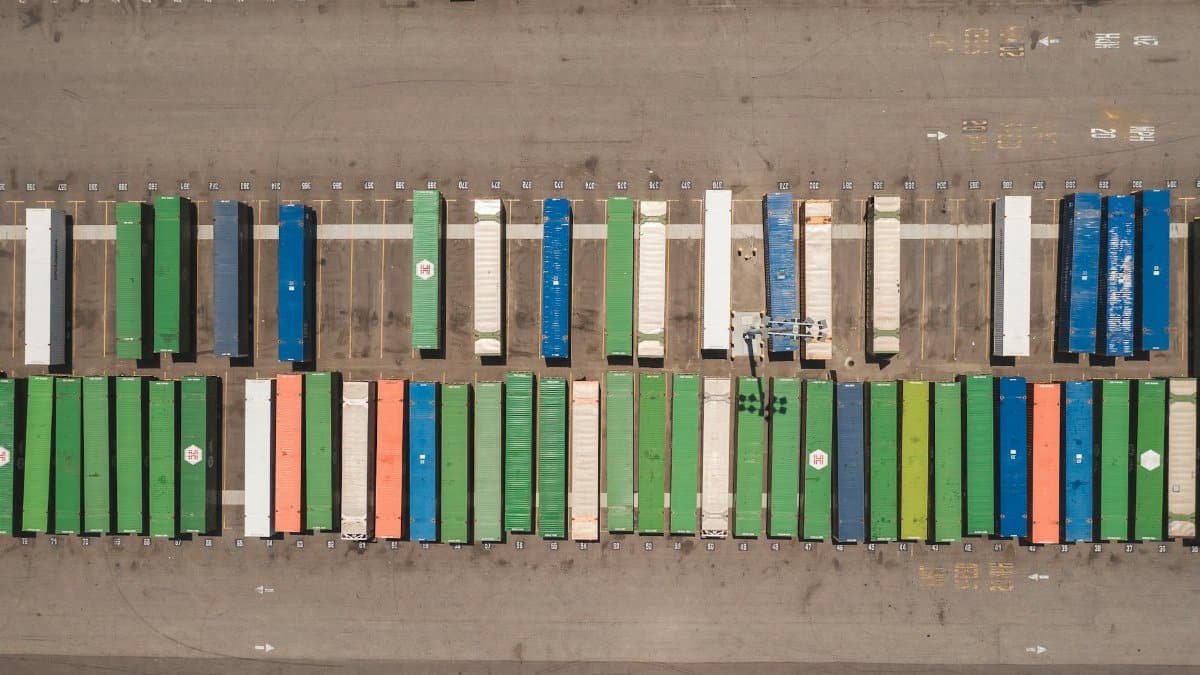
Multinationals blueprint success. Nestlé’s refill stations dot stores in France. U.S. pilots launch next year. Pilot data dazzles: 40 percent plastic reduction per outlet.
Tech integrates seamlessly. Blockchain traces materials. IBM pilots verify bio-resins. Transparency wins contracts. Governments favor certified suppliers.
Partnerships accelerate. Walmart’s Project Gigaton unites vendors. Collective pledges hit 1.5 gigatons of avoided emissions. Plastic cuts contribute heavily.
Measuring True ROI

Accountants refine tools. Life-cycle assessments tally full impacts. Plastic’s end-of-life burdens dwarf production savings. Tools from the World Economic Forum quantify this. Firms report 25 percent net gains from switches.
Case studies proliferate. Danone’s yogurt pots now use recycled content. Costs fell 12 percent. Shelf life held. Scale tips economics firmly.
The Path Forward

Phasing out plastics demands resolve. Incentives align. Policies sharpen. Innovations mature. Corporations lead where governments lag. The $7 trillion threat morphs into opportunity. Supply chains evolve. Economies strengthen. The shift feels inevitable now. Businesses that adapt thrive. Others risk obsolescence.

With a career spanning investment banking to private equity, Dominik brings a rare perspective on wealth. He explores how money can be a tool for personal freedom and positive impact, offering strategies for abundance that align with your values.
Disclaimer
The content on this post is for informational purposes only. It is not intended as a substitute for professional health or financial advice. Always seek the guidance of a qualified professional with any questions you may have regarding your health or finances. All information is provided by FulfilledHumans.com (a brand of EgoEase LLC) and is not guaranteed to be complete, accurate, or reliable.