

Nearly 65 million Americans now hold gym memberships, according to data from the health club industry, fueling a quiet revolution centered on the science of muscle hypertrophy. Gyms bulge with weekend warriors and desk jockeys alike, all pursuing bigger, stronger muscles not just for vanity, but for longevity. This boom coincides with alarming health stats: sarcopenia, the age-related loss of muscle, affects up to one in three adults over 50. Yet science shows resistance training can reverse it. As obesity rates hover and chronic disease rises, mastering muscle growth emerges as a practical shield. What drives this transformation at the cellular level? Researchers have decoded key principles that anyone can apply.
The Cellular Engine of Hypertrophy

Muscles enlarge through hypertrophy, where fibers swell with more proteins and nuclei. Picture a construction site inside each cell. Satellite cells donate nuclei, boosting capacity for protein synthesis. This process hinges on three pillars: mechanical tension, metabolic stress, and muscle damage. Tension from heavy lifts signals growth pathways. Stress from high-rep sets creates a burn that amplifies hormones. Micro-tears from intense effort trigger repair stronger than before.
Scientists like Brad Schoenfeld have mapped this out. His 2010 review in the Journal of Strength and Conditioning Research details how these stimuli converge. Without them, no net gain occurs. Real-world application? Lifters who ignore tension chase shadows.
Mechanical Tension Takes Center Stage

Heavy weights stretched under load mimic evolution’s demands. Our ancestors hauled rocks; today, barbells do the trick. Tension activates mTOR, a master switch flipping protein building into overdrive. Studies confirm loads above 60 percent of one-rep max spark the most growth.
Consider a powerlifter in a dimly lit gym, chalk dust in the air, grinding through deadlifts. That strain recruits fast-twitch fibers, prime for hypertrophy. Drop the weight too low, and gains stall. Research backs this: full range of motion maximizes tension across the muscle.
Metabolic Stress: The Pump’s Hidden Power

Ever felt the skin-splitting pump after 15-rep sets? That’s lactate buildup and cell swelling, cues for growth. Blood flow restriction amps this effect, even with lighter loads. Japanese studies pioneered it for rehab patients.
Bodybuilders swear by drop sets and supersets here. The burn correlates with growth factors like IGF-1. Not the main driver, but a potent amplifier. Trainers note clients lighting up during finishers, veins popping as cells hydrate and signal expansion.
Training Volume: Dose Makes the Muscle

How much is enough? Volume—sets times reps times load—dictates progress. Newbies thrive on 10 weekly sets per muscle. Advanced lifters push 20 or more.
A landmark meta-analysis by Schoenfeld in 2017 crunched 15 studies: higher volume yielded bigger hypertrophy, up to a point. Overdo it, and recovery suffers. Track your logs. One midwestern dad doubled arm size by adding sets gradually, careful not to fry his joints.
Frequency: Spreading the Load

Train biceps twice weekly or once? Science favors splitting volume across sessions. Recovery improves, total work rises. A Norwegian trial showed three leg days beat one mega-session for quad growth.
Flexibility rules. Busy professionals hit muscles thrice weekly via full-body routines. Push-pull-legs splits suit others. Consistency trumps perfection. Missed a day? No crisis. The body adapts to patterns, not calendars.
Protein: Fuel for the Fire

Muscles need bricks: amino acids from protein. Aim 1.6 to 2.2 grams per kilogram bodyweight daily. Timing matters less than total intake, per experts.
Whey post-workout spikes synthesis fast. Whole foods like eggs and chicken sustain it. A 2018 meta-analysis in the British Journal of Sports Medicine confirmed 1.6g/kg maximizes gains. Vegans? Leucine-rich plants like soy work, too. One forum poster lamented plateaus until hitting 160g daily: “Arms finally responded.”
Hormones: Nature’s Boosters

Testosterone and growth hormone surge post-lift, yet acute spikes matter little long-term. Chronic elevation from sleep and fat loss counts more. Women build muscle fine; estrogen aids recovery.
Compound lifts like squats trigger the biggest responses. Age tempers this—post-40, free testosterone dips. Supplements? Most flop. Focus on big meals, heavy iron. Endocrinologists watch levels in elite athletes, fine-tuning protocols.
Recovery: Where Growth Happens

Gains brew during rest, not reps. Sleep orchestrates repair; seven hours minimum. Cortisol spikes from stress sabotage synthesis.
Deload weeks prevent burnout. Active recovery walks flush waste. Nutritionist chats in clinics reveal overtraining’s toll: stalled lifts, nagging fatigue. One veteran lifter rebuilt after prioritizing naps: “Sleep was my missing rep.”
Genetics and Age: The Great Equalizer?
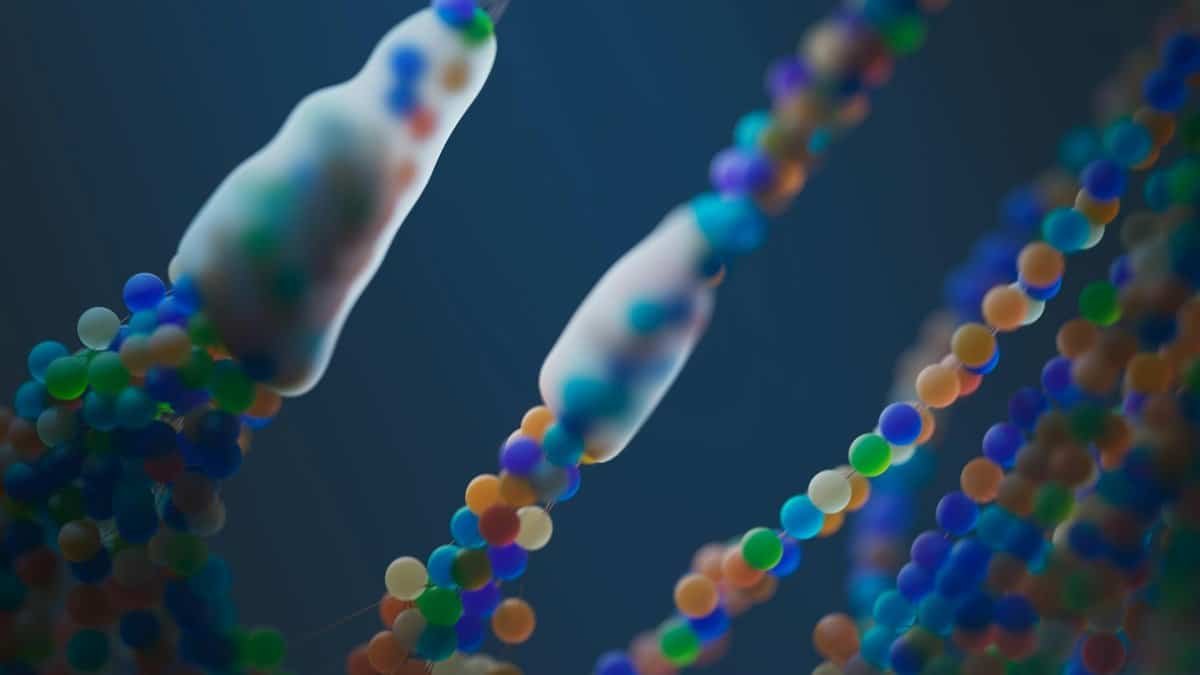
Genes set baselines—some sprout muscle like weeds. Yet effort narrows gaps. Identical twins diverge wildly with different training.
Aging hits hard. After 50, muscle loss accelerates. Resistance training counters it. The National Institute on Aging highlights how lifters in their 70s regain youth-like strength. Grandmas deadlifting? Real, and vital against falls.
CDC data underscores urgency: only 23 percent of adults meet guidelines. Muscle science offers a fix.
Debunking Hypertrophy Myths
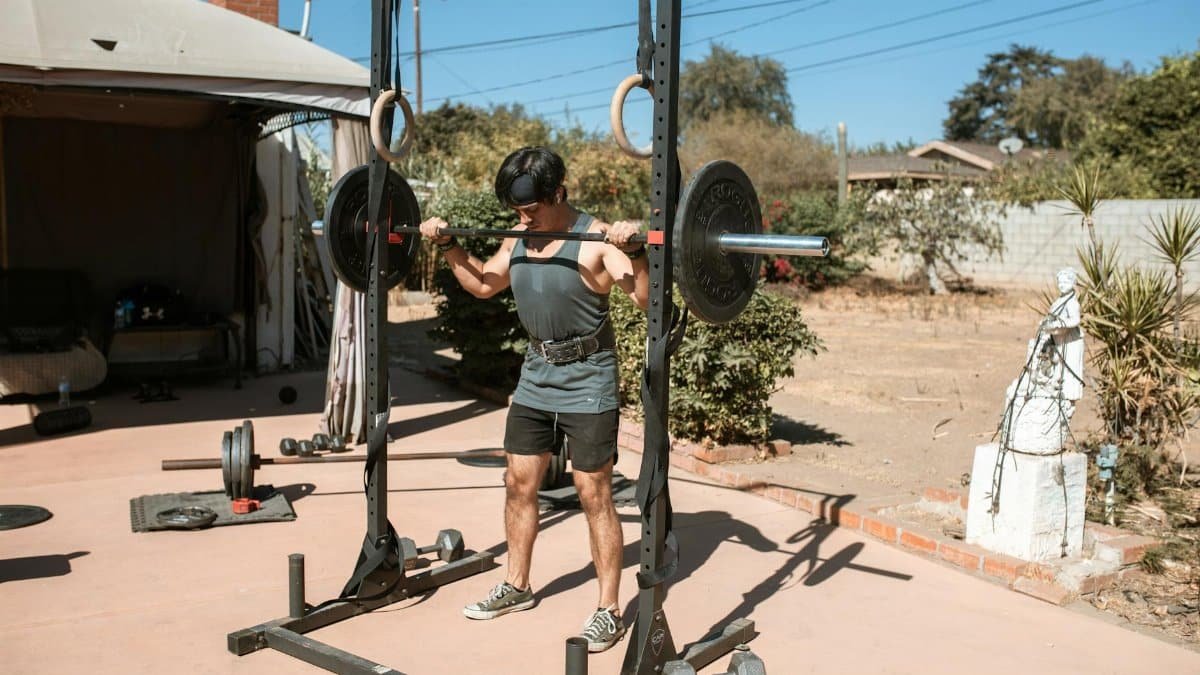
Myth one: high reps for size, low for strength. Wrong—both build muscle. Myth two: women bulk up easy. Testosterone gap prevents it without intent.
Carbs? Essential for glycogen, fueling volume. Spot reduction? Fiction. Abs emerge from diet, not crunches. Trainers dismantle these in seminars, clients nodding as scales finally move.
Tracking Progress Beyond the Mirror

Tape measures lie; photos and DEXA scans reveal truth. Strength logs predict hypertrophy. Apps gamify it.
Plateaus? Tweak variables. One Chicago accountant measured circumferences weekly: “Data beat doubt.” Patience rules—gains compound monthly.
Putting Science into Practice

Start simple: three sessions weekly, progressive overload. Squat, bench, row. Eat surplus calories cleanly. Consistency over six months transforms.
Experts urge personalization. Consult pros for form. Risks like injury loom without basics. Yet rewards—vitality, confidence—echo across ages. The science of muscle hypertrophy democratizes strength, one rep at a time.

As an education professional with a background in Biology and Physics, Dr. Christoph Weber is the analytical heart of Fulfilled Humans. He ensures every piece of content is insightful and grounded in credible knowledge.
Disclaimer
The content on this post is for informational purposes only. It is not intended as a substitute for professional health or financial advice. Always seek the guidance of a qualified professional with any questions you may have regarding your health or finances. All information is provided by FulfilledHumans.com (a brand of EgoEase LLC) and is not guaranteed to be complete, accurate, or reliable.