
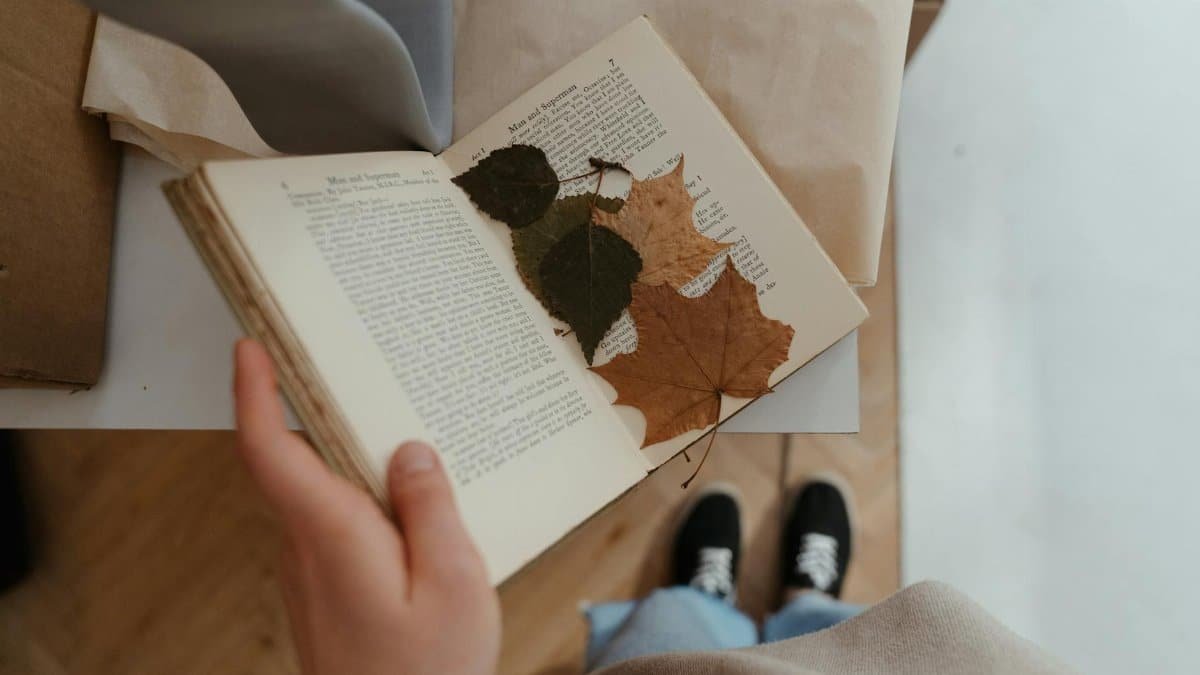
In the rush of modern life, pressing autumn leaves has emerged as an unlikely antidote to stress, drawing in everyone from urban professionals to outdoor enthusiasts. This simple craft—sandwiching colorful foliage between heavy books—preserves fall’s fleeting beauty while delivering tangible calm. Therapists and hobbyists alike report it’s booming this season, with social media flooded by #LeafPressing posts. As crimson maples and golden oaks peak across the U.S., more Americans are trading screens for this hands-on ritual.
Rise in Popularity

Social platforms tell the story. Instagram reels and TikTok tutorials on pressing autumn leaves have racked up millions of views since September. Hobby supply stores from Maine to California note a 25% uptick in sales of pressing kits, frames and botanical paper. “It’s the perfect low-barrier entry to mindfulness,” says botanist Dr. Elena Vasquez of the New York Botanical Garden. Urban dwellers, cooped up post-pandemic, crave this tactile escape. In parks from Central Park to Golden Gate, families gather leaves, turning weekend walks into craft sessions.
The Mental Health Boost

Experts link the practice to proven stress reduction. Handling leaves engages the senses—crisp textures, earthy scents—triggering the parasympathetic nervous system for relaxation. A Harvard Health review highlights how such nature interactions lower cortisol levels and sharpen focus.Harvard Health Publishing notes regular outdoor crafts combat anxiety better than some apps. Local therapist Maria Lopez sees it in her practice: “Clients bring pressed leaves to sessions. It’s their portable therapy.”
Historical Appeal

Pressing autumn leaves isn’t new. Victorians turned it into an art form, creating intricate albums as status symbols. Smithsonian archives show 19th-century botanists like William Robinson championed it for scientific study and decor. Today, it echoes that tradition but with a wellness twist. Museums host workshops, blending nostalgia with self-care. In fall exhibits from the Smithsonian to regional galleries, pressed specimens draw crowds eager to try it themselves.Smithsonian Magazine details how this hobby fueled early conservation awareness.
Perfect Leaves to Pick
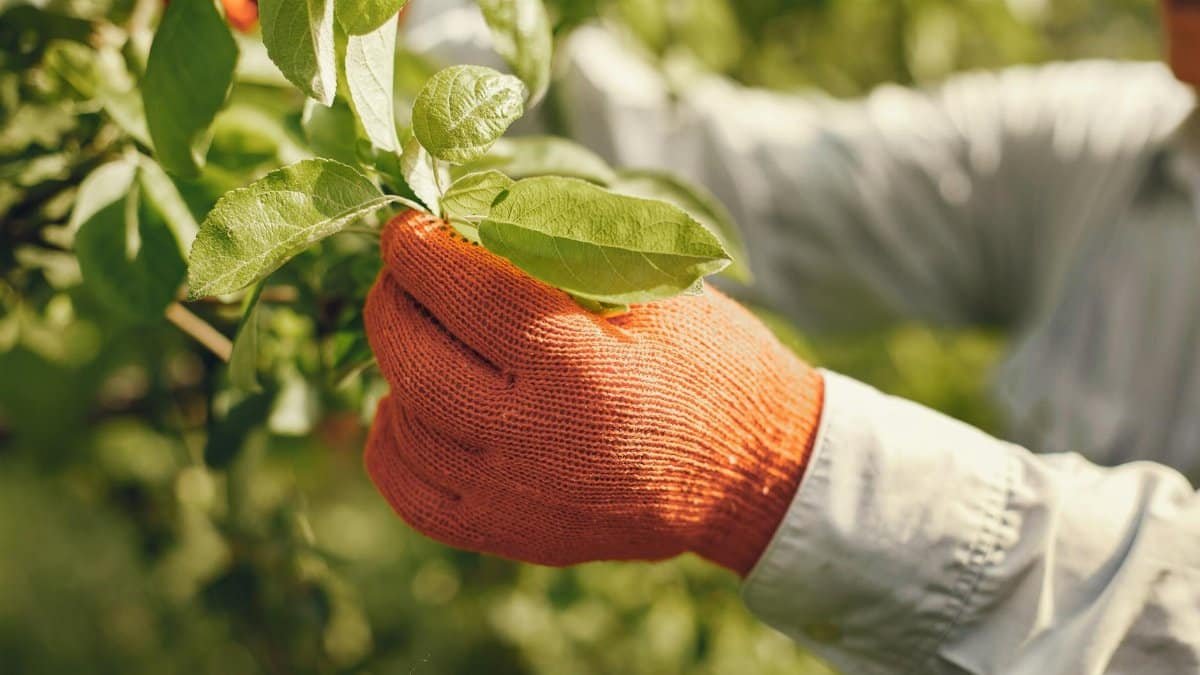
Not all foliage works. Experts recommend sturdy species: sugar maples for reds, black gums for purples, oaks for longevity. Avoid thick or waxy types like hollies—they mold easily. Peak collection hits mid-October in the Northeast, later out West. Scout urban trees or join foraging groups via apps like iNaturalist. Pro tip: Pick on dry days. Fresh, vibrant specimens yield the best results, holding color for years if done right.
Easy DIY Techniques
Start simple. Layer leaves between parchment paper, then wax paper, inside a heavy book. Stack more books on top. Wait two to four weeks. Speed it up with a microwave: 30-second bursts between paper towels. No fancy tools needed—phone books work fine. Frame under glass for wall art or embed in resin for coasters. Online communities share hacks, like using floral tape for 3D effects. Costs under $10 to begin.
Environmental Upside
This hobby promotes eco-awareness. Pressing encourages litter-free parks—no raking piles that rot. It spotlights native plants, boosting biodiversity chats. Groups like the Arbor Day Foundation tie it to tree ID apps, fostering citizen science. In climate-stressed times, preserving leaves reminds us of seasonal cycles amid warming falls. “It’s a quiet activism,” notes conservationist Tom Reilly. Some crafters donate pressed art to fundraisers for reforestation.
Family and Community Bonds

Parents rave about kid appeal. Schools incorporate it into STEM units, teaching botany basics. Community centers host free sessions, drawing multigenerational crowds. In Chicago’s Lincoln Park, a recent event packed 200 participants. “My kids fight over who presses the brightest leaf,” laughs attendee Raj Patel. It builds patience and sparks talks about nature’s changes, from leaf colors to climate shifts.
Monetizing the Hobby

Enthusiasts turn passion into profit. Etsy sellers move thousands of pressed-leaf ornaments yearly. Custom commissions fetch $50 apiece. Workshops charge $25 a head. Influencers partner with craft brands. One Virginia artisan, pressedleafpro.com, scaled to full-time after viral posts. Markets at fall festivals offer prime spots—booths fly with holiday-ready decor.
Common Pitfalls to Avoid

Mold kills collections. Combat it with silica gel packets or dry in dark spots. Fading? Spray with UV protectant. Overpressing warps leaves—check weekly. Beginners skip washing: dirt streaks ruin hues. Store flat, away from light. Troubleshooting forums abound, with vets sharing fixes like hair-dryer revivals for stubborn dampness.
Autumn’s Lasting Legacy
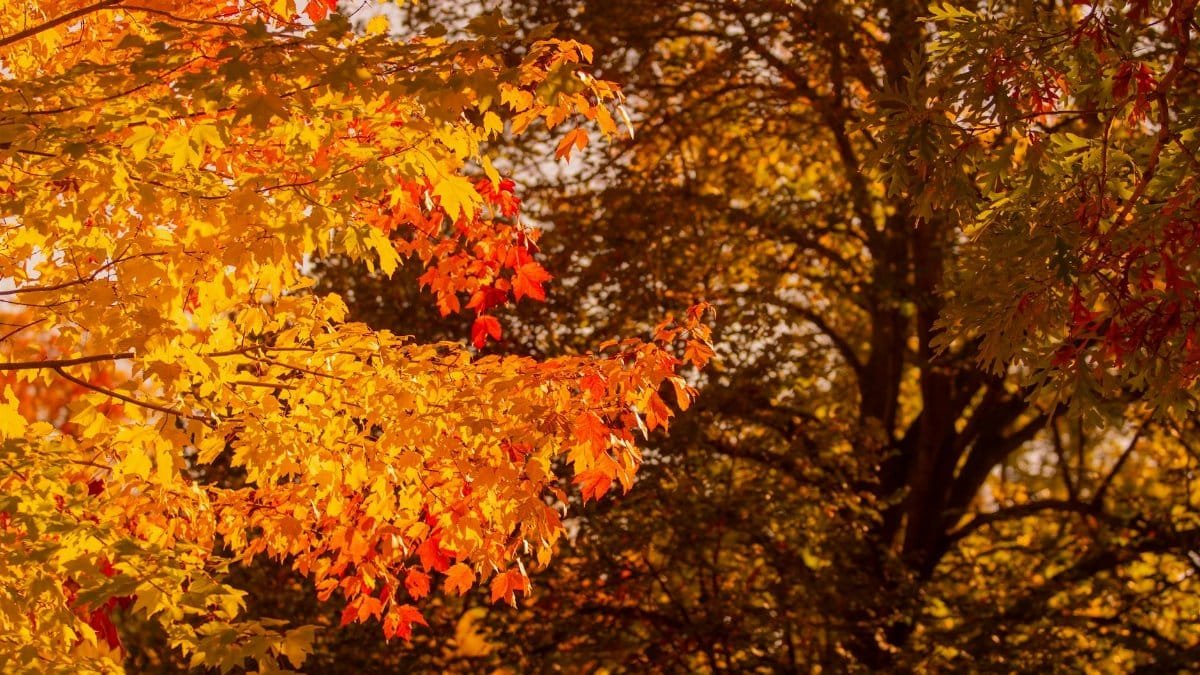
As leaves drop, pressing autumn leaves captures the essence. It’s cheap, portable therapy amid rising mental health woes. With apps tracking peak foliage via Smoky Mountains Fall Foliage Map, enthusiasts plan hunts nationwide. Whether for decor, journals or gifts, this ritual endures. In a world of fleeting trends, it’s a grounded win—one pressed maple at a time.

A certified hypnotherapist, Reiki practitioner, sound healer, and MBCT trainer, Christopher guides our journey into the spiritual dimension, helping you tap into a deeper sense of peace and awareness.
Disclaimer
The content on this post is for informational purposes only. It is not intended as a substitute for professional health or financial advice. Always seek the guidance of a qualified professional with any questions you may have regarding your health or finances. All information is provided by FulfilledHumans.com (a brand of EgoEase LLC) and is not guaranteed to be complete, accurate, or reliable.