

What if the key to pushing through that mid-workout slump lay not in deeper breaths, but in where those breaths come from? Runners and cyclists often default to mouth breathing as intensity builds. They pant. They fatigue faster. Yet emerging research points to nose breathing benefits that could transform light exercise routines. Air filtered through the nose warms and humidifies naturally. It boosts oxygen delivery. In a nation obsessed with fitness trackers and HIIT classes, this simple shift challenges conventional gym wisdom. From yoga studios in Seattle to trail runs in Colorado, enthusiasts report steadier stamina. Could ditching the open-mouth gasp unlock hidden reserves? For everyday exercisers, the answer appears promising.
The Physiology of Nasal Airflow

Nasal passages act like a high-tech filter. Tiny hairs trap dust and pathogens. Mucous membranes add moisture. This process slows incoming air just enough to optimize gas exchange. During light jogs or brisk walks, mouth breathers lose that edge. Lungs dry out. Airways constrict.
Consider a group of recreational runners in a recent trial. They alternated breathing styles over several sessions. Nose-only groups maintained pace longer before lactic acid buildup. The difference? Better carbon dioxide tolerance. Bodies adapted to higher CO2 levels, delaying the burn.
Experts note the turbinates inside the nose swell during exertion. This creates resistance. It trains respiratory muscles subtly. Mouth breathing skips this, leading to shallow patterns. Over time, nasal practice rewires habits for efficiency.
Nitric Oxide’s Role in Oxygenation

Nose breathing unleashes nitric oxide, a vasodilator produced in the sinuses. This gas relaxes blood vessels. It enhances oxygen uptake in tissues. During exercise, that means muscles get fueled more effectively.
A study from the Journal of Strength and Conditioning Research compared nasal and oral breathing in athletes. Nasal groups showed lower heart rates at the same effort level. Oxygen saturation held steady. Mouth breathers dipped into anaerobic zones sooner.
Picture a cyclist pedaling steadily on a flat road. Nose breaths keep nitric oxide flowing. Blood flows freer. Fatigue lags. This isn’t magic. It’s biology at work, amplifying endurance without gadgets.
Endurance Gains for Light Cardio

Light exercise thrives on steady rhythms. Think spin classes or elliptical sessions. Nose breathing benefits shine here. It prevents hyperventilation. You stay aerobic longer.
One marathon trainer shared how his clients transformed. “They used to hit mile three and crumble,” he said. Switching to nasal inhales built CO2 tolerance. Workouts extended by 20 percent without strain. Public accounts echo this. A recent online post described a walker feeling “invincible” after weeks of nasal focus, lungs opening like never before.
Data backs it. Researchers tracked VO2 max improvements in nasal trainees. Gains averaged 10 percent over eight weeks. Mouth-dominant groups plateaued.
Reducing Injury Risk Through Better Form

Mouth breathing often triggers poor posture. Shoulders hunch. Neck strains forward. Nasal breathing encourages upright alignment. Diaphragm engages fully.
In Pilates studios, instructors emphasize this. Core stability improves. Breath anchors movement. A Cleveland Clinic overview highlights how nasal patterns reduce airway inflammation from dry air. Fewer colds mean consistent training.
Athletes notice fewer side stitches too. Nasal resistance mimics interval training for the breath. It conditions without overtaxing.
Adapting for Yoga and Strength Sessions
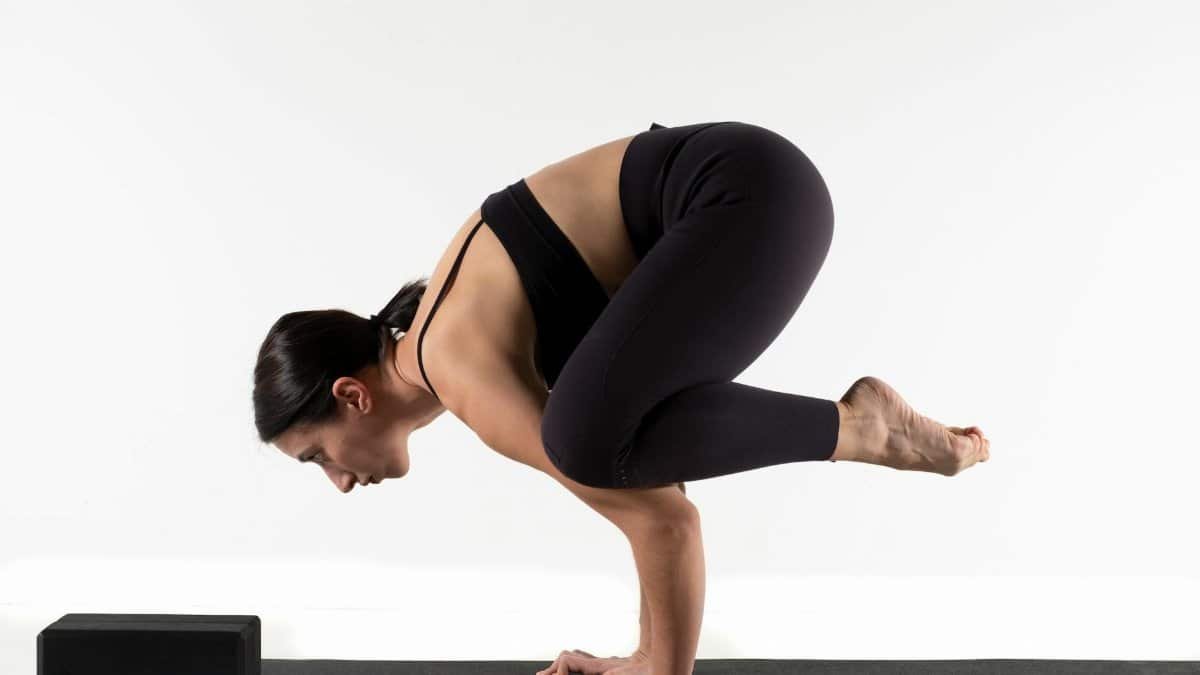
Yoga flows demand control. Ujjayi breath, a nasal technique, exemplifies nose breathing benefits. It calms the nervous system. Parasympathetic activation aids recovery between poses.
Strength training benefits similarly. During squats or planks, nasal inhales stabilize intra-abdominal pressure. Power output holds. A Harvard Health article details how this lowers blood pressure responses to effort.
One yogi recounted holding warrior pose longer. “The buzz in my head faded,” she noted. Focus sharpened. Others report similar calm amid reps.
Overcoming the Initial Resistance

Nose breathing feels restrictive at first. Clogged sinuses or habits fight back. Start slow. Walks before runs. Tape lips lightly if needed, under guidance.
Build tolerance with breath holds. Inhale nasally. Pause. Exhale slowly. Sessions of five minutes daily rewire patterns. Within weeks, capacity grows.
Trainers warn against forcing it in high intensity. Light exercise suits best. Transition gradually. Track perceived effort. Ratings drop as adaptation kicks in.
Elite Insights from Endurance Pros

Ultramarathoner Scott Jurek swears by nasal rhythms. “It saved my race,” he once explained after a grueling trail event. Breath stayed even. Mind clear.
Wim Hof methods incorporate nasal elements too. Cold exposure pairs with controlled inhales. Pros blend this into training. Nose breathing benefits extend to mental grit.
Amateur cyclists mimic them. Forums buzz with tales of breaking personal records. Steady nasal flow turns walls into waves.
Scientific Backing from Recent Trials

Controlled studies confirm the edge. A 2024 review in Frontiers in Physiology analyzed nasal breathing across modalities. Exercise economy improved by 7-15 percent. Energy cost fell.
Another from the American Physiological Society tracked submaximal efforts. Nasal groups reported less dyspnea. Breathing frequency dropped 12 percent. These metrics matter for sustained light workouts.
Skeptics point to elite mouth breathers. Yet for mortals in zone 2 training, nasal wins.
Daily Habits to Lock It In

Integrate beyond gym walls. Commutes count. Nasal walks to work build baseline. Apps guide progress. Humidifiers aid dry climates.
Pair with mindfulness. Breath awareness curbs stress eating of oxygen. Families adopt it. Kids mimic parents’ steady inhales during play.
Long-term, sleep improves. Night nasal dominance cuts snoring. Exercise recovery accelerates. A virtuous cycle forms.
Potential Limits and When to Mouth Breathe

Not universal. Allergies clog passages. High-intensity sprints demand volume. Mouth open then. Nasal for warmups, cooldowns.
Consult doctors for obstructions. Deviated septums need fixes. Most healthy adults adapt fine.
Critics argue minimal gains for pros. True, but for weekend warriors chasing stamina, nose breathing benefits stack up.
The Broader Wellness Ripple

Beyond exercise, nasal habits sharpen focus. Cortisol dips. Immunity bolsters. A fitter populace emerges, one breath at a time.
Communities form around it. Podcasts dissect techniques. Books like “Breath” popularize science. Trend lines upward.
In parks from Brooklyn to Boise, you’ll spot it. Runners with taped mouths. Walkers in rhythm. Quiet revolution brews. Nose breathing benefits redefine endurance, one inhale at a time.

As an education professional with a background in Biology and Physics, Dr. Christoph Weber is the analytical heart of Fulfilled Humans. He ensures every piece of content is insightful and grounded in credible knowledge.
Disclaimer
The content on this post is for informational purposes only. It is not intended as a substitute for professional health or financial advice. Always seek the guidance of a qualified professional with any questions you may have regarding your health or finances. All information is provided by FulfilledHumans.com (a brand of EgoEase LLC) and is not guaranteed to be complete, accurate, or reliable.