
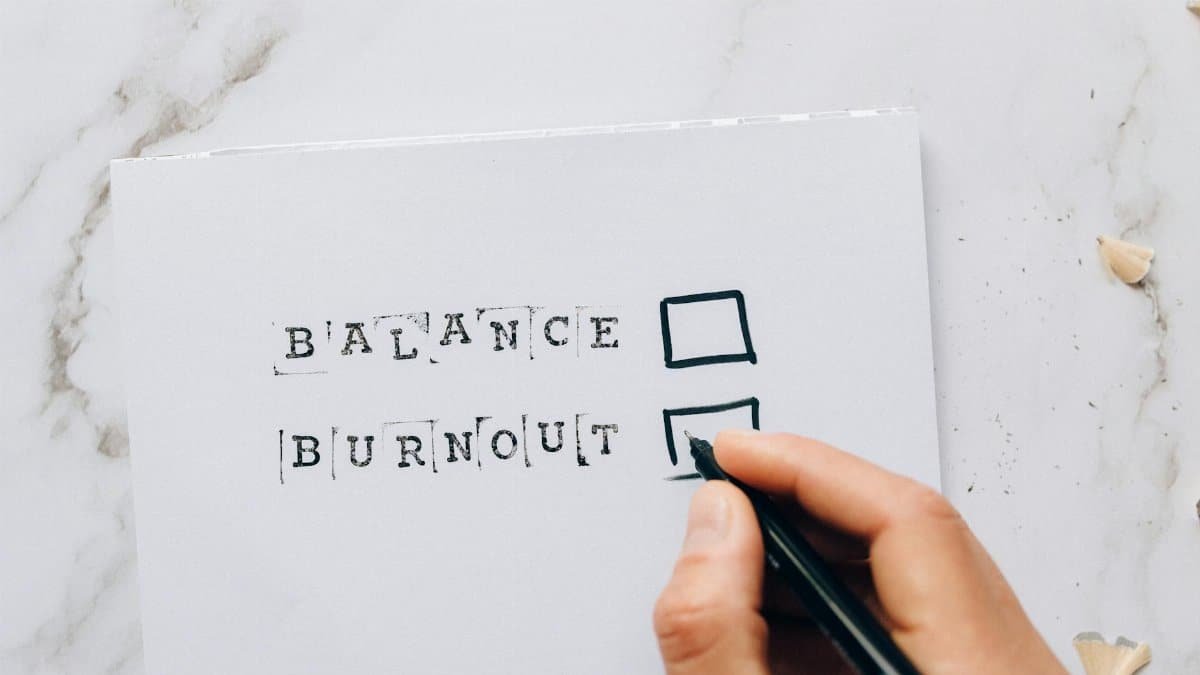
Corporate teams in February 2026 are testing resilience sprints teams to fend off burnout. These brief meetings let workers share losses and spark collective adaptability, according to global HR firm Deel. As workplaces push harder amid economic pressures, such practices aim to build tougher teams. Deel highlights how these sprints turn setbacks into shared strength, preventing exhaustion before it spreads. Early adopters report quicker recovery from failures, signaling a shift in how companies handle stress.
What Are Resilience Sprints?
Resilience sprints are short, structured team gatherings designed for vulnerability. Corporate teams use them to confront losses head-on. Unlike standard check-ins, these focus on emotional and operational setbacks. Deel describes them as quick sessions that prioritize openness. The goal stays simple: process pain points without dragging on. Teams test this format to rebuild faster after misses, fostering a culture where failure fuels progress rather than defeat.
The Corporate Testing Surge
By February 2026, U.S. corporate teams ramped up trials of resilience sprints. Deel notes this trend amid rising demands on remote and hybrid workforces. Companies experiment to stay agile in volatile markets. Testing occurs in various sectors, from tech to finance, where burnout risks loom large. These sprints emerge as a low-cost tool, requiring no fancy software—just committed participants. Early feedback points to improved morale as teams normalize sharing struggles.
Brief Meetings, Big Impact

Time constraints define resilience sprints. Sessions last minutes, not hours, making them feasible for busy schedules. Corporate teams slot them into weekly routines, often post-project reviews. Deel emphasizes brevity as key to participation. No agendas bloat; focus narrows to recent losses. This punchy structure ensures action over analysis paralysis. Workers voice failures swiftly, then pivot to adaptations, keeping energy high and dread low.
Sharing Losses Without Shame
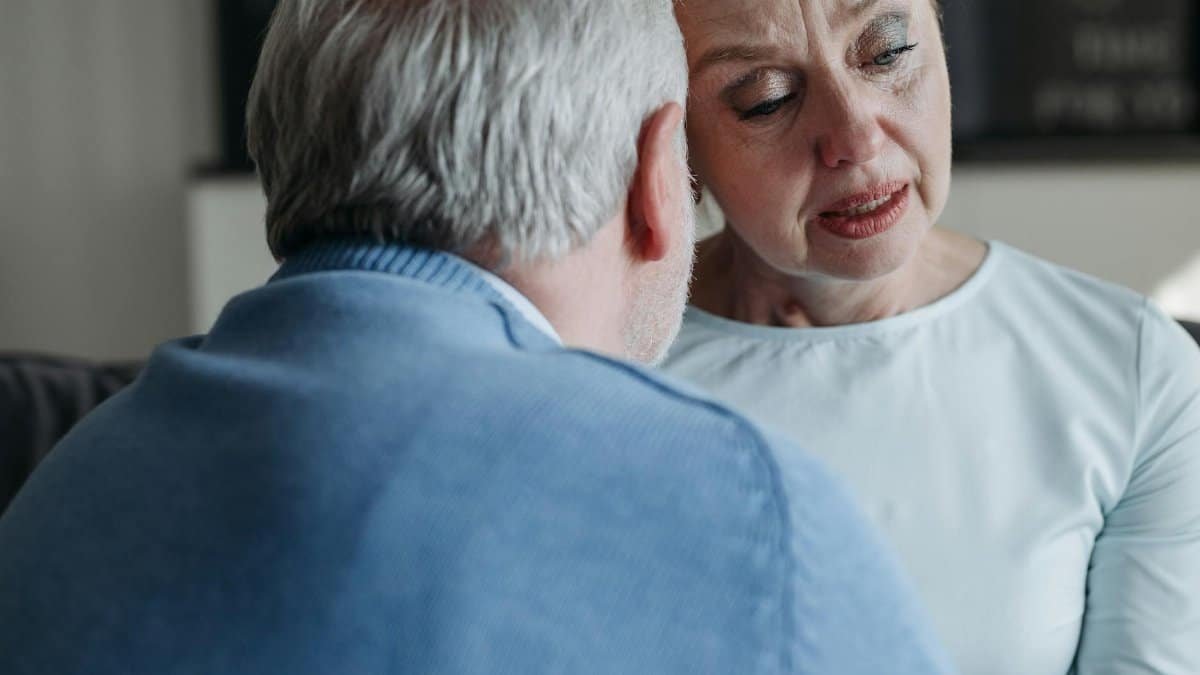
At the core, resilience sprints teams encourage raw disclosure. Members recount deals lost, deadlines missed, or ideas flop. Deel reports this builds trust as leaders model candor first. Sharing demystifies individual pain, revealing it’s collective. No blame games—just facts. This step alone cuts isolation, a burnout trigger. Teams learn others face similar hits, normalizing setbacks in high-stakes environments.
Generating Collective Adaptability

From shared losses springs adaptability. Resilience sprints turn talk into tactics. Groups brainstorm tweaks together, like process changes or skill gaps. Deel underscores how this collective mode amplifies individual insights. One team’s fix inspires others, creating ripple effects. Adaptability grows as norms shift: failure becomes data, not defeat. Corporate testers see faster pivots, equipping squads for ongoing turbulence.
Preventing Burnout at Its Root
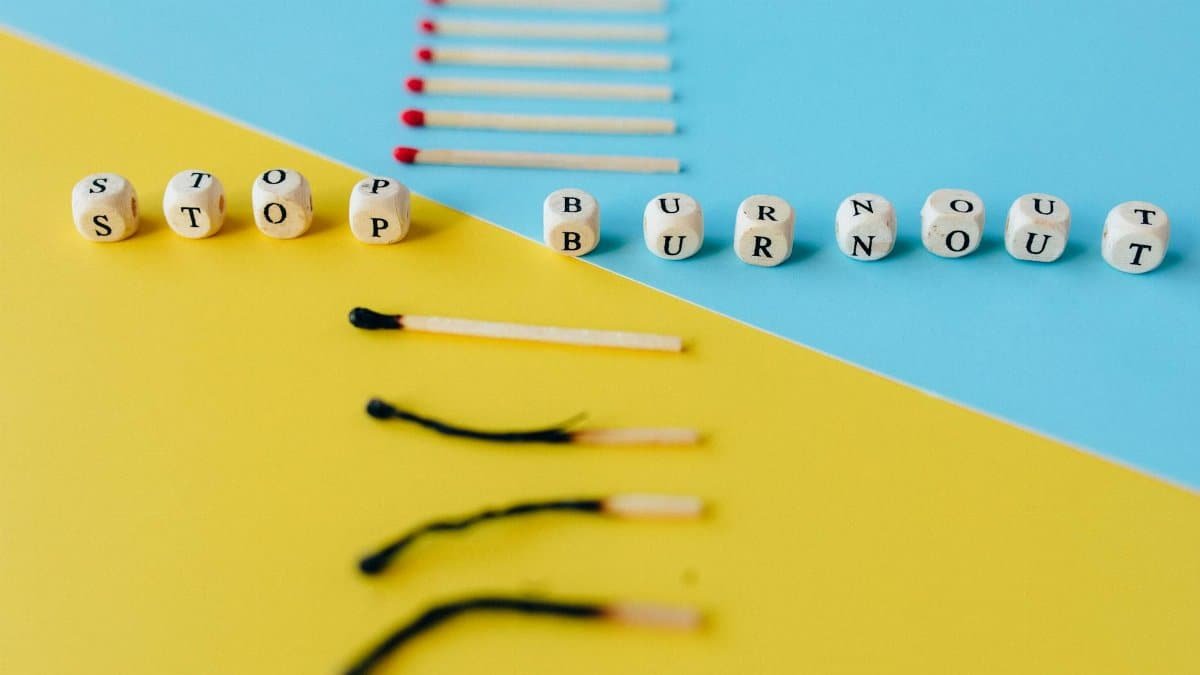
Burnout thrives on unprocessed stress. Resilience sprints teams interrupt that cycle early. By airing losses routinely, teams release bottled tension. Deel links this to sustained performance, as empathy replaces exhaustion. U.S. workplaces, per broader trends, face epidemic fatigue; these sprints offer prophylaxis. Regular practice builds emotional buffers, keeping output steady without crashes. Prevention beats cure in team dynamics.
Deel’s Spotlight on the Practice
Global HR platform Deel brought resilience sprints to light in February 2026. Their insights stem from client data across thousands of firms.Deel Blog details how testing unfolded, positioning sprints as a scalable fix. Deel advises integration with existing HR tools for tracking uptake. Their endorsement lends credibility, urging more teams to trial amid 2026’s productivity crunch.
Team Dynamics Transformed
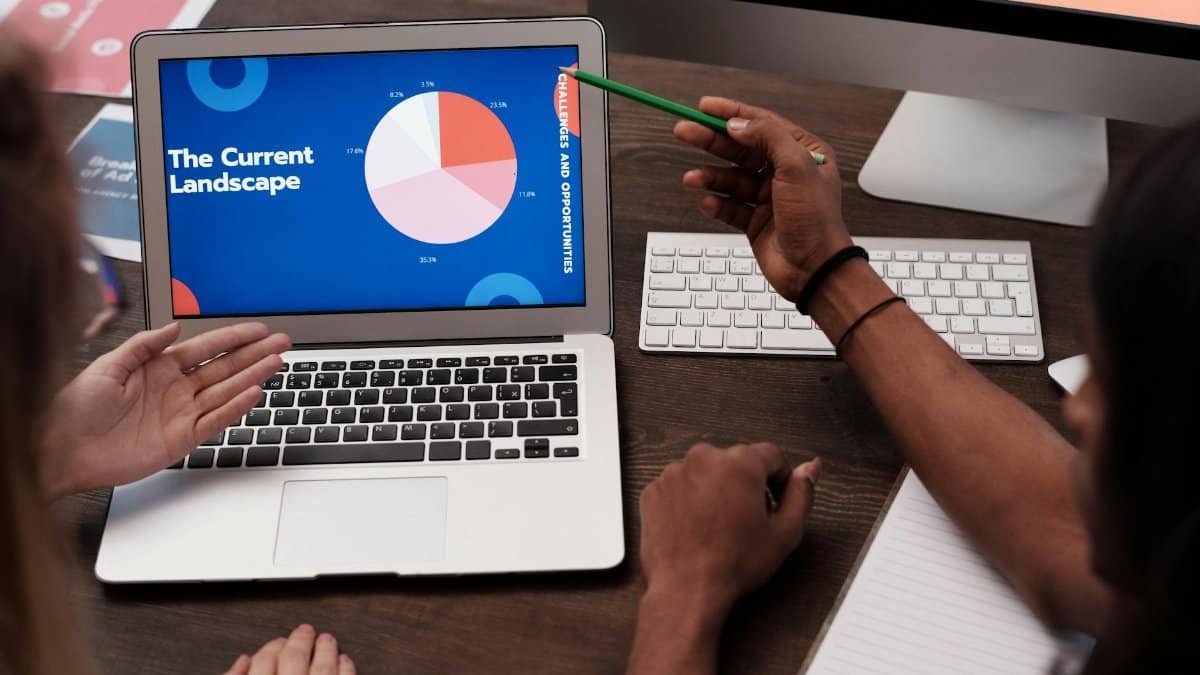
Resilience sprints reshape interactions. Bonds strengthen as vulnerability bonds people. Corporate teams report higher cohesion post-sprints. Losses lose power when communal, per Deel’s observations. This fosters psychological safety, vital for innovation. Remote setups benefit most, bridging distance with deliberate connection. Over time, adaptability becomes habit, fortifying teams against future shocks.
Steps to Launch Your Own

Corporate teams start small. Pick a 15-minute slot weekly. Set ground rules: share one loss, propose one adaptation. Deel suggests rotating facilitators for fairness. No judgments allowed. Track via quick polls on mood shifts. Scale if vibes improve. U.S. firms testing this see buy-in grow organically. For burnout-prone groups, it’s a straightforward resilience boost.
Workplace stress data backs the urgency. The CDC on workplace stress outlines how unaddressed strain leads to burnout epidemics. Resilience sprints align with proven tactics like peer support. As 2026 unfolds, more teams may adopt, per Deel’s pulse. These sprints prove small rituals yield tough teams.

Natasha is the heart of our exploration into conscious connection. Applying principles from multiple counseling courses in her own life, she guides you to cultivate stronger, more joyful bonds.
Disclaimer
The content on this post is for informational purposes only. It is not intended as a substitute for professional health or financial advice. Always seek the guidance of a qualified professional with any questions you may have regarding your health or finances. All information is provided by FulfilledHumans.com (a brand of EgoEase LLC) and is not guaranteed to be complete, accurate, or reliable.