

In the glow of suburban living rooms across America, a quiet revolution unfolds each evening. Lights dim as parents tuck in toddlers and teens alike. Then, amid the hush, couples turn toward each other. This moment—reconnect after kids sleep—has become a lifeline for marriages strained by sippy cups and soccer practices. Therapists notice it. Social media buzzes with it. Even coffee shop chats reveal the pattern. Exhausted moms and dads crave these stolen hours not just for romance, but survival. Data backs the urgency. A Institute for Family Studies analysis of long-term surveys shows marital happiness often dips sharply after the first child arrives. Yet those who prioritize evening connection rebound faster. In a nation where 40 million households include children under 18, this ritual matters more than ever.
The Parenthood Pivot
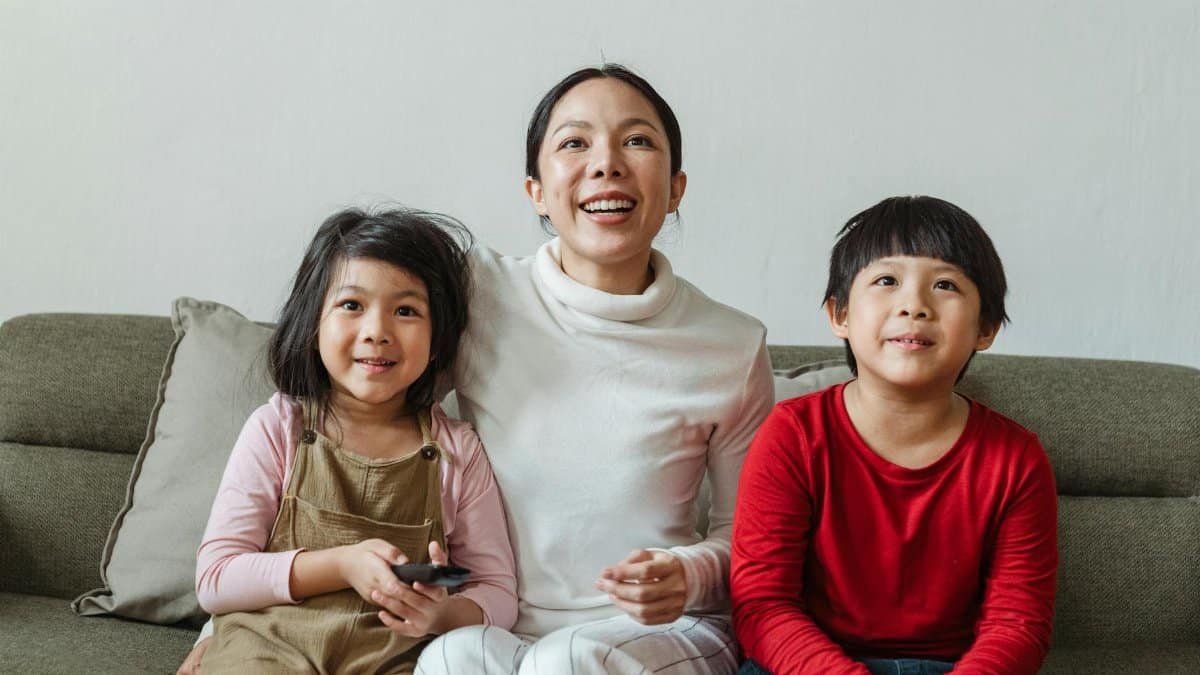
Parenting rewires everything. Schedules clash. Energy vanishes. One father in Chicago described it plainly during a park bench conversation. “Kids consume the day. By night, we’re zombies.” He paused, then added, “But we linger over tea now. It saves us.” Studies confirm the strain. Working parents report juggling more roles than ever, leaving couple time fragmented. The shift hits intimacy hardest. Physical touch fades amid laundry piles. Emotional bonds fray under fatigue. Yet biology offers hope. Oxytocin, the bonding hormone, surges in relaxed evening settings. Couples who lean into this rebuild naturally. Transitions feel smoother when daylight demands recede.
Stolen Glances and Silent Wins

Small acts pack the biggest punch. No grand gestures required. A hand on the small of the back while loading the dishwasher. Eyes meeting over bedtime storybooks. These micro-moments accumulate. Relationship researcher John Gottman calls them “bids for connection.” In his lab, couples who respond positively thrive. Ignore them, and resentment brews. Consider a Seattle couple navigating twins. They started with five-minute couch check-ins. No phones. Just questions like “What lit you up today?” Laughter returned. Touch followed. Data from the Gottman Institute underscores why: a 5-to-1 ratio of positive to negative interactions predicts longevity. Evening bids tip that scale.
Conversations That Cut Through Chaos

Talk anchors reconnection. But not small talk. Dive deeper after dark. Share fears about college funds. Dreams deferred by diapers. One mother recalled a pivotal night. “He admitted work stress. I shared mine. Walls crumbled.” Words bridge gaps widened by daytime distractions. Vary the approach. Some nights, play a game: high-low of the day. Others, read aloud from a shared book. Avoid monologues. Listen actively. Nods matter. Questions deepen. A Pew Research Center report on parental time use reveals mothers still shoulder more mental load. Evening dialogue evens the field. It fosters equity. Trust grows.
Reviving Touch Without Pressure
Intimacy simmers, then reignites. Start slow. Cuddle sans expectations. Massage sore shoulders from hauling car seats. Skin contact releases feel-good chemicals. Pressure kills the vibe. Experts advise playfulness. Whisper inside jokes. Dance clumsily in the kitchen. A Denver pair turned it ritual: post-bedtime slow jams. Giggles led to more. The American Psychological Association notes parenthood slashes couple sex frequency by half in the first year. Yet non-sexual touch sustains desire. Experiment. Oils. Warm baths. Keep it light. Consent reigns. Bodies remember. Flames flicker back.
Fatigue: The Hidden Saboteur

Exhaustion lurks everywhere. Kids wake at dawn. Adults crash by nine. Reconnection demands strategy. Prioritize sleep hygiene first. Blackout curtains. Consistent bedtimes. One parent shared online how a wind-down routine transformed nights: herbal tea, no screens post-eight. Energy rebounded. Partners noticed. The APA highlights sleep’s role in marital health. Tired couples argue more. Snap less. Naps help, but evening buffers work best. Delegate tomorrow’s tasks tonight. Free mental space. Rest restores.
Tech’s Double-Edged Sword

Screens steal the spotlight. Notifications ping. Scrolls endless. Banish them. Designate device-free zones after kids sleep. Phones charge in another room. Focus sharpens. A Portland duo enforced it strictly. Conversations deepened. Intimacy bloomed. Studies link blue light to delayed melatonin. Worse, social media breeds comparison. “Everyone’s perfect,” one account lamented publicly. Reality bites back. Swap feeds for faces. Play music instead. Vulnerability emerges. Bonds strengthen.
Rituals That Stick
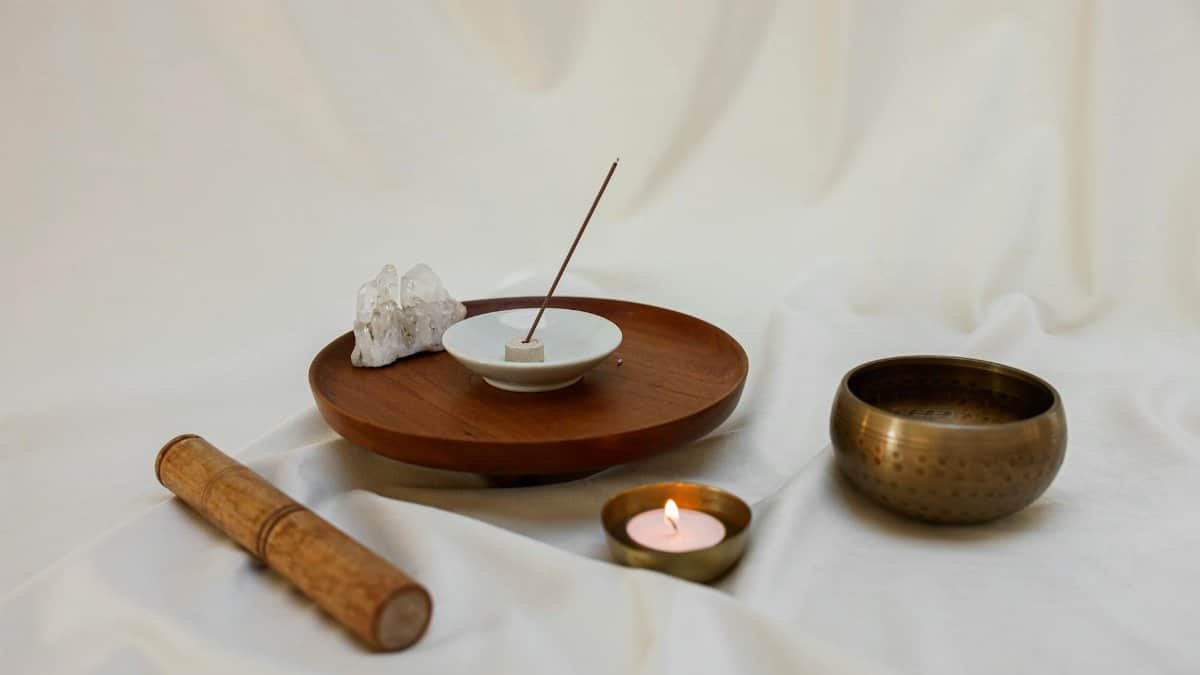
Habits cement change. Pick three doable ones. Weekly date nights at home. Shared dessert. Board games. Track progress loosely. Journals capture wins. A Minneapolis family swore by gratitude lists exchanged bedside. Simple. Powerful. Adjust as kids age. Toddlers demand early nights. Teens later ones. Flexibility rules. Community helps. Parent groups swap tips. Sustainability trumps perfection. Momentum builds.
Voices from the Front Lines

Real lives illuminate paths. Take Sarah, a Texas teacher. Three kids under eight. Nights blurred into chores. Then, deliberate pauses. Wine. Walks around the block. “We laugh again,” she said. Another, anonymous forum post echoed it: “After kids sleep, we finally breathe. Holding hands feels electric.” Tensions surface too. Arguments erupt over uneven loads. Navigate gently. Apologies heal. Diverse couples adapt uniquely. Latino families weave cultural dances. Asian Americans prioritize tea rituals. Universals persist: presence wins.
Expert Blueprints for Success

Therapists offer roadmaps. Esther Perel urges novelty. Sue Johnson stresses emotional safety. Blend them. Schedule “us time” like doctor visits. Non-negotiable. Banish kid talk initially. Reclaim adult selves. Metrics guide: weekly connection logs. Adjust quarterly. Long-haulers credit consistency. One study tracked 100 couples over years. Evening investors reported 30% higher satisfaction. Science aligns with instinct.
Safeguarding the Long Game

Reconnection fortifies futures. Empty nests loom. Skills honed now ease transitions. Kids model healthy bonds. Cycles break. Pitfalls abound: complacency. Over-scheduling. Counter with check-ins. “Still us?” Ask often. Benefits ripple. Stronger parenting. Resilient kids. Marriages weather storms. In America’s heartland homes, this quiet practice reshapes legacies. One evening at a time.

Natasha is the heart of our exploration into conscious connection. Applying principles from multiple counseling courses in her own life, she guides you to cultivate stronger, more joyful bonds.
Disclaimer
The content on this post is for informational purposes only. It is not intended as a substitute for professional health or financial advice. Always seek the guidance of a qualified professional with any questions you may have regarding your health or finances. All information is provided by FulfilledHumans.com (a brand of EgoEase LLC) and is not guaranteed to be complete, accurate, or reliable.