
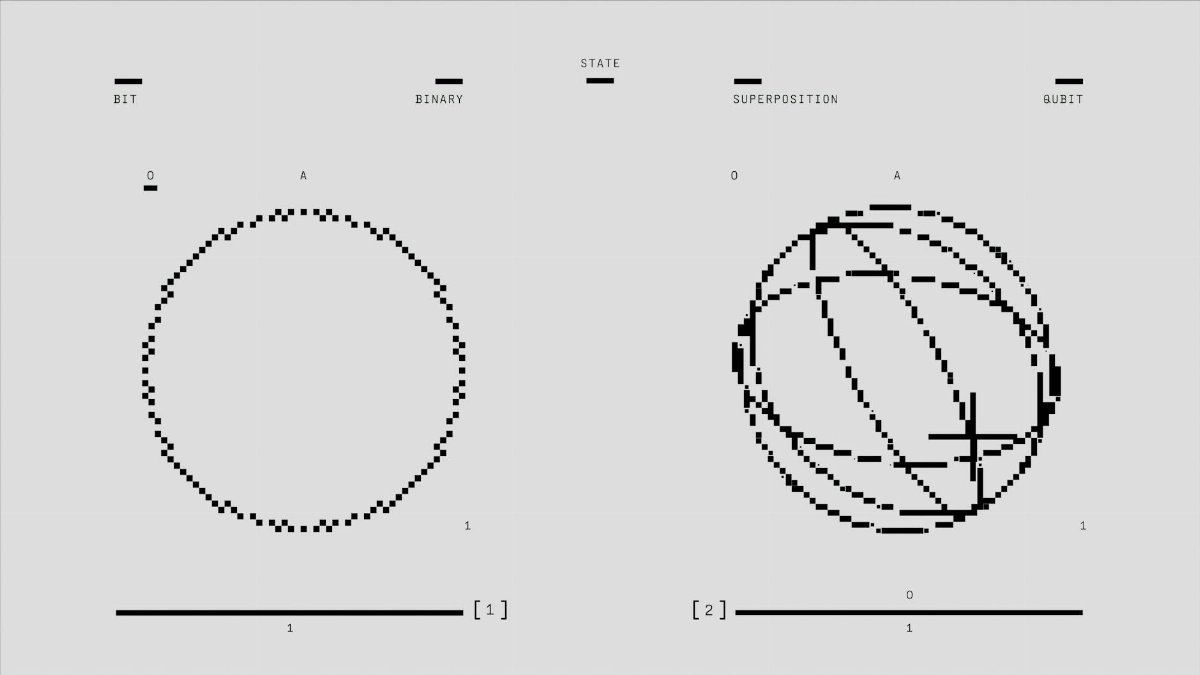
Imagine a quiet room at dawn, where a small group gathers to practice something extraordinary. Their focus isn’t on traditional meditation or yoga, but on a concept that blends science and spirit: quantum breathing photons. As they close their eyes and synchronize their breath, they envision light particles—photons—flowing with each inhale, energizing their being. It’s a striking image, one that captures a growing curiosity among Americans seeking new ways to connect mind and body. This practice, rooted in the intersection of quantum theory and personal wellness, isn’t just a fleeting trend. It reflects a deeper yearning for meaning in a world often defined by chaos. How did we arrive at this unusual fusion of physics and breathwork? And what does it reveal about our collective search for balance in 2025?
The Origins of Quantum Breathing
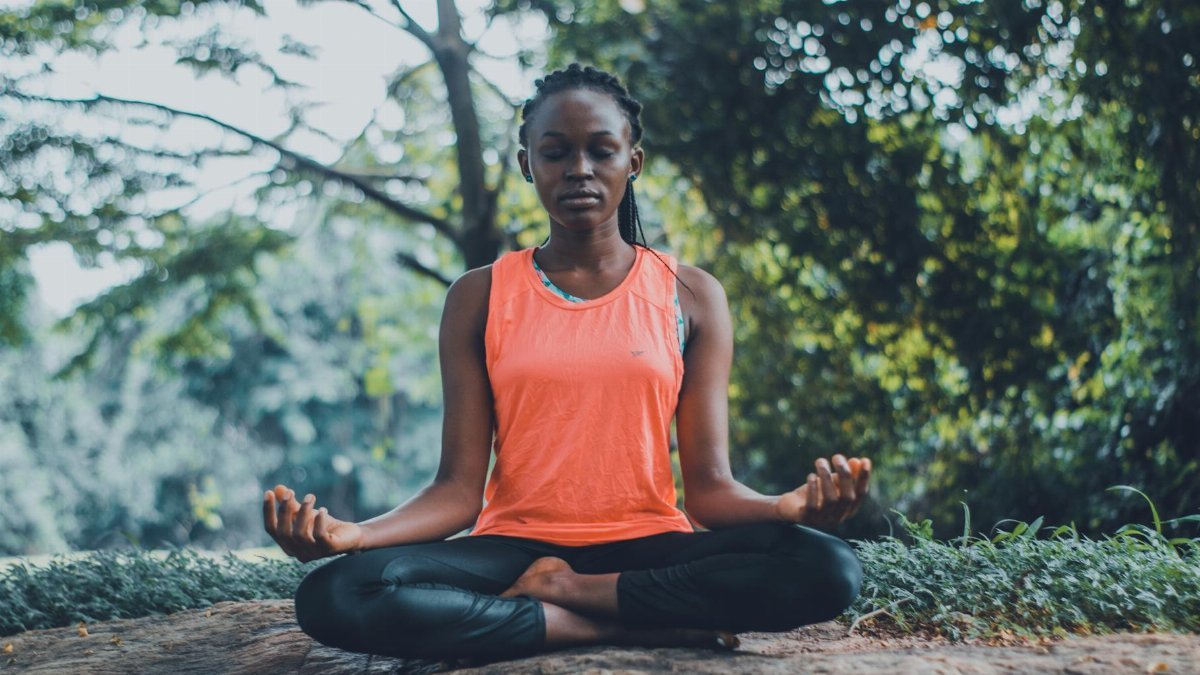
Quantum breathing, as a concept, didn’t emerge overnight. Its roots trace back to the early 20th century, when quantum mechanics reshaped our understanding of reality. Scientists like Niels Bohr and Werner Heisenberg revealed a universe where particles, like photons, exist in states of probability—neither fully here nor there until observed. Fast forward to the late 20th century, and alternative wellness communities began weaving these ideas into personal practices. The notion of “breathing” quantum energy, specifically visualizing photons as carriers of light and life, gained traction through workshops and writings.
One pivotal moment came with the popularization of books blending science and spirituality, such as Fritjof Capra’s The Tao of Physics in 1975. While not directly about quantum breathing photons, it laid groundwork for seeing subatomic particles as metaphors for human energy. Today, practitioners describe inhaling photons as a way to align with the universe’s fundamental building blocks. It’s less about literal science and more about a symbolic act of connection.
Science Meets Imagination
What does science say about quantum breathing photons? At its core, quantum mechanics confirms that photons are real—massless particles of light that zip through space at unfathomable speeds. Research from institutions like the National Institute of Standards and Technology underscores their role in everything from photosynthesis to laser technology. But the leap from lab to breathwork is where hard data gives way to interpretation.
Physicists would argue there’s no evidence that visualizing photons during breathing alters physical reality. Yet, studies on mindfulness and visualization, such as those summarized by the American Psychological Association, show that mental imagery can reduce stress and enhance focus. So, while the “quantum” label might raise eyebrows in academic circles, the psychological benefits of such practices aren’t entirely baseless. It’s a curious tension—where empirical rigor meets the human need for wonder.
The Practice in Action
Step into a quantum breathing session, and the atmosphere feels almost sacred. Participants often sit in a circle, guided by an instructor who speaks softly about energy and light. “Imagine each breath drawing in tiny sparks of brilliance,” one facilitator explained during a recent gathering in a small Colorado studio. The room hums with quiet intensity as people visualize photons streaming through their nostrils, filling their lungs with radiant potential. Some report feeling lighter, others a tingling warmth.
This isn’t just a mental exercise. Many pair it with slow, deliberate breathing techniques akin to those studied for their calming effects on the nervous system. Research from the National Center for Complementary and Integrative Health highlights how controlled breathing can lower cortisol levels. Whether it’s photons or simply focused intention, something seems to shift for those who commit to the practice.
Why It Resonates in 2025

In a year marked by relentless digital noise and global uncertainty, it’s no surprise that Americans are gravitating toward practices like quantum breathing. The appeal lies in its promise of control—over one’s mind, body, even the invisible forces around us. A recent survey by the Pew Research Center noted a spike in interest in alternative wellness practices, especially among middle-aged adults juggling stress and a desire for deeper purpose. Quantum breathing photons taps into this hunger for something beyond the mundane.
Consider the words of a participant in her late 40s, shared during a casual chat after a session: “It’s like I’m reminding myself I’m part of something bigger. Not just deadlines and emails.” Her sentiment echoes a broader cultural shift—a move away from purely material measures of well-being toward the intangible, the cosmic.
Critics and Skeptics Weigh In

Not everyone is convinced. Critics, including some neuroscientists and physicists, caution against conflating quantum theory with personal wellness. They argue that terms like “quantum breathing photons” risk diluting serious science with pseudoscientific fluff. “It’s a beautiful idea, but it’s not physics,” one researcher remarked at a recent conference, emphasizing that photons don’t respond to human intention or breath. Such skepticism isn’t meant to dismiss personal experiences but to ground them in reality.
Even within wellness circles, there’s debate. Some practitioners worry that the quantum label overshadows the simplicity of breathwork itself. Why complicate a grounding practice with jargon that might alienate newcomers? It’s a fair question, one that highlights the delicate balance between inspiration and accessibility.
Personal Stories Paint a Picture
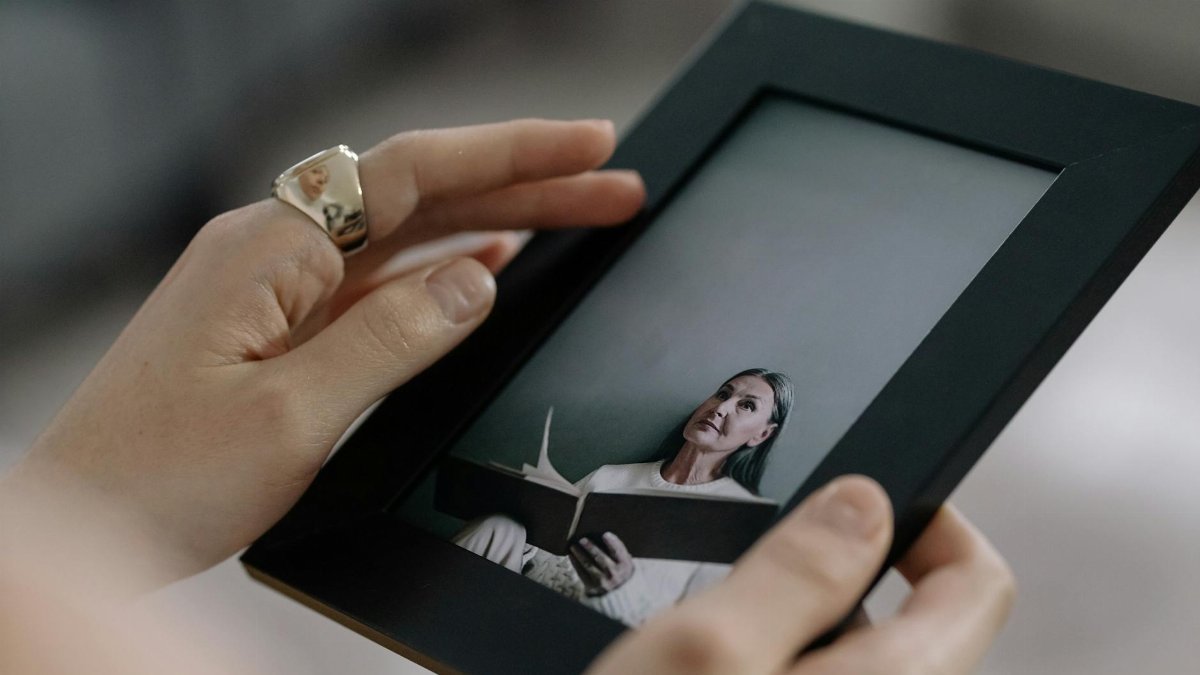
Beyond the debates, individual experiences offer a window into why quantum breathing endures. Take the story of a retired teacher from Ohio, who stumbled upon the practice during a particularly isolating year. She described her first session as awkward—visualizing photons felt silly at first. But over weeks, she noticed a quiet shift. “I started looking forward to those 20 minutes each morning,” she shared. “It wasn’t about the science. It was about giving myself permission to pause.”
Online, similar accounts surface in discussions about alternative practices. One anonymous post described the sensation as “breathing in starlight,” a poetic take that captures the imaginative pull of the concept. These stories don’t prove anything definitive, but they underscore a common thread: the practice meets a need for stillness and connection, however it’s framed.
Bridging the Gap Between Mind and Matter
Perhaps the true value of quantum breathing photons lies in its ability to bridge two worlds—mind and matter, science and spirit. It invites practitioners to think beyond the visible, to consider their place in a universe governed by mysterious forces. At the same time, it’s grounded in something universal: the act of breathing, a rhythm we all share. Whether the photons are “real” in this context misses the point for many. It’s about the feeling of renewal, the moment of clarity that follows a deep inhale.
This duality mirrors broader trends in 2025, where technology and tradition often collide. People want answers from science but also crave the comfort of ritual. Quantum breathing, in its own quirky way, offers both—a chance to play with big ideas while returning to the simplest act of all.
Moving Forward with Awareness

For those curious about quantum breathing, the entry point is low. No equipment is needed, just time and an open mind. Start by finding a quiet space, sitting comfortably, and focusing on your breath. Picture light—maybe as photons, maybe as a warm glow—moving with each inhale and exhale. There’s no right or wrong way to imagine it. The goal isn’t perfection but presence.
As this practice grows, it’s worth approaching with a blend of curiosity and discernment. Let the science inform but not dictate. Let the imagery inspire but not overwhelm. In a world that often demands certainty, quantum breathing photons reminds us that sometimes, the act of wondering is enough. It’s a small rebellion against the rush—a breath of light in the everyday grind.
A certified hypnotherapist, Reiki practitioner, sound healer, and MBCT trainer, Christopher guides our journey into the spiritual dimension, helping you tap into a deeper sense of peace and awareness.
Disclaimer
The content on this post is for informational purposes only. It is not intended as a substitute for professional health or financial advice. Always seek the guidance of a qualified professional with any questions you may have regarding your health or finances. All information is provided by FulfilledHumans.com (a brand of EgoEase LLC) and is not guaranteed to be complete, accurate, or reliable.